
ClinicalSeptember 24, 2026·5 min read

Roche's Enicepatide: 15.5% Weight Loss in Diabetes Trial

Roche's dual GLP-1/GIP shot cut weight 15.5% and HbA1c 2.65 points in type 2 diabetes — 62% hit non-diabetic blood sugar. What it means for buyers.

Enicepatide Phase 2 type 2 diabetes trial results glowing vial and glucose curve

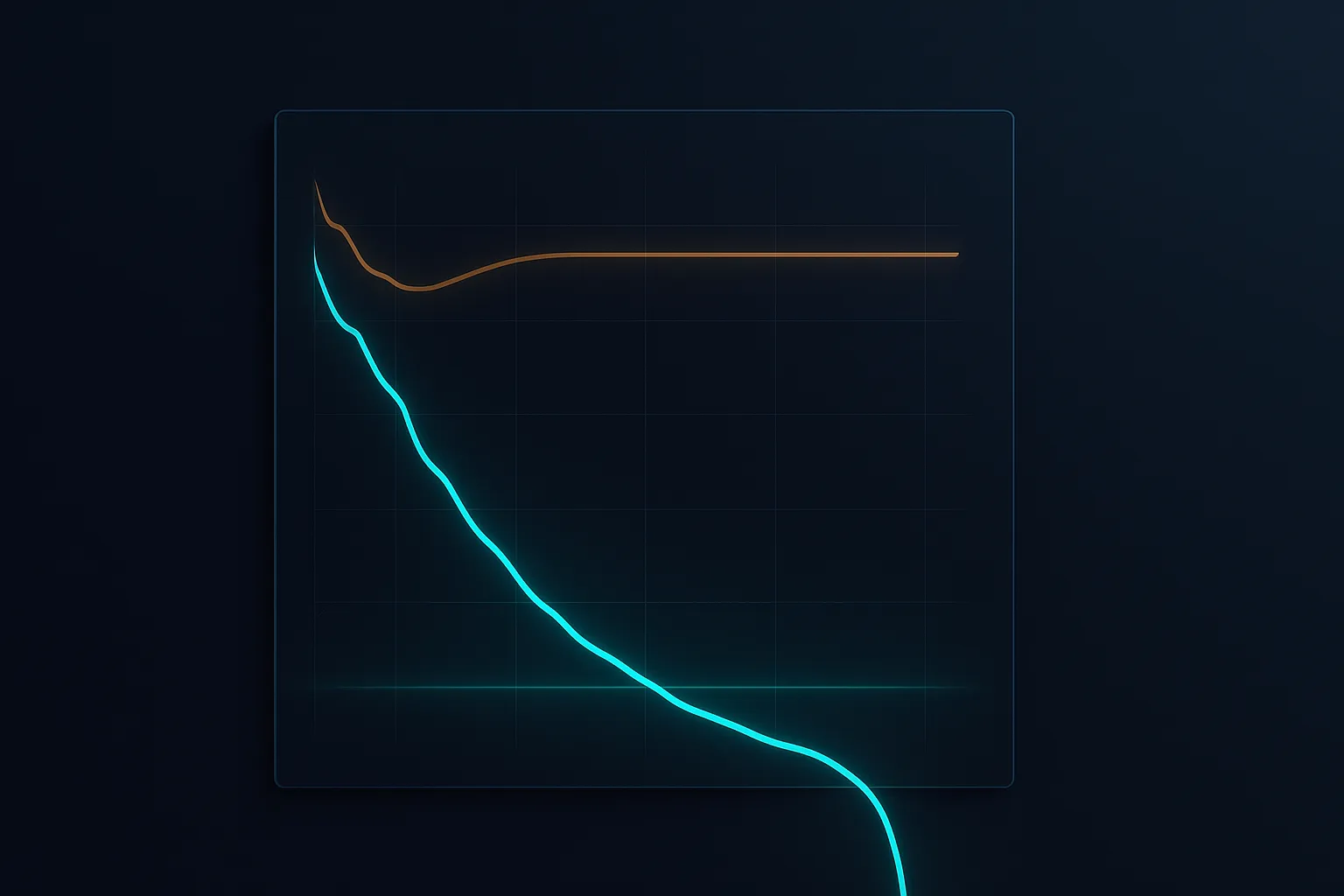
Roche just delivered the diabetes readout it promised for year-end — early. On September 22, the company reported that its dual GLP-1/GIP agonist enicepatide (CT-388) cut HbA1c by 2.65 percentage points and body weight by 15.5% at 48 weeks in adults with type 2 diabetes and overweight or obesity. Sixty-two percent of the top-dose group finished with blood sugar in the fully non-diabetic range.

This is the second major Phase 2 win for the molecule in four months, after the 22.5% placebo-adjusted weight loss it posted at ADA 2026 in people without diabetes. Here is what the new data says, how it stacks up against the tirzepatide numbers, and what it means if you are sourcing incretin peptides today.

The News: What Roche Reported

The data come from CT-388-104 (NCT06628362), a randomized, double-blind, placebo-controlled Phase 2 dose-finding trial that enrolled 447 adults with type 2 diabetes and overweight or obesity across four enicepatide dose arms plus placebo, dosed once weekly for 48 weeks (Roche press release, September 22, 2026).

At the highest dose, 24 mg once weekly:

Metric (24 mg, 48 wk) Result
HbA1c reduction (from 8.1% baseline) −2.65 percentage points
Reached HbA1c ≤6.5% (below diabetes threshold) 90%
Reached HbA1c <5.7% (non-diabetic range) 62%
HbA1c reduction in poorly controlled subgroup (baseline >8.5%) −4.13 points
Body weight reduction 15.5%, no plateau by week 48

The trial met both primary endpoints. Safety tracked the known incretin profile: gastrointestinal side effects were the most common and mostly mild to moderate, and 2.0% of enicepatide participants discontinued for adverse events versus 0% on placebo — a notably low dropout for this efficacy level. Roche reported no new safety signals (Healio, September 23, 2026).

"Enicepatide offers a potential best-in-disease profile capable of reducing and preventing complications," said Levi Garraway, Roche's chief medical officer, in the announcement.
Glucose control data visualization descending HbA1c curve

Why the Diabetes Numbers Matter More Than They Look

Weight loss drugs routinely underperform in diabetic populations — insulin resistance blunts the response, which is why every incretin drug posts smaller numbers in type 2 diabetes trials than in obesity-only trials. Semaglutide dropped from ~15% (STEP 1) to 9.6% (STEP 2, type 2 diabetes). Tirzepatide dropped from ~22.5% (SURMOUNT-1) to 15.7% (SURMOUNT-2).

Enicepatide posting 15.5% in a diabetic population at only 48 weeks — without plateauing — puts it at the top of that adjusted curve. And the glycemic side is arguably the stronger result: 62% of participants reaching normoglycemia means most of the top-dose arm ended the trial with blood sugar indistinguishable from someone without diabetes. That puts most of the top-dose arm in the nondiabetic blood-sugar range by week 48 — the profile Roche will carry into its cardiovascular outcomes program.

What This Means for You

The practical reality is unchanged from June: enicepatide is not buyable and will not be for years. No research-peptide vendor stocks it, and Roche's own timeline — Phase 3 glycemic and cardiovascular trials starting H1 2027 — points to approval no earlier than 2028-2029.

What the trial does is add a second independent confirmation of what the dual GLP-1/GIP receptor pair can do — a mechanism sold today as tirzepatide, and as one of three targets in retatrutide's design. Neither is FDA-approved in research-peptide or compounded form; vendors sell them labeled for research purposes, not as diabetes or weight-loss treatments. Current vendor pricing on the compounds in this mechanism family:

The Peptide Catalog earns a commission on vendor links in this article.

For sourcing walkthroughs, our tirzepatide buying guide and retatrutide buying guide compare vendors on price per mg, COA verification, and active coupons.
How the Trial Stacks Up

Cross-trial comparisons are directional — different durations, baselines, and populations — but the type-2-diabetes incretin landscape now reads like this:

Drug Class Weight Loss (T2D population) HbA1c Status
Semaglutide 2.4 mg GLP-1 9.6% (STEP 2, 68 wk) ~−1.6 pts Approved
Tirzepatide 15 mg GLP-1 + GIP 15.7% (SURMOUNT-2, 72 wk) ~−2.3 pts (SURPASS-2) Approved
Enicepatide 24 mg GLP-1 + GIP (biased) 15.5% (Phase 2, 48 wk, no plateau) −2.65 pts Phase 3
Retatrutide 12 mg GLP-1 + GIP + glucagon ~−2.0 pts (TRANSCEND-T2D) Phase 3, NDA pending

The read: enicepatide matched tirzepatide's diabetic-population weight loss in two-thirds the trial time and beat the commonly cited HbA1c reductions, while its discontinuation rate (2.0%) came in well under what incretins usually show at full titration. Whether the biased-signaling design — engineered to slow receptor desensitization, covered in depth in our ADA 2026 analysis — is what kept the curve falling at week 48 is the question Phase 3 has to answer.

For buyers, nothing here displaces the current hierarchy: retatrutide still holds the efficacy ceiling from TRIUMPH-1's 30% weight loss readout, and tirzepatide remains the proven, widely stocked dual-incretin route.

Laboratory vials pipeline three incretin drugs comparison

Roche's Path From Here

Roche is now running the obesity Phase 3 program (ENITH-1 and ENITH-2) and says the glycemic-control Phase 3 plus cardiovascular outcomes trials start in the first half of 2027. "These results reinforce our confidence in enicepatide and our ambition to rapidly advance its development," said Teresa Graham, CEO of Roche Pharmaceuticals.

The bigger strategic picture is unchanged from ADA: Roche wants to layer enicepatide's incretin engine on top of petrelintide's amylin mechanism — the same combination logic behind Novo Nordisk's CagriSema. A dual-incretin that takes 62% of a diabetic cohort to normal blood sugar makes that engine considerably more valuable, and it tightens the three-way race with Lilly's tirzepatide/retatrutide/orforglipron stack.

Research protocols for injectable GLP-1 class compounds typically specify bacteriostatic water, since vials from research vendors ship lyophilized.

30ml bacteriostatic water vial — 0.9% benzyl alcohol multi-dose
Bac Water Made for Peptides50% off
Don't risk a $300 peptide on generic bac water.
Most cloudy reconstitutions trace back to one thing — and it isn't the peptide. Sterile, non-pyrogenic, 0.9% benzyl alcohol — formulated for peptide reconstitution, not repackaged from generic stock.
0.9% benzyl alcohol Made for peptides 30 mL multi-dose
See why our bac water doesn't ruin peptides
Ships fast · 50% off with code thepeptidecatalog

Frequently Asked Questions

What did Roche's enicepatide diabetes trial show?
In the Phase 2 CT-388-104 trial (NCT06628362), 447 adults with type 2 diabetes and overweight or obesity took once-weekly enicepatide for 48 weeks. The 24 mg dose cut HbA1c by 2.65 percentage points from a baseline of 8.1% and produced 15.5% weight loss, with no plateau by week 48. About 90% of the 24 mg group reached HbA1c at or below 6.5%, and 62% reached the non-diabetic range below 5.7%.
How does enicepatide compare to tirzepatide in type 2 diabetes?
The numbers land in the same band. Tirzepatide 15 mg produced 15.7% weight loss over 72 weeks in SURMOUNT-2 (obesity plus type 2 diabetes) and about a 2.3-point HbA1c reduction in SURPASS-2. Enicepatide hit 15.5% and 2.65 points in 48 weeks — a shorter trial in a different population, so the comparison is directional, but the curve reportedly had not flattened.
Can I buy enicepatide from a research peptide vendor?
No. Enicepatide is an investigational Roche molecule and no research-chemical vendor stocks it. The accessible compounds in the same mechanism family are tirzepatide (dual GLP-1/GIP, the exact receptor pair) and retatrutide (GLP-1/GIP/glucagon triple agonist). Live vendor pricing is on our tirzepatide and retatrutide buyer pages.
When could enicepatide be approved?
Roche's ENITH-1 and ENITH-2 Phase 3 obesity trials are already running, and the company says the Phase 3 glycemic-control program and cardiovascular outcomes trials start in the first half of 2027. That points to a realistic approval window around 2028-2029 at the earliest, assuming Phase 3 confirms the Phase 2 data.