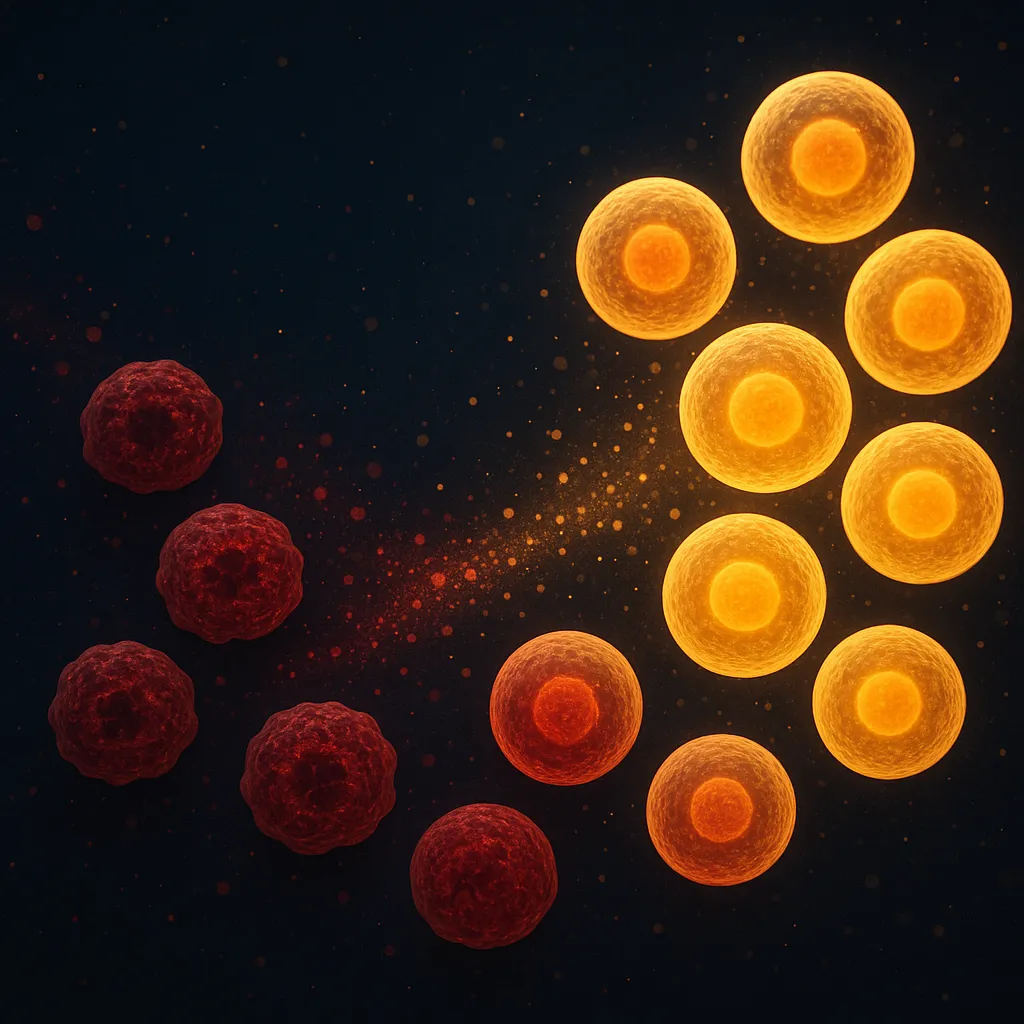
FOXO4-DRI is a senolytic peptide engineered to selectively destroy senescent cells — the damaged, non-dividing cells that accumulate with age and drive chronic inflammation, tissue dysfunction, and frailty. Developed at Erasmus University Medical Center, it made headlines in 2017 when treated aged mice showed restored organ function and physical rejuvenation.
This article covers six research-backed benefits of FOXO4-DRI, ranked by evidence strength. Every claim is tied to a published study.
Critical caveat: All FOXO4-DRI data comes from animal models and cell culture. No human clinical trials have been conducted or published. The effects described below may not translate to humans. Treat this as a research summary, not a guide to expected outcomes.
Table of Contents
How FOXO4-DRI Works
As cells age or sustain irreparable DNA damage, they enter a state called cellular senescence — they stop dividing but resist death. In small numbers, senescence is protective. But with aging, the immune system fails to clear these cells efficiently, and they accumulate in tissues throughout the body.
Senescent cells secrete a toxic mix of inflammatory cytokines, proteases, and growth factors called the Senescence-Associated Secretory Phenotype (SASP). The SASP damages surrounding tissue, drives chronic inflammation, and converts neighboring healthy cells into senescent ones (van Deursen, 2014).
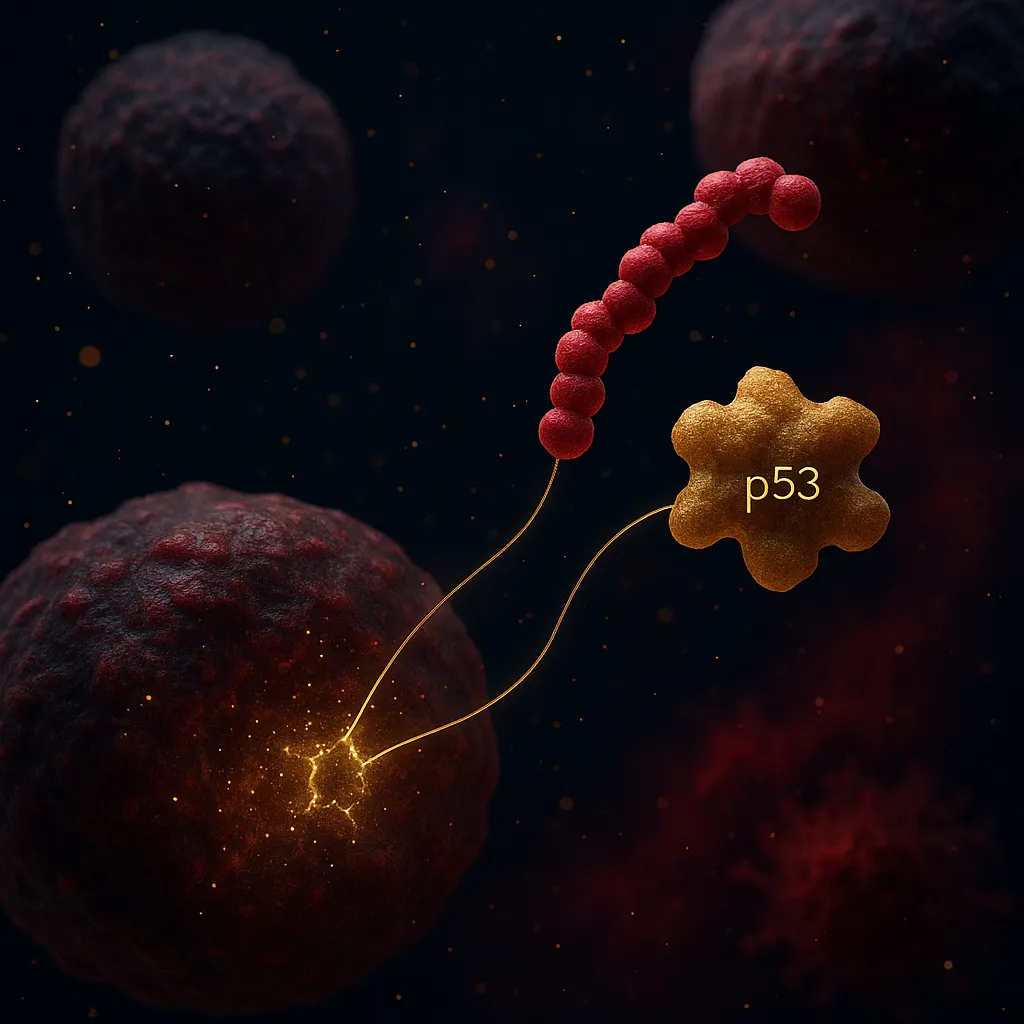
FOXO4-DRI exploits a survival dependency unique to senescent cells. In these cells, the transcription factor FOXO4 is highly upregulated and physically sequesters the tumor suppressor p53 in nuclear foci, preventing p53 from triggering apoptosis. FOXO4-DRI — a D-retro-inverso peptide made from protease-resistant D-amino acids — competitively displaces endogenous FOXO4 from p53, freeing p53 to activate its apoptotic program selectively in senescent cells (Baar et al., 2017).
The result is targeted destruction of senescent cells with minimal impact on healthy tissue. In the original study, FOXO4-DRI showed 11.73-fold selectivity for senescent versus non-senescent human fibroblasts.
For protocol details, see our FOXO4-DRI Dosing Guide.
1. Senescent Cell Clearance
Evidence: Animal + In Vitro | Quality: Strong (for preclinical)
The core benefit of FOXO4-DRI is selective elimination of senescent cells. This is the mechanism from which all other benefits derive.
In the landmark 2017 study, FOXO4-DRI selectively induced apoptosis in senescent human fibroblasts (IMR90 cell line) while sparing non-senescent cells at an 11.73-fold selectivity ratio. The peptide disrupted FOXO4-p53 co-localization at PML nuclear bodies, releasing p53 to translocate to the mitochondria and trigger the intrinsic apoptosis pathway (Baar et al., 2017).
This selectivity is what distinguishes FOXO4-DRI from broader senolytic approaches. Dasatinib + quercetin, the most studied senolytic combination, works through different anti-apoptotic pathways (SCAPs) and does not specifically target the FOXO4-p53 axis. FOXO4-DRI's mechanism is more precisely targeted to the molecular signature of cellular senescence.
Subsequent studies confirmed senolytic activity in additional cell types including chondrocytes, Leydig cells, keloid fibroblasts, and endothelial cells — demonstrating that the FOXO4-p53 dependency is a conserved feature across multiple senescent cell populations.
Practical takeaway: FOXO4-DRI's senolytic mechanism is well-established in cell culture and animal models. The selectivity data is compelling for a preclinical compound. Whether this selectivity holds across all human tissue types in vivo remains unconfirmed.
2. Kidney and Liver Function Restoration
Evidence: Animal | Quality: Moderate-Strong
In both fast-aging (XpdTTD/TTD) and naturally aged (24-month-old) wild-type mice, FOXO4-DRI treatment restored kidney function as measured by plasma creatinine and urea levels. Liver function markers also improved in the fast-aging mouse model (Baar et al., 2017).
These improvements correlated with reduced senescent cell burden in renal and hepatic tissue. The kidneys and liver are particularly vulnerable to senescent cell accumulation because of their high metabolic activity and constant exposure to circulating toxins.
The fast-aging XpdTTD/TTD mice showed more dramatic improvements, likely because they had a higher baseline senescent cell load. In naturally aged mice, the renal function improvements were statistically significant but more modest — a pattern consistent with the lower but still meaningful senescent cell burden in normal aging.
Practical takeaway: Organ function restoration is one of the most clinically relevant potential benefits. Kidney function decline is a major driver of aging-related morbidity. However, these results are from mice with defined genetic backgrounds, and human kidneys differ in important ways from murine kidneys.
3. Physical Rejuvenation
Evidence: Animal | Quality: Moderate
The most visually striking result from the Baar et al. study was the physical transformation of treated mice. Fast-aging XpdTTD/TTD mice treated with FOXO4-DRI showed restored fur density and improved coat condition — a widely shared image that generated significant public interest (Baar et al., 2017).
Beyond cosmetic changes, treated mice showed increased running wheel activity and improved overall fitness measures. These functional improvements suggest that senescent cell clearance doesn't just change biomarkers — it translates to measurable physical performance gains in aged animals.
The commentary accompanying the original paper highlighted these results as evidence that senescent cell elimination could produce systemic rejuvenation rather than isolated organ-specific improvements (Krimpenfort & Berns, 2017).
Practical takeaway: Physical rejuvenation in mice is encouraging but must be interpreted cautiously. Mouse fur regrowth and running wheel activity don't directly map to human outcomes. The frailty reduction signal is more translationally relevant, as frailty is a recognized clinical syndrome in aging humans.

4. Testosterone Recovery in Aged Mice
Evidence: Animal | Quality: Moderate
Zhang et al. (2020) demonstrated that FOXO4-DRI could alleviate age-related testosterone secretion insufficiency by targeting senescent Leydig cells in aged mice. Leydig cells in the testes are responsible for testosterone production, and their senescence contributes to the age-related decline in testosterone levels (Zhang et al., 2020).
The study found that FOXO4 localizes predominantly in the cytoplasm of Leydig cells in young mice but translocates to the nucleus in aged animals — the same FOXO4-p53 sequestration pattern seen in other senescent cell types. FOXO4-DRI treatment improved the testicular microenvironment and partially restored testosterone levels in naturally aged mice.
This is particularly interesting because it demonstrates FOXO4-DRI's senolytic activity extends to endocrine tissues and can restore hormonal function, not just structural tissue integrity.
Practical takeaway: Age-related testosterone decline is a widespread clinical concern. The finding that senescent cell clearance in the testes can partially restore testosterone production suggests a novel mechanism for addressing late-onset hypogonadism. This remains preclinical only.
5. Chondrocyte Rejuvenation
Evidence: In Vitro (Human Cells) | Quality: Moderate
Zhu et al. (2021) showed that FOXO4-DRI selectively removed senescent cells from in vitro expanded human chondrocytes. When chondrocytes are cultured and expanded for autologous chondrocyte implantation (a cartilage repair procedure), they accumulate senescent cells that reduce the quality of engineered cartilage tissue (Zhu et al., 2021).
Treatment with FOXO4-DRI significantly reduced SA-beta-gal staining (a senescence marker) and decreased senescence-associated secretory factor expression. The treated cell populations showed improved characteristics for cartilage tissue engineering.
This study is notable because it used human cells (not mouse cells), providing evidence that FOXO4-DRI's mechanism functions in human biology — at least in a cell culture context.
Practical takeaway: This is in vitro data, not in vivo. But it demonstrates FOXO4-DRI works on human senescent cells and has potential applications in regenerative medicine beyond systemic aging.
6. Vascular Function Improvement
Evidence: Animal + In Vitro | Quality: Emerging
A 2025 study demonstrated that FOXO4-DRI regulates endothelial cell senescence via the p53 signaling pathway and improves vascular function in aged mice. Injection of FOXO4-DRI in both naturally aged and induced-aging mice suppressed aortic aging and improved aortic function while alleviating endothelial cell senescence (PMID: 41625068).
The study confirmed that FOXO4-DRI disrupts FOXO4-p53 binding in endothelial cells, facilitating phosphorylated p53 nuclear exclusion and triggering the BAX/caspase-3 apoptotic cascade specifically in senescent endothelial cells.
Vascular aging is a root cause of cardiovascular disease, the leading cause of death globally. Endothelial cell senescence drives arterial stiffness, atherosclerosis, and impaired vasodilation. If FOXO4-DRI can reverse these changes, the clinical implications would be significant.
Practical takeaway: This is the newest FOXO4-DRI research and extends the senolytic benefits to the vascular system. Cardiovascular relevance gives this benefit high translational potential, but it remains preclinical.
Evidence Summary
| Benefit |
Evidence Type |
Model |
Quality |
Key Study |
| Senescent cell clearance |
Animal + In vitro |
Mouse, human fibroblasts |
Strong (preclinical) |
Baar et al., 2017 |
| Kidney/liver restoration |
Animal |
Fast-aging + aged mice |
Moderate-Strong |
Baar et al., 2017 |
| Physical rejuvenation |
Animal |
Fast-aging mice |
Moderate |
Baar et al., 2017 |
| Testosterone recovery |
Animal |
Aged mice |
Moderate |
Zhang et al., 2020 |
| Chondrocyte rejuvenation |
In vitro |
Human chondrocytes |
Moderate |
Zhu et al., 2021 |
| Vascular improvement |
Animal + In vitro |
Aged mice, endothelial cells |
Emerging |
2025 |
No benefit has human clinical trial evidence. Every effect listed above is from animal models or cell culture. This is an important limitation that distinguishes FOXO4-DRI from peptides with at least some human data (like epitalon or MOTS-c).
What FOXO4-DRI Does NOT Do
Based on current evidence, FOXO4-DRI does not:
- Replace exercise or nutrition — Senescent cell clearance does not substitute for the hundreds of other mechanisms through which healthy habits protect against aging
- Kill cancer cells directly — While some research explores FOXO4-DRI in cancer contexts, it is not an anti-cancer therapy. Its mechanism targets senescent cells, not actively proliferating tumor cells
- Work as a daily longevity supplement — FOXO4-DRI is administered in short, intermittent courses, not continuously. The "hit-and-clear" model requires rest periods for immune processing
- Guarantee human results — No compound that has only been tested in mice should be assumed to work identically in humans. Species-specific differences in senescence biology are real
Dosing Context
FOXO4-DRI protocols are extrapolated entirely from preclinical research. For those exploring this compound:
| Benefit Target |
Community Protocol |
Notes |
| General senescent cell clearance |
2-5 mg/kg, 3 days on / 4 days off, 3-6 cycles |
From Baar et al. mouse dose |
| Organ function support |
Same as above |
No organ-specific dosing exists |
| Longevity/maintenance |
1-2 courses per year with 3-6 month rest periods |
Entirely speculative |
For complete protocol details, reconstitution instructions, and cost analysis, see our FOXO4-DRI Dosing Guide.
Who Should Consider FOXO4-DRI
FOXO4-DRI occupies a unique position in the longevity peptide space. It may be worth researching further if you:
- Are interested in senolytic approaches and want a peptide-based option rather than pharmaceutical senolytics (dasatinib + quercetin)
- Are focused on aging biology rather than acute performance or body composition goals
- Understand the evidence limitations and are comfortable with a compound that has strong preclinical data but zero human trials
- Have the budget — FOXO4-DRI is one of the most expensive peptide protocols due to high per-kg dosing and costly D-amino acid synthesis
FOXO4-DRI is not appropriate if you're looking for rapid, noticeable results or have a low risk tolerance for experimental compounds. Other longevity peptides like epitalon or MOTS-c have more human-relevant data, even if their senolytic mechanisms are less direct.
FAQ
Q: What are the proven benefits of FOXO4-DRI?
FOXO4-DRI has demonstrated selective senescent cell clearance, kidney and liver function restoration, fur regrowth, testosterone recovery, chondrocyte rejuvenation, and vascular function improvement — all in animal models or cell culture. No human clinical trials have been conducted.
Q: Does FOXO4-DRI work in humans?
There are no published human clinical trials for FOXO4-DRI. All evidence comes from mouse studies and in vitro experiments. Community reports exist but are anecdotal and uncontrolled.
Q: How is FOXO4-DRI different from other senolytics?
FOXO4-DRI targets the FOXO4-p53 interaction specific to senescent cells, offering a more selective mechanism than broad-spectrum senolytics like dasatinib + quercetin. Its D-retro-inverso design also provides protease resistance.
Q: Can FOXO4-DRI reverse aging?
In aged mice, FOXO4-DRI restored kidney function, improved fitness, and reversed fur loss. Whether these effects translate to humans is unknown. Calling it an aging reversal compound is premature without human data.
Q: Is FOXO4-DRI safe?
No human safety data exists. In mouse studies, FOXO4-DRI was well tolerated at therapeutic doses. Theoretical concerns include off-target cell effects, immune burden from rapid senescent cell clearance, and interference with wound healing.
References
-
Baar MP, Brandt RMC, Putavet DA, et al. Targeted apoptosis of senescent cells restores tissue homeostasis in response to chemotoxicity and aging. Cell. 2017;169(1):132-147.e16. PMID: 28340339
-
van Deursen JM. The role of senescent cells in ageing. Nature. 2014;509(7501):439-446. PMID: 24848057
-
Krimpenfort P, Berns A. Rejuvenation by therapeutic elimination of senescent cells. Cell. 2017;169(1):3-5. PMID: 28340347
-
Zhang C, Xie Y, Chen H, et al. FOXO4-DRI alleviates age-related testosterone secretion insufficiency by targeting senescent Leydig cells in aged mice. Aging. 2020;12(2):1272-1284. PMID: 31959736
-
Zhu Y, et al. Senolytic peptide FOXO4-DRI selectively removes senescent cells from in vitro expanded human chondrocytes. Front Bioeng Biotechnol. 2021;9:677576. PMID: 33996787
-
Kong L, et al. FOXO4-DRI induces keloid senescent fibroblast apoptosis by promoting nuclear exclusion of upregulated p53-serine 15 phosphorylation. Commun Biol. 2025;8:299. PMID: 39994346
-
FOXO4-DRI regulates endothelial cell senescence via the P53 signaling pathway. Front Bioeng Biotechnol. 2025;13:1729166. PMID: 41625068
Last updated: March 25, 2026. This article is for educational and informational purposes only. FOXO4-DRI is a research compound with no approved medical use and no human clinical trials. Nothing here constitutes medical advice. Always consult a qualified healthcare provider before using any research compound.