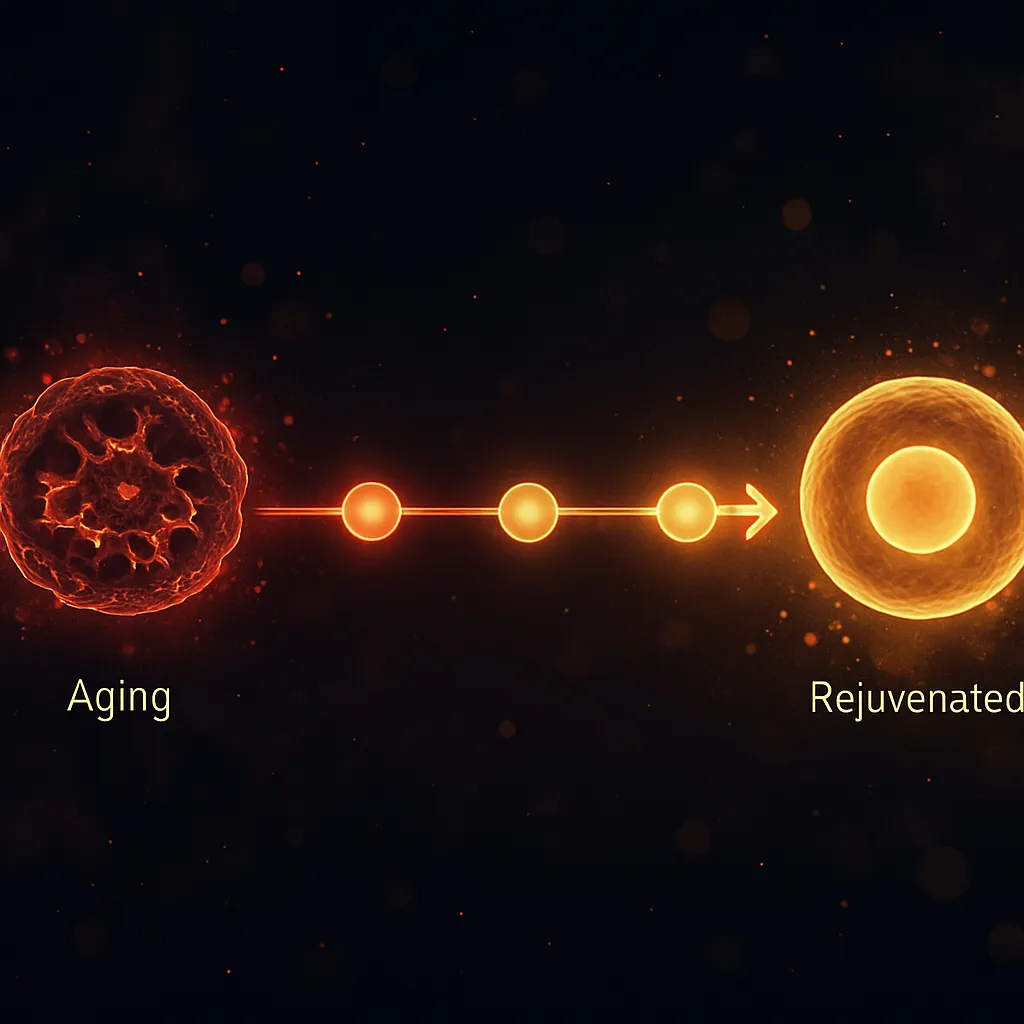
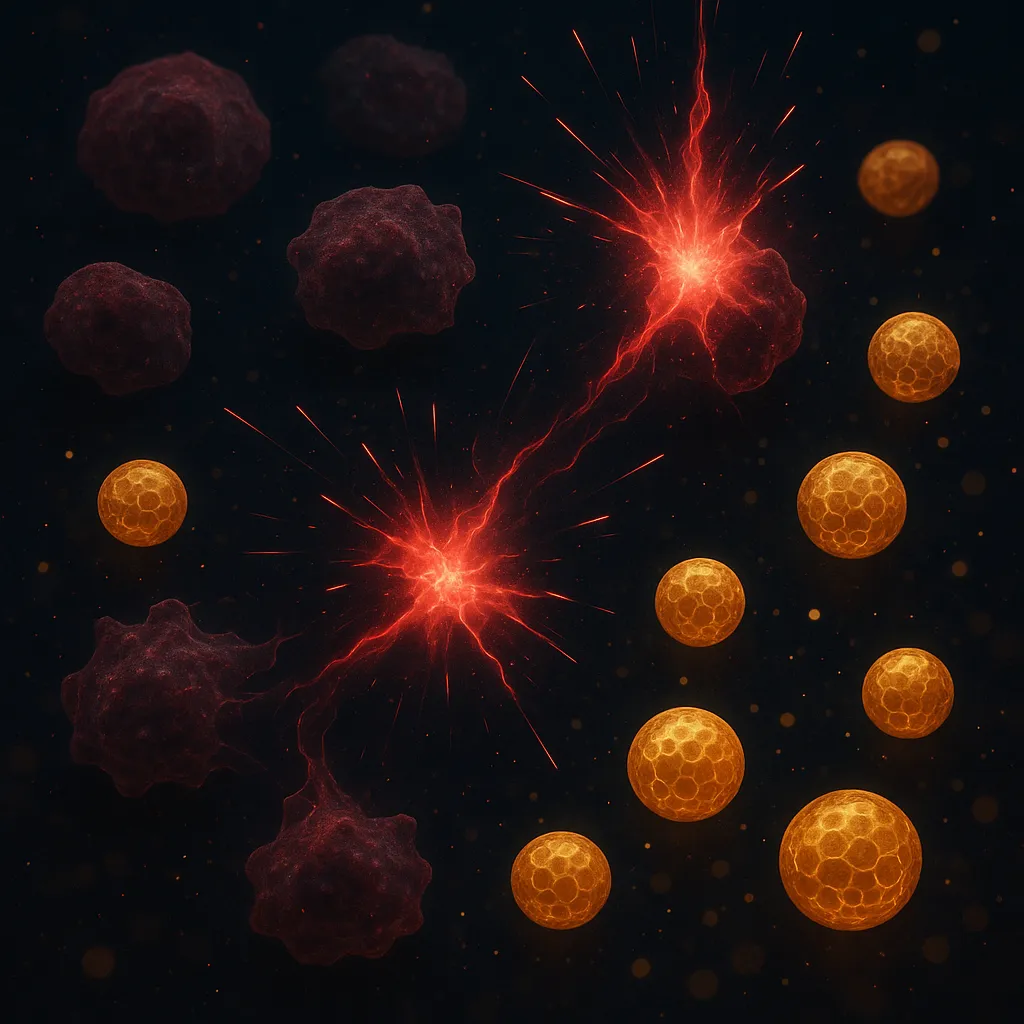
Weeks 2-3: Early Clearance Phase
What the research suggests:
In the Baar et al. study, effects in fast-aging mice were observable within 10-14 days of treatment initiation. Improved running wheel activity and early signs of fur restoration were the earliest measurable endpoints (Baar et al., 2017).
By weeks 2-3, the immune system has had time to clear the initial wave of apoptotic senescent cells. SASP factor levels should begin declining in tissues where clearance was successful. This reduction in chronic inflammatory signaling is likely responsible for the earliest subjective improvements.
What community members commonly report:
- Improved energy levels and reduced baseline fatigue (the most commonly cited early change)
- Better recovery from exercise or physical activity
- Mild improvements in sleep quality
- Subtle skin quality changes (some report smoother texture or improved tone)
- Reduced general achiness or joint stiffness
What community members probably will NOT notice:
- Dramatic physical transformation
- Measurable organ function improvements on standard bloodwork
- Significant cognitive enhancement
- Visible hair or skin rejuvenation
Realistic expectation: If FOXO4-DRI is producing effects, weeks 2-3 is when the earliest subjective signals might emerge. These will be subtle. Many users report nothing noticeable during this window, and that doesn't necessarily mean the compound isn't working — senescent cell clearance is a biological process, not a feeling.

Weeks 4-6: Post-Course Assessment
What the research suggests:
Most community protocols complete 3-6 weekly injection cycles by this point. In mice, the benefits of FOXO4-DRI continued to develop after the treatment period ended, as tissue remodeling and functional recovery are ongoing processes (Baar et al., 2017).
The Zhang et al. study on Leydig cells found that testosterone recovery in aged mice required weeks of tissue microenvironment improvement following senescent cell clearance (Zhang et al., 2020).
What community members commonly report:
- Sustained energy improvements that persist after stopping injections
- Improved exercise tolerance and recovery
- Some report improved skin elasticity and reduced fine lines (subjective)
- Occasional reports of improved bloodwork markers (inflammatory markers, kidney function)
- Joint comfort improvements, particularly in those with pre-existing stiffness
What to monitor:
This is an appropriate time for follow-up bloodwork. A comprehensive metabolic panel (CMP) can assess kidney and liver function markers — the two organ systems with the strongest preclinical evidence. Inflammatory markers (CRP, ESR) may also provide signal.
Realistic expectation: Weeks 4-6 represent the first meaningful assessment window. If there are benefits, they should be at least subtly apparent by now. When a full course produces nothing noticeable, additional courses may or may not change the outcome — there's no data to guide that decision.
Months 2-6: Rest Period and Potential Continued Effects
What the research suggests:
Senescent cell clearance is not a one-time event with an immediate endpoint. Once senescent cells are removed, the downstream benefits continue to develop as:
- SASP-driven inflammation progressively resolves
- Stem cell niches, previously suppressed by SASP factors, may reactivate
- Tissue remodeling and repair processes engage in cleared areas
- The paracrine senescence cascade (where SASP converts healthy cells to senescent ones) is interrupted
In mouse models, improvements in kidney function and physical fitness persisted and in some cases continued to develop during the weeks following treatment cessation (Baar et al., 2017).
What community members commonly report:
- Sustained or gradually improving energy levels
- Continued skin quality improvements
- Stable or improving bloodwork markers
- Some report a general sense of improved resilience and well-being
- A subset report minimal or no lasting changes
Realistic expectation: The rest period between courses (typically 3-6 months) is part of the protocol, not downtime. The biological processes initiated by senescent cell clearance continue during this window. New senescent cells will also accumulate during this time, which is why subsequent courses are discussed.
Subsequent Courses
Community protocols typically include 1-2 courses per year, with each course consisting of 3-6 weekly cycles. The rationale is:
- First course: Addresses the existing senescent cell burden. If the individual has significant accumulation (older age, chronic disease, prior chemotherapy), the first course may produce the most noticeable effects
- Subsequent courses: Target newly accumulated senescent cells. Effects may be less dramatic than the first course if the initial burden was substantially reduced
- Maintenance: Some community protocols transition to once-yearly courses for ongoing senescent cell management
There is no research to validate this approach. The optimal frequency, duration, and total number of courses for humans is entirely unknown.
Factors That Affect Results
Age and Senescent Cell Burden
Senescent cells accumulate exponentially with age. A 30-year-old likely has far fewer senescent cells than a 60-year-old, which means:
- Younger individuals may notice less from FOXO4-DRI simply because there are fewer target cells to clear
- Older individuals or those with conditions associated with accelerated senescence (chronic inflammation, metabolic syndrome, prior chemotherapy) may have more to gain — and more pronounced initial side effects from a larger clearance event
Overall Health and Immune Function
The immune system must clear apoptotic cells after FOXO4-DRI triggers their death. Individuals with compromised immune function may process this debris less efficiently, potentially experiencing more prolonged side effects and delayed benefits.
Protocol Adherence
FOXO4-DRI's D-amino acid structure provides extended stability, but the intermittent dosing schedule (3 days on, 4 days off) is designed around the biology of clearance and recovery. Inconsistent dosing or inadequate rest periods may reduce effectiveness.
Lifestyle Factors
Exercise, nutrition, sleep, and stress management all influence the rate of senescent cell accumulation and the body's capacity for tissue repair. FOXO4-DRI removes existing senescent cells but does nothing to prevent new ones from forming. Lifestyle factors that reduce oxidative stress and DNA damage will support longer-lasting results.
Dose
Community protocols range from 2-5 mg/kg. Whether higher doses produce better results is unknown. The mouse study used 5 mg/kg (IV), but community protocols use subcutaneous injection with unknown bioavailability differences. See our FOXO4-DRI Dosing Guide for protocol details.
Timeline by Potential Benefit
| Benefit |
Earliest Signal |
Meaningful Assessment |
Notes |
| Energy/fatigue |
Weeks 1-2 |
Weeks 3-4 |
Most commonly reported early change |
| Exercise recovery |
Weeks 2-3 |
Weeks 4-6 |
Requires active training to assess |
| Skin quality |
Weeks 3-4 |
Months 2-3 |
Subjective; photograph comparison recommended |
| Joint comfort |
Weeks 2-4 |
Months 1-2 |
Based on chondrocyte data extrapolation |
| Bloodwork changes |
Weeks 4-6 |
Months 2-3 |
CMP, inflammatory markers |
| Hormonal changes |
Months 1-2 |
Months 3-6 |
Based on Leydig cell mouse data |
All timelines above are speculative. They are extrapolated from animal study endpoints and community discussion. Do not use this table as a guarantee of when specific effects will appear.
When to Assess the Protocol
Signs the protocol may be producing effects:
- Sustained improvement in energy and fatigue levels (not just day-to-day fluctuation)
- Improved bloodwork markers, particularly kidney function (creatinine, BUN) and inflammatory markers (CRP)
- Better exercise tolerance and recovery that persists beyond the active dosing period
- Subjective improvements in skin, joint comfort, or general well-being that persist during the rest period
Signs to reassess:
- No subjective changes after completing a full course (3-6 cycles)
- Persistent or worsening side effects beyond the first 1-2 weeks
- Bloodwork markers that worsen rather than improve
- Side effects that suggest immune compromise or infection
When to stop:
- Severe or unexpected adverse reactions
- Signs of infection or immune dysfunction
- Any concerning bloodwork changes
- If a healthcare provider advises discontinuation
There are no established criteria for success or failure with FOXO4-DRI. The absence of human clinical data means every individual is essentially running an n=1 experiment.