guidesFebruary 21, 2026The Peptide Catalog

FOXO4-DRI Dosing Guide: Senolytic Protocols (2026)

Complete FOXO4-DRI dosing guide covering senolytic protocols, cycling, reconstitution, and anti-aging research — with verified sources.

FOXO4-DRI Dosing Guide

FOXO4-DRI is a first-in-class senolytic peptide designed to selectively eliminate senescent cells — the damaged, non-dividing "zombie cells" that accumulate with age and drive chronic inflammation, tissue dysfunction, and age-related disease. Developed by researchers at Erasmus University Medical Center in the Netherlands, FOXO4-DRI made headlines in 2017 when it was shown to reverse aspects of aging in mice by clearing these cells from tissues.

No human clinical trials exist for FOXO4-DRI. Everything below is extrapolated from preclinical animal research and community experience. This is not medical advice. FOXO4-DRI remains an experimental research compound.

Quick Reference: Community Protocols

If you're here for the practical numbers, here's what the research community typically discusses:

ParameterCommunity Protocol
Dose2–5 mg/kg body weight
RouteSubcutaneous injection
Frequency3 days on, 4 days off
Cycle3–6 cycles (3–6 weeks)
Rest period3–6 months between courses
Vial size10 mg or 50 mg
ReconstitutionBacteriostatic water (see below)
StorageRefrigerate 2–8°C; use within 14–21 days

Example for a 75 kg individual at 3 mg/kg: 225 mg per injection day, or 675 mg per weekly cycle. This makes FOXO4-DRI one of the most expensive peptide protocols due to both the high dose-per-kg and the cost of D-amino acid synthesis.

For the full FOXO4-DRI peptide profile, vendor pricing, and research overview, see our FOXO4-DRI peptide page.

⚠️ Important: These doses are derived from mouse studies. Allometric scaling from mice to humans is not straightforward, and no human pharmacokinetic data exists. The community protocols above are speculative.

How FOXO4-DRI Works

To understand why FOXO4-DRI is generating excitement in the longevity research space, you need to understand the problem it targets: cellular senescence.

The Senescent Cell Problem

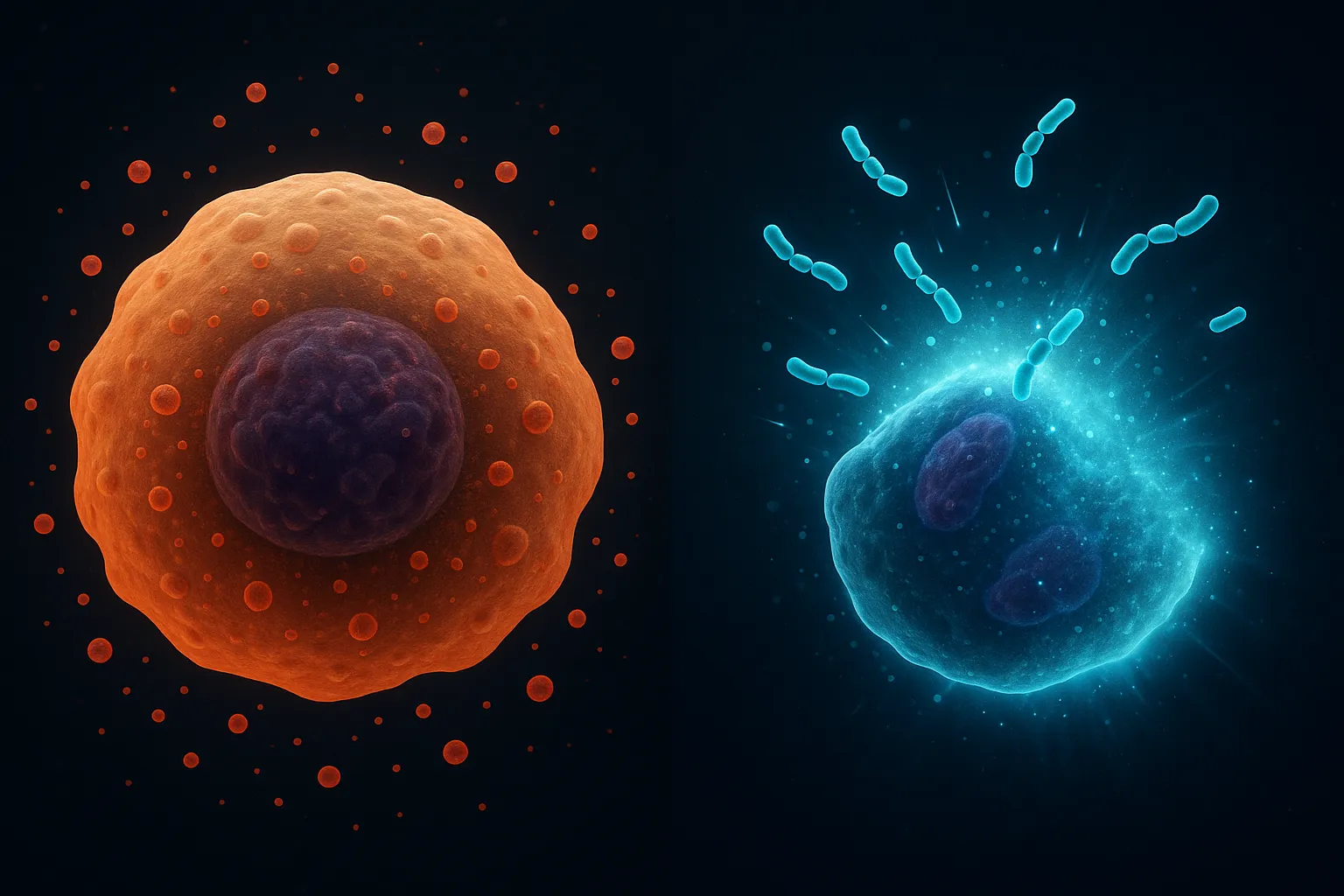
As we age, cells that sustain irreparable DNA damage enter a state called cellular senescence — they stop dividing but refuse to die. In small numbers, this is a protective mechanism that prevents damaged cells from becoming cancerous. The immune system normally clears senescent cells over time.

The problem is that this clearance system deteriorates with age. Senescent cells accumulate in tissues — skin, joints, kidneys, vasculature, brain — and begin secreting a toxic cocktail of inflammatory cytokines, proteases, and growth factors known as the Senescence-Associated Secretory Phenotype (SASP). The SASP damages surrounding healthy tissue, drives chronic inflammation ("inflammaging"), and even converts neighboring cells into senescent cells in a paracrine cascade.

Research increasingly links senescent cell accumulation to age-related conditions including osteoarthritis, atherosclerosis, pulmonary fibrosis, kidney dysfunction, cognitive decline, and frailty (van Deursen, 2014 — PMID: 24954210).

The FOXO4-p53 Axis

Here's the elegant biology behind FOXO4-DRI. In senescent cells, the transcription factor FOXO4 is highly upregulated. FOXO4 physically binds to and sequesters the tumor suppressor p53 within nuclear foci called PML (promyelocytic leukemia) bodies. This interaction is critical for senescent cell survival — it prevents p53 from activating its normal pro-apoptotic program.

In non-senescent cells, FOXO4 is not upregulated in the same way, so this interaction doesn't play a significant survival role. This creates a selectivity window: disrupting the FOXO4-p53 interaction disproportionately impacts senescent cells while leaving healthy cells unharmed.

How the Peptide Exploits This

FOXO4-DRI is a D-retro-inverso (DRI) version of a 49-amino-acid segment from the FOXO4 protein's p53-binding domain. "D-retro-inverso" means:

The DRI peptide competitively binds to p53, displacing endogenous FOXO4. This frees p53 to translocate from PML bodies to the mitochondria, where it triggers the intrinsic apoptosis pathway — specifically in senescent cells where the FOXO4-p53 interaction is a survival dependency (Baar et al., 2017 — PMID: 28340339).

FOXO4-DRI Mechanism of Action

The result: selective elimination of senescent cells without the broad cytotoxicity associated with chemotherapy-derived senolytics like dasatinib + quercetin.

🧪

Ready to Buy? Compare Prices

Best current prices from verified vendors with COA testing.

FOXO4-DRI

Particle Peptides · 10mg · $17.48/mgCOA ✓

$174.79
💰

The Peptide Brief

Weekly price drops, new research, and vendor deals — straight to your inbox.

No spam. Unsubscribe anytime.

Protocol & Cycling

The Mouse-to-Human Extrapolation Problem

In the Baar et al. study, mice received FOXO4-DRI at 5 mg/kg via intravenous injection, administered on alternating days over roughly 3 weeks. The results were striking — treated aged mice showed restored fur density, improved kidney function, increased fitness, and reduced markers of senescence.

However, translating mouse doses to human doses is complex. Simple allometric scaling (using the FDA's body surface area conversion factor of ~12.3) would suggest a human-equivalent dose far lower than 5 mg/kg. Community protocols that use 2–5 mg/kg in humans are using the direct mg/kg number from mice without allometric correction — a deliberate choice by early adopters based on the rationale that FOXO4-DRI's peptide nature and D-amino acid structure may alter pharmacokinetics in ways standard scaling doesn't capture.

Typical Cycling Pattern

The most commonly discussed community protocol follows an intermittent schedule:

Week Structure:

Course Structure:

The rationale for intermittent dosing is twofold: (1) senescent cell clearance appears to be a "hit-and-clear" process — once apoptosis is triggered, the immune system needs time to phagocytose debris; (2) pulsed administration may reduce the risk of off-target effects on non-senescent cells.

Dose Titration

Given the lack of human data, conservative community approaches often start at the low end:

Research Context

The Baar et al. 2017 Landmark Study

The foundational paper — "Targeted Apoptosis of Senescent Cells Restores Tissue Homeostasis in Response to Chemotoxicity and Aging" — was published in Cell in March 2017 by Marjolein Baar, Peter de Keizer, and colleagues at Erasmus MC (Baar et al., 2017 — PMID: 28340339).

Key findings:

This paper was accompanied by a commentary titled "Rejuvenation by Therapeutic Elimination of Senescent Cells" (Krimpenfort & Berns, 2017 — PMID: 28340347), highlighting the significance of the approach.

Subsequent Studies

Leydig cell aging (2020): Zhang et al. demonstrated that FOXO4-DRI alleviates age-related testosterone secretion insufficiency by targeting senescent Leydig cells in aged mice. Treatment improved the testicular microenvironment and partially restored testosterone levels (Zhang et al., 2020 — PMID: 31959736).

Chondrocyte senescence (2021): Zhu et al. showed that FOXO4-DRI selectively removed senescent cells from in vitro expanded human chondrocytes, reducing SA-β-gal staining and improving culture quality — with implications for cartilage repair therapies (Zhu et al., 2021 — PMID: 33996787).

Molecular modeling (2021): Cha et al. used molecular modeling of the FOXO4-TP53 interaction to design improved senolytic peptides, building on the FOXO4-DRI scaffold for potential cancer applications (Cha et al., 2021 — DOI: 10.1016/j.eclinm.2021.101146).

Reconstitution Guide

FOXO4-DRI comes as a lyophilized (freeze-dried) powder and must be reconstituted before injection.

FOXO4-DRI Reconstitution Guide

Step-by-Step Reconstitution

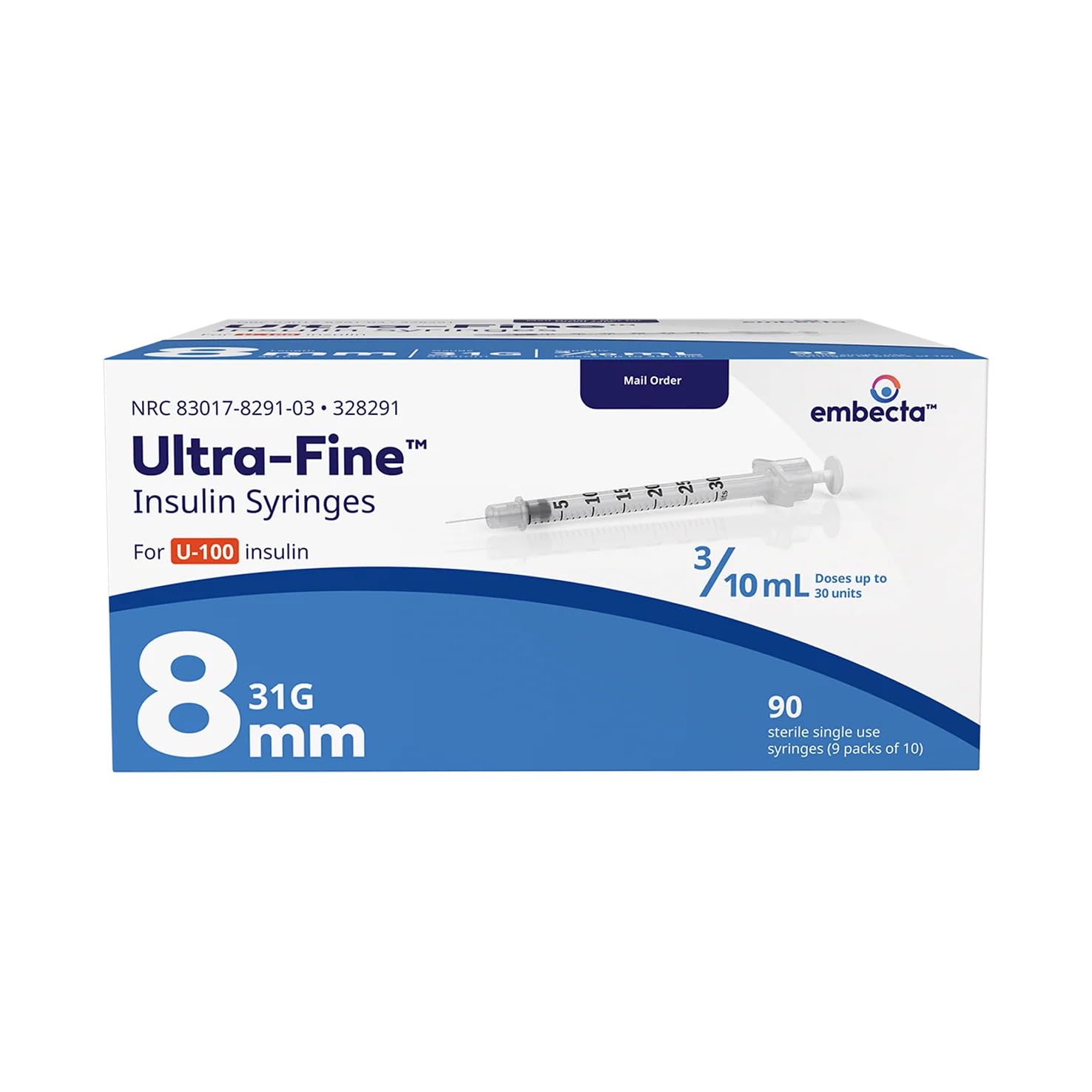
  1. Gather materials: FOXO4-DRI vial, bacteriostatic water (BAC water), alcohol swabs, insulin syringes (1 mL / 100 unit)
  2. Clean the vial stoppers with alcohol swabs
  3. Draw the desired volume of BAC water into the syringe
  4. Inject slowly into the FOXO4-DRI vial, directing the stream against the glass wall — not directly onto the powder
  5. Swirl gently — do not shake. FOXO4-DRI is a large peptide and can denature with aggressive agitation
  6. Allow to dissolve completely (may take 5–10 minutes). The solution should be clear and colorless
  7. Label the vial with the date, concentration, and contents

Concentration Math

Due to the high doses required for FOXO4-DRI, reconstitution volumes are typically kept low to minimize injection volume:

Vial SizeBAC WaterConcentration225 mg dose (75 kg × 3 mg/kg)
50 mg1 mL50 mg/mL4.5 mL (multiple injections)
50 mg0.5 mL100 mg/mL2.25 mL

Practical note: At the doses commonly discussed (150–375 mg per injection for an average adult), even concentrated solutions require large injection volumes. This is one of the practical limitations of FOXO4-DRI. Some community members split doses across 2–3 injection sites per session.

Storage

Side Effects & Safety

Reported Community Side Effects

Based on anecdotal community reports (no formal adverse event tracking exists):

Theoretical Concerns

Contraindications (Theoretical)

Given the complete absence of human safety data, the following are precautionary:

Stacking With Other Longevity Peptides

Some community protocols combine FOXO4-DRI with other longevity-focused compounds. None of these combinations have been studied — stacking is entirely speculative.

Common Discussed Stacks

FOXO4-DRI + Epitalon: Epitalon (Epithalon) is a tetrapeptide associated with telomerase activation. The theoretical rationale is complementary mechanisms — FOXO4-DRI removes damaged senescent cells while Epitalon supports telomere maintenance in healthy cells. These are typically run as separate, non-overlapping protocols.

FOXO4-DRI + GHK-Cu: GHK-Cu is a copper peptide involved in tissue remodeling and repair. Some protocols use GHK-Cu in the weeks following a FOXO4-DRI course, with the rationale that clearing senescent cells creates a window for tissue regeneration that GHK-Cu could support.

FOXO4-DRI + NAD+ Precursors (NMN/NR): NAD+ decline is another hallmark of aging. Some protocols supplement NAD+ precursors alongside or between FOXO4-DRI courses. The reasoning is that boosting cellular NAD+ levels may support the function of remaining healthy cells after senescent cell clearance.

FOXO4-DRI + Dasatinib/Quercetin (D+Q): D+Q is the most studied senolytic combination. Some aggressive protocols alternate FOXO4-DRI courses with D+Q courses, targeting senescent cells through different mechanisms. This carries significantly increased theoretical risk due to overlapping senolytic activity and zero combination safety data.

Stacking Cautions

FAQ

Q: What is FOXO4-DRI and how does it work? FOXO4-DRI is a D-retro-inverso peptide that disrupts the FOXO4-p53 interaction in senescent cells. By freeing p53 from FOXO4 sequestration, it triggers selective apoptosis of senescent cells while leaving healthy cells largely unaffected.

Q: What is the standard FOXO4-DRI dose? There is no established human dose. Community protocols typically reference 2–5 mg/kg via subcutaneous injection on a 3-day-on, 4-day-off schedule, extrapolated from the Baar et al. 2017 mouse study.

Q: How long is a FOXO4-DRI cycle? Most discussed protocols run 3–6 weekly cycles (3 injection days per week) as one course, with 3–6 months rest between courses. Some extend to 9 cycles.

Q: Does FOXO4-DRI require refrigeration? Yes. Store lyophilized powder at -20°C to 2–8°C. Reconstituted solution should be refrigerated at 2–8°C and used within 14–21 days.

Q: Are there any human clinical trials for FOXO4-DRI? No. As of early 2026, FOXO4-DRI has only been studied in cell culture and animal models. All human dosing information is speculative.

Q: Can FOXO4-DRI be stacked with other longevity peptides? Some community protocols combine it with Epitalon, GHK-Cu, or NAD+ precursors, but no combination has been studied. Stacking is entirely speculative and carries unknown risks.

Q: Why is FOXO4-DRI so expensive? It's a large (49 amino acid) peptide synthesized entirely from D-amino acids. This D-retro-inverso design dramatically increases manufacturing complexity and cost compared to standard peptides.

Q: How is FOXO4-DRI different from dasatinib + quercetin? D+Q uses a small-molecule drug (dasatinib) and a flavonoid (quercetin) to target senescent cell anti-apoptotic pathways (SCAPs). FOXO4-DRI specifically disrupts the FOXO4-p53 nuclear interaction unique to senescent cells, offering a more targeted mechanism — though both approaches lack extensive human data.

Related Guides

References

  1. Baar MP, Brandt RMC, Putavet DA, et al. Targeted apoptosis of senescent cells restores tissue homeostasis in response to chemotoxicity and aging. Cell. 2017;169(1):132-147.e16. PMID: 28340339
  2. Krimpenfort P, Berns A. Rejuvenation by therapeutic elimination of senescent cells. Cell. 2017;169(1):3-5. PMID: 28340347
  3. Zhang C, Xie Y, Chen H, et al. FOXO4-DRI alleviates age-related testosterone secretion insufficiency by targeting senescent Leydig cells in aged mice. Aging. 2020;12(2):1272-1284. PMID: 31959736
  4. Zhu Y, Tchkonia T, Pirtskhalava T, et al. Senolytic peptide FOXO4-DRI selectively removes senescent cells from in vitro expanded human chondrocytes. Front Bioeng Biotechnol. 2021;9:677576. PMID: 33996787
  5. van Deursen JM. The role of senescent cells in ageing. Nature. 2014;509(7501):439-446. PMID: 24954210

Last updated: February 21, 2026. This article is for educational and informational purposes only. FOXO4-DRI is a research compound with no approved medical use. Nothing here constitutes medical advice. Always consult a qualified healthcare provider before using any research compound.