Glutathione is the most abundant intracellular antioxidant in the human body, present in virtually every cell. This tripeptide — composed of glutamate, cysteine, and glycine — serves as the central hub of cellular defense, detoxification, and redox signaling. Published research spans decades and thousands of studies, giving glutathione one of the most extensive evidence bases of any molecule covered on this site.
What makes glutathione particularly relevant to aging and disease prevention research is its documented decline over time. Studies consistently measure reduced glutathione levels in older adults and in chronic disease states, suggesting that maintaining adequate levels may be a key factor in cellular resilience.
Research-context information only. Glutathione is a research peptide. Protocols, doses, and reactions reported below come from published research and self-reported community sources. This article reports what has been documented, not what should be done. Consult a licensed physician for personal medical decisions.
This article ranks seven documented glutathione benefits by evidence strength — from decades-deep mechanistic research to emerging clinical investigation.
How Glutathione Works
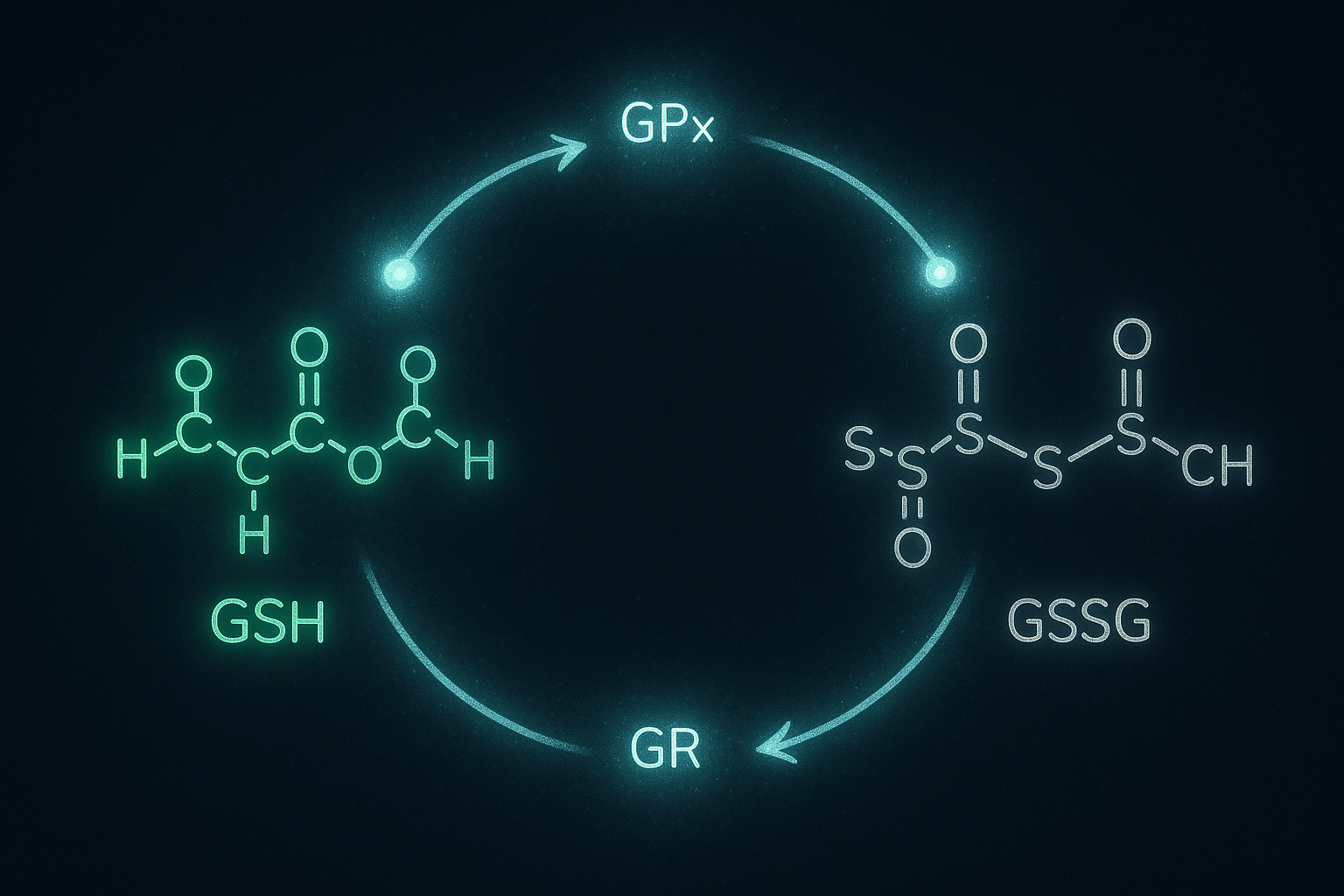
Glutathione exists in two forms: reduced (GSH) and oxidized (GSSG). The ratio between these two forms determines a cell's redox state and, by extension, its functional health.
The glutathione cycle operates through three key enzymes. Glutathione peroxidase (GPx) uses GSH to neutralize hydrogen peroxide and lipid hydroperoxides, converting GSH to GSSG in the process. Glutathione S-transferase (GST) conjugates GSH to toxins and xenobiotics, tagging them for elimination — this is the core of Phase II liver detoxification. Glutathione reductase (GR) recycles GSSG back to GSH using NADPH, completing the cycle and maintaining the cell's antioxidant capacity.
The "master antioxidant" designation comes from glutathione's unique position in cellular biochemistry. It regenerates other antioxidants (including vitamins C and E), participates in DNA repair, supports protein folding, and regulates cell signaling pathways. No other single molecule touches as many protective systems simultaneously (Forman et al., 2009).
For dosing protocols, see the Glutathione Dosing Guide.
1. Antioxidant Defense and Oxidative Stress Reduction (Strong Evidence — Human/In Vitro)
This is glutathione's most extensively documented function and the foundation for every other benefit on this list.
Glutathione-related processes form the primary intracellular defense against oxidative stress. A comprehensive review in Environmental Toxicology and Pharmacology documented that GSH, along with glutathione peroxidases, glutathione S-transferases, and glutathione reductase, constitute a coordinated antioxidant system that determines cellular resistance to oxidative damage (Masella et al., 2005).
Mitochondrial glutathione (mGSH) is particularly critical. Published research identifies mGSH as the main line of defense for maintaining mitochondrial redox balance, counteracting hydrogen peroxide, lipid hydroperoxides, and xenobiotics. Depletion of mitochondrial glutathione has been directly linked to impaired cellular function and increased susceptibility to apoptosis (Mari et al., 2009).
In human supplementation studies, oral glutathione administration produced measurable increases in blood GSH levels and reductions in oxidative stress biomarkers including 8-isoprostane and 8-OHdG. The effect was dose-dependent and more pronounced in subjects with lower baseline glutathione levels.
Evidence level: Decades of mechanistic, animal, and human data. This is among the most well-established functions of any endogenous molecule.
2. Liver Detoxification and Hepatoprotection (Strong Evidence — Human/Animal)
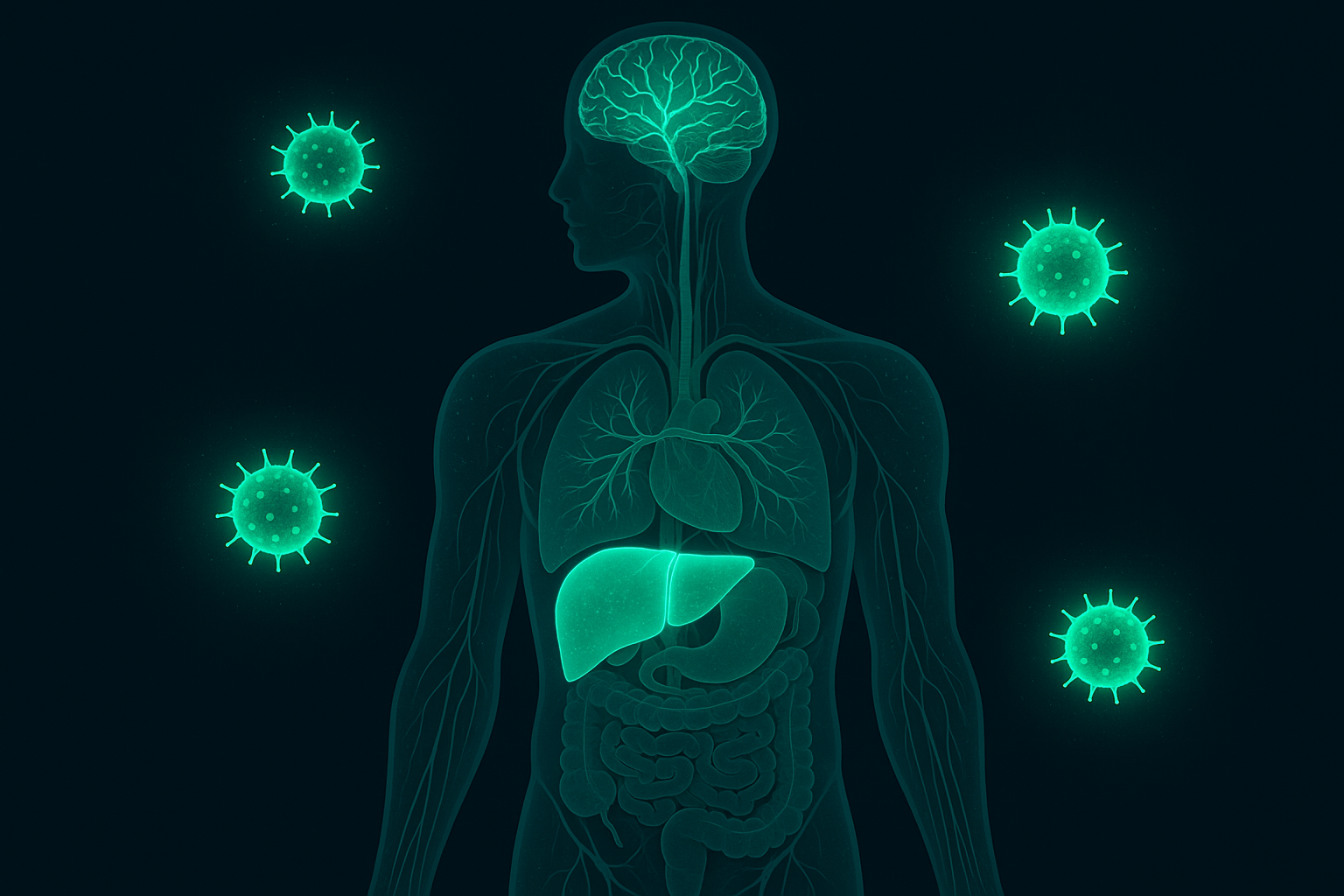
The liver contains the highest concentration of glutathione in the body, and for good reason — glutathione-dependent Phase II conjugation is the primary pathway for neutralizing drugs, toxins, and metabolic byproducts.
A review in Hepatology documented that glutathione guards hepatocytes against oxidative injury by reducing hydrogen peroxide and scavenging reactive oxygen and nitrogen radicals. Mitochondrial GSH depletion in the liver specifically increases mitochondrial ROS exposure, impairing cellular function and activating apoptotic pathways including NF-kappaB and JNK signaling (Yuan & Bharat, 2009).
The clinical relevance is most clearly demonstrated in acetaminophen toxicity. N-acetylcysteine (NAC), which works by replenishing hepatic glutathione stores, is the standard of care for acetaminophen overdose — a direct validation of glutathione's hepatoprotective role.
Published research in non-alcoholic fatty liver disease (NAFLD) has documented glutathione supplementation targeting key disease drivers by mitigating oxidative stress and cellular injury central to hepatic inflammation and dysfunction.
Evidence level: Strong human and animal data. The NAC-glutathione pathway in acetaminophen overdose treatment is one of the clearest clinical validations of any antioxidant mechanism.
3. Immune Function Enhancement (Strong Evidence — Human/Animal)
Glutathione plays a documented role in both innate and adaptive immune responses, with particular effects on T-cell and natural killer (NK) cell function.
A comprehensive review in Biochimica et Biophysica Acta documented that glutathione modulates immune cell function, augmenting both innate and adaptive immunity. The review described direct effects on NK cell cytotoxicity, T-cell proliferation, and macrophage function, along with antimicrobial effects against intracellular pathogens including Mycobacterium tuberculosis (Ghezzi, 2011).
Animal studies demonstrated that in vivo glutathione depletion directly impaired T-cell and macrophage immune function, establishing a causal relationship between glutathione status and immune competence.
More recent research has identified glutathione as essential for T-cell metabolic reprogramming during immune activation. Activated T cells produce reactive oxygen species that require glutathione buffering to prevent cellular damage, and GSH is required for the metabolic shift that enables T-cell effector functions (Mak et al., 2017).
Evidence level: Strong mechanistic and animal data with supportive human evidence. The immune-glutathione connection is well-established across multiple immune cell types.
4. Skin Brightening and Hyperpigmentation Reduction (Moderate-Strong Evidence — Human)
Glutathione's skin-lightening effects have been documented in multiple clinical studies, making this one of the few cosmetic applications with published trial data.
A 2025 narrative review evaluated the efficacy and safety of oral, topical, and IV glutathione for skin lightening. Oral administration demonstrated significant but variable decreases in melanin levels with limited side effects. The mechanism involves shifting melanogenesis from eumelanin (dark pigment) to pheomelanin (lighter pigment) and disrupting the binding between tyrosinase and L-DOPA (Abidin et al., 2025).
Earlier mechanistic research confirmed that glutathione dose-dependently inhibits melanin synthesis by interrupting tyrosinase-L-DOPA interaction rather than directly inhibiting the tyrosinase enzyme itself.
Clinical studies have reported measurable melanin reduction in multiple skin sites after oral glutathione supplementation periods ranging from 4 to 12 weeks. However, the review noted that standardized dosing protocols remain under investigation and results vary across formulations and routes of administration.
Evidence level: Moderate-strong. Multiple human clinical studies confirm the effect. Mechanism is well-characterized. Optimal dosing and long-term sustainability of results require further large-scale trials.
5. Anti-Inflammatory Effects via NF-kappaB Modulation (Moderate Evidence — In Vitro/Animal)
Glutathione exerts anti-inflammatory effects through direct modulation of the NF-kappaB signaling pathway — a master regulator of inflammatory gene expression.
Published research demonstrated that glutathione inhibits the serine phosphorylation of IkappaB-alpha by TNF-alpha, downregulating NF-kappaB-DNA binding activity and subsequent expression of pro-inflammatory gene products including p65/p50 subunits.
This mechanism operates upstream of traditional anti-inflammatory targets. Rather than blocking a single inflammatory mediator (as NSAIDs block COX enzymes), glutathione modulates the transcription factor that controls expression of multiple inflammatory genes simultaneously.
The practical relevance extends to chronic low-grade inflammation associated with aging. As glutathione levels decline with age, the resulting shift in redox balance may contribute to the pro-inflammatory state documented in aging populations — sometimes described in the research literature as "inflammaging."
Evidence level: Moderate. Mechanistic pathway is well-characterized in cell and animal models. Human anti-inflammatory trials with glutathione supplementation are limited, though the NAC-glutathione connection provides indirect clinical support.
6. Neuroprotection (Emerging Evidence — Human/Animal)
Glutathione depletion in the brain has been consistently documented as an early event in neurodegenerative disease, particularly Parkinson's disease.
A review in Free Radical Biology and Medicine documented that decreased glutathione levels in the substantia nigra are detectable in preclinical stages of Parkinson's disease — before significant dopaminergic neuron loss occurs. Glutathione acts within neurons to reduce superoxide radicals, hydroxyl radicals, and peroxynitrites that contribute to oxidative neuronal damage (Smeyne & Smeyne, 2013).
Animal studies have demonstrated that co-administration of glutathione ethyl ester with parkinsonian neurotoxins significantly protected against striatal dopamine loss, establishing that elevation of brain glutathione can provide neuroprotection against oxidative stress.
Clinical investigation of IV glutathione in Parkinson's patients has produced mixed results. Some pilot studies reported symptomatic improvement, but large randomized controlled trials have not yet confirmed disease-modifying effects. The challenge of delivering glutathione across the blood-brain barrier remains a significant pharmacokinetic hurdle.
Evidence level: Emerging. The association between brain glutathione depletion and neurodegeneration is well-established. Therapeutic neuroprotection via exogenous glutathione remains under active investigation.
7. Athletic Recovery and Exercise-Induced Oxidative Stress (Emerging Evidence — Human/Animal)
Exercise generates substantial oxidative stress, and glutathione is the primary endogenous buffer against exercise-induced free radical damage.
A review documented that glutathione-deficient animal models showed approximately 50% reduced endurance capacity, suggesting a critical role for GSH in exercise performance. The relationship is bidirectional: intense exercise depletes glutathione stores, and adequate glutathione status supports exercise tolerance (Kerksick & Willoughby, 2005).
Human studies have documented measurable decreases in blood glutathione levels following exhaustive exercise, accompanied by increases in oxidative stress biomarkers including TBARS and conjugated dienes.
The supplementation picture is nuanced. Research indicates that NAC supplementation (which boosts glutathione) increases exercise performance and reduces oxidative stress primarily in individuals with low baseline glutathione levels. In well-nourished subjects with adequate glutathione, the ergogenic effect is less pronounced. Additionally, some exercise-induced oxidative stress appears to be a necessary signal for beneficial adaptations including mitochondrial biogenesis.
Evidence level: Emerging. Glutathione's role in exercise recovery is mechanistically sound, but the supplementation question is complex — some oxidative stress from training may be beneficial for adaptation.
Ready to buy? Compare verified vendors on our best glutathione sources page, or browse all coupon codes for up to 50% off.