Melanotan-2 (MT-2) is a synthetic cyclic peptide analog of alpha-melanocyte-stimulating hormone (alpha-MSH). It binds to melanocortin receptors (primarily MC1R) and stimulates melanogenesis — the production of melanin in the skin. It also has effects on appetite, libido, and other melanocortin-mediated pathways.
MT-2 ships as a lyophilized powder, typically in 10mg vials. The reconstitution process is standard for peptides, but the dosing is on the lower end (usually 100-500mcg), which means your dilution directly affects how accurately you can measure each dose.
Research-context information only. Melanotan-2 is a research peptide. Protocols, doses, and reactions reported below come from published research and self-reported community sources. This article reports what has been documented, not what should be done. Consult a licensed physician for personal medical decisions.
Bacteriostatic water (BAC water) — not sterile water, not saline
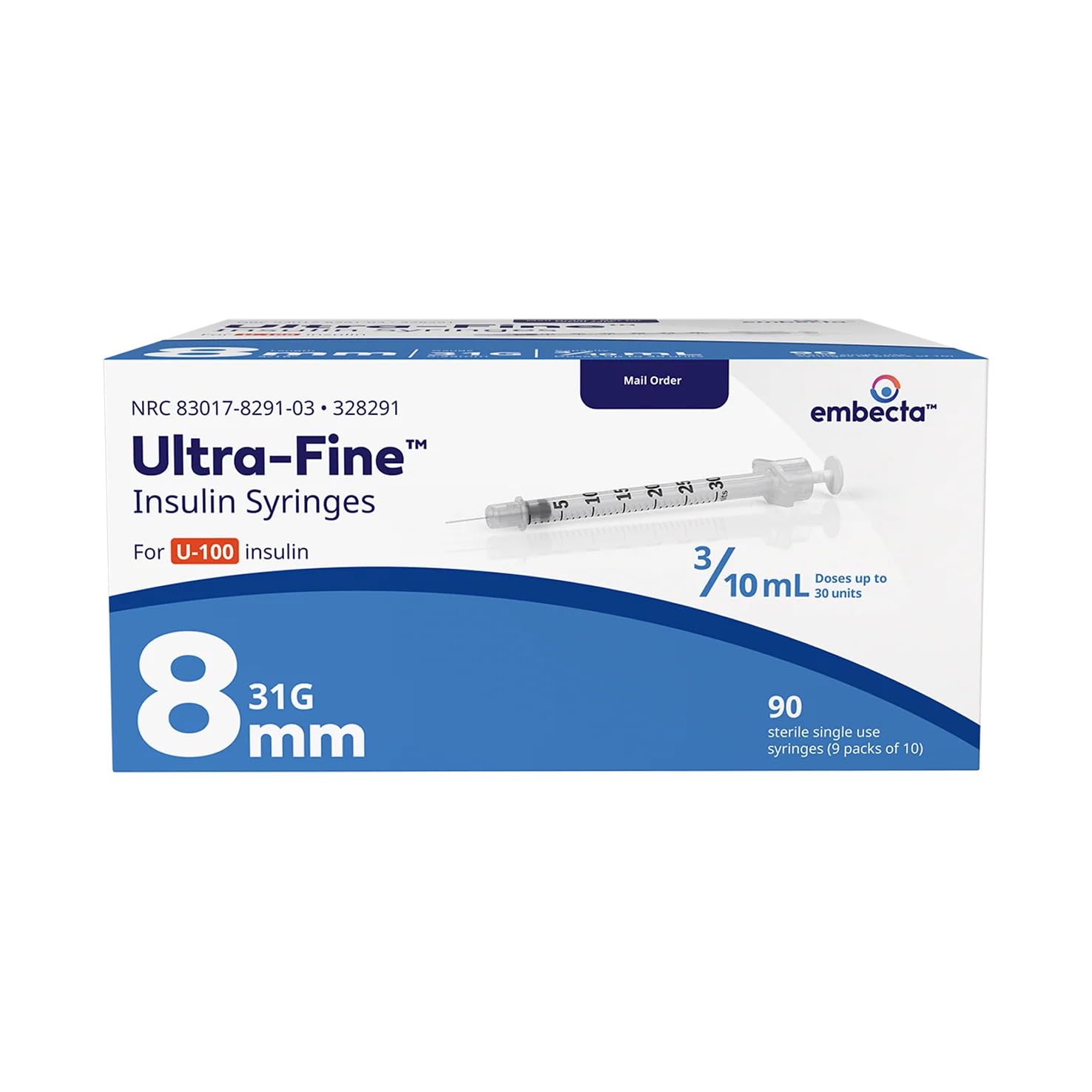
Insulin syringes — 1mL (100 unit), 29-31 gauge
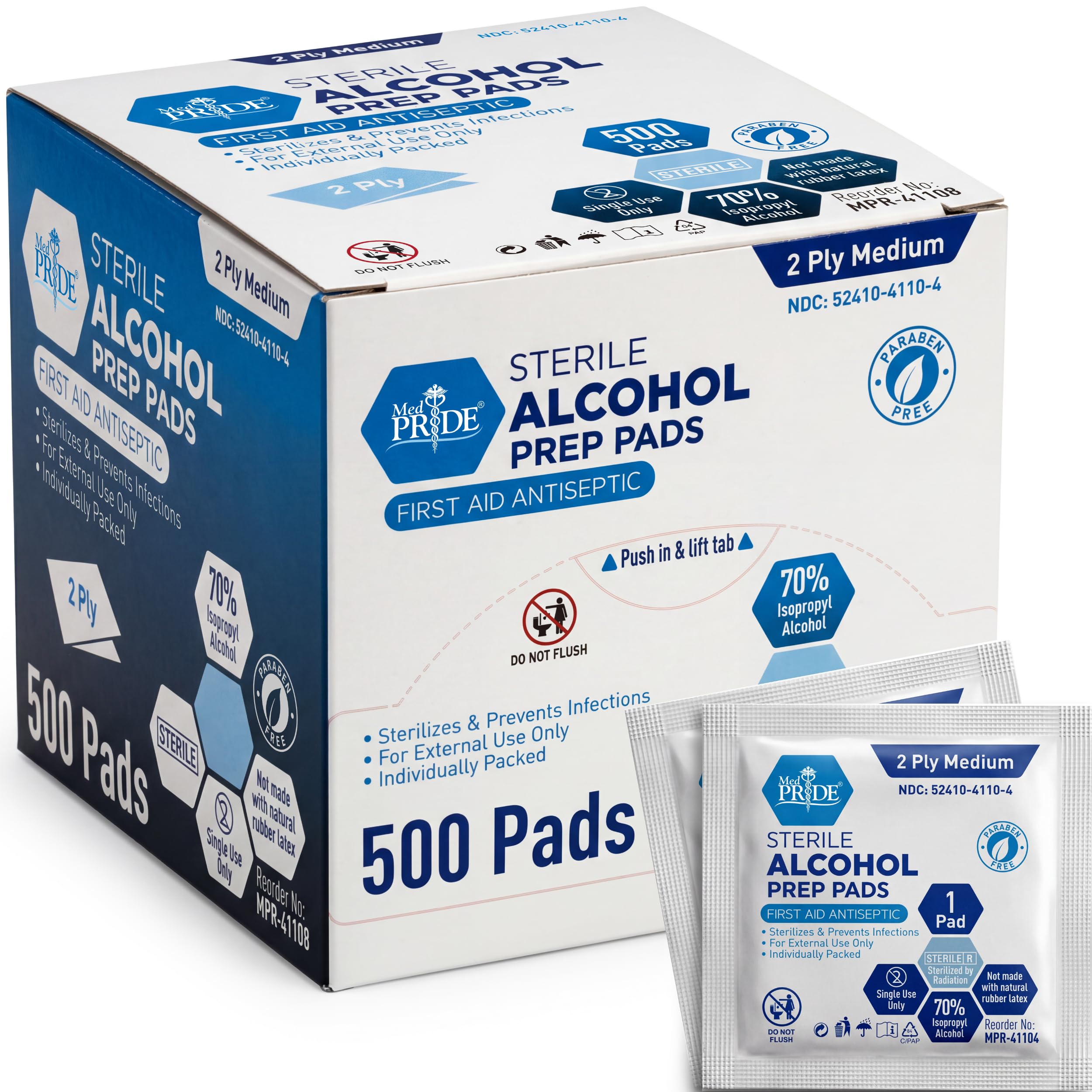
Alcohol swabs — for cleaning vial tops
A clean, flat workspace
Why bacteriostatic water? The 0.9% benzyl alcohol prevents bacterial growth, giving you up to 28 days of refrigerated shelf life. MT-2 protocols are long (often 4-8 weeks), so you will go through multiple reconstitution cycles. BAC water makes this practical.
Bac Water Made for Peptides
Don't risk a $300 peptide on generic bac water.
Most cloudy reconstitutions trace back to one thing — and it isn't the peptide. Sterile, non-pyrogenic, 0.9% benzyl alcohol — formulated for peptide reconstitution, not repackaged from generic stock.
✓ 0.9% benzyl alcohol✓ Made for peptides✓ 30 mL multi-dose
Documented protocols describe wiping the tops of both vials (MT-2 and BAC water) with alcohol swabs and allowing 10 seconds to air dry. MT-2 vials get punctured many times over their lifespan — sterile technique from the first draw prevents compounding contamination risk.
Step 2: Draw Your Bacteriostatic Water
Using a fresh insulin syringe, the desired amount of BAC water is drawn. For a 10mg vial, 2mL is the standard documented dilution.
Step 3: Add Water to the Peptide Vial
Standard technique directs the needle at an angle so water runs down the glass wall rather than directly onto the powder cake, allowing it to trickle in slowly. MT-2 is a cyclic peptide with decent stability, but gentle technique is always better.
Step 4: Let It Dissolve
Documented protocols call for gentle swirling rather than shaking. MT-2 typically dissolves within 1-2 minutes into a perfectly clear, colorless solution. Shaking is avoided in documented protocols — foam at the air-liquid interface impairs accurate dosing and can degrade the peptide.
Step 5: Store Correctly
Reconstituted solution is refrigerated at 36-46 degrees F (2-8 degrees C) immediately after mixing and used within 28 days.
Dilution Charts
Why 2mL? At 2mL in a 10mg vial, a standard starting dose of 250mcg is just 5 units — small but measurable. A 500mcg dose is 10 units. These are clean numbers on an insulin syringe.
The Math (So You Can Do It Yourself)
Concentration = Peptide Amount (mcg) / Water Added (mL)
Then:
Units to inject = Desired Dose (mcg) / Concentration (mcg/mL) x 100
Example: 10,000mcg vial + 2mL water = 5,000mcg/mL. For a 250mcg dose: 250 / 5,000 x 100 = 5 units (0.05mL).
For a 500mcg dose: 500 / 5,000 x 100 = 10 units (0.1mL).
Affiliate disclosure: vendor links in this article are affiliate links — The Peptide Catalog may earn a commission if you buy through them, at no additional cost to you.
Common Mistakes
Shaking the Vial
Creates foam and air-liquid interfaces that can degrade the peptide. MT-2 vials get used over many weeks with dozens of draws — degradation compounds with each insult. Documented protocols call for gentle swirling rather than shaking.
Using Too Little Water
Adding 0.5mL to a 10mg vial gives you 20,000mcg/mL. A 250mcg dose becomes 1.25 units — nearly impossible to measure on a standard insulin syringe. The minimum practical amount is 1mL, and 2mL is better.
Leaving It at Room Temperature
MT-2 is reasonably stable, but reconstituted solutions still degrade faster at room temperature. Refrigerate between uses. If you accidentally leave it out overnight, the potency may be reduced but the solution is likely still usable if it remains clear. Prolonged room temp storage (days) warrants discarding.
Reusing Needles
MT-2 protocols involve frequent injections over weeks. The temptation to reuse needles is higher. Community sources consistently flag needle reuse as a contamination risk; protocols describe single-use practice. Buying syringes in bulk makes this practical.
Freezing Reconstituted Peptide
Freezing reconstituted solution is not recommended in documented protocols. If a 10mg vial would last longer than 28 days at a given dose, protocols describe reconstituting only part of a vial or using smaller vial sizes.
Mixing Multiple Vials Together
Documented protocols keep vials independent — combining reconstituted solutions from different vials merges their sterility windows. Each vial has its own sterility window.
How Many Doses Per Vial?
10mg vial at 100mcg/dose (starting) = 100 doses10mg vial at 250mcg/dose (standard) = 40 doses10mg vial at 500mcg/dose (higher end) = 20 doses
At 250mcg daily, a 10mg vial would theoretically last 40 days — but since reconstituted peptide should be used within 28 days, plan to start a new vial after 4 weeks regardless of remaining volume.
Storage Quick Reference
State
Temperature
Shelf Life
Lyophilized (powder)
Room temp
6-12 months
Lyophilized (powder)
Refrigerated
2+ years
Lyophilized (powder)
Frozen (-20C)
3+ years
Reconstituted (BAC water)
Refrigerated
Up to 28 days
Reconstituted (sterile water)
Refrigerated
Use within 24 hours
Pro tip: Community practice described in protocols suggests starting with 1mL when doses are in the 100-250mcg range — this keeps draw volumes larger and more measurable. Once a maintenance dose is established, 2mL becomes the more practical dilution for subsequent vials.
Frequently Asked Questions
How much bacteriostatic water do I add to Melanotan-2?
For a 10mg vial, 2mL of bacteriostatic water yields a concentration of 500mcg per 0.1mL (10 units). This makes documented doses of 250-500mcg easy to measure.
Can I use sterile water for Melanotan-2?
Sterile water is documented as an option, but stability is limited to 24 hours. Since Melanotan-2 protocols run weeks to months, bacteriostatic water is far more practical with its 28-day refrigerated shelf life.
Why did my Melanotan-2 turn cloudy after mixing?
Cloudiness usually means degradation, contamination, or that the water was added too forcefully. Properly reconstituted Melanotan-2 is clear and colorless. Cloudiness is documented as a sign of degradation or contamination — protocols treat cloudy solutions as unusable.
How long does a Melanotan-2 vial last?
A 10mg vial at 250mcg/day lasts 40 days — well beyond the 28-day stability window for reconstituted peptides. Documented stability windows call for use within 28 days of reconstitution, with a fresh vial mixed thereafter.
Research Supplies for Melanotan II
Hand-picked storage, injection, and recovery supplies paired with Melanotan II protocols.
Dorr, R.T., et al. (1996). Effects of superpotent melanotropic peptides in animal and human dilute melanocytes. Journal of Investigative Dermatology, 106(4), 672-675.
Wessells, H., et al. (2000). Melanocortin receptor agonists, penile erection, and sexual motivation: human studies with Melanotan II. International Journal of Impotence Research, 12(Suppl 4), S74-S79. PMID: 11035391
Nelson, M.E., et al. (2021). Melanotan II user experience: A qualitative study of online discussion forums. Performance Enhancement & Health, 9(3-4), 100203. PMID: 34464955
Brennan, R., et al. (2014). Risks of unregulated use of alpha-melanocyte-stimulating hormone analogues: a review. BMJ Open, 4(2), e004573.
USP General Chapter 797: Pharmaceutical Compounding — Sterile Preparations.
This guide is for educational and informational purposes only. It is not medical advice. Melanotan-2 is sold as a research compound and is not FDA-approved for human use. Reconstituting and self-administering peptides carries inherent risks including infection, contamination, and dosing errors. Melanotan-2 carries additional risks including nausea, changes to moles and skin lesions, blood pressure changes, and other side effects. Always use proper sterile technique and consult a qualified healthcare provider before starting any peptide protocol. The Peptide Catalog is not responsible for any adverse effects resulting from the use or misuse of information presented here.