TB-500 is a synthetic fragment of thymosin beta-4, a 43-amino acid protein involved in cell migration, tissue repair, and inflammation modulation. Like most research peptides, it ships as a lyophilized (freeze-dried) powder that needs to be reconstituted before use.
The process is identical to reconstituting any peptide — add bacteriostatic water, swirl gently, refrigerate. But TB-500 has a few quirks worth knowing: the doses are typically higher than peptides like BPC-157, meaning the dilution math matters more for syringe volume.
Research-context information only. TB-500 is a research peptide. Protocols, doses, and reactions reported below come from published research and self-reported community sources. This article reports what has been documented, not what should be done. Consult a licensed physician for personal medical decisions.
This guide covers everything from mixing to storage.
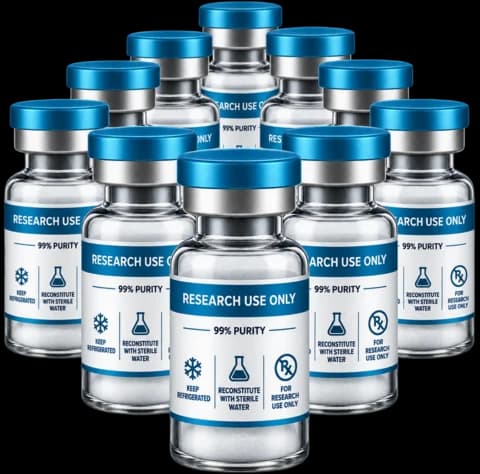
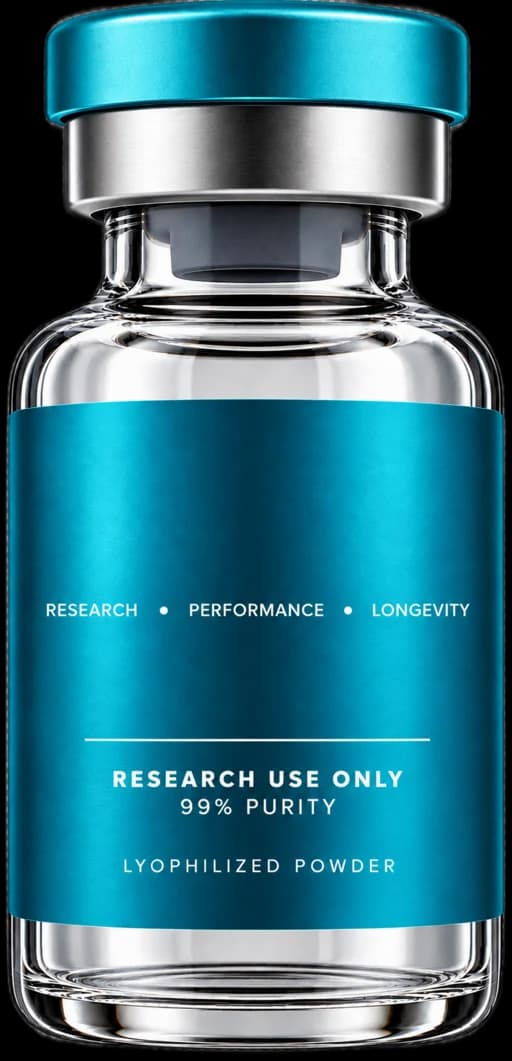
TB-500 lyophilized vial (typically 2mg, 5mg, or 10mg)
Bacteriostatic water (BAC water) — not sterile water, not saline
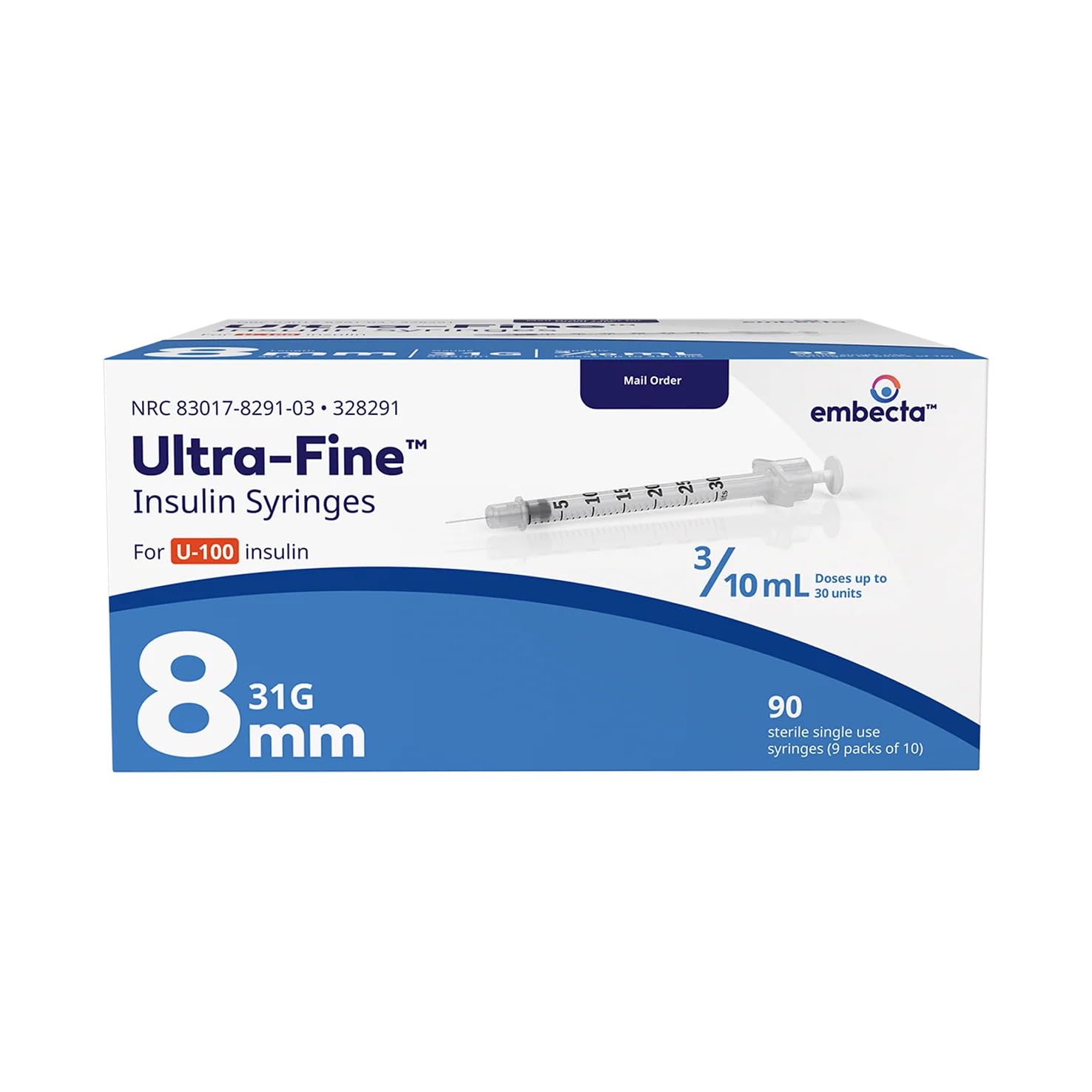
Insulin syringes — 1mL (100 unit), 29-31 gauge
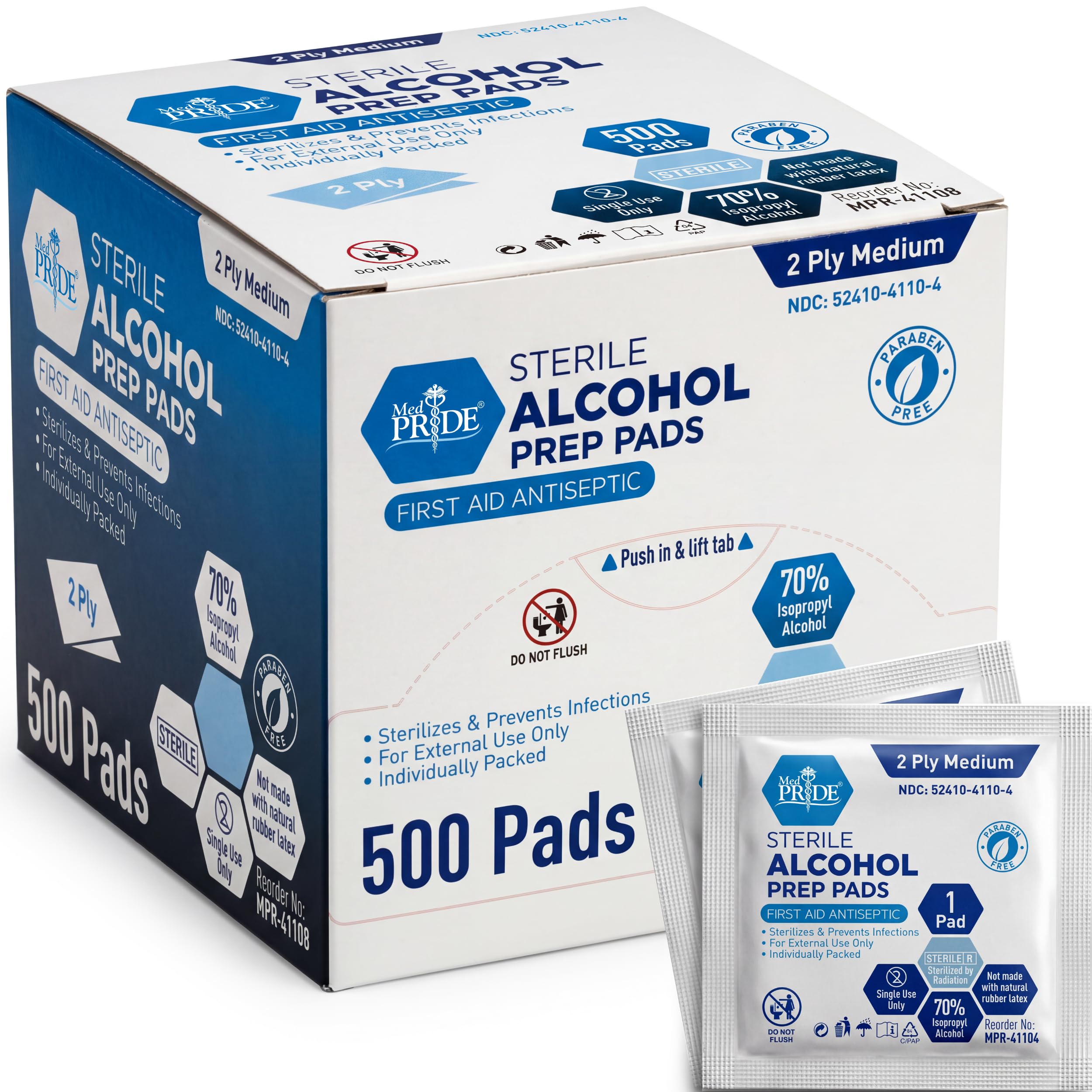
Alcohol swabs — for cleaning vial tops
A clean, flat workspace
Why bacteriostatic water? It contains 0.9% benzyl alcohol that prevents bacteria from growing in the reconstituted solution. Regular sterile water has no preservative — vials reconstituted with it are typically discarded within 24 hours once opened. BAC water allows up to 28 days refrigerated, which matters because TB-500 vials often last multiple weeks at standard dosing.
Bac Water Made for Peptides
Don't risk a $300 peptide on generic bac water.
Most cloudy reconstitutions trace back to one thing — and it isn't the peptide. Sterile, non-pyrogenic, 0.9% benzyl alcohol — formulated for peptide reconstitution, not repackaged from generic stock.
✓ 0.9% benzyl alcohol✓ Made for peptides✓ 30 mL multi-dose
Standard reconstitution practice is to wipe the tops of both vials (TB-500 and BAC water) with alcohol swabs and let them air dry for 10 seconds. This step is consistently cited as the contamination-prevention checkpoint — contamination is the most common cause of injection-site reactions.
Step 2: Draw the Bacteriostatic Water
A fresh insulin syringe is used to draw the desired amount of BAC water. The volume added determines the final concentration (see the dilution charts below).
For a 5mg vial, 2mL is the most-cited dilution. It gives clean numbers for standard TB-500 doses while keeping injection volumes manageable.
Step 3: Add Water to the Peptide Vial
Documented protocols describe inserting the needle into the TB-500 vial at an angle, aiming at the glass wall — not directly at the powder. The water trickles down the side of the vial gently.
Squirting water directly onto the powder is discouraged in standard reconstitution practice. TB-500 is a protein fragment. Aggressive force can damage the molecular structure and reduce potency.
Step 4: Let It Dissolve
Standard practice is to swirl the vial gently with a slow rotating motion rather than shaking. TB-500 dissolves readily — properly manufactured material is documented to produce a perfectly clear, colorless solution within 1-2 minutes.
Persistent particles or cloudiness after 5 minutes of gentle swirling are commonly cited as a sign the peptide may be degraded or improperly manufactured.
Step 5: Store Correctly
Reconstituted vials are refrigerated immediately at 36-46 degrees F (2-8 degrees C). The reconstituted solution is stable for up to 28 days with bacteriostatic water.
Dilution Charts
Why 2mL? It keeps injection volumes reasonable for TB-500's higher doses while giving numbers that are easy to measure on an insulin syringe.
The Math (So You Can Do It Yourself)
Here is the formula for any vial size and any amount of water:
Concentration = Peptide Amount (mcg) / Water Added (mL)
Then to find your injection volume:
Units to inject = Desired Dose (mcg) / Concentration (mcg/mL) x 100
Example: 5,000mcg vial + 2mL water = 2,500mcg/mL. For a 2,500mcg (2.5mg) dose: 2,500 / 2,500 x 100 = 100 units (1mL) — one full insulin syringe.
For a loading dose of 5mg from a 5mg vial reconstituted with 2mL, the entire vial would be drawn (200 units / 2mL), which requires a larger syringe or two draws. This is why 10mg vials are more practical for higher-dose protocols.
A reconstitution calculator is also available — enter vial size, water volume, and target dose to get the unit draw automatically.
Affiliate disclosure: vendor links in this article are affiliate links — The Peptide Catalog may earn a commission if you buy through them, at no additional cost to you.
Common Mistakes
Shaking the Vial
TB-500 is a protein fragment. Shaking creates foam, trapping air bubbles against peptide molecules at the air-liquid interface. This can denature the peptide. Standard practice is to swirl gently rather than shake.
Using Too Little Water
Adding 0.5mL to a 5mg vial gives 10,000mcg/mL. A standard 2,500mcg dose would be 25 units — workable, but leaves very little margin for error. A community-reported maintenance dose around 750mcg becomes 7.5 units, which is hard to measure precisely. Documented protocols use at least 1mL, ideally 2mL.
Leaving It at Room Temperature
Reconstituted TB-500 degrades at room temperature. Every hour on the counter reduces potency. Documented practice is to remove the vial, draw the dose, and return it to refrigeration immediately, keeping it cold.
Reusing Needles
Each puncture through the rubber stopper dulls the needle and increases contamination risk. A fresh syringe each time is the documented standard. They cost pennies compared to the peptide itself.
Freezing Reconstituted Peptide
Freezing a liquid peptide solution creates ice crystals that can shear peptide bonds apart. Only lyophilized (powder) peptides are frozen. Once reconstituted, vials are refrigerated rather than frozen.
How Many Doses Per Vial?
This depends on dose and protocol phase. Dose counts below use community-reported TB-500 protocol parameters.
5mg vial at 2,500mcg/dose (loading) = 2 doses5mg vial at 750mcg/dose (maintenance) = 6-7 doses10mg vial at 2,500mcg/dose (loading) = 4 doses10mg vial at 750mcg/dose (maintenance) = 13 doses
At a community-reported loading protocol of 2,500mcg twice weekly, a 5mg vial lasts 1 week. A 10mg vial lasts 2 weeks. During maintenance at 750mcg twice weekly, a 10mg vial can last over 6 weeks.
Storage Quick Reference
State
Temperature
Shelf Life
Lyophilized (powder)
Room temp
6-12 months
Lyophilized (powder)
Refrigerated
2+ years
Lyophilized (powder)
Frozen (-20C)
3+ years
Reconstituted (BAC water)
Refrigerated
Up to 28 days
Reconstituted (sterile water)
Refrigerated
Use within 24 hours
Pro tip: When multiple vials are purchased, documented practice is to keep unopened ones in the freezer and reconstitute only what will be used within 3-4 weeks. TB-500 protocols often require several vials over a loading phase, so inventory is planned ahead.
Frequently Asked Questions
How much bacteriostatic water is added to TB-500?
For a 5mg vial, adding 2mL of bacteriostatic water produces a concentration of 2,500mcg per mL — that's 250mcg per 10-unit mark on an insulin syringe. At a community-reported 2.5mg (2,500mcg) dose, that works out to 100 units, one full 1mL syringe.
Can sterile water be used instead of bacteriostatic water for TB-500?
Technically yes, but bacteriostatic water contains 0.9% benzyl alcohol that prevents bacterial growth, allowing up to 28 days of refrigerated shelf life. Sterile water must be used within 24 hours.
How can reconstituted TB-500 be identified as spoiled?
Cloudiness, floating particles, color changes, or an unusual smell are signs of degradation. Properly reconstituted TB-500 is perfectly clear and colorless. Any vial that looks off is typically discarded per documented protocols.
What size syringe do protocols describe for TB-500?
A 1mL (100 unit) insulin syringe with a 29-31 gauge needle. TB-500 doses are larger volume than some peptides, so a full syringe per injection may be needed at certain dilutions.
Can TB-500 syringes be pre-loaded for the week?
Documented practice is to draw each dose fresh rather than pre-load. Pre-loaded syringes expose the peptide to more surface area, temperature fluctuation, and potential contamination. Documented practice is to draw each dose fresh from the refrigerated vial.
Research Supplies for TB-500
Hand-picked storage, injection, and recovery supplies paired with TB-500 protocols.
Malinda, K.M., et al. (1999). Thymosin beta4 accelerates wound healing. Journal of Investigative Dermatology, 113(3), 364-368. PMID: 10469335
Philp, D., et al. (2003). Thymosin beta4 and a synthetic peptide containing its actin-binding domain promote dermal wound repair in db/db diabetic mice and in aged mice. Wound Repair and Regeneration, 11(1), 19-24.
Sosne, G., et al. (2010). Thymosin beta4 enhances repair by organizing connective tissue and preventing the appearance of myofibroblasts. Annals of the New York Academy of Sciences, 1194, 118-124. PMID: 20536458
Bock-Marquette, I., et al. (2004). Thymosin beta4 activates integrin-linked kinase and promotes cardiac cell migration, survival and cardiac repair. Nature, 432(7016), 466-472.
Goldstein, A.L., et al. (2012). The regenerative peptide thymosin beta4 accelerates the rate of dermal healing in preclinical animal models and in patients. Annals of the New York Academy of Sciences, 1270, 37-44. PMID: 23050815
USP General Chapter 797: Pharmaceutical Compounding — Sterile Preparations. Storage and beyond-use dating guidelines for reconstituted peptides.
This guide is for educational and informational purposes only. It is not medical advice. TB-500 is sold as a research compound and is not FDA-approved for human use. Reconstituting and self-administering peptides carries inherent risks including infection, contamination, and dosing errors. Always use proper sterile technique. Consult a qualified healthcare provider before starting any peptide protocol. The Peptide Catalog is not responsible for any adverse effects resulting from the use or misuse of information presented here.