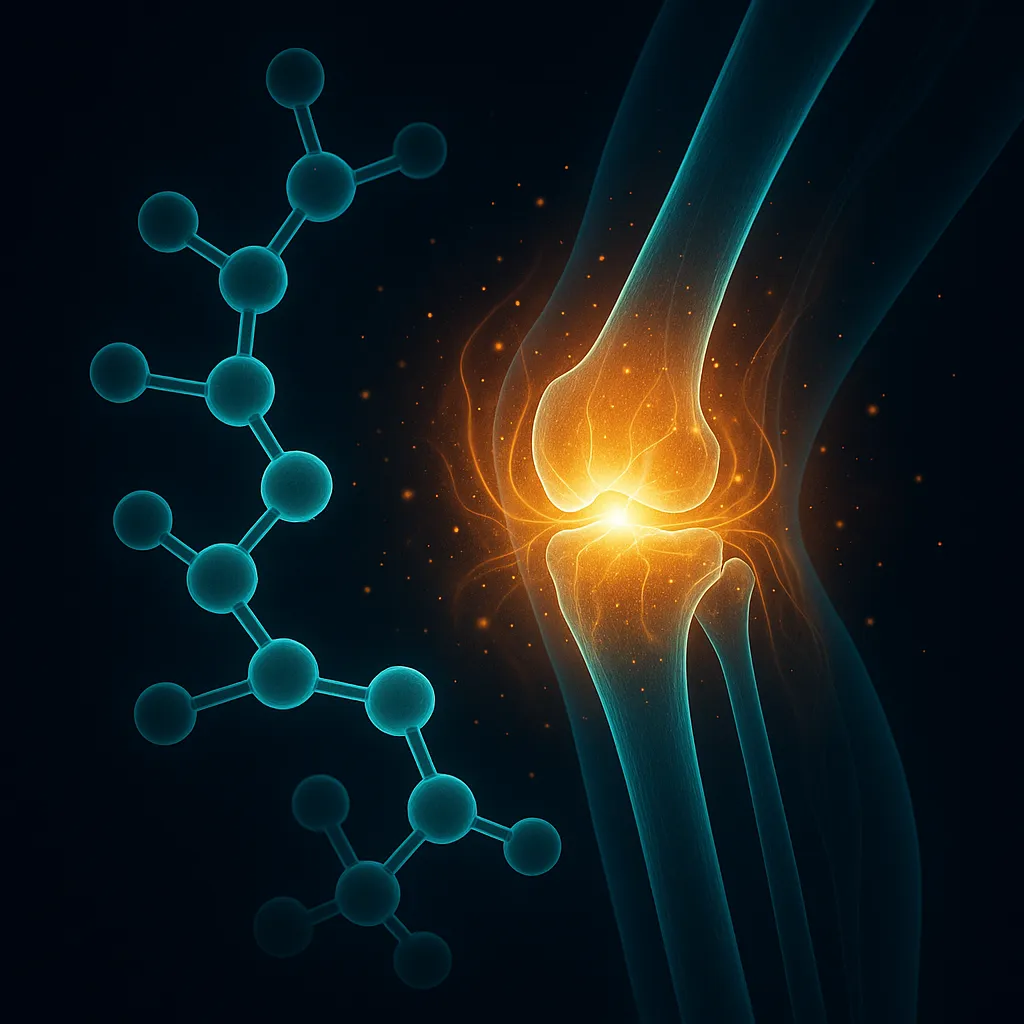
TB-500 is a synthetic fragment of thymosin beta-4, a 43-amino-acid peptide that the body releases naturally after injury. It contains the active region (the Ac-SDKP actin-binding domain) responsible for cell migration, tissue repair, and anti-inflammatory signaling.
Research-context information only. TB-500 is a research peptide. Protocols, doses, and reactions reported below come from published research and self-reported community sources. This article reports what has been documented, not what should be done. Consult a licensed physician for personal medical decisions.
Most people associate TB-500 with muscle and joint recovery. But the strongest published evidence points elsewhere — wound healing and cardiac protection have the deepest data. This guide ranks 7 research-backed benefits by actual evidence quality, not by popularity.
Important: Most published studies use the full thymosin beta-4 molecule, not TB-500 specifically. TB-500 contains the active fragment, but direct equivalence is assumed rather than proven. All evidence is preclinical unless otherwise noted.
How TB-500 Works
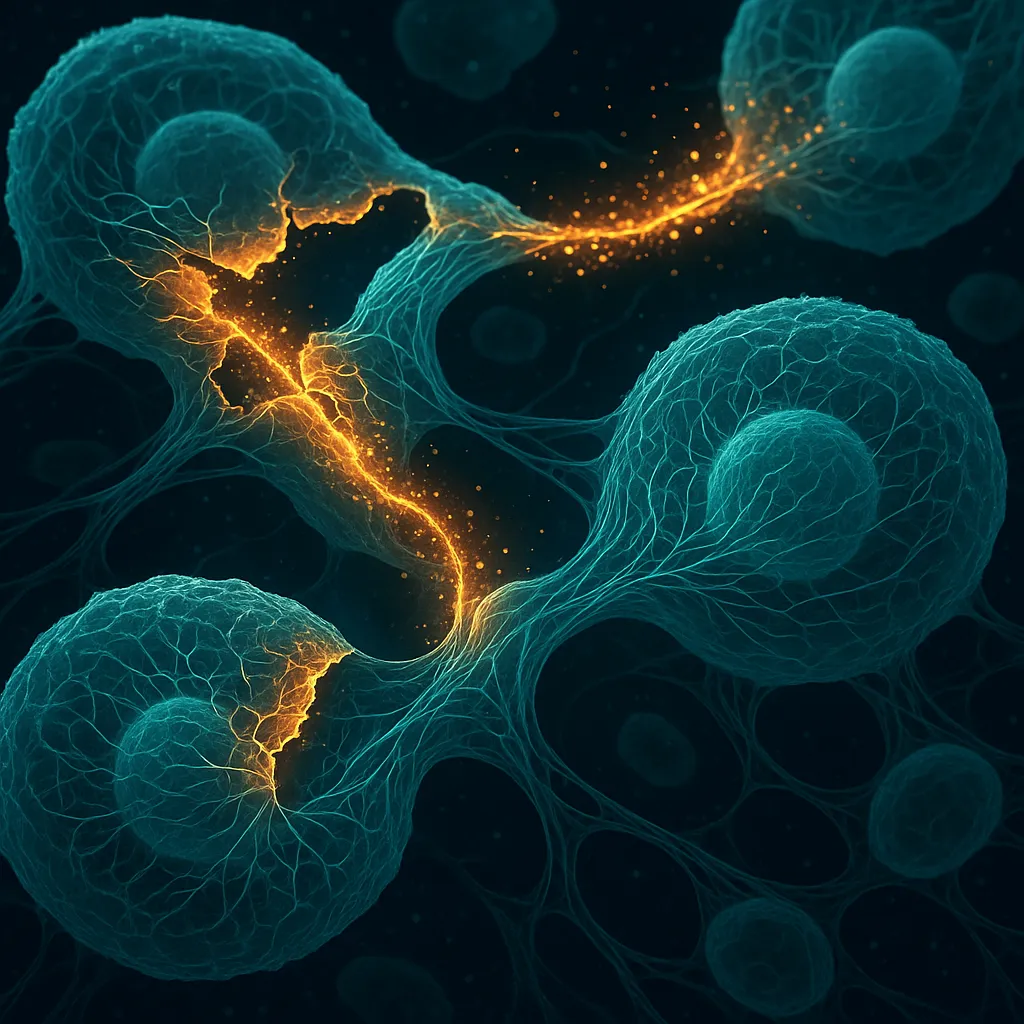
TB-500's mechanism centers on actin regulation. Thymosin beta-4 is the primary G-actin sequestering peptide in mammalian cells — it controls the pool of monomeric actin available for cytoskeletal remodeling. When tissue is damaged, thymosin beta-4 is released by platelets, macrophages, and other cell types to orchestrate the repair response (Goldstein et al., 2012).
This matters because actin is the structural protein that drives cell migration. Damaged tissue can only heal if repair cells (fibroblasts, endothelial cells, keratinocytes, stem cells) physically move to the injury site. TB-500 promotes this migration by maintaining the actin monomer pool, allowing rapid cytoskeletal reorganization as cells crawl toward damaged areas.
Beyond actin, thymosin beta-4 reduces apoptosis (programmed cell death) in injured tissue, decreases inflammatory cytokine production, promotes angiogenesis (new blood vessel formation), and mobilizes stem and progenitor cells. It also decreases myofibroblast formation, which means less scar tissue and more functional repair (Goldstein et al., 2012).
For dosing protocols, see our TB-500 Dosing Guide. For reconstitution and storage, see the TB-500 Reconstitution Guide.
1. Wound Healing (Strongest Evidence)
Evidence level: Animal + Human clinical trials (Phase 2)
Wound healing is thymosin beta-4's flagship application — and the only benefit with human clinical trial data.
In the foundational study, topical or intraperitoneal thymosin beta-4 increased re-epithelialization by 42% at 4 days and 61% at 7 days versus saline controls in rat full-thickness wound models. Treated wounds also showed increased collagen deposition and angiogenesis (Malinda et al., 1999).
These findings translated to human patients. In two Phase 2 clinical trials for chronic stasis and pressure ulcers, thymosin beta-4 accelerated healing by almost a month in patients who responded to treatment (Goldstein et al., 2012).
The mechanism is multifactorial: thymosin beta-4 promotes keratinocyte migration (2-3 fold increase), stimulates angiogenesis at the wound bed, reduces inflammatory infiltrate, and decreases myofibroblast formation — resulting in less scarring and more organized tissue repair.
Practical takeaway: Wound healing has the deepest evidence base. This is where the data moves beyond animal models into actual human outcomes.
2. Cardiac Protection and Repair
Evidence level: Animal studies (mice)
Thymosin beta-4's cardiac effects are among the most thoroughly studied in preclinical models. After coronary artery ligation (simulated heart attack) in mice, thymosin beta-4 treatment reduced infarct volume, preserved cardiac function, and enhanced early cardiomyocyte survival (Bock-Marquette et al., 2004).
The mechanism involves activation of integrin-linked kinase (ILK) and the Akt/PKB survival pathway. Thymosin beta-4 forms a complex with PINCH and ILK that directly prevents cardiomyocyte death during ischemia. It also stimulates epicardial progenitor cells to revert to an embryonic-like state, generating new endothelial cells and vascular structures in the damaged heart (Bock-Marquette et al., 2004).
A follow-up study confirmed that systemic thymosin beta-4 administration after myocardial infarction upregulated ILK and Akt activity in the heart, reduced scar formation, and improved overall cardiac output (Bock-Marquette et al., 2007).
Practical takeaway: Strong animal data for cardioprotection, but no human cardiac trials yet. Community sources describe tracking BNP and troponin where cardiac concerns exist — see our TB-500 Bloodwork Guide.
3. Corneal and Ocular Healing
Evidence level: Animal + Human clinical trials (Phase 2/3)
Corneal healing is the other area where thymosin beta-4 has reached human trials — and the results are compelling.
In mice with alkali-burned corneas, topical thymosin beta-4 accelerated re-epithelialization at all time points, decreased polymorphonuclear leukocyte infiltration, and reduced inflammatory cytokine expression (Sosne et al., 2002). The mechanism includes NF-kB suppression, which dampens the inflammatory cascade that causes secondary corneal damage.
In a human case series, nine patients with chronic nonhealing neurotrophic corneal epithelial defects were treated with thymosin beta-4 eye drops. Patients with geographic defects showed dramatic healing without clinically significant neovascularization. This led to the RGN-259 clinical program, which has progressed through Phase 2 trials for dry eye and into Phase 3 for neurotrophic keratopathy.
Practical takeaway: Corneal healing is one of thymosin beta-4's most clinically advanced applications. This is relevant context, though most peptide users are pursuing musculoskeletal benefits rather than ocular repair.
4. Tendon and Ligament Repair
Evidence level: Animal studies (rats)
Tendon and ligament healing is the benefit most users pursue — and the animal data supports it, though human trials are absent.
In a rat MCL transection model, thymosin beta-4 delivered in fibrin sealant produced uniform, evenly spaced collagen fiber bundles at 4 weeks. Control animals showed disorganized collagen. Collagen fibril diameters were significantly increased in treated animals, indicating more mature, stronger repair tissue (Kim & Bhatt, 2013).
The mechanism differs from BPC-157, which drives angiogenesis and growth factor upregulation. TB-500 works primarily through actin-mediated cell migration — it physically moves fibroblasts and progenitor cells to the injury site faster. The two mechanisms are complementary, which is why the BPC-157 + TB-500 stack is the most popular healing peptide combination.
Practical takeaway: Solid animal evidence for improved collagen organization and structural repair. For tendon injuries specifically, combining with BPC-157 covers both the migration (TB-500) and growth factor (BPC-157) pathways. See our BPC-157 vs TB-500 comparison for a detailed head-to-head.
5. Neuroprotection
Evidence level: Animal studies (rats)
Thymosin beta-4 shows neuroprotective and neurorestorative effects across multiple CNS injury models.
In experimental traumatic brain injury, thymosin beta-4 treatment initiated 6 hours post-injury reduced brain damage and improved functional recovery in rats. The benefits included both neuroprotection (preserving surviving neurons) and neurorestoration (promoting new neural connections and angiogenesis in damaged brain tissue) (Xiong et al., 2012).
In spinal cord injury models, intraperitoneal thymosin beta-4 significantly improved locomotor recovery. Histological analysis showed increased numbers of surviving neurons and oligodendrocytes in treated animals versus controls. The peptide also reduced inflammatory markers and promoted angiogenesis at the injury site (Cheng et al., 2014).
The neuroprotective mechanism involves suppression of microglial activation (the brain's inflammatory response), reduction of TNF-alpha and IL-1beta, and promotion of neurite outgrowth through L1 cell adhesion molecule upregulation.
Practical takeaway: Promising animal data for CNS protection and recovery. Entirely preclinical — no human neurological trials exist for thymosin beta-4.
6. Anti-Inflammatory Effects
Evidence level: Animal + in vitro studies
Thymosin beta-4's anti-inflammatory properties emerge across virtually every tissue model studied. Rather than a single-pathway anti-inflammatory (like an NSAID blocking COX), thymosin beta-4 modulates inflammation through multiple overlapping mechanisms.
Key pathways include NF-kB suppression (demonstrated in corneal cells), reduction of pro-inflammatory cytokines (TNF-alpha, IL-1beta, IL-6), decreased polymorphonuclear leukocyte infiltration at injury sites, and inhibition of microglial activation in neural tissue (Sosne et al., 2002).
Importantly, thymosin beta-4 reduces pathological inflammation without completely suppressing the inflammatory response needed for healing. This distinguishes it from corticosteroids and NSAIDs, which can impair tissue repair by blocking inflammation too broadly.
Practical takeaway: Anti-inflammatory effects are consistent across studies but are typically a secondary outcome rather than a primary endpoint. The inflammation reduction likely contributes to all other benefits on this list.
7. Hair Growth and Angiogenesis
Evidence level: Animal studies (mice)
Thymosin beta-4 promotes hair growth in both normal and aged rodents. The mechanism involves activation of hair follicle stem cells in the bulge region and increased angiogenesis around follicles (Philp et al., 2004).
A specific subset of hair follicular keratinocytes expresses thymosin beta-4 in a coordinated manner during the hair growth cycle. When administered exogenously, thymosin beta-4 increases the rate of hair follicle development and accelerates the transition from telogen (resting phase) to anagen (growth phase).
The broader angiogenic effect — new blood vessel formation — underlies many of thymosin beta-4's other benefits. In aged animals, angiogenesis is naturally reduced, which impairs wound healing and tissue repair. Thymosin beta-4 restores angiogenic capacity, potentially explaining why its effects are particularly pronounced in older animal models (Philp et al., 2004).
Practical takeaway: Hair growth is a real but secondary effect. No human hair loss trials exist. The angiogenic mechanism is more relevant as a driver of tissue repair benefits.
Ready to buy? Compare verified vendors on our best TB-500 sources page, or browse all coupon codes for up to 50% off.