If you've spent any time in peptide research communities, you've almost certainly heard the term "Wolverine Stack." Named after the Marvel character's legendary regenerative abilities, the Wolverine Stack refers to the combination of BPC-157 and TB-500 — two peptides that target different but complementary aspects of tissue repair.
Research-context information only. The Wolverine stack is a research-peptide blend (containing BPC-157 and TB-500). Protocols, doses, and reactions reported below come from published research and self-reported community sources. This article reports what has been documented, not what should be done. Consult a licensed physician for personal medical decisions.
The nickname isn't accidental. Where most healing peptides address a single pathway, stacking BPC-157 with TB-500 covers the repair process from multiple angles simultaneously: angiogenesis, inflammation modulation, cell migration, and structural tissue remodeling. No single peptide does all of this. Together, the research suggests they might.
But does the science actually support the hype? In this guide, we'll break down the individual mechanisms of each peptide, explain why researchers believe they're synergistic, and cover the dosing protocols most commonly discussed in research contexts — all backed by verified PubMed citations.
Before diving into the research, this video provides an excellent overview of the Wolverine Stack concept, including how BPC-157 and TB-500 complement each other:
1. What Is the Wolverine Stack?
The Wolverine Stack is the colloquial name for combining two peptides:
BPC-157 (Body Protection Compound-157) — a 15-amino-acid peptide derived from a protective protein found in human gastric juice
TB-500 (Thymosin Beta-4 fragment) — a synthetic version of the active region of Thymosin Beta-4, a 43-amino-acid peptide naturally produced by the thymus gland
The core principle behind the stack is non-overlapping mechanisms. BPC-157 primarily drives angiogenesis (new blood vessel formation) and modulates the nitric oxide system, while TB-500 focuses on actin regulation, cell migration, and anti-inflammatory signaling. Rather than doubling up on one pathway, the combination addresses different phases and aspects of the healing cascade simultaneously.
Why "Wolverine"?
The name captures the idea of dramatically accelerated recovery. In research models, each peptide individually has demonstrated significant tissue repair properties across tendons, ligaments, muscles, skin, the GI tract, and even cardiac tissue. The theoretical basis for combining them is that their distinct mechanisms would produce additive or potentially synergistic effects — covering more of the healing process than either could alone.
It's worth noting upfront: there are no published studies examining BPC-157 and TB-500 specifically in combination. The rationale for the stack is based on the well-documented individual mechanisms of each peptide and the logical inference that non-overlapping repair pathways should complement each other. This is a reasonable framework, but it remains a hypothesis rather than established fact.
2. How BPC-157 Works
BPC-157 (Body Protection Compound-157) is a pentadecapeptide — a chain of 15 amino acids — originally isolated from human gastric juice. It's part of a larger protein called BPC that appears to play a protective role in the gastrointestinal tract. The synthetic version used in research is identical in sequence to the naturally occurring fragment.
Angiogenesis and VEGF Upregulation
One of BPC-157's most well-documented effects is its ability to promote angiogenesis — the formation of new blood vessels from existing vasculature. This is critical for tissue repair because damaged tissue needs increased blood supply to deliver oxygen, nutrients, and immune cells to the injury site.
BPC-157 has been shown to upregulate vascular endothelial growth factor (VEGF) expression, the primary signaling molecule that initiates angiogenic cascades [1][2]. A 2018 review by Seiwerth et al. systematically documented BPC-157's interactions with multiple angiogenic growth factors, demonstrating that it doesn't simply boost VEGF in isolation but modulates the entire angiogenic signaling network [3].
Importantly, Sikiric et al. (2025) characterized BPC-157's angiogenic effects as exhibiting "beneficial pleiotropic" activity — meaning it promotes blood vessel growth where needed for repair while simultaneously maintaining protective functions in existing vasculature [1]. This is a meaningful distinction from growth factors that promote angiogenesis indiscriminately.
The Nitric Oxide System
BPC-157's relationship with nitric oxide (NO) is one of its most thoroughly studied properties. Sikiric et al. (2014) published a detailed analysis of the BPC 157-NO-system relationship, demonstrating that BPC-157 interacts with multiple components of the NO pathway [4].
NO plays dual roles in tissue repair: it's essential for vasodilation, blood flow regulation, and immune signaling, but excessive NO production (particularly via inducible NO synthase, or iNOS) can cause oxidative damage and worsen inflammation. BPC-157 appears to modulate this balance — promoting beneficial NO signaling while mitigating its cytotoxic effects [2].
This NO-modulatory effect helps explain BPC-157's broad tissue protective properties. Rather than simply being "anti-inflammatory" or "pro-healing," it appears to help normalize disrupted NO signaling back toward homeostasis [4].
Tendon Fibroblast Activation and Growth Hormone Receptor Expression
For musculoskeletal injuries specifically, BPC-157 has demonstrated notable effects on tendon healing. Chang et al. (2014) showed that BPC-157 enhances growth hormone receptor expression in tendon fibroblasts, suggesting a mechanism by which it accelerates the structural repair of connective tissue [5].
Krivic et al. (2006) demonstrated that BPC-157 promoted tendon-to-bone healing after Achilles detachment in rats, with treated animals showing superior histological and functional recovery compared to controls [6]. A follow-up study by the same group (2008) confirmed these findings with functional recovery assessments, showing earlier return to normal movement patterns [7].
Cytoprotective Properties
Beyond tissue repair, BPC-157 exhibits broad cytoprotective (cell-protective) properties across multiple organ systems. Whitehouse (2025) reviewed its role as a cytoprotectant for the gastrointestinal tract, noting that it protects against damage from NSAIDs, alcohol, and other gastric insults [8]. This cytoprotective action extends beyond the gut — studies have documented protective effects in liver, brain, and cardiovascular tissue as well [9].
The Research Landscape for BPC-157
Two recent systematic reviews have consolidated the BPC-157 literature for musculoskeletal applications. Gwyer et al. (2019) reviewed the evidence for BPC-157 in soft tissue healing, concluding that the preclinical evidence is "promising" but noting the absence of human clinical trials [10]. Vasireddi et al. (2025) conducted a systematic review specifically focused on orthopaedic sports medicine applications, finding consistent positive results across animal models [11].
McGuire et al. (2025) published a narrative review titled "Regeneration or Risk?" which balanced the potential benefits against the lack of human safety data, emphasizing that while preclinical results are encouraging, the translation to human applications requires caution [12].
Key BPC-157 mechanisms relevant to the Wolverine Stack:
✅ VEGF upregulation → new blood vessel formation
✅ NO system modulation → balanced inflammatory response
✅ Growth hormone receptor upregulation in fibroblasts → structural repair
✅ Cytoprotection → cell survival during injury recovery
✅ Tendon-to-bone healing promotion
3. How TB-500 Works
TB-500 is a synthetic peptide representing the active region of Thymosin Beta-4 (Tβ4), a 43-amino-acid protein that is one of the most abundant intracellular peptides in mammalian cells. Thymosin Beta-4 was originally identified in the thymus gland, and its discovery trace back to Allan Goldstein's work on thymic hormones. Today, we know it's expressed in virtually every cell type and plays fundamental roles in tissue development, repair, and regeneration.
TB-500 contains the key active sequence of Thymosin Beta-4 responsible for its biological activity. While full-length Tβ4 and the TB-500 fragment are not identical, the fragment contains the actin-binding domain and the wound-healing domain that drive most of the studied therapeutic effects.
Actin Regulation and Cell Migration
The primary intracellular function of Thymosin Beta-4 is the sequestration of G-actin (globular actin monomers), which regulates actin polymerization and cytoskeletal dynamics [13]. This might sound like basic cell biology, but it has profound implications for wound healing.
Actin is the structural protein that forms the internal "skeleton" of cells. For cells to migrate to a wound site, they need to rapidly reorganize their actin cytoskeleton — extending protrusions in the direction of movement and retracting behind. Thymosin Beta-4's regulation of the actin monomer pool is essential for this process [13][14].
Huff et al. (2001) published a comprehensive review of beta-thymosins, documenting their role as the primary actin-sequestering peptides in the cell and their involvement in cell motility, differentiation, and proliferation [13].
Wound Healing
The landmark study by Malinda et al. (1999) demonstrated that Thymosin Beta-4 accelerates wound healing in a full-thickness dermal wound model. Treated wounds showed accelerated closure, increased angiogenesis within the wound bed, and enhanced collagen deposition [15]. This was one of the first studies to establish Tβ4 as a genuine wound-healing agent rather than simply an intracellular actin regulator.
Treadwell et al. (2012) expanded on these findings with preclinical animal models showing that Tβ4 accelerates the rate of dermal healing, with particular benefits in the early inflammatory and proliferative phases [16]. Philp et al. (2010) reviewed the broader animal literature on Tβ4 in tissue repair and regeneration, documenting positive results across skin, corneal, cardiac, and neurological models [17].
Cardiac Repair
Some of the most striking research on Thymosin Beta-4 comes from cardiac studies. Bock-Marquette et al. published a landmark 2004 paper in Nature showing that Tβ4 activates integrin-linked kinase (ILK) and promotes cardiac cell migration, survival, and repair after myocardial infarction [18].
Smart et al. (2007), also in Nature, demonstrated that Tβ4 induces adult epicardial progenitor mobilization and neovascularization — essentially reactivating dormant cardiac stem cells to participate in heart repair [19]. This was a paradigm-shifting finding, as adult mammalian hearts were previously thought to have minimal regenerative capacity.
More recently, Zhang et al. (2025) published results showing that recombinant human Thymosin Beta-4 improved ischemic cardiac dysfunction in both mice and human patients with acute ST-segment elevation myocardial infarction, marking one of the few studies with human clinical data [20]. Maar et al. (2025) further elucidated the mechanism, showing that Tβ4 modulates cardiac remodeling through ROCK1 expression regulation [21].
Anti-Inflammatory Activity
TB-500/Tβ4 has significant anti-inflammatory properties that complement its repair functions. Wang et al. (2024) demonstrated that Tβ4 activates pro-resolving pathways — specialized immune signaling cascades that actively resolve inflammation rather than simply suppressing it [22]. This is an important distinction: rather than being immunosuppressive, Tβ4 appears to accelerate the natural transition from inflammatory to reparative immune states.
Ou et al. (2026) extended these findings to neuroinflammation, showing that Tβ4-derived peptides alleviate neuroinflammation and neurite atrophy in both in vitro and in vivo Alzheimer's disease models [23]. Di et al. (2026) reviewed Tβ4's emerging role as a therapeutic candidate for kidney diseases, noting its anti-inflammatory and anti-fibrotic properties in renal tissue [24].
Key TB-500 mechanisms relevant to the Wolverine Stack:
✅ Actin sequestration → enhanced cell migration to injury sites
✅ ILK activation → cell survival and proliferation signaling
4. Synergistic Mechanisms — Why They Work Together
The Wolverine Stack's theoretical power lies in how BPC-157 and TB-500 address different phases and different mechanisms of the healing cascade. Understanding why this matters requires a brief overview of how tissue repair actually works.
The Four Phases of Tissue Repair
Hemostasis (minutes to hours) — Blood clotting stops bleeding at the injury site
Inflammation (hours to days) — Immune cells clear debris and pathogens
Proliferation (days to weeks) — New tissue forms: blood vessels, collagen, granulation tissue
Remodeling (weeks to months) — Tissue matures and strengthens
Most injuries stall or slow down at one or more of these phases. The Wolverine Stack addresses this by having each peptide primarily target different phases:
BPC-157's Primary Contributions
Phase 2-3 transition: NO system modulation helps shift the injury from inflammatory to proliferative states
Phase 3 (Proliferation): VEGF upregulation drives angiogenesis, establishing the blood supply that new tissue needs
Phase 2-3 transition: Actin regulation enables rapid cell migration to the injury site [13]
Phase 3: ILK activation promotes cell survival and proliferation [18]
Phase 4 (Remodeling): Collagen deposition regulation influences the quality of new tissue
Where They Overlap — And Why That's Good
There's some overlap in angiogenesis promotion — both peptides have demonstrated pro-angiogenic effects, though through different molecular pathways. BPC-157 works primarily through VEGF and the NO system [1][4], while Tβ4 promotes angiogenesis through endothelial cell migration and epicardial progenitor activation [19]. Having two peptides promoting blood vessel formation through different mechanisms could provide more robust angiogenic coverage than either alone.
The Theoretical Synergy Model
The strongest case for the Wolverine Stack follows this logic:
TB-500 resolves inflammation faster → the injury transitions to the repair phase sooner
BPC-157 drives blood vessel formation → the repair phase has the vascular supply it needs
TB-500 migrates repair cells to the site → the workforce arrives at the job site faster
BPC-157 upregulates growth factor receptors → those repair cells are more responsive to healing signals
Both promote angiogenesis through different mechanisms → more robust blood supply
This is a logical framework supported by the individual research on each peptide. However, we must emphasize again: this synergy model has not been tested in a controlled study using both peptides together. It is inferred from their known individual mechanisms.
Mayfield et al. (2026) published a primer on injectable peptide therapy for sports medicine physicians that discusses the rationale for peptide combinations, noting that the theoretical basis for multi-peptide protocols rests on non-overlapping mechanisms of action [25]. Rahman et al. (2026) similarly reviewed therapeutic peptides in orthopaedics, discussing the challenges and future directions of combination peptide therapy [26].
5. Dosing Protocols
Important disclaimer: The following dosing information is compiled from research literature, community protocols, and clinical discussion. It is provided for educational purposes only. There are no FDA-approved indications for BPC-157 or TB-500 in humans, and individual responses vary. Always consult with a qualified healthcare provider before considering any peptide protocol.
Standard Wolverine Stack Protocol
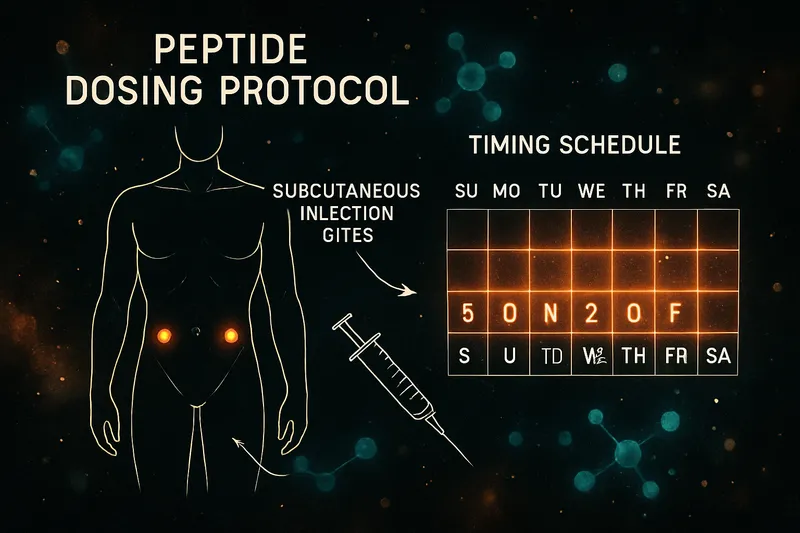
The most commonly discussed protocol in research communities uses subcutaneous injection for both peptides:
BPC-157:
Dose: 250–500 mcg per injection
Frequency: 1-2 times daily
Daily total: 250–1000 mcg
Injection site: Subcutaneous, as close to the injury site as practical
TB-500:
Loading phase (weeks 1-4): 2.0–2.5 mg, twice per week
Maintenance phase (weeks 5+): 2.0–2.5 mg, once per week
Injection site: Subcutaneous; TB-500 is systemically active, so injection site is less critical than BPC-157
Why the Dosing Approaches Differ
BPC-157 and TB-500 have different pharmacokinetic profiles, which is why their dosing patterns differ:
BPC-157 has a relatively short half-life and appears to have some local tissue concentration effects. This is why it's typically dosed more frequently (daily or twice daily) and injected near the injury site when possible. The rationale is to maintain consistent tissue-level concentrations at the repair site.
TB-500 has a longer systemic half-life and works primarily through systemic mechanisms — actin regulation and cell migration occur throughout the body, not just at the injection site. This allows for less frequent dosing. The "loading phase" approach aims to build up tissue saturation, followed by maintenance dosing to sustain levels.
Common Cycle Structures
4-Week Intensive Protocol (Acute Injury):
Week
BPC-157
TB-500
1
250 mcg 2x/day
2.5 mg 2x/week
2
250 mcg 2x/day
2.5 mg 2x/week
3
250 mcg 2x/day
2.5 mg 2x/week
4
250 mcg 2x/day
2.5 mg 2x/week
8-Week Standard Protocol (Chronic Injury/Tendinopathy):
Some protocols split the BPC-157 daily dose into two injections (morning and evening) rather than a single injection. The rationale is to maintain more stable tissue concentrations throughout the day given BPC-157's relatively short half-life. For example:
Single dose: 500 mcg once daily (morning)
Split dose: 250 mcg morning + 250 mcg evening
Both approaches are commonly discussed. The split dosing approach adds injection frequency but may provide more consistent peptide levels. For those who prefer fewer injections, once-daily dosing is considered acceptable.
Injection Technique Notes
Subcutaneous injection is the standard route for both peptides
BPC-157: Inject as close to the injury area as practical. For abdominal/GI issues, abdominal subcutaneous injection is common. For a knee injury, inject into the subcutaneous tissue around the knee
TB-500: Injection site is less critical since it works systemically. Common sites include the abdomen, deltoid area, or thigh
Reconstitution: Both peptides are typically supplied as lyophilized powder and reconstituted with bacteriostatic water
Storage: Reconstituted peptides should be refrigerated and used within 3-4 weeks
Oral BPC-157 Option
BPC-157 is notable among peptides for its oral bioactivity — it was originally studied as an oral agent for gastrointestinal protection. Some protocols use oral BPC-157 (typically at higher doses of 500-1000 mcg) for GI-related issues or as a convenience alternative to injection. However, for musculoskeletal injuries, subcutaneous injection near the injury site is generally preferred in research contexts [8][10].
6. Results Timeline
Individual responses to the Wolverine Stack vary significantly based on injury type, severity, individual physiology, and protocol adherence. The following timeline represents commonly reported experiences in research and clinical discussion contexts. This is not a guarantee of outcomes.
Week 1: Initial Response
Pain reduction: Many users report noticeable reduction in acute pain and inflammation within the first 3-7 days. This is consistent with TB-500's pro-resolving anti-inflammatory effects [22] and BPC-157's NO system modulation [4]
Improved sleep: Some users report improved sleep quality, possibly related to reduced pain and inflammation levels
Injection site: Mild redness or soreness at injection sites is common and typically resolves quickly
Week 2: Early Healing Signs
Improved range of motion: Reduced inflammation often translates to improved joint mobility for musculoskeletal injuries
Reduced swelling: Visible swelling reduction around injured areas
GI improvement: Those using BPC-157 for gut-related issues often report improvements in this timeframe
Weeks 3-4: Active Repair Phase
Functional improvement: Noticeable improvement in the ability to perform movements that were previously painful
Tendon/ligament injuries: Early-stage structural improvement. Studies on BPC-157 and tendon healing showed significant histological improvements within this timeframe in animal models [6][7]
Tissue palpation: Some users report that injured areas feel less "boggy" or swollen when palpated
Weeks 5-8: Consolidation
Continued structural healing: The proliferative and early remodeling phases of repair are active during this period
Strength gains around injury: Ability to progressively load injured tissue increases
Dose reduction: Many protocols reduce BPC-157 to once daily and TB-500 to weekly maintenance during this phase
Weeks 9-12: Maturation
Tissue remodeling: The longest phase of healing continues well beyond peptide use
Return to full activity: For moderate injuries, many users report being at or near full function
Protocol conclusion: Most standard Wolverine Stack protocols conclude within this window
Important Timeline Caveats
Severe injuries (complete tendon tears, significant surgical recovery) may require longer protocols and will show slower progress
Chronic conditions (long-standing tendinopathy, degenerative joint issues) often respond more slowly than acute injuries
These timelines are not validated in clinical trials — they represent commonly discussed experiences in the peptide research community
Tissue remodeling continues for months after the active peptide protocol ends. Full structural maturation of repaired tissue can take 6-12 months regardless of peptide use
7. Side Effects & Safety
BPC-157 Safety Profile
BPC-157 has demonstrated a remarkably benign safety profile in preclinical research. No lethal dose (LD1) has been established in animal studies — even at very high doses, researchers have not been able to identify organ toxicity or significant adverse effects [8][10].
The most commonly reported side effects in community discussions include:
Injection site reactions: Mild redness, swelling, or itching at the injection site (temporary)
Headache: Occasionally reported, usually mild and transient
Nausea: Rare, more commonly associated with oral administration
Dizziness: Infrequently reported, typically during the first few days
Gwyer et al. (2019) noted in their systematic review that no significant adverse effects were reported across the reviewed BPC-157 studies [10]. However, McGuire et al. (2025) appropriately cautioned that the absence of adverse effects in animal studies does not guarantee safety in humans, particularly with long-term use [12].
TB-500 Safety Profile
Thymosin Beta-4 has been through human clinical trials for wound healing and cardiac applications, providing some human safety data — more than exists for BPC-157. The Zhang et al. (2025) cardiac study reported that recombinant human Tβ4 was well-tolerated in patients with acute myocardial infarction [20].
Commonly reported side effects include:
Injection site reactions: Similar to BPC-157 — mild and temporary
Flu-like symptoms: Occasionally reported during the loading phase, typically resolving within 24-48 hours
Headache: Infrequently reported
Lethargy: Some users report temporary tiredness, particularly in the first week
Theoretical Concerns
Cancer risk: The most frequently raised theoretical concern with both peptides relates to angiogenesis and cell proliferation. Since both BPC-157 and TB-500 promote blood vessel formation and cell growth, there is a theoretical question about whether they could promote tumor growth in individuals with existing (diagnosed or undiagnosed) cancers.
There is currently no evidence that either peptide promotes cancer in the research literature. However, the theoretical concern is legitimate, and most clinicians recommend that individuals with active malignancies or a recent history of cancer avoid angiogenic peptides as a precaution.
Drug interactions: Limited data exists on interactions between BPC-157/TB-500 and pharmaceutical drugs. BPC-157's modulation of the NO system could theoretically interact with medications that affect nitric oxide signaling (e.g., PDE5 inhibitors, nitrates). Caution is warranted.
Who Should Avoid the Wolverine Stack
Individuals with active cancer or recent cancer history
Pregnant or breastfeeding women (no safety data)
Children (no pediatric data)
Those on anticoagulant therapy (theoretical concern with angiogenesis)
Individuals with a history of hypersensitivity to peptide products
8. Frequently Asked Questions
How quickly does the Wolverine Stack work?
Most users report some degree of pain reduction and reduced inflammation within the first week. Structural healing effects typically become noticeable in weeks 2-4. Full recovery timelines depend on injury severity — see the Results Timeline section for detailed week-by-week expectations.
Can I take BPC-157 and TB-500 at the same time?
Yes. The standard protocol involves using both peptides concurrently throughout the cycle. They can even be injected at the same time (in separate syringes at different sites, or some users combine them in the same syringe, though stability data for combined reconstitution is limited).
Do I need to inject near the injury, or does it work systemically?
BPC-157: Both local and systemic effects have been documented in research. However, injecting near the injury site is generally preferred for musculoskeletal injuries, as it may provide higher local tissue concentrations. For GI issues, oral or abdominal subcutaneous injection is common.
TB-500: Works systemically. Injection site is less critical — TB-500's primary mechanisms (actin regulation, cell migration signaling) operate throughout the body.
What's the difference between TB-500 and Thymosin Beta-4?
TB-500 is a synthetic peptide fragment containing the key active regions of full-length Thymosin Beta-4 (Tβ4). Tβ4 is 43 amino acids long; TB-500 contains a shorter active sequence. Most of the published research has been conducted on full-length Tβ4, though the TB-500 fragment contains the domains responsible for actin binding and wound healing activity. In practice, they're often discussed interchangeably, though this is not strictly accurate from a biochemical standpoint.
Is the Wolverine Stack legal?
BPC-157 and TB-500 are research peptides. They are not FDA-approved for any therapeutic indication. In the United States, they can be legally purchased for research purposes. Some compounding pharmacies may prepare them with a prescription. Regulations vary by country — check your local laws.
In 2022, the FDA issued an alert regarding BPC-157, classifying it as a substance that had not been adequately characterized for compounding use. This has affected availability through some compounding pharmacies but has not made the peptide itself illegal to possess for research purposes.
How long should I cycle the Wolverine Stack?
Most discussed protocols run 4-12 weeks depending on injury severity. There is no established evidence for optimal cycle length. Common approaches include:
4 weeks for mild injuries or preventative use
8 weeks for moderate injuries or chronic tendinopathy
12 weeks for significant structural injuries or post-surgical recovery
Some users take a break of 2-4 weeks between cycles if continued use is desired.
Can I use oral BPC-157 instead of injections?
BPC-157 is unique among peptides in demonstrating oral bioactivity. It was originally studied as an oral agent for GI protection [8]. For gastrointestinal applications, oral BPC-157 is a reasonable option. For musculoskeletal injuries, subcutaneous injection near the site is generally preferred, though some practitioners use oral BPC-157 as a complementary approach alongside injectable protocols.
What about adding GHK-Cu to the Wolverine Stack?
GHK-Cu (copper peptide) is sometimes added as a third component for its role in tissue remodeling and collagen synthesis. This creates what some call the "Enhanced Wolverine Stack." However, additional complexity means additional variables and unknowns. Many practitioners recommend starting with the standard BPC-157/TB-500 combination and adding components only if needed.
Are there any studies combining BPC-157 and TB-500?
No. As of 2026, there are no published studies examining the combination of BPC-157 and TB-500 (or full-length Tβ4) in the same experimental protocol. The rationale for the stack is based entirely on their individual, well-documented mechanisms and the principle of non-overlapping pathways. While this is a scientifically reasonable approach, it remains theoretical until combination studies are conducted.
9. Related Guides
Dive deeper into the individual peptides and comparisons featured in the Wolverine Stack:
The Wolverine Stack is the colloquial name for combining BPC-157 (a 15-amino-acid peptide derived from a gastric juice protein) and TB-500 (a synthetic fragment of Thymosin Beta-4). The core principle is non-overlapping mechanisms: BPC-157 primarily drives angiogenesis and modulates the nitric oxide system, while TB-500 focuses on actin regulation, cell migration, and anti-inflammatory signaling, addressing different phases of the healing cascade simultaneously.
What stacking protocols are documented for BPC-157 and TB-500 together?
The most commonly discussed research protocol uses subcutaneous injection for both: BPC-157 at 250–500 mcg per injection, 1–2 times daily (250–1000 mcg daily total), injected near the injury site; and TB-500 with a loading phase of 2.0–2.5 mg twice per week for weeks 1–4, then 2.0–2.5 mg once weekly for maintenance. Most discussed protocols run 4–12 weeks depending on injury severity.
Are there any published studies combining BPC-157 and TB-500?
No. As of 2026, the article reports there are no published studies examining BPC-157 and TB-500 (or full-length Tβ4) in the same experimental protocol. The rationale for the stack is based entirely on each peptide's individual documented mechanisms and the principle of non-overlapping pathways, which the article describes as scientifically reasonable but theoretical until combination studies are conducted.
What results timeline do community sources describe?
Community and clinical-discussion sources describe noticeable reduction in acute pain and inflammation within the first 3–7 days, improved range of motion and reduced swelling in week 2, early structural improvement in weeks 3–4, and consolidation through weeks 5–8. The article notes these timelines are not validated in clinical trials and that tissue remodeling can continue for 6–12 months regardless of peptide use.
What do sources report about side effects and who should avoid the stack?
BPC-157 is described as having a benign preclinical safety profile with no established lethal dose in animal studies; commonly reported effects for both peptides include mild temporary injection-site reactions, occasional headache, and TB-500 flu-like symptoms during loading. A theoretical pro-angiogenic cancer concern is noted with no current evidence of cancer promotion. The article lists individuals with active or recent cancer, pregnant or breastfeeding women, children, those on anticoagulant therapy, and those with peptide hypersensitivity as groups that should avoid the stack.
What's the difference between TB-500 and Thymosin Beta-4?
TB-500 is a synthetic fragment containing the key active region of full-length Thymosin Beta-4 (Tβ4). Tβ4 is 43 amino acids long; TB-500 contains a shorter active sequence with the actin-binding and wound-healing domains. Most published research has been conducted on full-length Tβ4, and the article notes they are often discussed interchangeably though this is not strictly accurate biochemically.
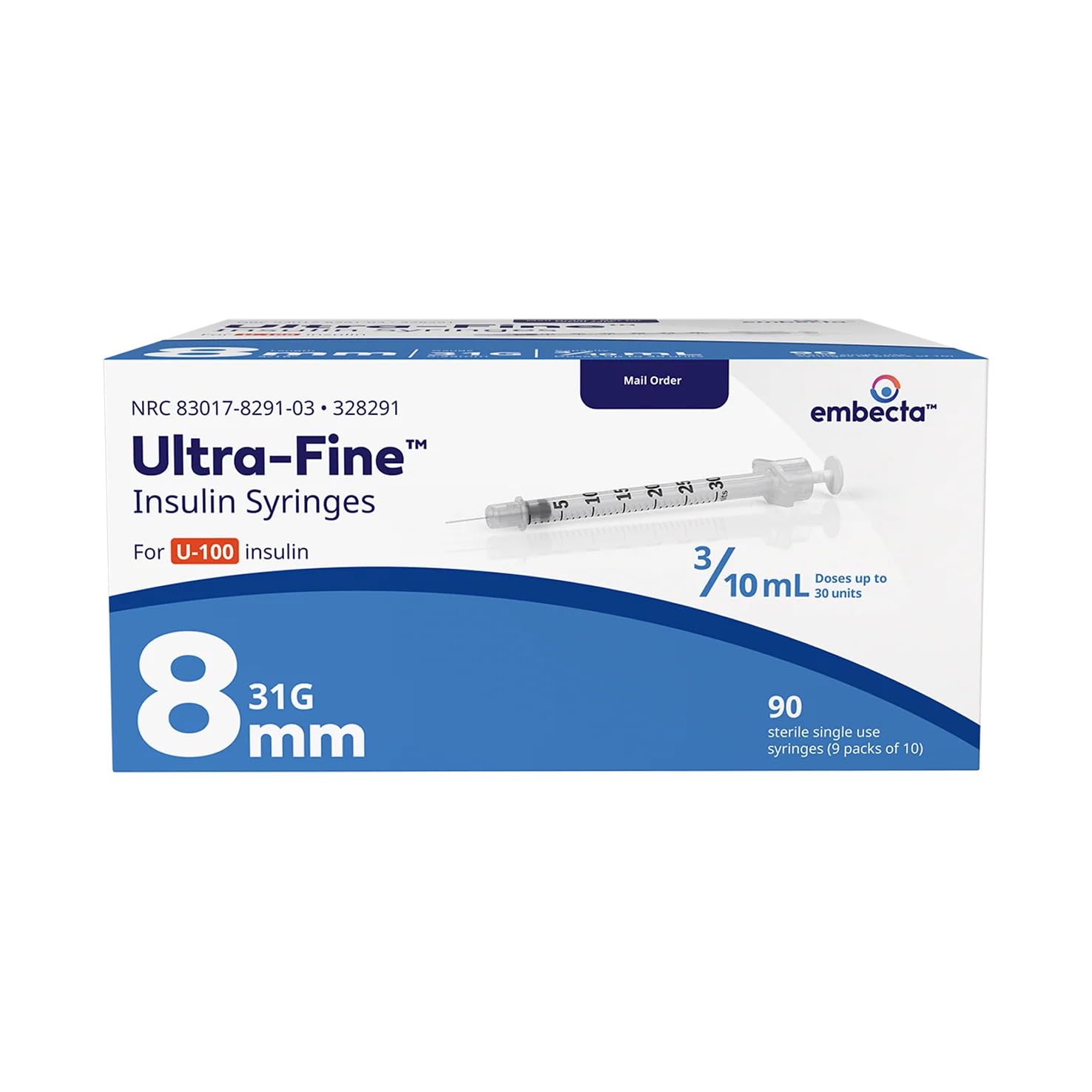
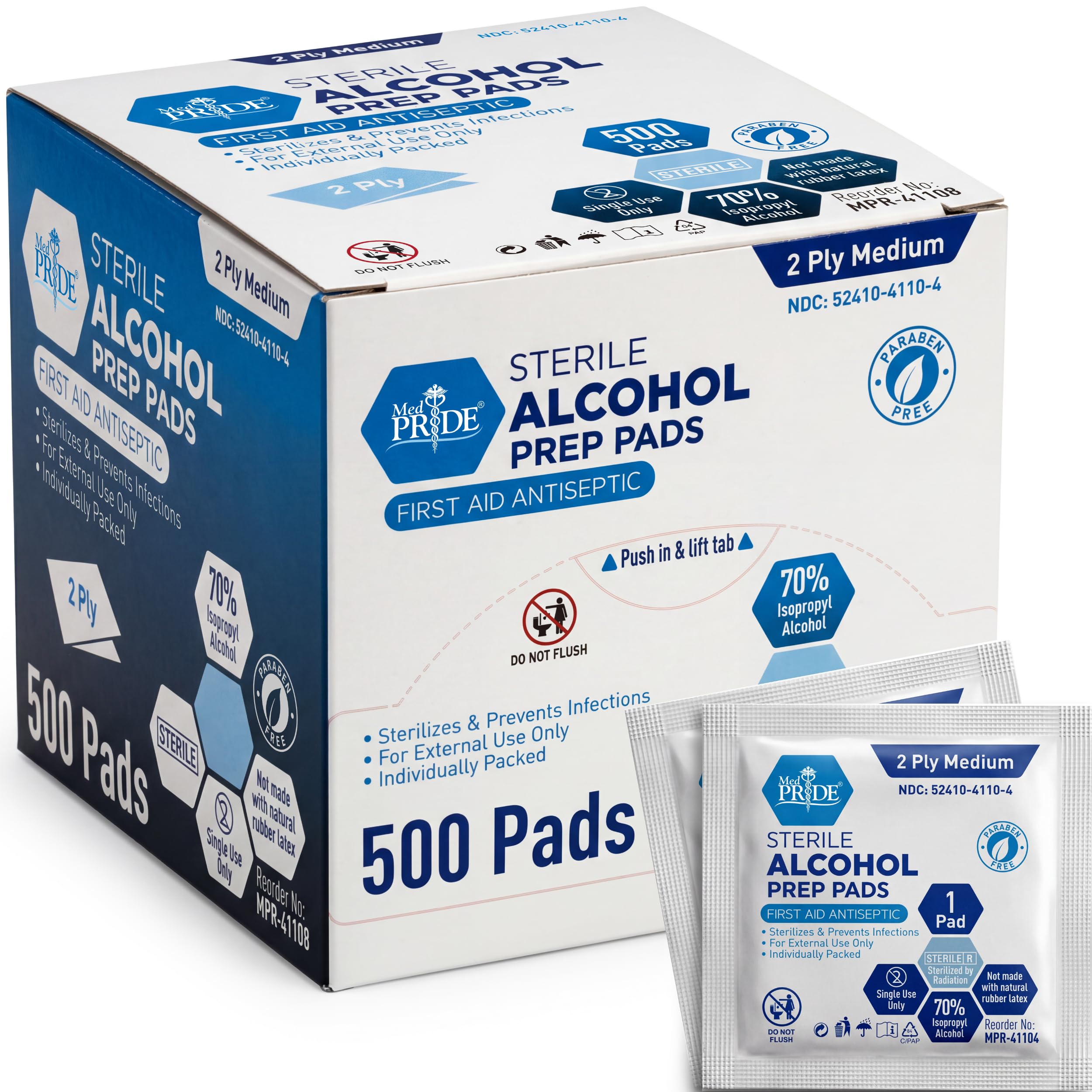
Research Supplies for BPC-157
Hand-picked storage, injection, and recovery supplies paired with BPC-157 protocols.
All citations below have been verified against the NCBI PubMed database. Click any PMID link to view the original publication.
Sikiric P, et al. "Stable Gastric Pentadecapeptide BPC 157 as a Therapy and Safety Key: A Special Beneficial Pleiotropic Effect Controlling and Modulating Angiogenesis and the NO-System." Pharmaceuticals (Basel). 2025. PMID: 40573323
Seiwerth S, et al. "BPC 157 and Standard Angiogenic Growth Factors. Gastrointestinal Tract Healing, Lessons from Tendon, Ligament, Muscle and Bone Healing." Curr Pharm Des. 2018. PMID: 29998800
Chang CH, et al. "Pentadecapeptide BPC 157 enhances the growth hormone receptor expression in tendon fibroblasts." Molecules. 2014. PMID: 25415472
Gwyer D, et al. "Gastric pentadecapeptide body protection compound BPC 157 and its role in accelerating musculoskeletal soft tissue healing." Cell Tissue Res. 2019. PMID: 30915550
Huff T, et al. "beta-Thymosins, small acidic peptides with multiple functions." Int J Biochem Cell Biol. 2001. PMID: 11311852