NSI-189 is unusual among research nootropics because its safety record is not a guess — it was actually measured in humans. NSI-189 is a synthetic small molecule (a benzylpiperazine-aminopyridine, not a peptide) developed by Neuralstem for major depressive disorder, and it reached Phase 2 trials before development was discontinued. Across those trials, NSI-189 was reported as well tolerated with no serious adverse events attributable to the drug — one of the cleaner short-term tolerability records in this category (CLINICAL). The honest caveat sits right beside it: that record covers only up to 12 weeks of exposure, the Phase 2 trial still failed its primary efficacy endpoint, and there is no long-term human safety data of any kind.
That combination — a reassuring short-term tolerability signal attached to a failed efficacy trial — is the whole story, and it is easy to misread one as the other. This article keeps three streams separate and labeled: the trial-documented tolerability data (the strongest signal here), what is not established (long-term safety, plus a theoretical proliferation-signaling note that is mechanistic reasoning rather than an observed effect), and the anecdotal side effects community and vendor sources describe (COMMUNITY). A drug being safe to take for three months is not the same as a drug working, and neither is the same as it being safe for a year.
Research-context information only. NSI-189 is an investigational compound studied in human trials but not FDA-approved; its clinical program was discontinued, and material sold today is a research chemical labeled not for human consumption. Protocols, doses, and reactions reported below come from published trials and self-reported community sources. This article reports what has been documented, not what should be done. Consult a licensed physician for personal medical decisions.
In order, this article walks through the trial safety record (what Phase 1B and Phase 2 actually reported), the anecdotal side effects community sources describe and how they overlap with the trial data, what is not established about long-term safety, and why tolerability and efficacy have to be read as two separate things here.
The Trial Safety Record
CLINICAL. NSI-189 was studied in two human trials, and both reported the same thing about safety: it was well tolerated.
The Phase 1B study (Fava et al., Molecular Psychiatry, 2016, PMID 26643541) was a randomized, double-blind, placebo-controlled multiple-dose-escalation study in 24 patients with major depressive disorder. It tested three cohorts — 40 mg once daily, 40 mg twice daily (80 mg/day), and 40 mg three times daily (120 mg/day) — over 28 days. NSI-189 was reported as relatively well tolerated at all doses, up to 120 mg/day, with no serious adverse effects. The most common adverse events were headache, dizziness, and somnolence.
The Phase 2 study (Papakostas et al., Molecular Psychiatry, 2020, PMID 30626911) was a larger, 12-week, double-blind, placebo-controlled monotherapy trial in 220 outpatients with major depressive disorder, testing 40 mg/day and 80 mg/day against placebo. On safety, it echoed the Phase 1B finding: NSI-189 was described as safe and well tolerated, with no serious adverse events attributable to the drug and low discontinuation for intolerance in the active arms (in one stage, placebo had comparable or higher early discontinuation).
Two limits are essential to read alongside that record. First, it covers only up to 12 weeks of exposure — the longest any human took NSI-189 in a controlled study. Second, this is a tolerability record, not an efficacy result: the same Phase 2 trial failed its primary MADRS endpoint (40 mg p=0.224; 80 mg p=0.344 vs placebo), and clinical development was discontinued. NSI-189 was well tolerated and did not significantly beat placebo on its main depression measure. The good safety signal does not mean the drug worked.
Note on labeling: the effects below come from nootropic forums, vendor comment sections, and user write-ups for research-chemical NSI-189 taken orally as powder or capsules. They are anecdotal. They are not incidence rates, are not from clinical trials, and are frequently inconsistent — a meaningful share of community reports describe no noticeable effects at all. Where these overlap with the trial-documented adverse events, that is noted; where they go beyond the trial record, that is the point at which the evidence weight drops to community anecdote.
Headache, dizziness, and somnolence
COMMUNITY. The anecdotal complaints that line up most closely with the trial data are headache, dizziness, and a sedating or sleepy feeling — the same three adverse events the Phase 1B study flagged as most common. Community reports describe these as generally mild and often dose-related, fading or appearing as users adjust the ~40-80 mg/day they take. This is the one cluster where the community reports and the trial-documented adverse events point in the same direction, which makes it the most credible of the anecdotal complaints — though the community accounts are still self-reported and uncontrolled, not incidence figures.
Irritability, anxiety, and blunted affect
COMMUNITY. Beyond the trial-overlapping symptoms, community sources describe mood-side effects that the trials did not formally catalog. Some users report irritability or heightened anxiety; others describe the opposite of the sought-after effect — a "flat" or blunted affect, emotional numbing, or persistent fatigue rather than the mood lift and motivation they were after. These reports are inconsistent and contradictory: a portion of the same community describes improved mood and drive, so the pattern reads as individual variation rather than a consistent NSI-189 effect. And some users report feeling nothing at all. None of this is placebo-controlled.
Sleep and GI changes
COMMUNITY. Self-reported sleep changes — difficulty falling asleep, lighter sleep, or vivid dreams — and general gastrointestinal upset (nausea, stomach discomfort) appear sporadically in anecdotal accounts. Neither was a prominent finding in the trial adverse-event record, and community reports show no consistent dose relationship for either. As with the rest of this section, these are uncontrolled self-reports, not measured incidence rates.
What Is Not Established
Two things sit firmly in the "not established" column.
First, there is no long-term human safety data. The longest controlled human exposure to NSI-189 was about 12 weeks. What happens with continuous use over months or years has never been studied, and the community pattern of on/off cycling rests on no human safety data behind any particular cycle length beyond those trial exposures. A clean 12-week record says nothing about a 12-month one.
Second, there is a theoretical mechanistic consideration, not a documented adverse effect. NSI-189's development rationale was stimulating hippocampal neurogenesis — promoting proliferation and differentiation of neural stem cells. A compound that promotes cell proliferation has, in principle, unknown long-term proliferative-signaling implications. This is mechanistic reasoning drawn from the proposed mechanism, and it must be read as exactly that: no trial reported any proliferative or oncological adverse event with NSI-189, and the mechanism itself is best described as proposed and only partially characterized in the published record. It is a reason for caution about the unknown, not a demonstrated harm.
Tolerability vs Efficacy: Keep Them Separate
The easiest mistake to make with NSI-189 is to read its good tolerability as evidence it works. It is not. These are two separate questions, and on the human record they had two different answers.
On tolerability, the answer was genuinely reassuring at ≤12 weeks: well tolerated across Phase 1B and Phase 2, no serious adverse events attributable to the drug, mild and mostly dose-related common adverse events (PMID 26643541; PMID 30626911).
On efficacy, the answer was negative. The Phase 2 trial's prospectively-defined primary MADRS endpoint failed — neither the 40 mg (p=0.224) nor the 80 mg (p=0.344) dose beat placebo significantly (PMID 30626911). A later post-hoc subgroup analysis reported that 80 mg appeared to benefit moderately-depressed patients (baseline MADRS < 30) but not severely-depressed ones (Johe et al., 2020, PMID 32722729). That is a post-hoc finding — hypothesis-generating only, not confirmatory — and it does not change the failed primary endpoint.
The accurate one-line summary, then, is a safe-but-ineffective short-term profile: well tolerated for up to 12 weeks, with no demonstrated efficacy on its primary depression measure and no long-term safety data. Reading the tolerability as a green light on either efficacy or long-term safety is the error this section exists to prevent.
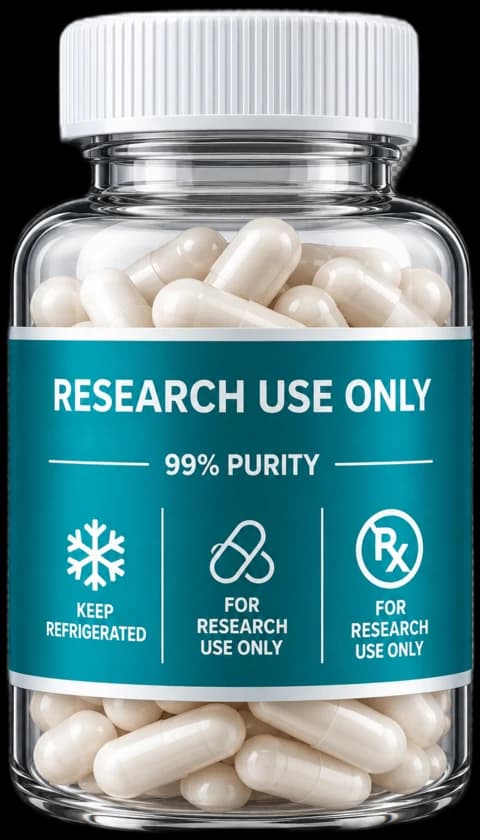
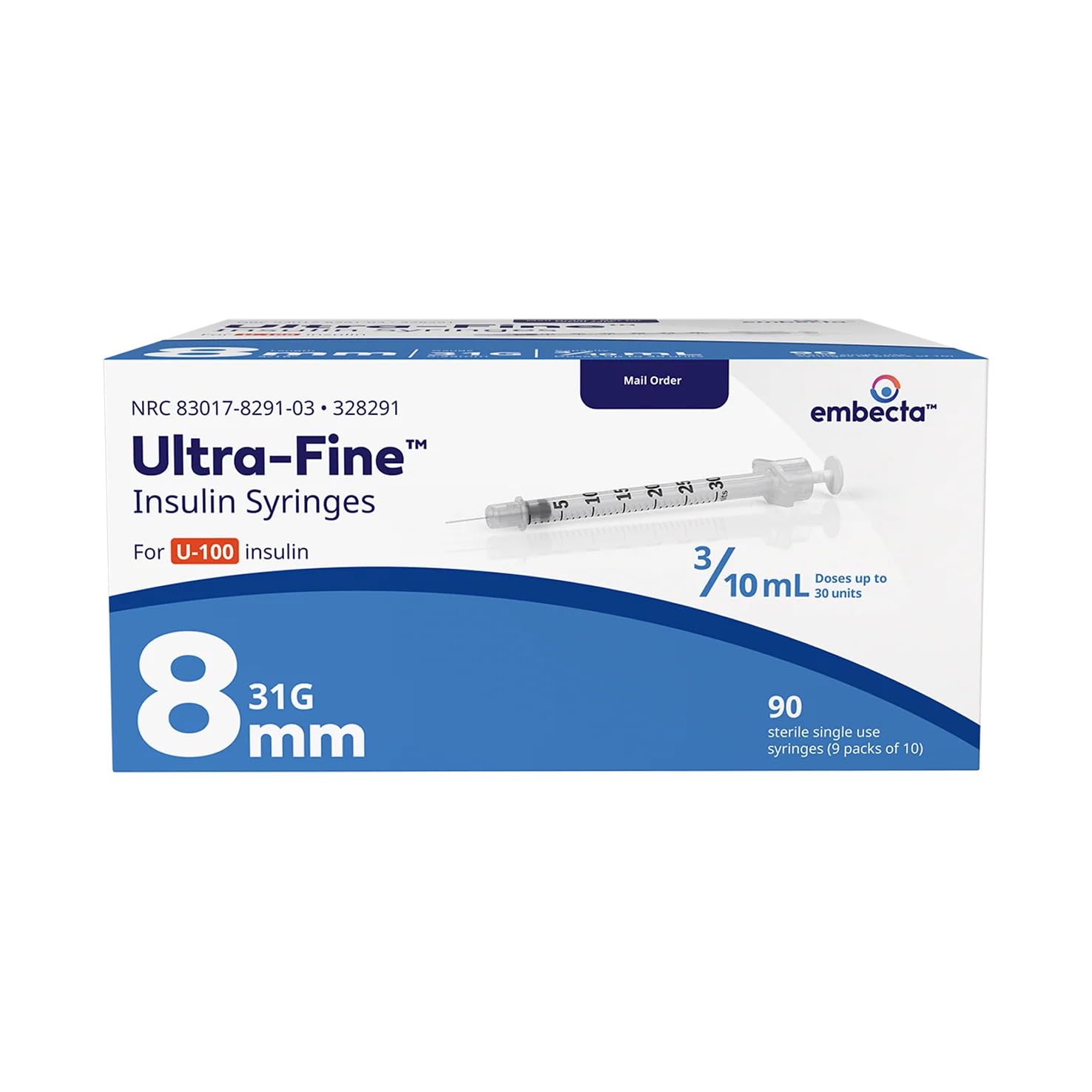
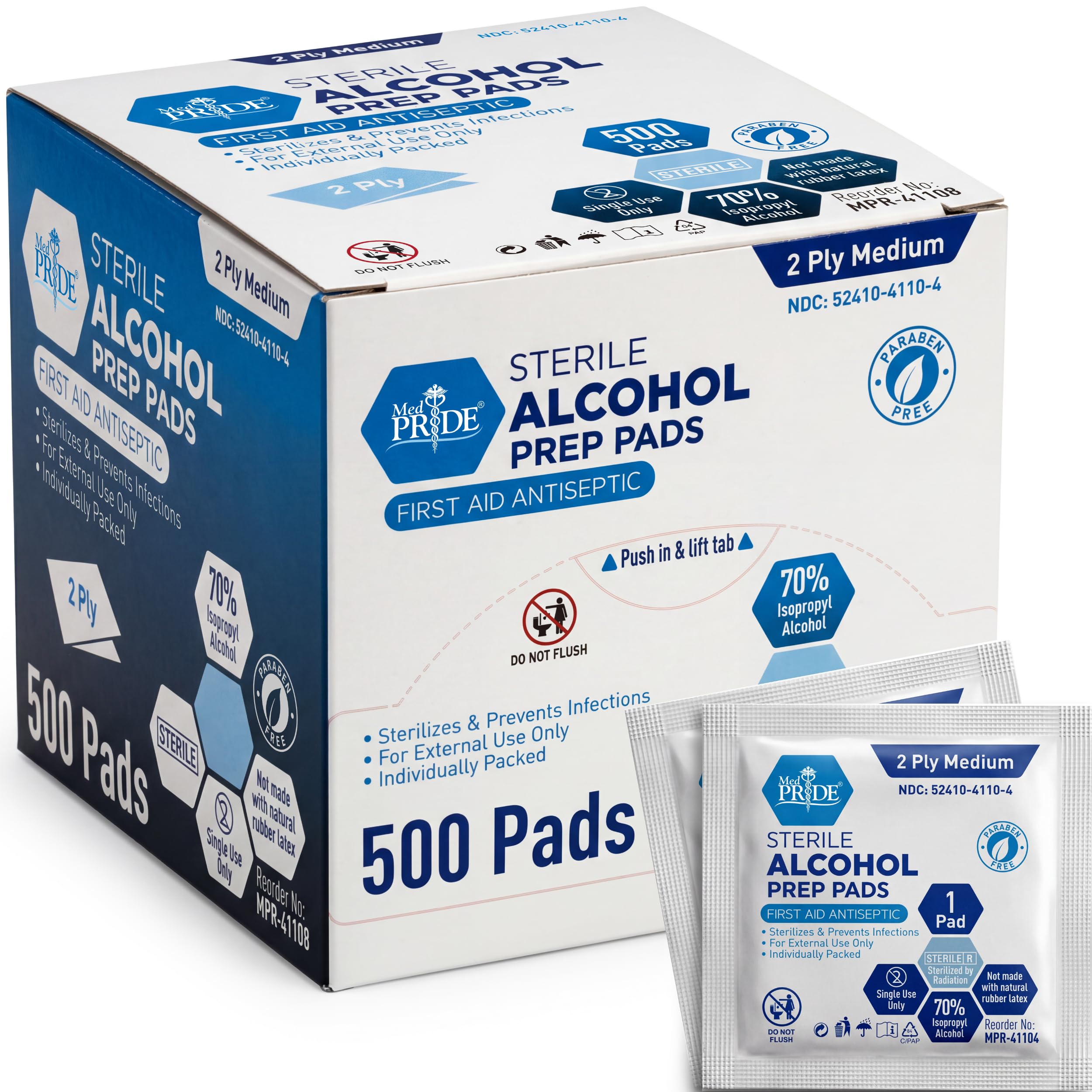
Core Supplies for This Protocol
The essentials for running any reconstituted injectable: cold storage, accurate syringes, alcohol prep pads, and metabolic tracking.
As an Amazon Associate, The Peptide Catalog earns from qualifying purchases.
Full catalog →
References
| Citation |
Topic |
PMID |
| Fava et al., Mol Psychiatry (2016) |
Phase 1B: well tolerated (40/80/120 mg/day), no SAEs; AEs headache/dizziness/somnolence |
26643541 |
| Papakostas et al., Mol Psychiatry (2020) |
Phase 2 (n=220): FAILED primary MADRS endpoint; safe and well tolerated, no SAEs |
30626911 |
| Johe et al., Ann Clin Psychiatry (2020) |
Post-hoc: 80 mg benefit in moderate-depression subgroup only — hypothesis-generating |
32722729 |
For educational and research purposes only. This is not medical advice. NSI-189 is not FDA-approved and is sold for research use only. Consult a healthcare provider before use.