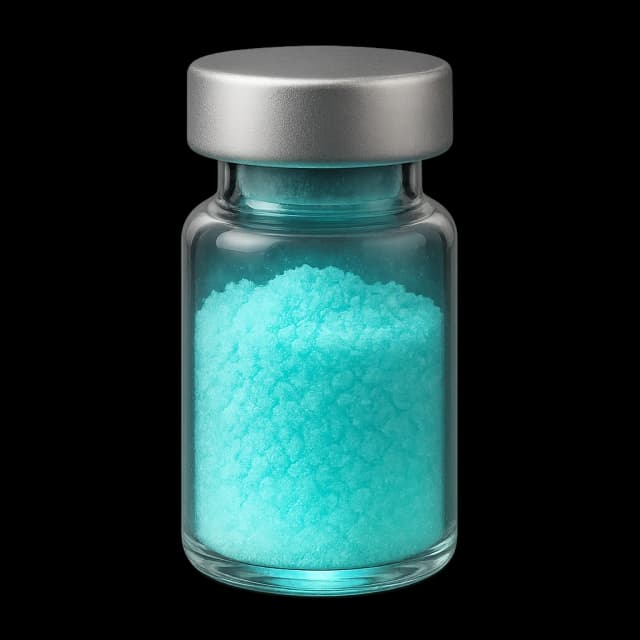
P-21 (also written P021) is a synthetic adamantane-modified tetrapeptide — Ac-DGGLAG-NH2 — derived from the active region of ciliary neurotrophic factor and studied as a neurogenesis-promoting research compound. Its honest safety picture starts with an absence: there are no published human clinical trials of P-21, and therefore no human safety, toxicology, or pharmacokinetic data of any kind. Everything below is either preclinical animal work, a generic theoretical concern drawn from the proposed mechanism, or self-reported community anecdote — each labeled by source class so the evidence weight is never blurred.
P-21 differs from many research nootropics in one respect worth stating up front: its literature is clean. No retractions or integrity flags were found for any P-21 paper, in contrast to compounds like Dihexa whose foundational mechanism papers were retracted in 2025. But that is the opposite kind of limitation, not a reassurance — P-21's evidence is intact yet entirely preclinical, in rodent models, and largely from a single originating lab. Against that backdrop, the only side-effect signal of any consistency is an anecdotal one: sleep disruption and overstimulation reported by community users, mostly at higher doses or evening dosing.
Research-context information only. P-21 is a research compound sold not for human consumption. Protocols, doses, and reactions reported below come from published preclinical research and self-reported community/vendor sources. This article reports what has been documented, not what should be done. Consult a licensed physician for personal medical decisions.
This article walks through three things in order: the no-human-data reality and what preclinical work does and doesn't establish, the community-reported adverse effects with sleep disruption at the center, and the generic theoretical caution that applies to any neurotrophic compound. It closes on the research-integrity context — why a clean literature still does not amount to a human safety profile.
The Safety Reality: No Human Data Exists
The single most important fact for a reader evaluating P-21's safety is that no human has ever taken it in a published controlled study. There is no Phase 1 trial, no toxicology dossier, no characterized human dose, no human pharmacokinetics, and no adverse-event registry. A ClinicalTrials.gov check surfaces no registered trials of P021. Some secondary sources describe the compound as being in preclinical "development" for neurodegenerative indications, but that is a development-stage description, not human evidence.
What exists is preclinical, and it is internally consistent but narrow. The body of rodent work — chronic oral dosing in aged rats (Bolognin 2014, PMID 24702821) and in an Alzheimer's model (Kazim 2014, PMID 25046994, which also reported a survival increase from 41% to 87%) — described tolerability and did not flag overt toxicity in the published behavioral and pathology readouts. That is a meaningful signal of direction, but two caveats keep it from being a safety profile: comprehensive toxicology has not been published, and rodent tolerability is not human tolerability.
The practical consequence: the conventional side-effects framework used for trial-backed peptides — incidence percentages, discontinuation rates, dose-response curves from clinical data — does not exist for P-21. Everything that follows is graded down accordingly.
5mg · sold research-use-only · we may earn a commission
Community-Reported Side Effects
Note on labeling: the effects below come from forums, vendor comment sections, and user write-ups for research-chemical P-21, reconstituted from a lyophilized vial and used subcutaneously or intranasally. They are anecdotal. They are not from clinical trials, are not incidence rates, and are frequently inconsistent — a meaningful share of community reports describe no noticeable effects at all, while others describe overstimulation. None is placebo-controlled or verified.
Sleep disruption and overstimulation
The most consistently mentioned anecdotal complaint is sleep disruption, often framed as overstimulation or feeling "wired" — difficulty falling asleep or lighter sleep on the nights of dosing. Community sources tie it to dose and timing: it is reported more often at the higher end of the community range and with later-in-the-day dosing. This single pattern is the basis for the widely repeated "dose in the morning" community advice. It is the closest thing P-21 has to a recurring adverse signal, and it is still anecdotal — there is no incidence rate behind it and no dose threshold confirmed in any human data.
Headache, irritability, and feeling "wired"
Beyond sleep, community reports occasionally describe headache, irritability, or a general "wired" restlessness — usually mentioned in the same breath as overstimulation rather than as separate complaints. These appear sporadically and inconsistently across self-reports, with no documented dose relationship and no way to confirm cause. As with the sleep reports, a portion of community users describe none of these effects at all.
Injection-site and intranasal reactions
Because P-21 ships as a lyophilized vial and community use involves reconstituting it with bacteriostatic water and dosing subcutaneously — with intranasal also described — the generic local risks apply. Subcutaneous users mention injection-site reactions (redness, soreness, minor irritation); intranasal users mention local nasal irritation. These are the non-specific reactions of any reconstituted peptide handled outside a clinical setting, not a P-21-specific finding, and they are anecdotal.
Bac Water Made for Peptides
Don't risk a $300 peptide on generic bac water.
Most cloudy reconstitutions trace back to one thing — and it isn't the peptide. Sterile, non-pyrogenic, 0.9% benzyl alcohol — formulated for peptide reconstitution, not repackaged from generic stock.
✓ 0.9% benzyl alcohol✓ Made for peptides✓ 30 mL multi-dose
In rodent models, P-21's proposed mechanism runs through neurotrophic and neurogenic signaling: increased BDNF transcription, enhanced dentate-gyrus neurogenesis, and downstream reduction in GSK-3β activity (Kazim 2017, PMID 28368015). Whenever a compound is described as chronically upregulating growth and proliferative signaling, a generic theoretical caution follows — the same one raised for any neurotrophic agent: in principle, sustained potentiation of growth pathways is a mechanism researchers flag for oncological caution.
Two things keep that caution generic rather than specific to P-21. First, unlike the Dihexa HGF/c-Met discussion, there is no specific cancer-pathway literature tying P-21 to malignancy, and no published study has reported such an effect in either direction. Second, the mechanism itself is preclinical — it is what the rodent and in-vitro work describes, not something measured in a human brain. The honest framing is that this is generic mechanistic reasoning about a class of compounds, not a demonstrated P-21 risk. It is neither confirmed nor refuted by data, because no relevant human data exists.
The Research-Integrity Context
P-21's safety picture cannot be separated from the state of its evidence base — but here the story runs opposite to the cautionary nootropic norm. A review of the literature found no retractions and no expressions of concern for any P-21 paper. The foundational synthesis work (Li 2010, PMID 20600002) and the disease-model studies that followed are intact. That is a genuine difference from compounds like Dihexa, whose core mechanism papers were retracted in 2025.
The limitation is the opposite kind, and it is just as important to state plainly. The P-21 evidence base is a coherent body of rodent work published roughly 2010–2019, largely from Khalid Iqbal's lab at the New York State Institute for Basic Research — disease and aging models, internally consistent in direction, but heavily single-lab and never independently reproduced in humans. "Disease-modifying in a mouse model, with a clean publication record" is not "characterized as safe in people." A clean literature widens credibility; it does not create a human safety profile. For P-21, that profile simply does not exist yet, and decisions about a compound with no human safety data are squarely matters for a licensed physician.
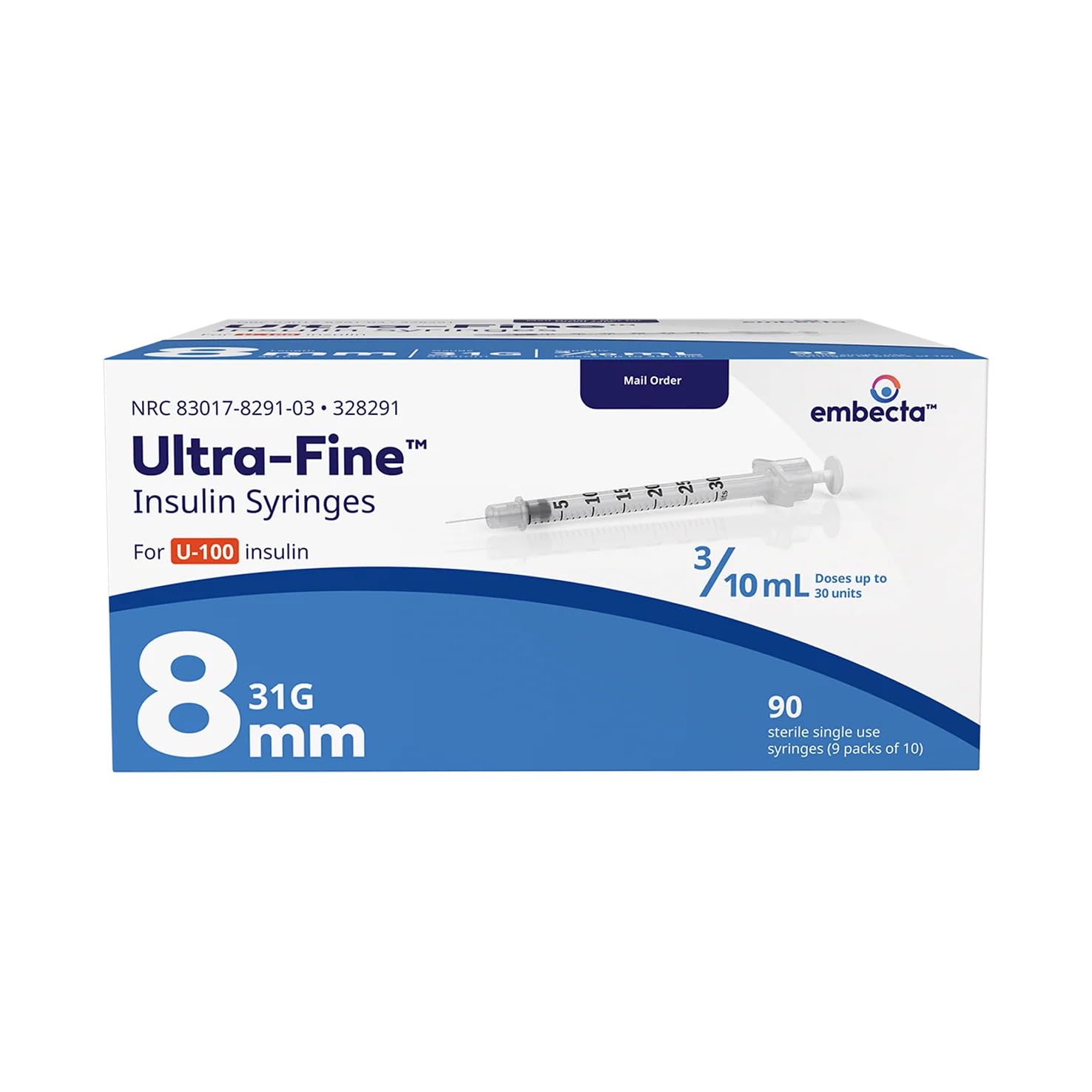
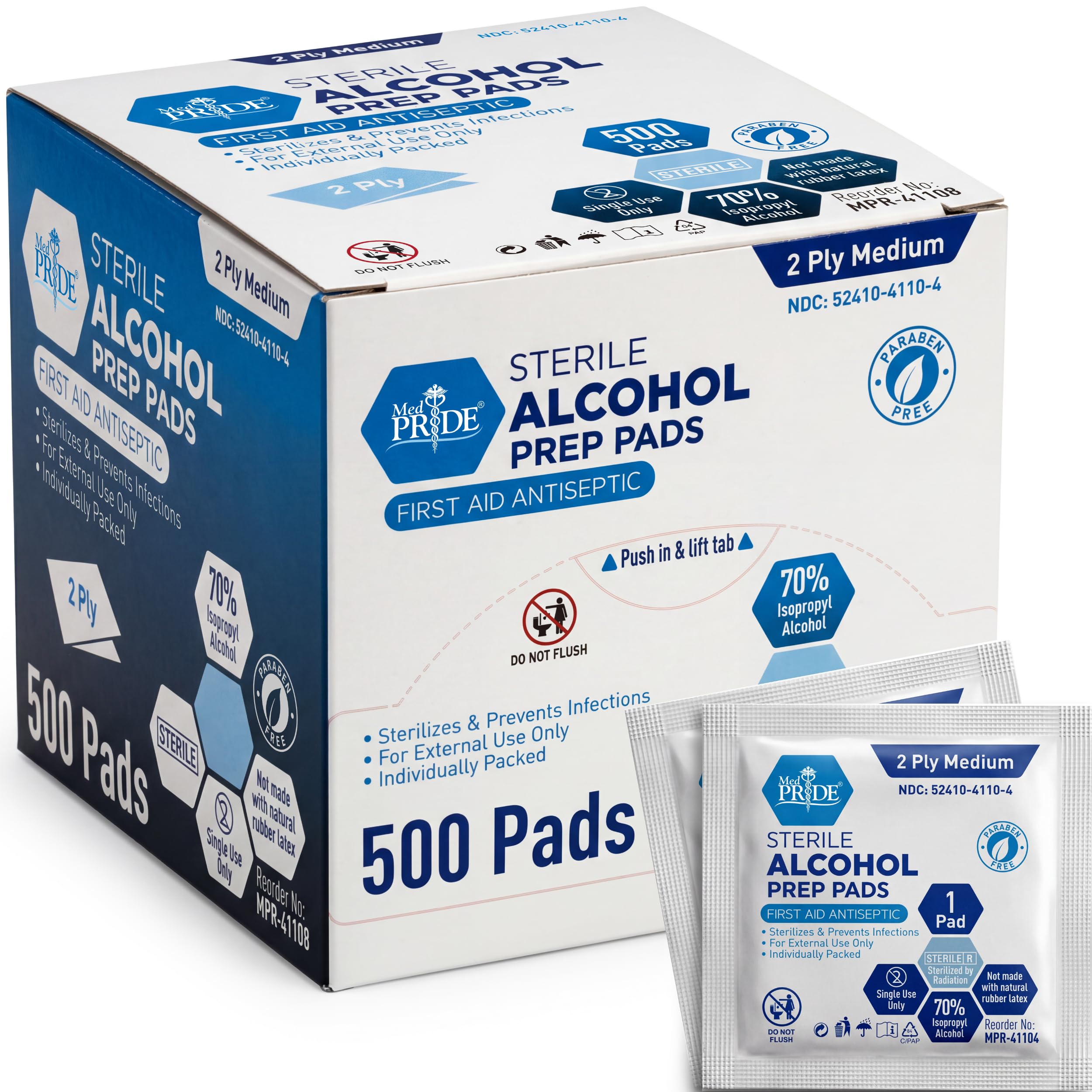
Core Supplies for This Protocol
The essentials for running any reconstituted injectable: cold storage, accurate syringes, alcohol prep pads, and metabolic tracking.
No. There are no published human clinical trials of P-21 (P021) and no trials registered on ClinicalTrials.gov, so there is no human safety, toxicology, or pharmacokinetic data of any kind. Rodent studies reported tolerability with chronic oral dosing and did not flag overt toxicity in the published readouts, but comprehensive toxicology has not been published — and rodent tolerability is not a human safety profile.
What side effects do community sources report with P-21?
The most consistent anecdotal complaint is sleep disruption or overstimulation, especially at higher doses or evening dosing — which is the basis for the common 'dose in the morning' community advice. Headache, irritability, or feeling 'wired' are mentioned occasionally, and injection-site or intranasal-irritation reactions are the generic risk for any reconstituted peptide. These reports are inconsistent and anecdotal.
Does P-21 carry a cancer risk like the Dihexa discussion?
There is no specific cancer-pathway literature tying P-21 to malignancy, and no published study reporting such an effect — a difference from the Dihexa HGF/c-Met oncology discussion. The only caution is the generic, theoretical one raised for any neurotrophic compound: chronic potentiation of growth/proliferative signaling. Frame it as generic mechanistic caution, not a P-21-specific finding.
Is the P-21 research compromised by retractions like Dihexa's?
No. No retractions or integrity flags were found for the P-21 literature, a genuine difference from Dihexa, whose foundational mechanism papers were retracted in 2025. P-21's limitation is the opposite kind: the work is clean but entirely preclinical, in rodent models, and largely from a single originating lab — with zero human data.
Related Reading
P-21 Overview — mechanism, evidence grade, and the no-human-data context
P-21 Benefits — what preclinical and community sources report
P-21 Dosing Guide — community-reported protocols, not clinical doses
For educational and research purposes only. This is not medical advice. P-21 is not FDA-approved and is sold for research use only. Consult a healthcare provider before use.