Research-grade semaglutide ships as a lyophilized powder in small vials — typically 3mg or 5mg. Trial protocols and community sources describe reconstitution with bacteriostatic water before use. The process is identical to other peptides, with the dose-escalation schedule making dilution choice particularly important.
This guide reports mixing, measurement across the documented escalation range, and storage.
Research-context information only. Semaglutide is the active ingredient in FDA-approved products for diabetes and chronic weight management; research-peptide and compounded forms are not FDA-approved and are sold for research purposes only. Protocols, doses, and reactions reported below come from published clinical trials and self-reported community sources. This article reports what has been documented, not what should be done. Possession or use of investigational drugs outside an authorized clinical trial may be illegal in your jurisdiction. Consult a licensed physician for personal medical decisions.
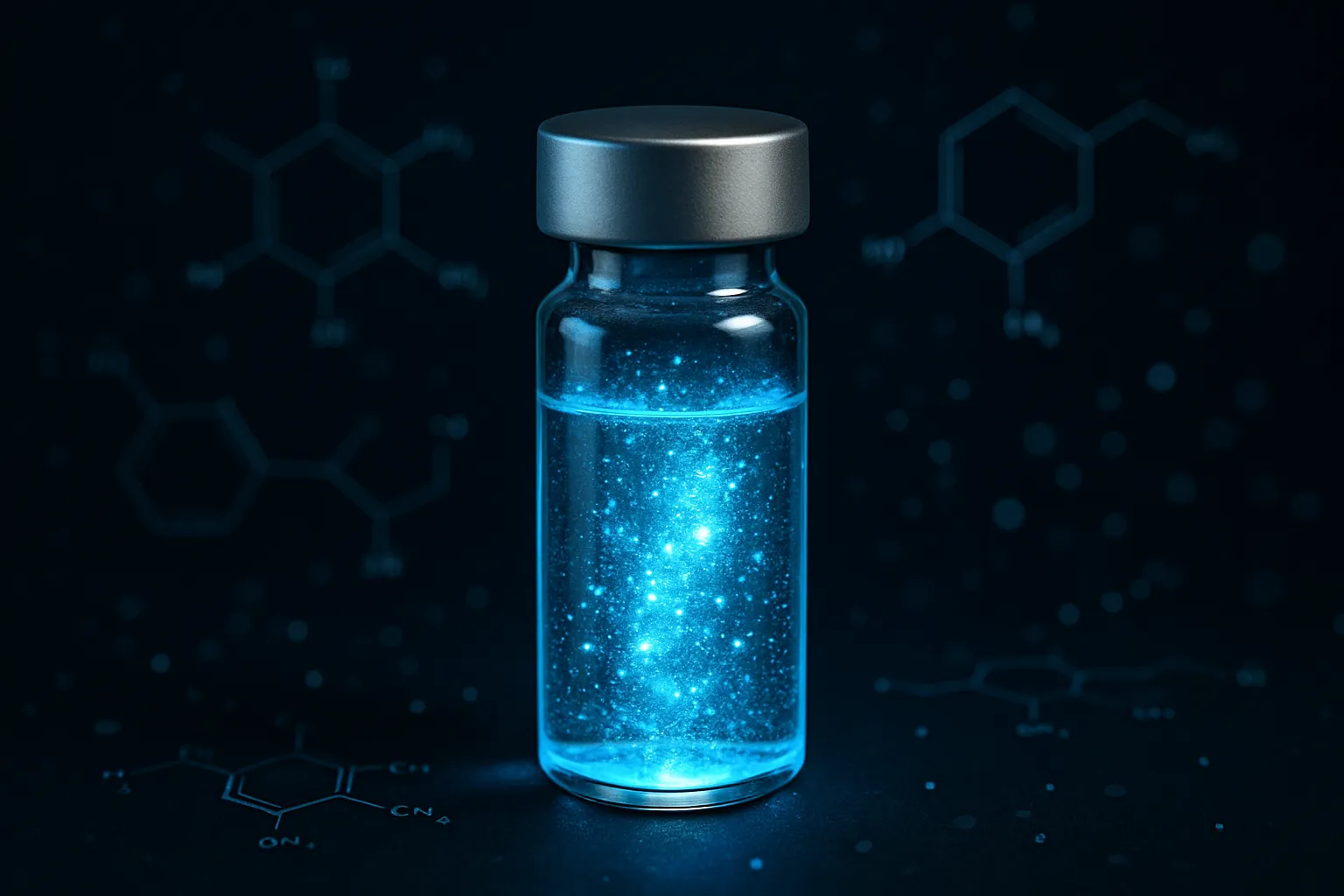
Semaglutide lyophilized vial (typically 3mg or 5mg)
Bacteriostatic water (BAC water) — not sterile water, not saline
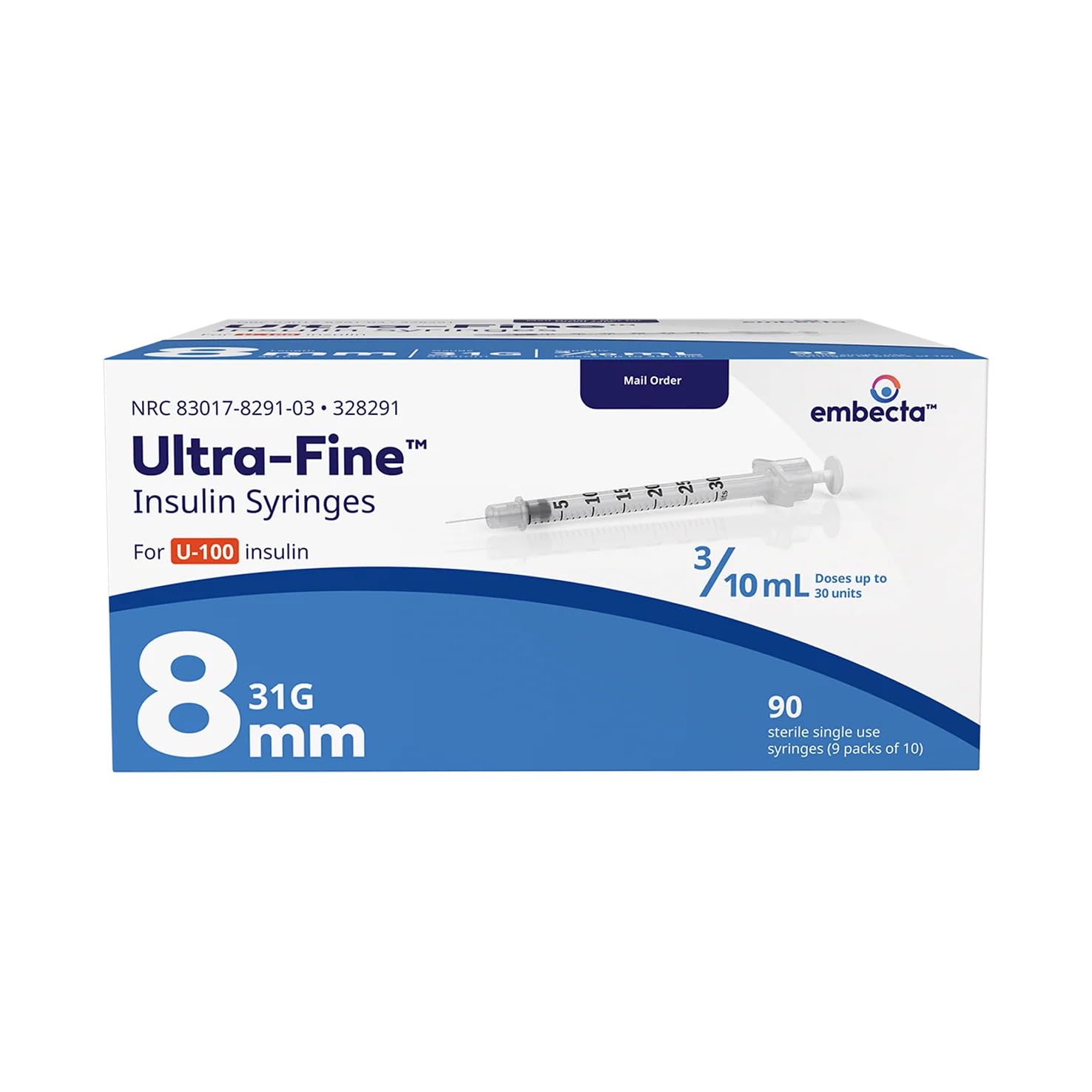
Insulin syringes — 1mL (100 unit), 29-31 gauge
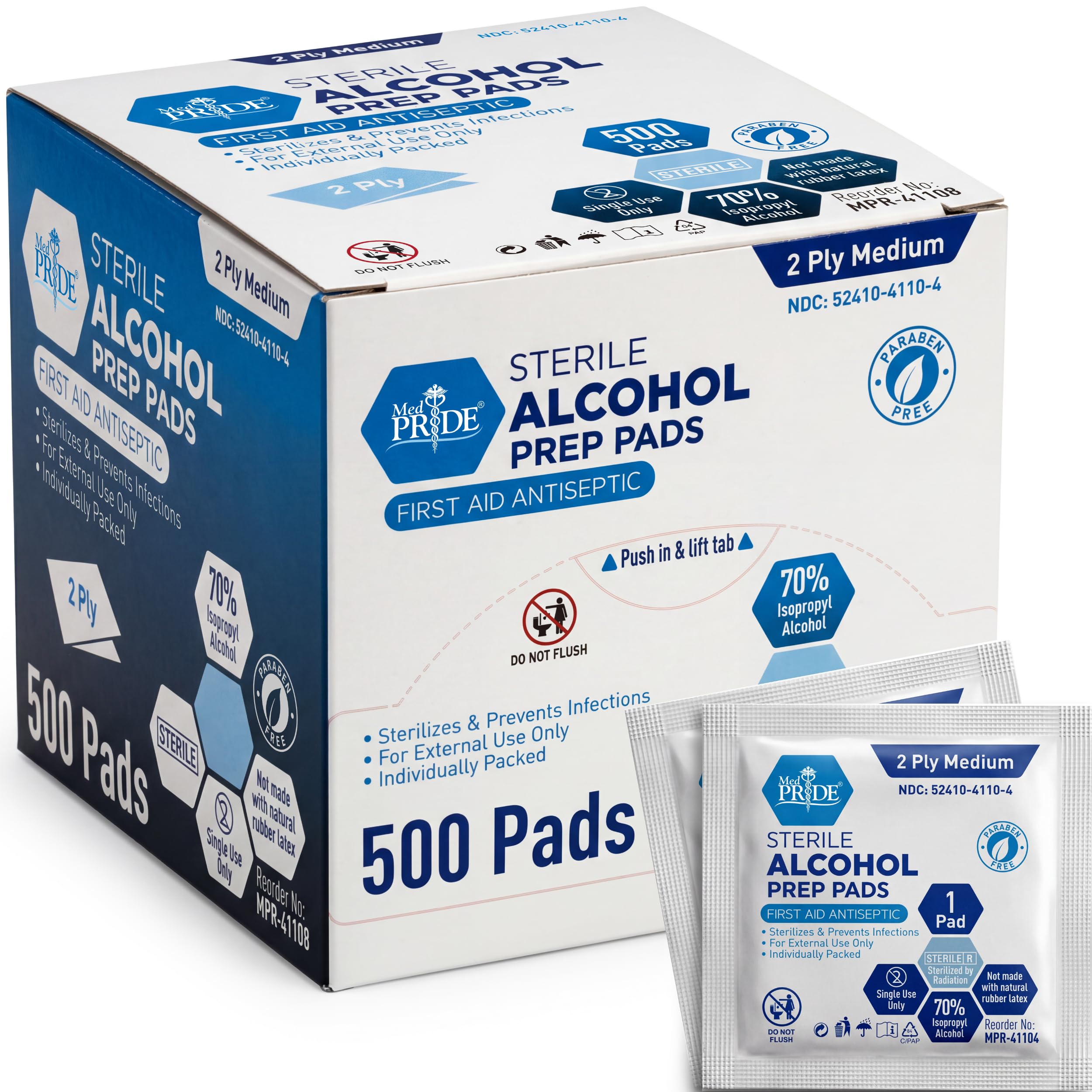
Alcohol swabs — for cleaning vial tops
A clean, flat workspace
Why bacteriostatic water? It contains 0.9% benzyl alcohol that suppresses bacterial growth. Sterile water has no preservative, so vials reconstituted with it are typically discarded within 24 hours. Because semaglutide is dosed once weekly and a single vial can span weeks, BAC water is the documented standard — published stability data show up to 28 days refrigerated.
Bac Water Made for Peptides50% off
Don't risk a $300 peptide on generic bac water.
Most cloudy reconstitutions trace back to one thing — and it isn't the peptide. Sterile, non-pyrogenic, 0.9% benzyl alcohol — formulated for peptide reconstitution, not repackaged from generic stock.
✓ 0.9% benzyl alcohol✓ Made for peptides✓ 30 mL multi-dose
Standard reconstitution practice is to wipe the tops of both vials (semaglutide and BAC water) with alcohol swabs and allow 10 seconds to air dry. This step is consistently cited as the contamination-prevention checkpoint.
Step 2: Drawing Bacteriostatic Water
A fresh insulin syringe is used to draw the BAC water volume. The volume drawn determines the final concentration (see dilution charts below).
The most-cited dilution for 5mg vials is 2mL of BAC water. It produces clean, measurable numbers across the documented escalation from 0.25mg through 2.4mg — all within the range of a single insulin syringe.
Step 3: Adding Water to the Peptide Vial
Trial protocols describe inserting the needle into the semaglutide vial at an angle, aiming at the glass wall — not directly at the powder. The water trickles down the side of the vial.
Squirting water directly onto the powder is discouraged in standard reconstitution practice. Peptides are fragile proteins; aggressive mixing can damage molecular structure and reduce potency.
Step 4: Dissolution
Standard reconstitution practice is to swirl the vial gently with a slow rotating motion. Trial protocols specify gentle swirling rather than shaking. Properly manufactured semaglutide is documented to dissolve within 1-2 minutes into a clear, colorless solution.
Particles remaining after 5 minutes of gentle swirling are commonly cited as a sign of degraded peptide.
Step 5: Storage
Reconstituted research peptides are typically refrigerated immediately at 36-46F (2-8C) in published stability studies. Reconstituted semaglutide stability with bacteriostatic water is documented at up to 28 days.
Dilution Charts
Why 2mL? Every dose in the standard escalation protocol stays measurable on a standard insulin syringe. At 2mL in a 5mg vial, the maximum 2.4mg dose is 96 units — within the 100-unit syringe.
The Math
The formula for any vial size and any amount of water:
Concentration = Peptide Amount (mcg) / Water Added (mL)
For injection volume:
Units to inject = Desired Dose (mcg) / Concentration (mcg/mL) x 100
Example: 5,000mcg vial + 2mL water = 2,500mcg/mL. For a 0.5mg (500mcg) dose: 500 / 2,500 x 100 = 20 units.
For the maximum dose: 2,400mcg / 2,500mcg/mL x 100 = 96 units — within a 1mL syringe.
Affiliate disclosure: vendor links in this article are affiliate links — The Peptide Catalog may earn a commission if you buy through them, at no additional cost to you.
Peptides are proteins. Shaking creates foam — air bubbles trapped against peptide molecules — which can denature the peptide at the air-liquid interface. Trial protocols specify gentle swirling rather than shaking.
Insufficient Water Volume
0.5mL added to a 5mg vial yields 10,000mcg/mL. A 0.25mg starting dose at that concentration is 2.5 units — at the edge of insulin-syringe measurement accuracy. Documented dilutions use at least 1mL, more commonly 2mL.
Failing to Plan for the Full Escalation
Semaglutide trial protocols escalate from 0.25mg to 2.4mg weekly over several months. Excess water places higher doses above a single syringe volume. At 2mL per 5mg vial, every dose from start to maximum fits in one draw — the most-cited dilution.
Room-Temperature Storage
Reconstituted semaglutide degrades rapidly above refrigerator temperature. Each hour at room temperature is documented to reduce potency. Standard practice is brief draw-and-return handling rather than extended counter time.
Reusing Needles
Each rubber-stopper puncture dulls the needle and increases contamination risk. A fresh syringe per draw is the documented standard.
Freezing Reconstituted Peptide
Freezing a liquid peptide solution forms ice crystals that can shear peptide bonds. Only lyophilized (powder) peptides tolerate freezing in published stability data — reconstituted vials are refrigerated, not frozen.
Doses Per Vial
Vial duration varies by dose escalation phase:
3mg vial:
At 0.25mg/week = 12 weeks
At 0.5mg/week = 6 weeks
At 1mg/week = 3 weeks
At 2.4mg/week = 1.25 weeks
5mg vial:
At 0.25mg/week = 20 weeks
At 0.5mg/week = 10 weeks
At 1mg/week = 5 weeks
At 1.7mg/week = ~3 weeks
At 2.4mg/week = ~2 weeks
A 5mg vial can cover the entire first 4 months of a slow escalation protocol starting at 0.25mg. At maintenance doses of 1.7-2.4mg, published protocols consume roughly one 5mg vial every 2-3 weeks.
Storage Quick Reference
State
Temperature
Shelf Life
Lyophilized (powder)
Room temp
6-12 months
Lyophilized (powder)
Refrigerated
2+ years
Lyophilized (powder)
Frozen (-20C)
3+ years
Reconstituted (BAC water)
Refrigerated
Up to 28 days
Reconstituted (sterile water)
Refrigerated
Use within 24 hours
Community sources commonly describe storing unopened vials frozen, with reconstitution limited to a 3-4 week supply.
Frequently Asked Questions
How much bacteriostatic water do I add to semaglutide?
For a 5mg vial, adding 2mL of bacteriostatic water produces 2,500mcg/mL. At the trial-documented starting dose of 0.25mg (250mcg), that equals 10 units on an insulin syringe. This dilution is the most cited in community sources because it keeps the full escalation range within a standard 100-unit syringe.
Can I use sterile water instead of bacteriostatic water for semaglutide?
Sterile water is an option, but bacteriostatic water contains 0.9% benzyl alcohol which prevents bacterial growth. With sterile water, the entire vial generally has to be used within 24 hours. Since semaglutide is dosed once weekly and a vial lasts multiple weeks, community resources strongly favor bacteriostatic water.
How do I handle semaglutide dose escalation with the same vial?
With a 5mg vial reconstituted in 2mL of BAC water, documented escalation steps are: 0.25mg = 10 units, 0.5mg = 20 units, 1mg = 40 units, 1.7mg = 68 units, 2.4mg = 96 units. Published protocols describe drawing the corresponding units each week as the dose advances.
How long does reconstituted semaglutide last?
Reconstituted with bacteriostatic water and refrigerated at 36-46F (2-8C), semaglutide is stable for up to 28 days. With sterile water, use within 24 hours.
Research Supplies for Semaglutide
Hand-picked storage, injection, and recovery supplies paired with Semaglutide protocols.
Wilding, J.P.H., et al. (2021). Once-weekly semaglutide in adults with overweight or obesity. New England Journal of Medicine, 384(11), 989-1002. PMID:33567185
Davies, M., et al. (2021). Semaglutide 2.4 mg once a week in adults with overweight or obesity, and type 2 diabetes (STEP 2). The Lancet, 397(10278), 971-984. PMID:33667417
Goldenberg, R.M., et al. (2022). Once-weekly semaglutide for weight management: a clinical review. Journal of Pharmacy & Pharmaceutical Sciences, 25, 203-214. PMC9272494
USP General Chapter 797: Pharmaceutical Compounding — Sterile Preparations. Storage and beyond-use dating guidelines for reconstituted peptides.
This guide is for educational and informational purposes only. It is not medical advice. Research-grade semaglutide is sold as a research compound. Reconstituting and self-administering peptides carries inherent risks including infection, contamination, and dosing errors. Always use proper sterile technique. Consult a qualified healthcare provider before starting any peptide protocol. The Peptide Catalog is not responsible for any adverse effects resulting from the use or misuse of information presented here.