SLU-PP-332 ships in two types of containers — lyophilized injectable vials, and oral capsules or tablets. Reconstitution math only applies to the injectable form. The oral formats need no mixing, but they carry a separate concern that this guide will address.
Research-context information only. SLU-PP-332 is an investigational small-molecule pan-agonist of the estrogen-related receptors (ERRα/β/γ) developed at Saint Louis University. It is not approved by the FDA and has not entered human clinical trials. Reconstitution and storage protocols described below come from vendor instructions and published preclinical handling. This article reports what has been documented, not what should be done. Possession or use of investigational compounds outside an authorized research setting may be illegal in your jurisdiction. Consult a licensed physician for personal medical decisions.
New to bacteriostatic water? Start with what it is, how much to use per vial, and how long it lasts — or see the full Bacteriostatic Water Guide.
What You Need (Injectable Vial Path)
For reconstituting a lyophilized SLU-PP-332 vial:
- Lyophilized SLU-PP-332 vial (commonly sold in 5 mg and 30 mg sizes)
- Bacteriostatic water (BAC water — sterile water with 0.9% benzyl alcohol)
- 30 mL syringe with 22-gauge needle for drawing BAC water
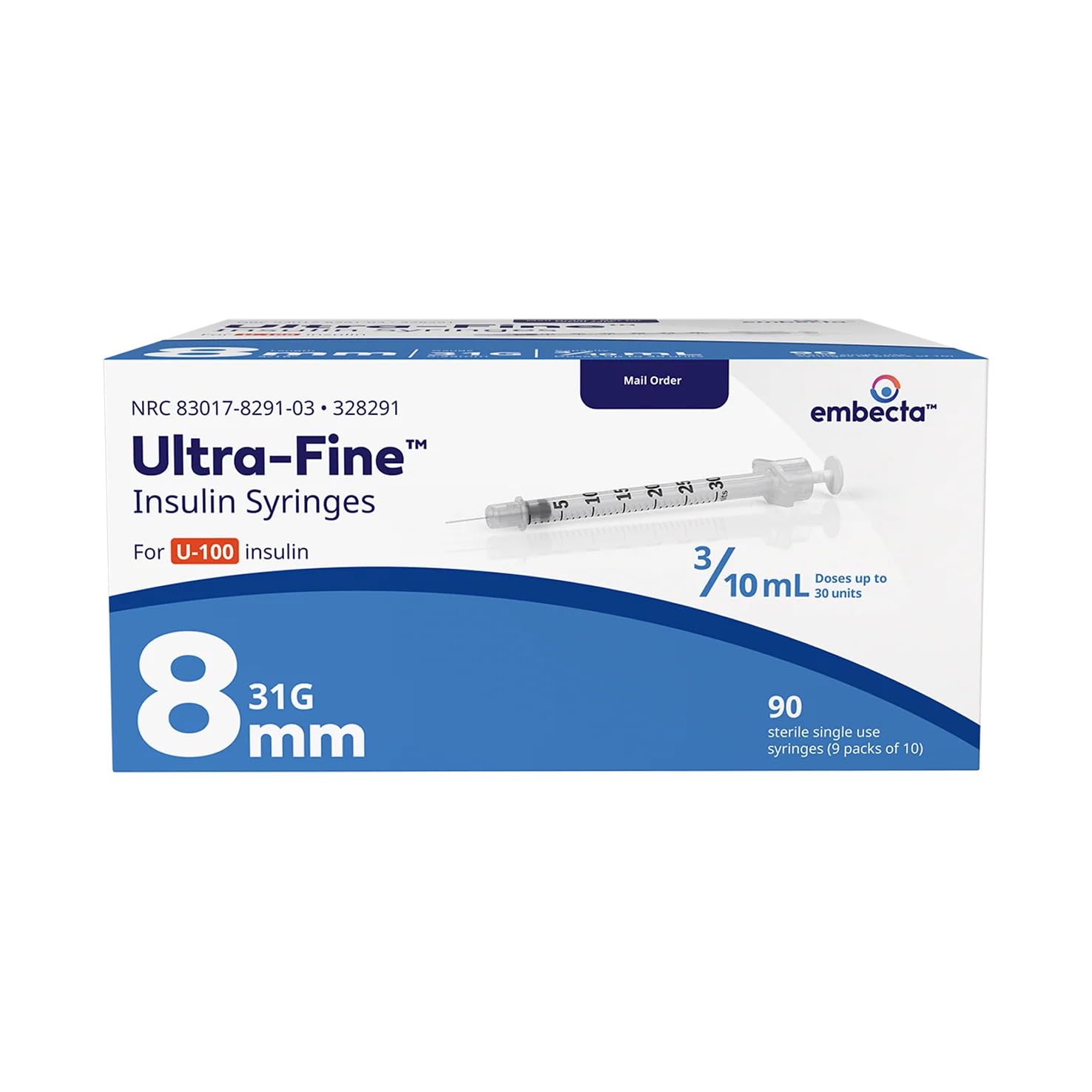
- Insulin syringe (U-100, 0.5 mL or 1 mL with 29–31g needle) for individual draws
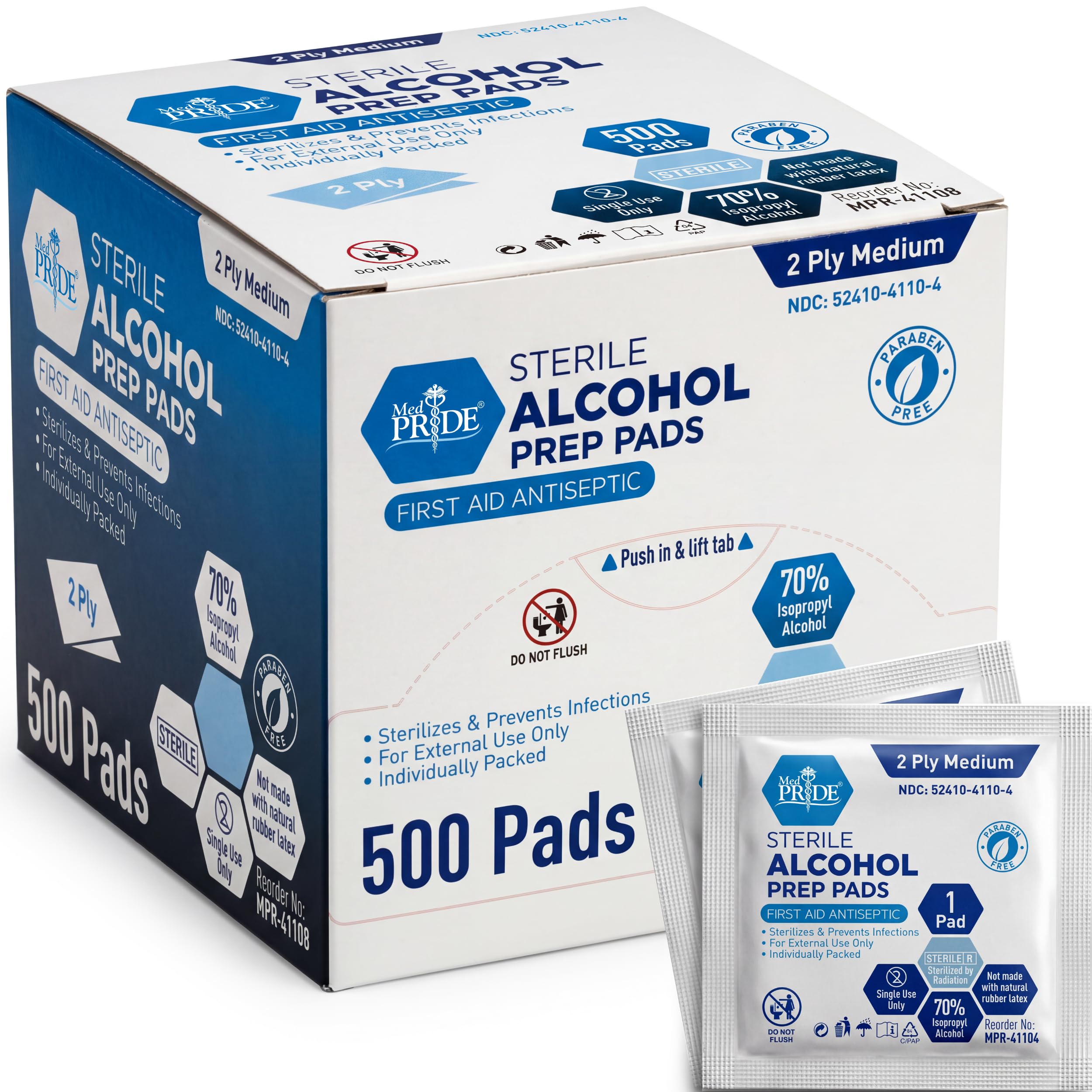
- Alcohol swabs for vial-stopper sterilization
- Sharps container for used needles
SLU-PP-332 is more lipophilic than most research peptides. Some vendor product instructions reference an optional 5–10% DMSO or ethanol co-solvent for full dissolution; the practical alternative is to swirl gently and warm the reconstituted vial in a closed hand for 60–90 seconds.

Documented Reconstitution Protocol (30 mg Vial)
The 30 mg vial is the most-referenced injectable format. Vendor instructions and standard laboratory small-molecule handling documentation describe a 3 mL BAC water reconstitution for 10 mg/mL. The documented protocol:
- Hand-washing and surface prep. Standard lab procedure begins with clean hands and a cleared flat surface, with all supplies arranged within reach.
- Stopper sterilization. Both the BAC water vial stopper and the SLU-PP-332 vial stopper are swabbed with separate alcohol swabs per standard aseptic technique.
- BAC water draw. Vendor protocol specifies drawing 3 mL into the syringe from the BAC water vial, with the needle inverted and plunger withdrawn to the 3 mL mark, tapping to remove air bubbles.
- Side-wall injection. The needle enters the SLU-PP-332 vial stopper at a shallow angle so water runs down the vial wall rather than directly onto the lyophilized cake — the standard technique for avoiding foaming and compound disruption.
- Syringe withdrawal. The syringe is withdrawn without inverting or shaking the vial.
- Gentle swirl. Documented protocols describe a slow circular swirl until the powder fully dissolves. SLU-PP-332 may take 60–120 seconds; if cloudiness remains, the vial is warmed in a closed hand and swirled again.
- Visual check. A properly reconstituted vial is clear. Slight haze that resolves on warming is acceptable. Persistent cloudiness or visible undissolved powder after several minutes of swirling indicates incomplete reconstitution — either the vial needs more time or a co-solvent.
- Label and refrigerate. The vial is marked with reconstitution date and concentration and stored at 2–8 °C.
Dilution Chart — Injectable Format
The 30 mg vial reconstituted with 3 mL produces 10 mg/mL. The 5 mg vial reconstituted with 1 mL produces 5 mg/mL. For an insulin syringe (U-100 scale, 100 units = 1 mL):
| Vial | BAC Water | Concentration | Per 10 units (0.1 mL) | Per 5 units (0.05 mL) |
|---|---|---|---|---|
| 5 mg vial | 1 mL | 5 mg/mL | 0.5 mg | 0.25 mg |
| 5 mg vial | 2 mL | 2.5 mg/mL | 0.25 mg | 0.125 mg |
| 30 mg vial | 3 mL | 10 mg/mL | 1.0 mg | 0.5 mg |
| 30 mg vial | 5 mL | 6 mg/mL | 0.6 mg | 0.3 mg |
For published preclinical context: mouse studies (Billon 2023, PMID 37739806) used 25 mg/kg IP twice daily — a much higher per-kilogram dose than community injectable users typically describe. Allometric scaling to humans is not validated, and no published human dose exists.
Syringe Math — Working from the Concentration
The standard syringe conversion formula, per vendor and laboratory documentation:
Units on syringe = (Dose in mg) ÷ (Concentration in mg/mL) × 100
Reference example (10 mg/mL vial, 1 mg dose):
Units = 1 / 10 × 100 = 10 units
Example: a 0.5 mg target from a 5 mg/mL vial:
Units = 0.5 / 5 × 100 = 10 units
Working at higher concentration (10 mg/mL) means smaller injection volumes — better for subcutaneous comfort but tighter syringe-precision tolerance at low doses.
Oral Capsules and Tablets — No Reconstitution Required

EZ Peptides (50 mg tablets), Glacier Aminos (1 mg × 60 capsules), and Dynamic Peptide (500 mcg × 60 capsules) sell SLU-PP-332 in pre-formulated oral dose units. No mixing, no syringe math. Storage is room-temperature in the original sealed bottle, away from light and heat, until expiration date.
The reconstitution-related concern with these formats is not about mixing — it is about whether the molecule reaches systemic circulation at all. The Billon 2025 paper introducing SLU-PP-915 (PMID 41421047) describes the parent compound SLU-PP-332 as lacking oral bioavailability — the orally active sibling SLU-PP-915 was developed because of that limitation. Oral formats of SLU-PP-332 therefore have no published evidence of producing the systemic ERR agonism observed in the IP-route mouse studies.
That published bioavailability finding does not say "every oral SLU-PP-332 product is inert." It says there is no published pharmacokinetic data supporting the assumption that oral capsules and tablets produce the effects seen in mouse studies. Community reports on AnabolicMinds and Reddit are split between "I felt nothing" on oral capsules and "this works as well as cardarine" — and the published bioavailability concern is the simplest explanation for that split. For the buyer-evaluation framework, see our SLU-PP-332 Buying Guide.
Sublingual Format — Bypass Attempt
Black Lion Research markets a sublingual SLU-PP-332 specifically as an oral-bioavailability workaround. Sublingual delivery can in principle bypass first-pass hepatic metabolism by absorbing through the oral mucosa directly into systemic circulation. There is no published pharmacokinetic study confirming that sublingual SLU-PP-332 produces serum concentrations comparable to IP injection in mice. Storage for sublingual liquids is generally refrigerated; follow vendor instructions and expiration dating.
Ready to buy? Compare verified vendors on our best SLU-PP-332 sources page, or browse all coupon codes for up to 50% off.