SNAP-8 (acetyl octapeptide-3) is sold as a topical "Botox alternative" that softens expression lines. The important thing to separate up front is marketing from evidence: SNAP-8 is a cosmetic peptide with limited data of its own. It is the elongated, eight-amino-acid relative of Argireline (acetyl hexapeptide-8), so most of its benefit claims are borrowed from Argireline's cosmetic research — which is itself modest and complicated by how poorly the peptide crosses the skin. This article ranks the claimed benefits by how much real evidence sits behind each, and is honest that almost none of it was measured on SNAP-8 specifically.
Research-context information only. SNAP-8 (acetyl octapeptide-3) is sold as a cosmetic research peptide and is not an FDA-approved drug. Its documented use is topical skincare; there are no systemic or injectable human trials. The findings below come from cosmetic research, ingredient-supplier claims, and self-reported community sources. This article reports what has been documented, not what should be done. Consult a licensed professional for personal decisions.
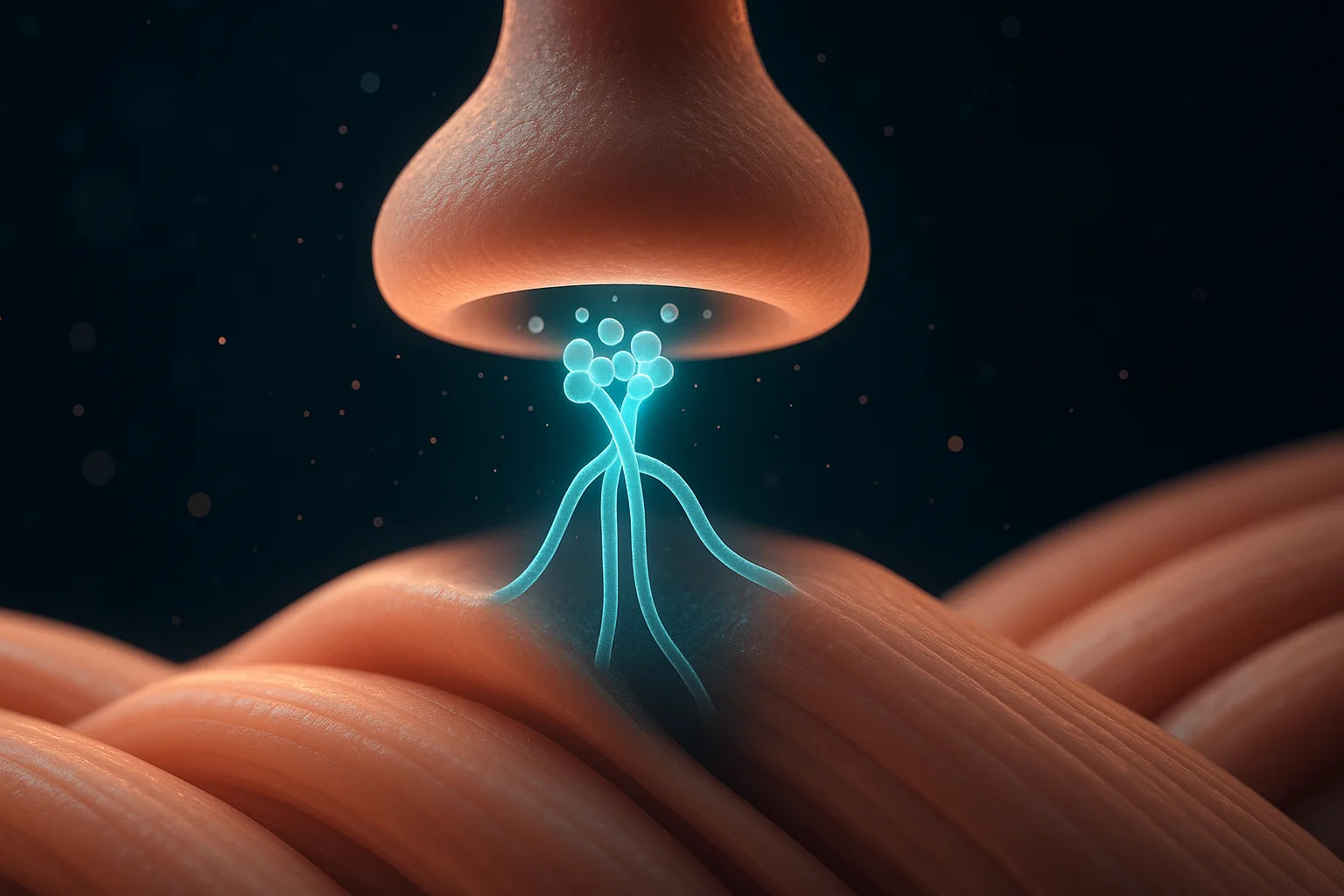
SNAP-8 works — in theory — the way Argireline does: by interfering with the SNARE complex and the SNAP-25 protein, dampening the neurotransmitter signaling that drives repetitive facial-muscle contraction. The benefits below are ordered by evidence strength, which for SNAP-8 means "modest cosmetic data at best, mostly on the parent compound, with little measured on SNAP-8 itself."
Claimed Benefits vs. Evidence
Claimed benefit
Evidence level
Source
Softening dynamic expression lines
Cosmetic (mechanism + parent compound)
Pintea 2025
Reduced wrinkle depth
Cosmetic, modest / mixed
Zdrada-Nowak 2025
Skin smoothness / hydration
Cosmetic (Argireline data)
Zdrada-Nowak 2025
"Stronger than Argireline"
Vendor claim
No rigorous head-to-head
"Topical Botox" / injectable effect
Marketing
No injectable data; permeability uncertain
Softening Expression Lines — the core (cosmetic, mechanism-led) claim
The central benefit cited for SNAP-8 is reducing dynamic wrinkles — the lines that deepen with repeated expressions like squinting and frowning. A peptide review that names acetyl octapeptide-3 describes its mechanism: blocking the SNARE complex to inhibit neurotransmitter release and reduce facial-muscle contraction, the same idea behind Argireline (Pintea et al., 2025). This is a plausible mechanistic hook for an anti-wrinkle topical — but it is a mechanism description, not a controlled efficacy trial on SNAP-8 in real faces.
Reduced Wrinkle Depth — modest and mixed cosmetic data
SNAP-8's reputation leans on Argireline's wrinkle-depth findings. Reviews of acetyl hexapeptide-8 report that it may reduce wrinkle depth, improve elasticity, and enhance hydration — but the same reviews are candid that manufacturer-funded studies show larger effects than independent work, and that the peptide's ability to reach the neuromuscular junction is uncertain (Zdrada-Nowak et al., 2025). For SNAP-8 specifically, the wrinkle-depth claim is an extrapolation from that modest parent-compound data, not a measured SNAP-8 outcome.
Skin Smoothness & Hydration — a softer, better-supported claim
Beyond muscle relaxation, cosmetic peptides in this class are credited with surface-level benefits — smoother texture and better hydration — that are more about the serum and the peptide's humectant behavior than about blocking contraction. These are the most consistently described effects in the Argireline literature (Zdrada-Nowak et al., 2025), and they are a more honest expectation for a topical SNAP-8 serum than dramatic line erasure.
"Stronger Than Argireline" — a vendor claim, not a finding
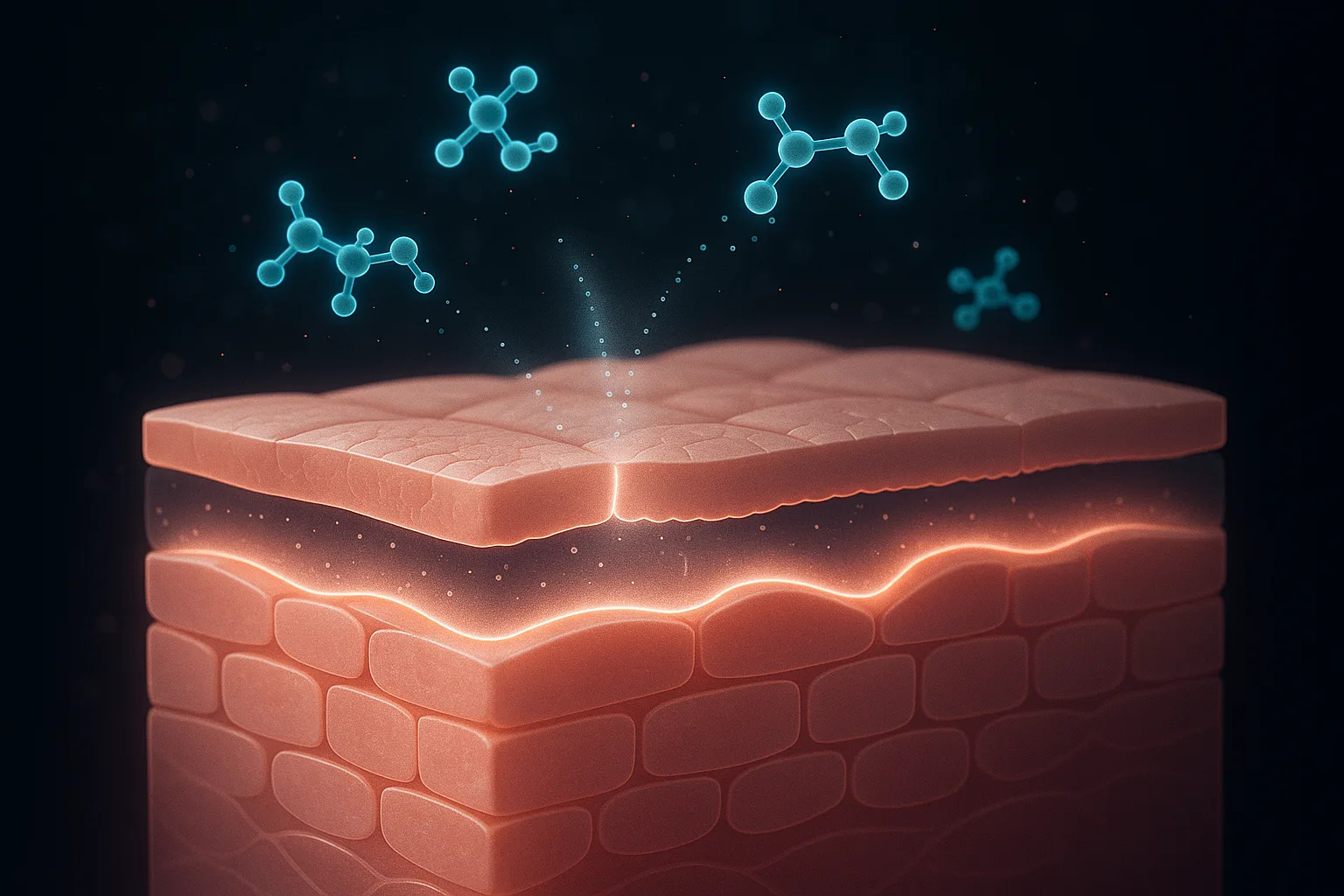
This is the benefit unique to SNAP-8's marketing: the two extra amino acids are said to make it bind more effectively and outperform the hexapeptide. There is no rigorous head-to-head clinical trial establishing that SNAP-8 beats Argireline in real skin. The molecules are closely related and face the same fundamental hurdle — getting a large, water-loving peptide through the skin barrier. Treat the "upgraded Argireline" framing as marketing until a controlled comparison exists.
"Topical Botox" / Injectable-Strength Effect — the weakest claim
This is the framing vendors lean on hardest, and it is the most misleading. SNAP-8 is not a neurotoxin and is not injected; its documented use is entirely topical, and there are no injectable or systemic human studies. Worse, the parent-compound reviews flag that the peptide may not permeate deeply enough to reliably reach the neuromuscular junction in the first place (Zdrada-Nowak et al., 2025). A topical serum is not a substitute for an injectable procedure, and selling it as one overstates the evidence badly.
Who Is SNAP-8 Studied In?
Research subjects: essentially none for SNAP-8 alone. The cosmetic efficacy data concerns Argireline formulations, typically in small skincare studies, not the octapeptide as a distinct active.
Marketed audience: people seeking a non-invasive, topical option for softening expression lines around the eyes and forehead. This describes who products target, not a population in whom SNAP-8 has been rigorously tested.
These describe cosmetic-research context for the parent compound and marketing targets, not a recommendation for any individual.
Bac Water Made for Peptides
Don't risk a $300 peptide on generic bac water.
Most cloudy reconstitutions trace back to one thing — and it isn't the peptide. Sterile, non-pyrogenic, 0.9% benzyl alcohol — formulated for peptide reconstitution, not repackaged from generic stock.
✓ 0.9% benzyl alcohol✓ Made for peptides✓ 30 mL multi-dose
SNAP-8 (acetyl octapeptide-3) is marketed as a topical anti-wrinkle peptide that softens expression lines — crow's feet, forehead lines, and frown lines — by interfering with the SNARE complex and reducing facial-muscle micro-contractions. Cosmetic-ingredient suppliers describe wrinkle-depth reduction and improved skin smoothness. The published support is limited and largely borrowed from its parent compound, Argireline.
What did SNAP-8 research actually find?
Very little is specific to SNAP-8. Peer-reviewed reviews name acetyl octapeptide-3 and describe its SNARE-inhibition mechanism, but the efficacy data is cosmetic and mostly concerns the parent peptide, Argireline (acetyl hexapeptide-8). Even that literature is modest and complicated by poor skin permeability. There are no systemic or injectable human trials of SNAP-8.
Is SNAP-8 better than Argireline?
SNAP-8 is an elongated, eight-amino-acid version of Argireline, marketed as a more effective topical. There is no rigorous head-to-head trial proving it outperforms the hexapeptide in real skin. Any 'stronger than Argireline' claim is cosmetic marketing, not established evidence.
Is the SNAP-8 evidence strong or weak?
Weak for SNAP-8 itself. It has essentially no dedicated efficacy trials and no systemic human data. It rides Argireline's cosmetic reputation, and even that evidence is modest and limited by the peptide's difficulty crossing the skin barrier. Treat SNAP-8 as a cosmetic ingredient with limited support, not a proven therapeutic.
Research Supplies for SNAP-8
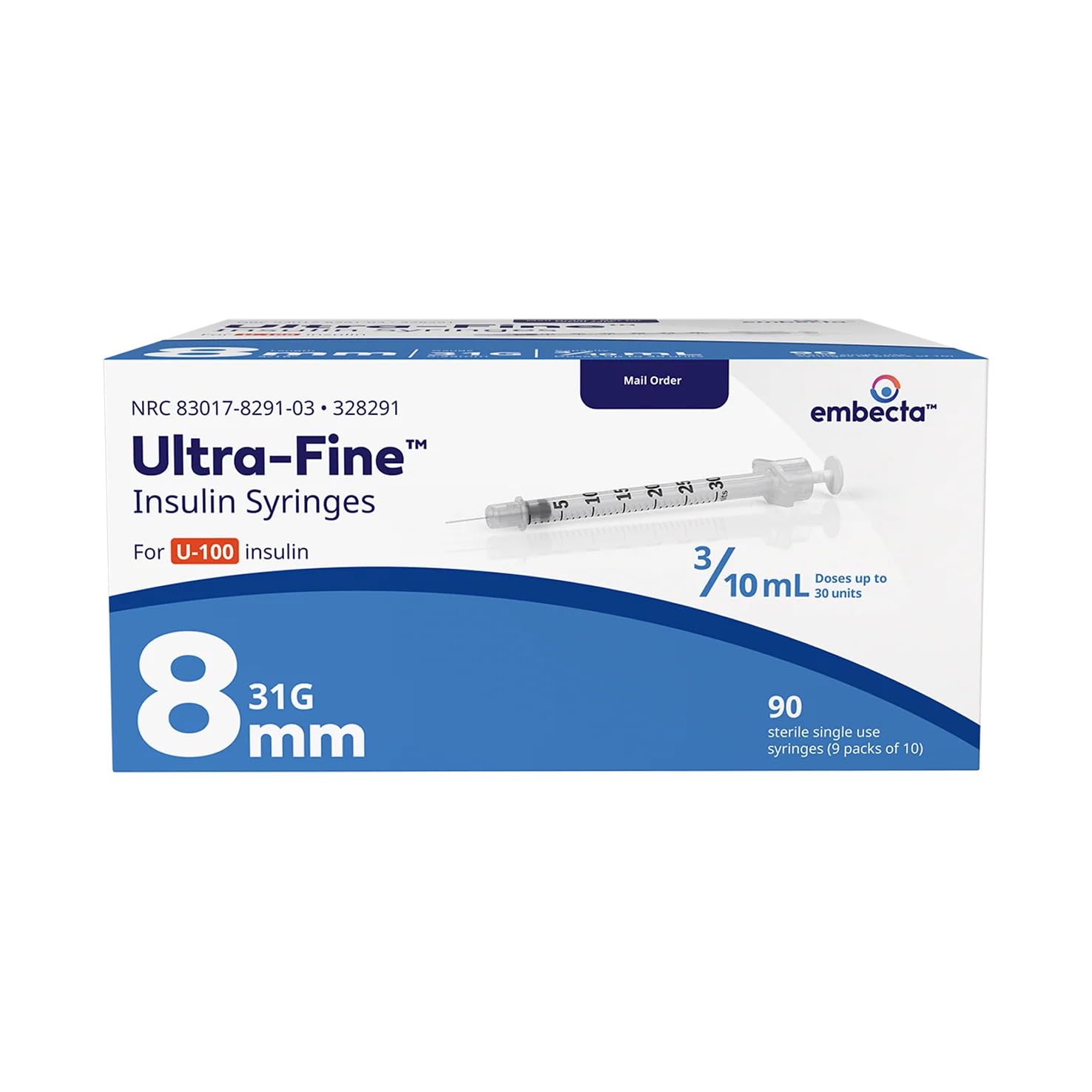
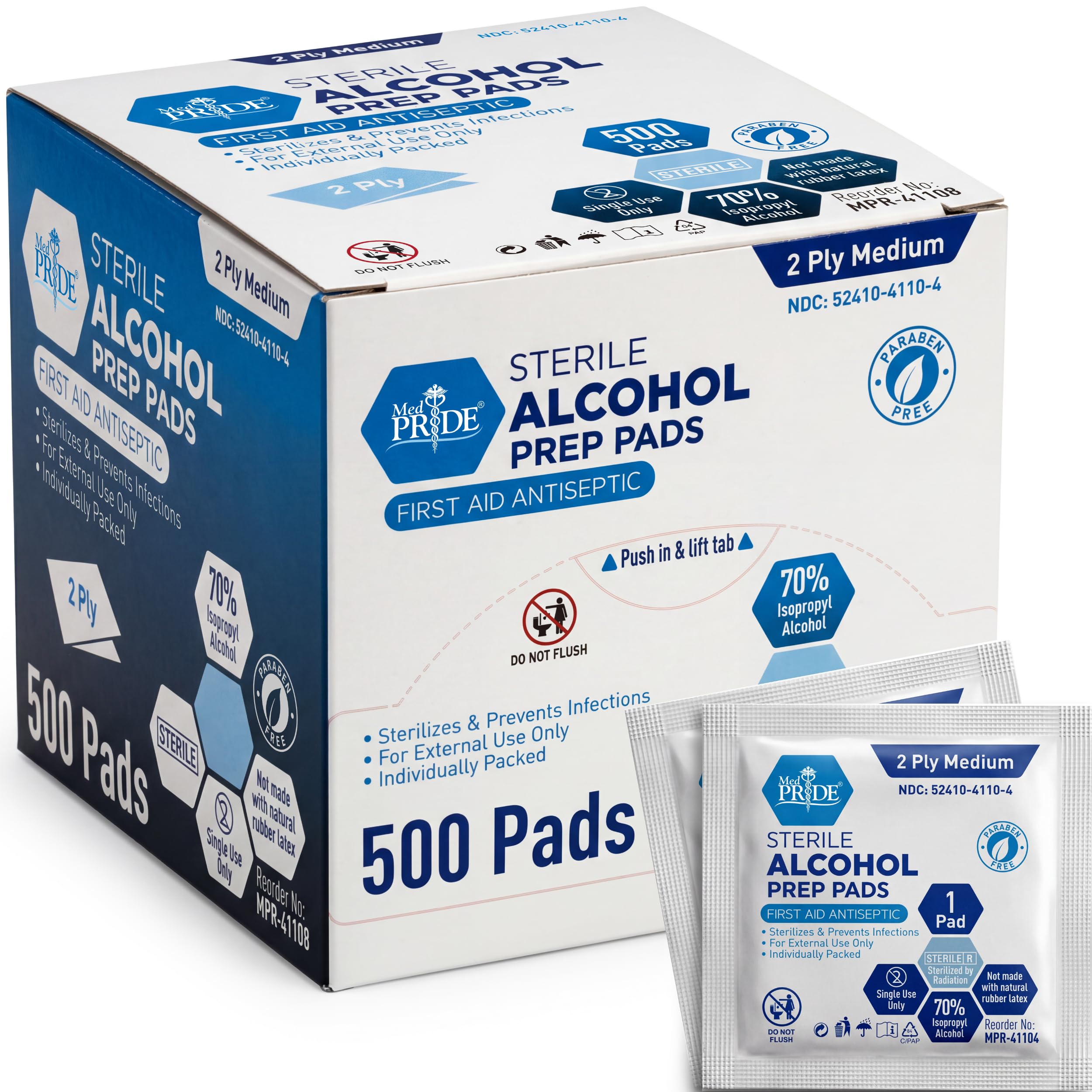
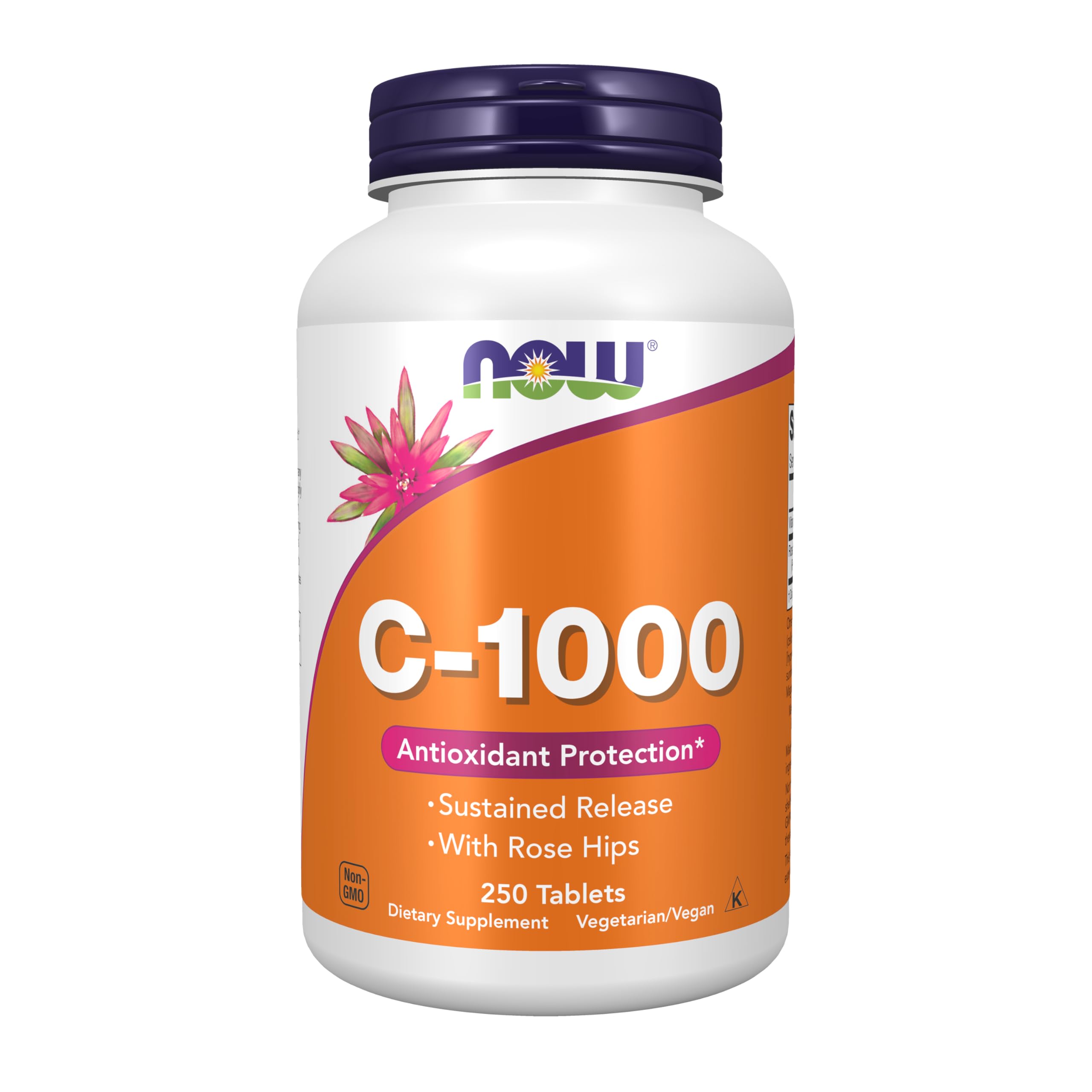
Hand-picked storage, injection, and recovery supplies paired with SNAP-8 protocols.
SNAP-8 (acetyl octapeptide-3) is a topical cosmetic peptide. Most cited evidence describes its parent compound, Argireline (acetyl hexapeptide-8); there is little SNAP-8-specific trial data and no systemic or injectable human studies. This article is for educational and informational purposes only. It is not medical advice. SNAP-8 is not an FDA-approved drug. Consult a licensed professional before using any peptide.