dosingJuly 13, 2026·5 min read

Testagen Dosage Chart: 10-20 Day Course Protocol

A synthetic testis tetrapeptide with no validated human dose — and no steroid. What research-chem sources report, plus the extract-vs-synthetic caveat.

Testagen dosing guide

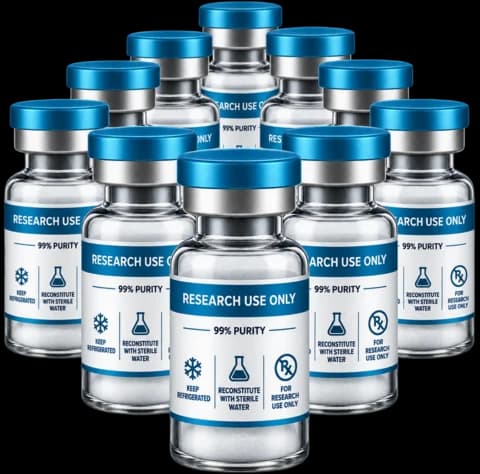
Testagen is a synthetic testis-derived tetrapeptide (Lys-Glu-Asp-Gly, or KEDG) from the Khavinson family of peptide bioregulators, and it has no validated human dose. Research-chemical vendors and self-reported community sources most commonly describe 20mg lyophilized vials reconstituted and administered as short subcutaneous or intramuscular courses of roughly 10-20 days, with daily amounts community-reported around 1-2mg — following the Russian bioregulator "course" convention rather than continuous daily use.

One point matters more than any number on this page: Testagen is not a steroid, not a hormone, and not related to testosterone. It is a four-amino-acid peptide named for the testis tissue it was modeled on. Every figure below comes from vendor labeling and self-reported community sources, not from clinical dose-finding trials — and the synthetic peptide itself has no verified reproductive-outcome study, only mechanism and cell-culture work.

Research-context information only. Testagen is a research peptide. Protocols, doses, and reactions reported below come from published research and self-reported community sources. This article reports what has been documented, not what should be done. Consult a licensed physician for personal medical decisions.

Testagen is a synthetic short-chain bioregulator modeled on a fragment associated with testis tissue. This guide reports the reconstitution math, the course-length convention, and the provenance of those figures.

Quick Reference: Protocol

The table below reports community and vendor-documented figures. Because no clinical dose-finding study exists for the synthetic peptide, none of these values represent a standard or validated protocol.

Parameter Community / Research-Chem-Reported
Dose ~1-2mg per administration (self-reported; no validated human dose)
Route Subcutaneous or intramuscular injection
Timing Once daily, community-reported
Frequency Daily across a short course
Course length ~10-20 days per course (Russian bioregulator convention)
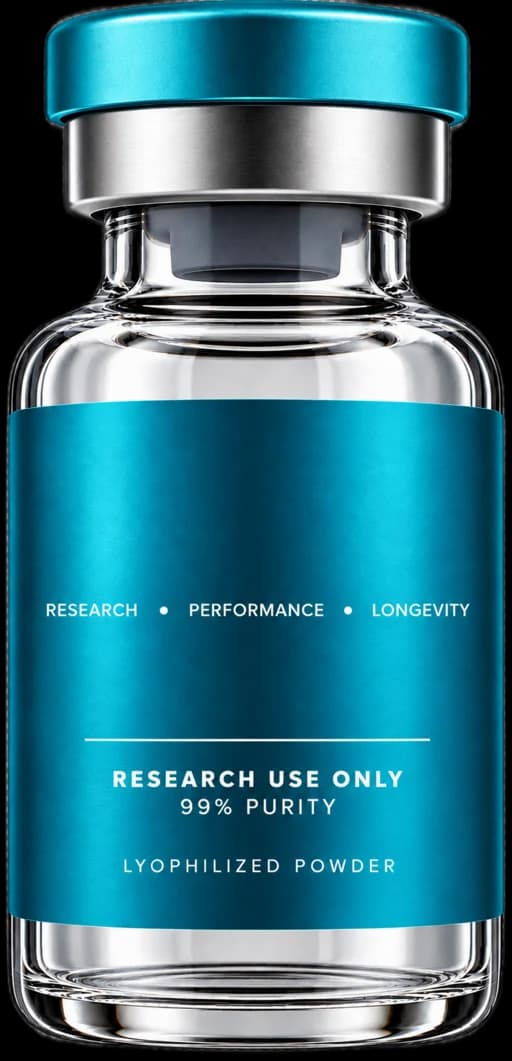
Vial size Commonly 20mg lyophilized research vials
Reconstitution Bacteriostatic water → see table below
Storage Refrigerate reconstituted vial, use within 28 days

These figures describe how research-chemical sources and community references document the compound. They are self-reported, not a clinically established schedule.

Not a Testosterone Product

Because of the name, Testagen is routinely confused with testosterone boosters and anabolic steroids. It is neither. Testagen is a peptide of four amino acids (KEDG); it carries no steroid nucleus, is not a hormone, and the published literature does not show it raising testosterone or acting on androgen pathways. The "test" in Testagen refers to testis tissue, the organ the Khavinson group modeled the sequence on — not to testosterone. Any marketing that frames it as a natural testosterone enhancer is going beyond what the research supports.

Routes of Administration

Self-reported community protocols describe two injection routes for the reconstituted synthetic peptide:

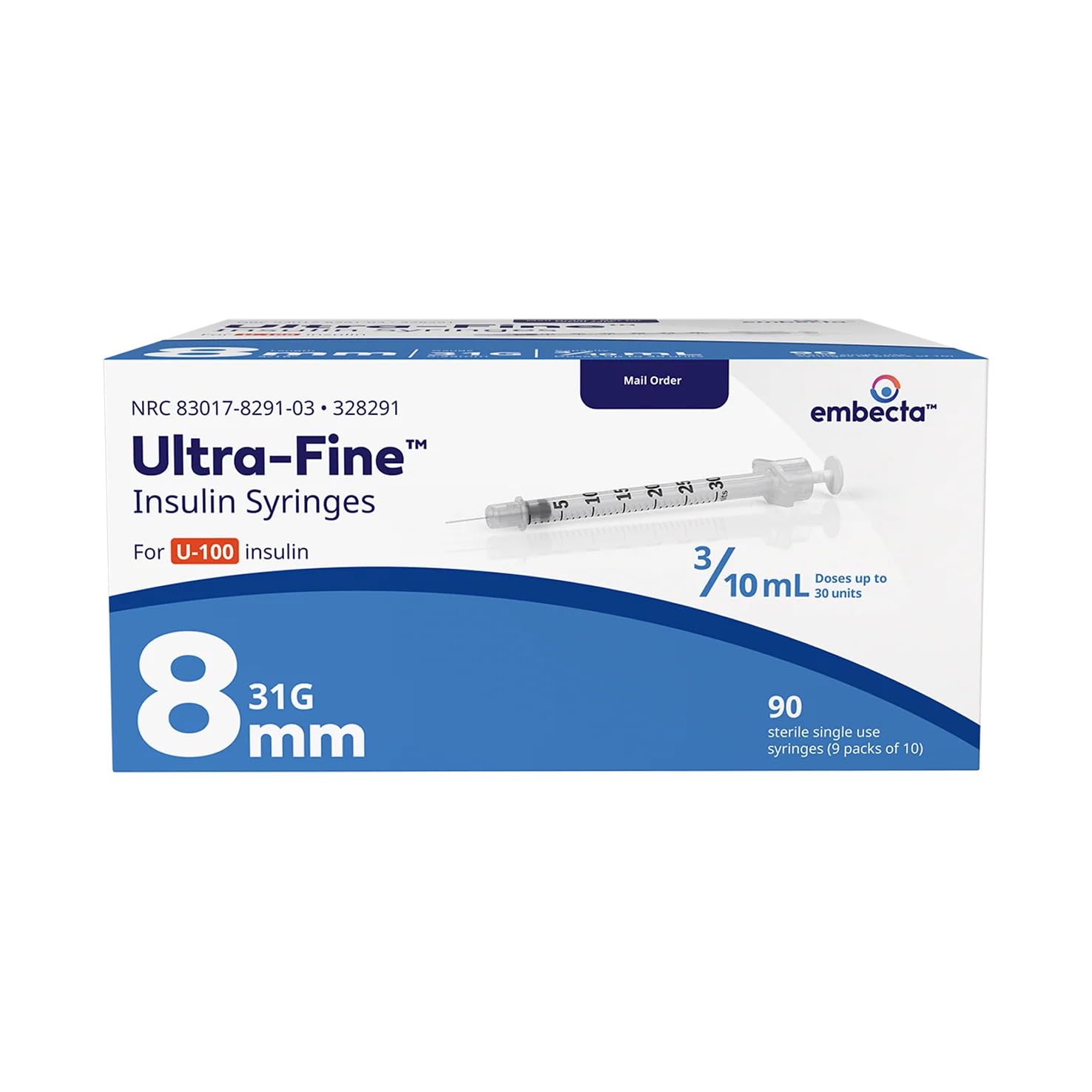
  • Subcutaneous (SC): the most commonly described route in community sources, using a small insulin syringe into subcutaneous tissue.
  • Intramuscular (IM): also reported; some community references carry the intramuscular convention of the injectable tissue extracts over to the synthetic peptide.

No route has been validated for synthetic Testagen. Vendors sell it labeled for laboratory research only, not for human use.

30ml bacteriostatic water vial — 0.9% benzyl alcohol multi-dose
Bac Water Made for Peptides
Don't risk a $300 peptide on generic bac water.
Most cloudy reconstitutions trace back to one thing — and it isn't the peptide. Sterile, non-pyrogenic, 0.9% benzyl alcohol — formulated for peptide reconstitution, not repackaged from generic stock.
0.9% benzyl alcohol Made for peptides 30 mL multi-dose
See why our bac water doesn't ruin peptides
Ships fast · Code thepeptidecatalog

Reconstitution Quick Reference

Vial Size BAC Water Concentration 1mg Draw
20mg 2mL 10mg/mL 0.1mL (~10 units)

The math: a 20mg vial plus 2mL of bacteriostatic water yields 10mg/mL, so a 1mg amount is 0.1mL, or roughly 10 units on a U-100 insulin syringe. Community notes describe swirling gently rather than shaking, refrigerating at 2-8°C, and discarding after 28 days.

For the full step-by-step mixing walkthrough, see our Testagen reconstitution guide.

Ready to buy? Compare verified vendors on our best Testagen sources page, or browse all coupon codes for up to 50% off.
Top Testagen Vendors

Ranked by price, COA availability, and reputation

1
Glacier AminosCOA
10/10
20mg$3.40/mg
2
Swiss ChemsCOA
9/10
20mg$3.00/mg

Where These Numbers Come From

There is no clinical dose-finding trial for synthetic Testagen, so the figures above are not derived from established human data. The dose amounts and course lengths circulating in community sources are inherited from the Russian bioregulator tradition — the short, repeatable "course" convention originally applied to injectable tissue extracts — rather than from a study that titrated the synthetic tetrapeptide in people.

The published record for the synthetic molecule is thinner than for most peptides in this family. There is no verified reproductive-outcome study of Testagen: no controlled trial reporting effects on fertility, sperm parameters, or hormone levels. What exists is mechanistic. Work on short Khavinson peptides describes them interacting with DNA and modulating gene expression in cell-culture systems, including HeLa-cell models (22117547). That is a proposed mechanism demonstrated largely in vitro, not evidence that injected Testagen produces a reproductive effect in people.

The most important caveat for anyone reading dosing claims: Testagen is a synthetic short peptide, and it is distinct from Testoluten, the injectable testis polypeptide extract sold as a separate bioregulator. Extract and synthetic are different products with different evidence bases, and the (already limited) figures documented for one should not be read as validated for the other. Neither, in Testagen's case, is backed by a reproductive-outcome trial in humans.

Stacking Protocols

Community references sometimes describe running Testagen alongside other Khavinson-family short peptides as part of a broader bioregulator course. These combinations are self-reported and carry no trial support.

Peptide Community-Reported Pairing Purpose (as described by community sources)
Epitalon Sequential or overlapping courses Commonly paired in longevity-oriented community stacks
Prostamax Run in the same course window Another Khavinson urogenital-directed short peptide

No stacking protocol for Testagen has been validated in humans. The pairings above report what community sources describe, not a recommended regimen.

Side Effects & Safety

  • No human safety profile has been established for synthetic Testagen; it is sold labeled "not for human consumption."
  • Injection-site reactions (redness, soreness) are the effects most commonly noted in self-reported community sources.
  • No controlled adverse-event data exist for the synthetic peptide, so its tolerability and long-term safety are unknown.
  • The available mechanism and in-vitro work did not characterize a human toxicity or side-effect profile.
  • Sterile technique and reconstitution hygiene are the practical concerns most often raised in community references.

For research-chemical context and vendor considerations, see our Testagen buying guide.

Frequently Asked Questions

What dose of Testagen do research-chemical sources report?
There is no validated human dose. Vendor labeling and self-reported community sources most commonly describe 20mg lyophilized vials reconstituted and given as short subcutaneous or intramuscular courses of roughly 10-20 days, with daily amounts community-reported around 1-2mg. These are self-reported figures, not a clinically established protocol.
Is Testagen related to testosterone or a steroid?
No. Testagen is a four-amino-acid peptide (Lys-Glu-Asp-Gly, or KEDG) named for the testis tissue it was modeled on, not for testosterone. It contains no steroid, is not a hormone, and is not a testosterone booster. Any claim that it raises testosterone is unsupported by the published literature, which is limited to mechanism and in-vitro work.
Is the Testagen data from the synthetic peptide or an extract?
The synthetic KEDG tetrapeptide has essentially no reproductive-outcome study of its own — only mechanism and cell-culture work. It is also distinct from Testoluten, the injectable testis polypeptide extract, which is a different product with a different (and still limited) evidence base. Figures documented for the extract should not be read as validated for the synthetic peptide.
How is Testagen reconstituted, per documented protocols?
Community reconstitution notes describe adding 2mL of bacteriostatic water to a 20mg vial for a 10mg/mL concentration, where a 1mg amount equals 0.1mL or roughly 10 units on a U-100 insulin syringe. The reconstituted vial is refrigerated and typically discarded after 28 days. These figures report the math community sources document, not a recommended schedule.
What route do community sources use for Testagen?
Self-reported community protocols describe subcutaneous or intramuscular injection of the reconstituted synthetic peptide, following the Russian bioregulator course convention. No route has been validated for the synthetic research chemical, which is sold labeled for laboratory research only.

References

  1. Short peptides and gene-expression regulation in cell-culture systems, including HeLa models (Khavinson mechanism, in vitro). PMID 22117547