Testagen is a synthetic testis-derived tetrapeptide (Lys-Glu-Asp-Gly, or KEDG) from the Khavinson family of peptide bioregulators, and it has no validated human dose. Research-chemical vendors and self-reported community sources describe 20mg lyophilized vials reconstituted and given in pulsed courses — the Russian bioregulator "course" convention rather than continuous daily use. The community protocol lists Testagen on the shared bioregulator line: 2mg (20 units at 10mg/mL) once daily for 30 consecutive days, then two months off, two to three times a year. Shorter 10-20 day courses at around 1mg a day are also reported.
One point matters more than any number on this page: Testagen is not a steroid, not a hormone, and not related to testosterone. It is a four-amino-acid peptide named for the testis tissue it was modeled on. Every figure below comes from vendor labeling and self-reported community sources, not from clinical dose-finding trials — and the synthetic peptide itself has no verified reproductive-outcome study, only mechanism and cell-culture work.
Research-context information only. Testagen is a research peptide. Protocols, doses, and reactions reported below come from published research and self-reported community sources. This article reports what has been documented, not what should be done. Consult a licensed physician for personal medical decisions.
Testagen is a synthetic short-chain bioregulator modeled on a fragment associated with testis tissue. This guide reports the reconstitution math, the course-length convention, and the provenance of those figures.
Quick Reference: Community Protocol
The table below reports the community protocol, other reported figures and vendor-documented figures. Because no clinical dose-finding study exists for the synthetic peptide, none of these values represent a standard or validated protocol.
| Parameter | Reported value |
|---|---|
| Reported dose | 2mg per administration (community protocol; no validated human dose). Around 1mg is also reported |
| Route | Subcutaneous or intramuscular injection |
| Reported timing | AM or PM (community protocol lists either) |
| Reported frequency | Once daily during a course |
| Course length | 30 consecutive days, then 2 months off, 2-3 courses a year (community protocol); 10-20 day courses also reported |
| Vial size | Commonly 20mg lyophilized research vials |
| Reconstitution | 2mL bacteriostatic water → 10mg/mL (2mg = 20 units) |
| Vials per 30-day course | 60mg total, three 20mg vials |
| Storage | Community sources describe refrigeration and use within 28 days |
Where the 2mg figure comes from: it is the shared bioregulator line in the community protocol, not a number taken from a Testagen study. These figures describe how community and other references document the compound, not a clinically established schedule.
Not a Testosterone Product
Because of the name, Testagen is routinely confused with testosterone boosters and anabolic steroids. It is neither. Testagen is a peptide of four amino acids (KEDG); it carries no steroid nucleus, is not a hormone, and the published literature does not show it raising testosterone or acting on androgen pathways. The "test" in Testagen refers to testis tissue, the organ the Khavinson group modeled the sequence on — not to testosterone. Any marketing that frames it as a natural testosterone enhancer is going beyond what the research supports.
Routes of Administration
Self-reported protocols describe two injection routes for the reconstituted synthetic peptide:
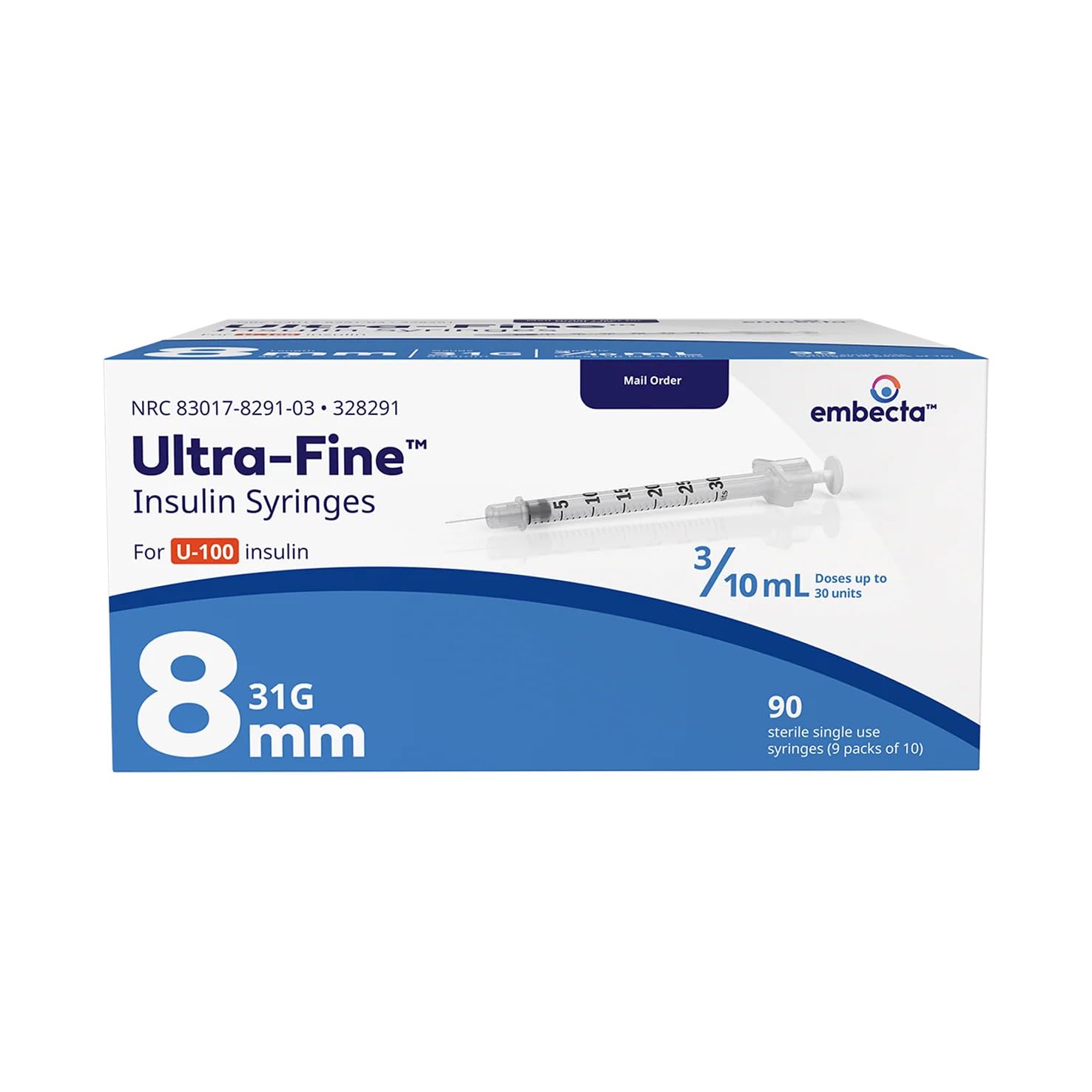
- Subcutaneous (SC): the most commonly described route in community sources, using a small insulin syringe into subcutaneous tissue.
- Intramuscular (IM): also reported; some references carry the intramuscular convention of the injectable tissue extracts over to the synthetic peptide.
No route has been validated for synthetic Testagen. Vendors sell it labeled for laboratory research only, not for human use.

Reconstitution Quick Reference
| Vial Size | BAC Water | Concentration | 1mg Draw | 2mg Draw |
|---|---|---|---|---|
| 20mg | 2mL | 10mg/mL | 0.1mL (10 units) | 0.2mL (20 units) |
| 20mg | 3mL | 6.67mg/mL | 0.15mL (15 units) | 0.3mL (30 units) |
The math: a 20mg vial plus 2mL of bacteriostatic water yields 10mg/mL, so the community 2mg amount is 0.2mL, or 20 units on a U-100 insulin syringe, and a 1mg amount is 0.1mL (10 units). At 2mg a day one 20mg vial covers 10 days, so a 30-day course uses 60mg, or three vials. Community notes describe swirling gently rather than shaking, refrigerating at 2-8°C, and discarding after 28 days.
For the full step-by-step mixing walkthrough, see our Testagen reconstitution guide.
Ready to buy? Compare verified vendors on our best Testagen sources page, or browse all coupon codes for up to 50% off.