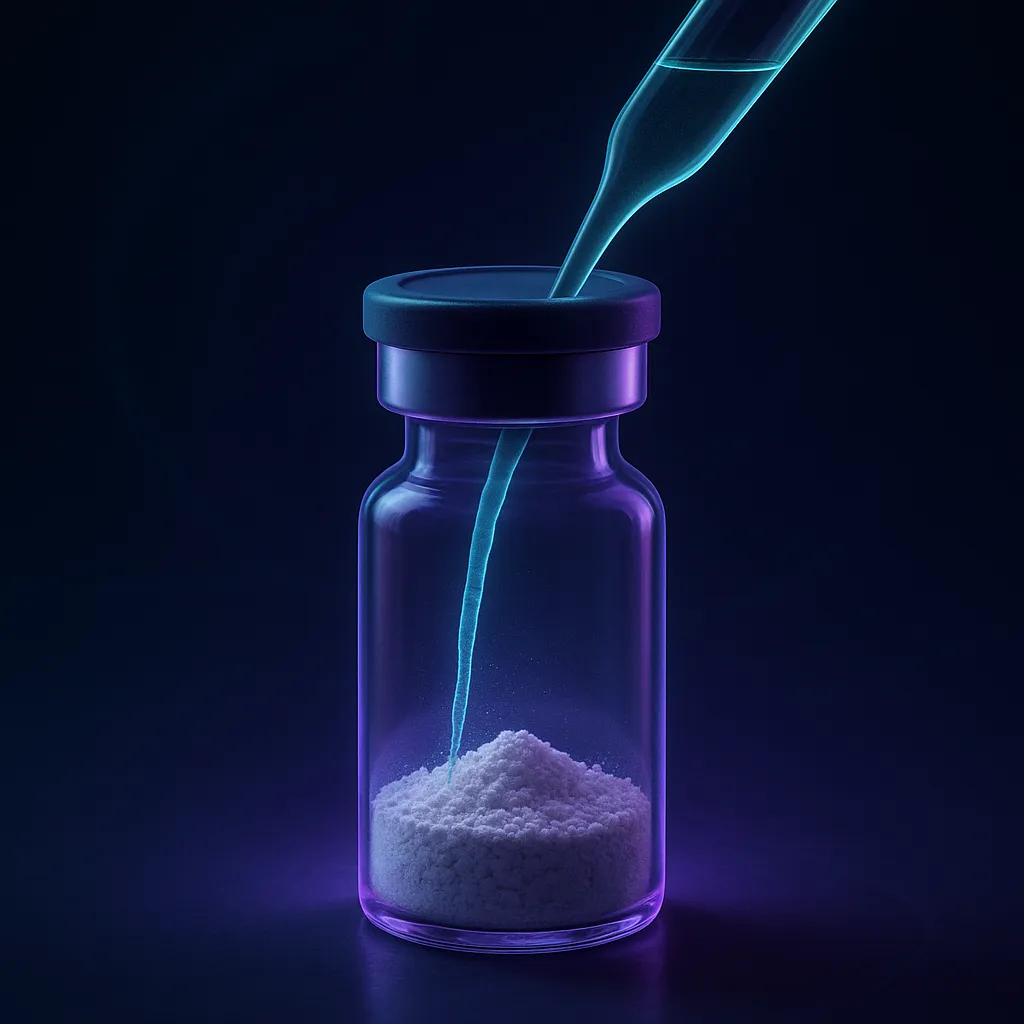
How Tirzepatide Is Reconstituted
Research-grade tirzepatide ships as a lyophilized (freeze-dried) powder, typically in 5mg, 10mg, or 15mg vials. Trial protocols and community sources describe reconstitution with bacteriostatic water before use. The standard process is straightforward, with the dose-escalation protocol from 2.5mg to 15mg weekly making dilution choice critical.
Errors at this step result in injection volumes that are either too large or too small to measure accurately. This guide reports the documented mixing process, dilution math for all three vial sizes, and storage.
Research-context information only. Tirzepatide is the active ingredient in FDA-approved products for diabetes and chronic weight management; research-peptide and compounded forms are not FDA-approved and are sold for research purposes only. Protocols, doses, and reactions reported below come from published clinical trials and self-reported community sources. This article reports what has been documented, not what should be done. Consult a licensed physician for personal medical decisions.
New to bacteriostatic water? Start with what it is, how much to use per vial, and how long it lasts — or see the full Bacteriostatic Water Guide.
Materials Documented in Reconstitution Protocols
- Tirzepatide lyophilized vial (5mg, 10mg, or 15mg)
- Bacteriostatic water (BAC water) -- not sterile water, not saline
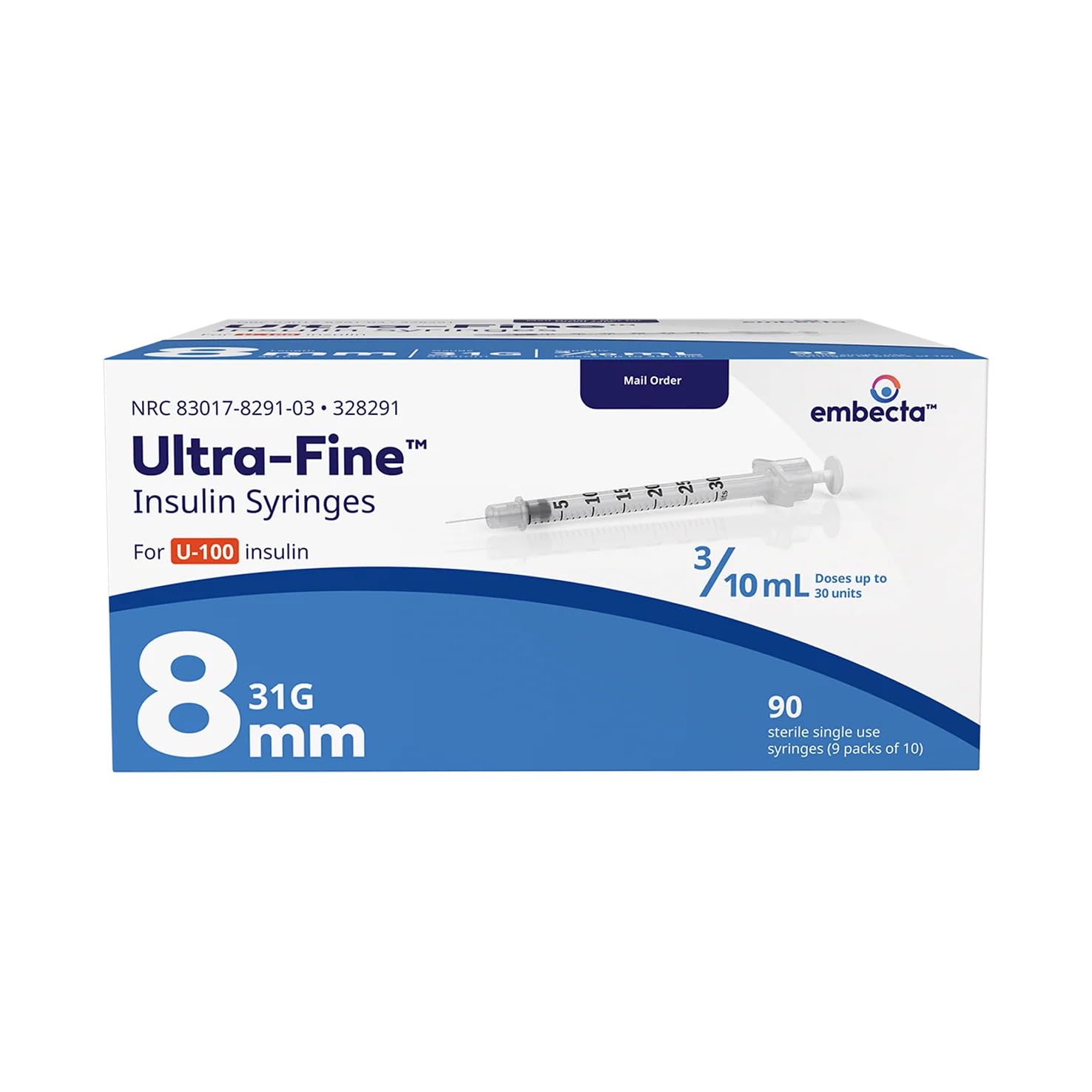
- Insulin syringes -- 1mL (100 unit), 29-31 gauge
- Alcohol swabs -- for cleaning vial tops
- A clean, flat workspace
Why bacteriostatic water? It contains 0.9% benzyl alcohol that suppresses bacterial growth. Sterile water has no preservative, so vials reconstituted with it are typically discarded within 24 hours. Because tirzepatide is dosed once weekly and a single vial can span weeks, BAC water is the documented standard -- published stability data show up to 28 days refrigerated.

Documented Reconstitution Steps
Step 1: Surface Preparation
Standard reconstitution practice is to wipe the tops of both vials (tirzepatide and BAC water) with alcohol swabs and allow 10 seconds to air dry. This step is consistently cited as the contamination-prevention checkpoint.
Step 2: Drawing Bacteriostatic Water
A fresh insulin syringe is used to draw the BAC water. The volume drawn determines the final concentration (see dilution charts below).
The most-cited dilution for 10mg vials is 2mL of BAC water. It produces 5,000mcg/mL -- clean numbers across the documented escalation from 2.5mg through 15mg.
Step 3: Adding Water to the Peptide Vial
Trial protocols describe inserting the needle into the tirzepatide vial at an angle, aiming at the glass wall -- not directly at the powder. The water trickles down the side of the vial.
Squirting water directly onto the powder is discouraged in standard reconstitution practice. Tirzepatide is a 39-amino-acid peptide with a C20 fatty diacid chain; aggressive mixing can damage the molecular structure and reduce potency. The documented technique sprays water down the inside wall, with flow onto the powder occurring naturally.
Step 4: Dissolution
Standard reconstitution practice is to swirl the vial gently with a slow rotating motion. Trial protocols specify gentle swirling rather than shaking. Properly manufactured tirzepatide is documented to dissolve within 1-2 minutes into a clear, colorless solution.
Particles remaining after 5 minutes of gentle swirling are commonly cited as a sign of degraded peptide.
Step 5: Storage
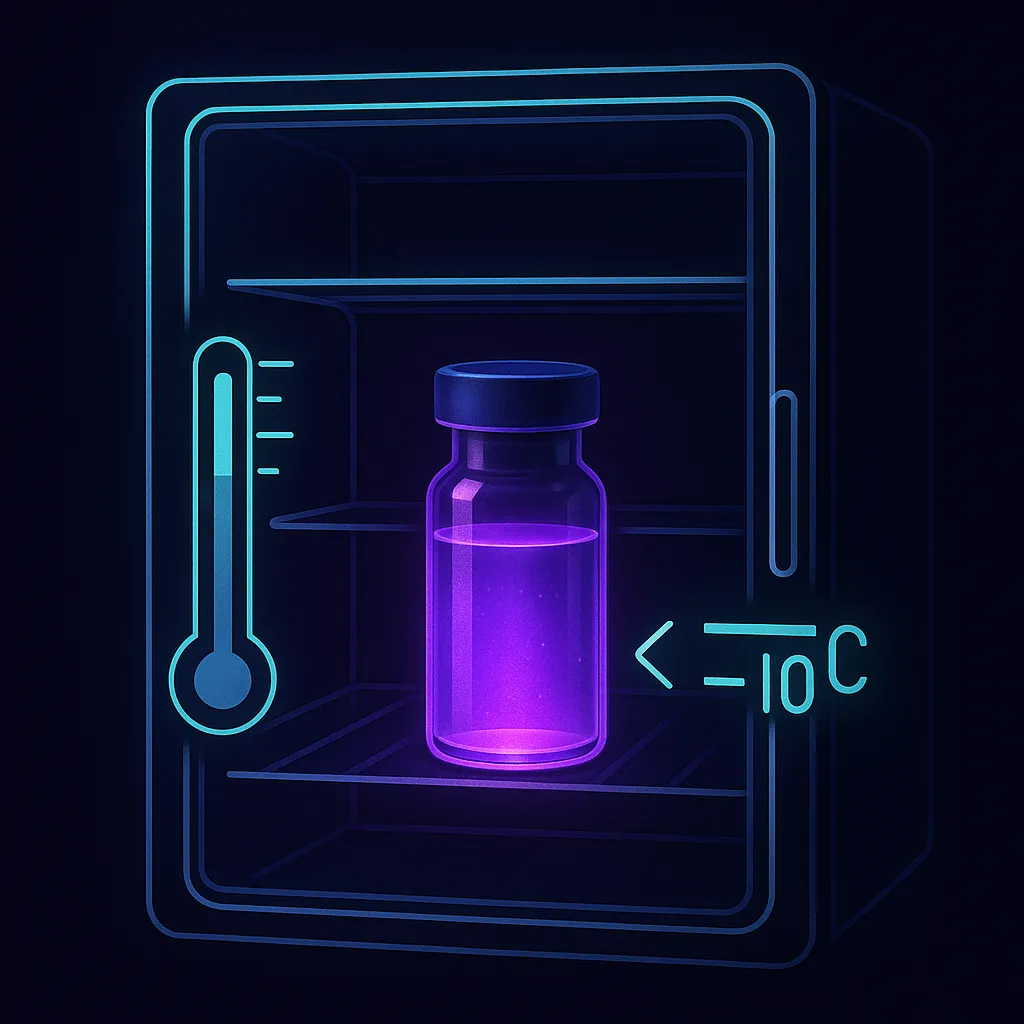
Reconstituted research peptides are typically refrigerated immediately at 36-46F (2-8C) in published stability studies. Reconstituted tirzepatide stability with bacteriostatic water is documented at up to 28 days.
Dilution Charts
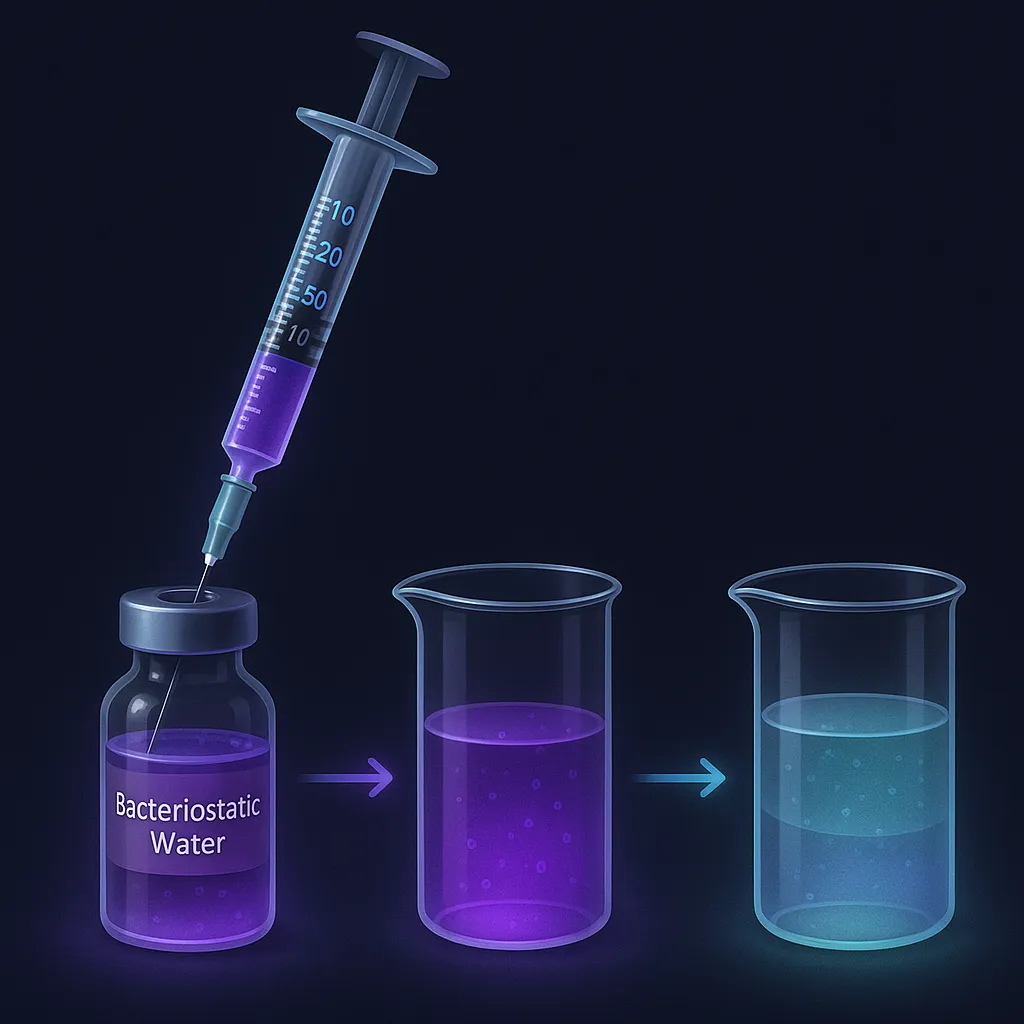
Why 2mL for a 10mg vial? Every dose in the standard escalation protocol stays measurable on a standard insulin syringe. At 2mL in a 10mg vial, a 2.5mg starting dose is exactly 50 units and a 5mg dose is exactly 100 units -- no awkward fractions.
Syringe Math
The formula for any vial size and any amount of water:
Concentration = Peptide Amount (mcg) / Water Added (mL)
For injection volume:
Units to inject = Desired Dose (mcg) / Concentration (mcg/mL) x 100
Example: 10,000mcg vial + 2mL water = 5,000mcg/mL. For a 2.5mg (2,500mcg) dose: 2,500 / 5,000 x 100 = 50 units.
For a 5mg dose: 5,000 / 5,000 x 100 = 100 units -- the full syringe.
The same math, interactive — pick a vial size and dose to see the exact units to draw and how many doses a vial yields:
U-100 syringe: 100 units = 1 mL. Figures are arithmetic from the vial size, diluent volume and dose entered — presets reflect community-reported and published protocols for research context, not a recommendation. Verify against your own vial label.
The math above documents how research-grade tirzepatide is prepared in published protocols — it isn't a recommendation to self-administer.
Doses Per Vial
5mg vial:
- At 2.5mg/week = 2 weeks
- At 5mg/week = 1 week
10mg vial:
- At 2.5mg/week = 4 weeks
- At 5mg/week = 2 weeks
- At 7.5mg/week = 1.3 weeks
- At 10mg/week = 1 week
15mg vial:
- At 2.5mg/week = 6 weeks
- At 5mg/week = 3 weeks
- At 10mg/week = 1.5 weeks
- At 15mg/week = 1 week
A 10mg vial covers the first month of a standard escalation at 2.5mg/week. At maintenance doses of 10-15mg, plan on one vial per week.
For variable vial sizes or doses, the Reconstitution Calculator applies this formula automatically.