benefitsApril 26, 2026·9 min read

Tirzepatide: 22.5% Weight Loss + Liver Fat

Weight loss gets the headlines, but tirzepatide's liver fat data may matter more. 8 research-backed effects with cited studies.

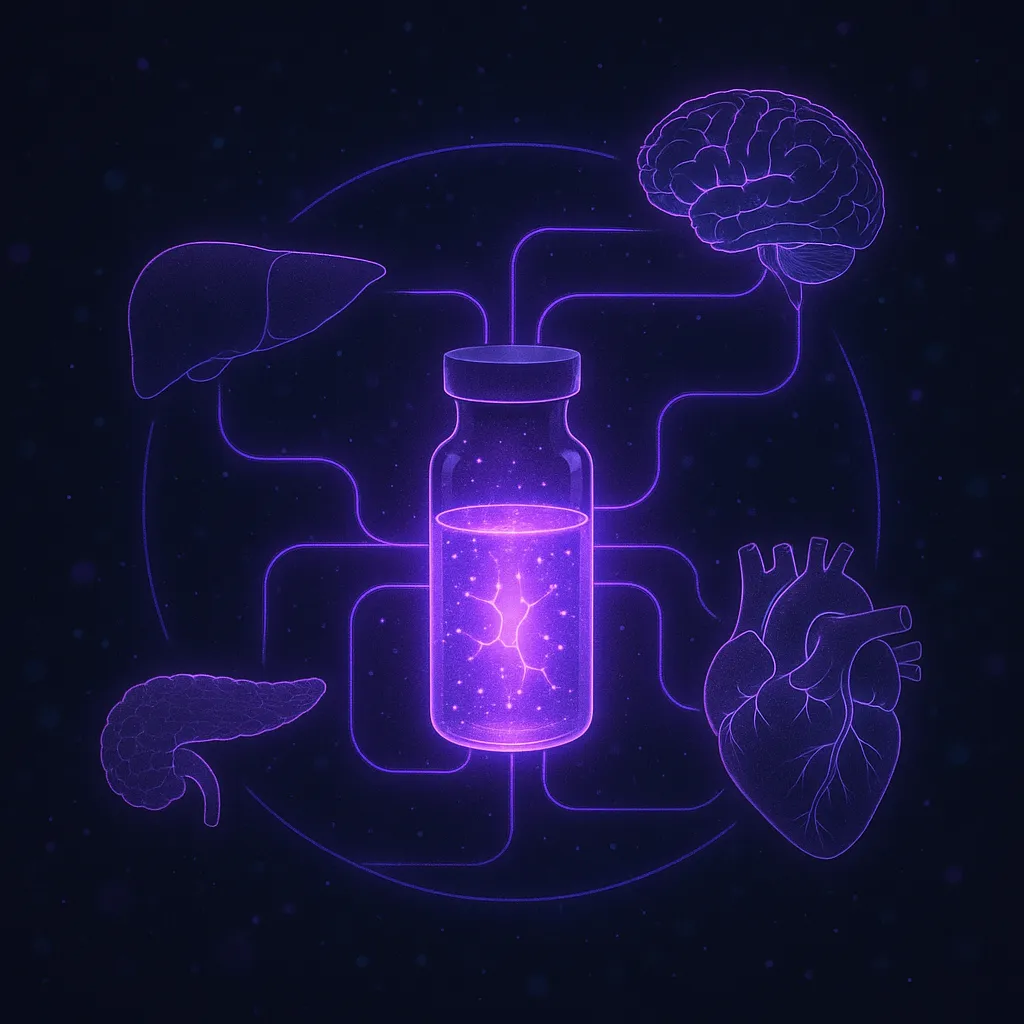
Tirzepatide benefits and metabolic pathways

Tirzepatide Benefits: 8 Effects Beyond Weight Loss

Tirzepatide is a dual GLP-1/GIP receptor agonist that has produced the most impressive metabolic outcomes of any single peptide studied to date. While the weight loss numbers grab headlines -- up to 22.5% body weight reduction in trials -- the benefits extend well beyond the scale.

The dual-receptor mechanism is what sets tirzepatide apart. By activating both GLP-1 and GIP receptors simultaneously, it triggers metabolic improvements that single-target GLP-1 agonists like semaglutide cannot fully replicate. This article ranks 8 clinically documented benefits by evidence strength, each backed by published trial data.

Research-context information only. Tirzepatide is the active ingredient in FDA-approved products for diabetes and chronic weight management; research-peptide and compounded forms are not FDA-approved and are sold for research purposes only. Protocols, doses, and reactions reported below come from published clinical trials and self-reported community sources. This article reports what has been documented, not what should be done. Possession or use of investigational drugs outside an authorized clinical trial may be illegal in your jurisdiction. Consult a licensed physician for personal medical decisions.

For dosing protocols and practical usage, see our Tirzepatide Dosing Guide.

How Tirzepatide Works

Tirzepatide's dual mechanism creates a broader metabolic effect than GLP-1-only drugs:

GLP-1 receptor activation drives appetite suppression, delayed gastric emptying, glucose-dependent insulin secretion, and glucagon suppression -- the same pathways semaglutide targets.

GIP receptor activation enhances insulin sensitivity in peripheral tissues, promotes fat metabolism in adipose tissue, and contributes to central appetite regulation through distinct brain pathways (1).

The synergy between these two pathways is why tirzepatide outperformed semaglutide in the SURPASS-2 head-to-head trial, producing greater A1c reduction and 1.9-5.5 kg more weight loss across dose groups (2).

1. Weight Loss (SURMOUNT-1 Trial)

The SURMOUNT-1 trial enrolled 2,539 adults with obesity (BMI 30+) without diabetes and randomized them to tirzepatide 5mg, 10mg, or 15mg weekly versus placebo for 72 weeks.

Results at the 15mg dose (1):

  • 22.5% mean body weight reduction (vs 3.1% placebo)
  • 55% of participants achieved 20% or greater weight loss
  • 36% of participants achieved 25% or greater weight loss
  • Weight loss continued through week 60 before plateauing

These numbers exceeded every prior non-surgical weight loss intervention. For context, semaglutide's STEP 1 trial produced 14.9% weight loss -- impressive, but roughly two-thirds of tirzepatide's top-dose result.

The dose-response was clear: 5mg produced 16.0%, 10mg produced 21.4%, and 15mg produced 22.5% weight loss.

Evidence quality: Phase 3 RCT, 2,539 participants, 72 weeks. Human data. Strong.

2. A1c and Blood Sugar Reduction (SURPASS Trials)

Tirzepatide was originally developed for type 2 diabetes, and the glycemic data is exceptional.

In SURPASS-1 (monotherapy in T2D), tirzepatide reduced HbA1c by 1.87-2.07% across dose groups over 40 weeks. Between 31-52% of patients reached an HbA1c below 5.7% -- effectively non-diabetic levels (3).

In the head-to-head SURPASS-2 trial, tirzepatide at all three doses produced greater A1c reduction than semaglutide 1mg: -2.01% to -2.30% versus -1.86% (2).

The mechanism works through glucose-dependent insulin secretion (reducing hypoglycemia risk), glucagon suppression, and the GIP component's enhancement of peripheral insulin sensitivity -- particularly in muscle and fat tissue.

Evidence quality: Multiple Phase 3 RCTs, thousands of participants. Human data. Strong.
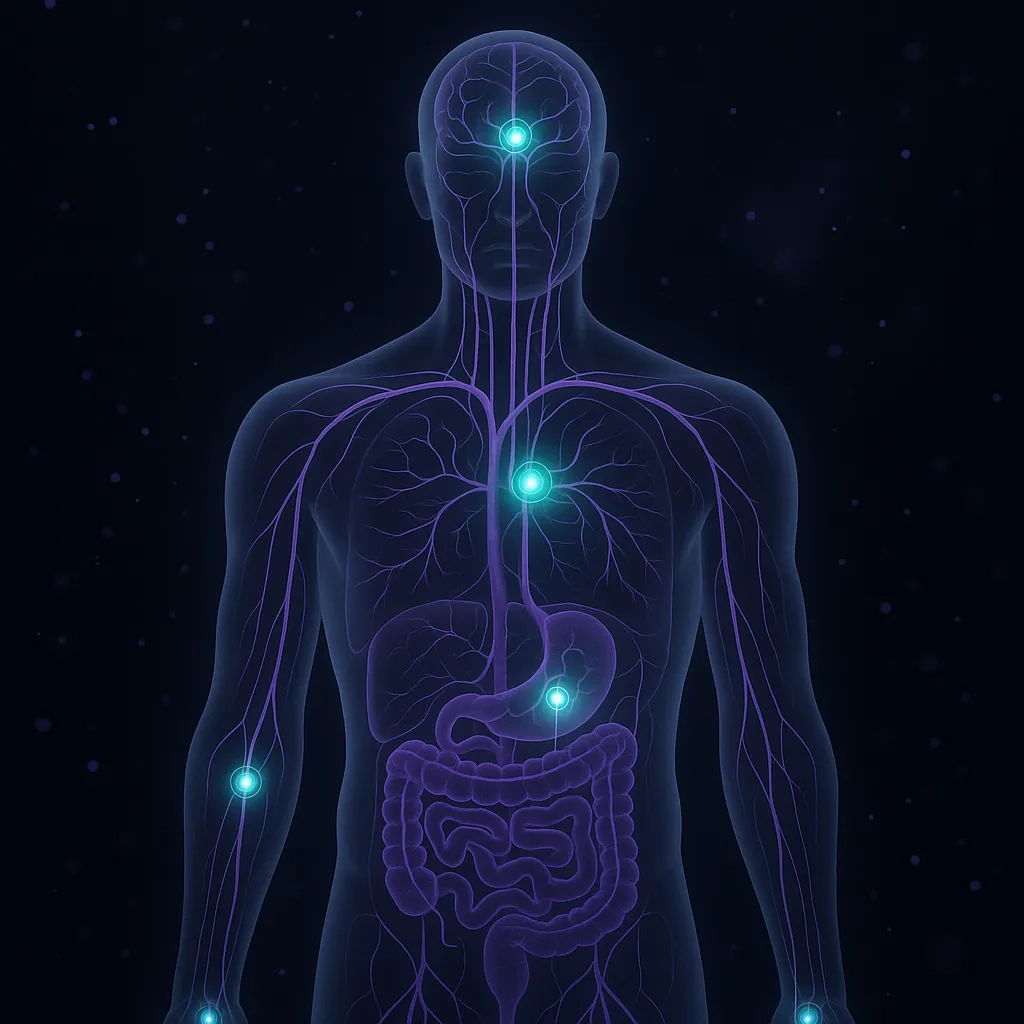
Tirzepatide metabolic pathways in the body

3. Liver Fat Reduction

This benefit may be tirzepatide's most underappreciated effect. The SURPASS-3 MRI substudy measured liver fat directly using MRI-PDFF in patients with type 2 diabetes and fatty liver:

  • Tirzepatide 10-15mg reduced liver fat by 8.09% (absolute) at 52 weeks
  • Insulin degludec reduced liver fat by 3.38% -- an estimated treatment difference of 4.71% (4)

The SYNERGY-NASH trial went further, studying tirzepatide in patients with biopsy-confirmed MASH and moderate-to-severe fibrosis:

  • 62% achieved MASH resolution at 15mg (vs 10% placebo)
  • 56% at 10mg and 44% at 5mg also resolved MASH
  • Significant improvements in hepatocellular ballooning and lobular inflammation (5)

Given that MASH currently has very few effective treatments and can progress to cirrhosis, this is a genuinely important finding.

Evidence quality: Phase 2-3 RCTs with MRI and biopsy endpoints. Human data. Strong.

4. Blood Pressure Reduction

The SURMOUNT-1 blood pressure analysis showed clinically meaningful reductions:

  • Systolic: -6.8 mmHg versus placebo at 72 weeks
  • Diastolic: -4.2 mmHg versus placebo
  • Blood pressure declined rapidly over the first 24 weeks, then stabilized
  • 58% of tirzepatide-treated participants had normal blood pressure at week 72 (vs 35.2% placebo) (6)

A meta-analysis confirmed dose-dependent reductions: -4.20 mmHg (5mg), -5.34 mmHg (10mg), and -5.77 mmHg (15mg) systolic. These reductions rival what many antihypertensive medications deliver.

Evidence quality: Post hoc analysis of Phase 3 RCT. Human data. Moderate-strong.

5. Triglyceride and Lipid Improvements

Tirzepatide produces meaningful improvements across the lipid panel, with triglycerides being the most responsive marker.

From the SURMOUNT-1 post hoc cardiovascular analysis, tirzepatide significantly reduced:

  • Triglycerides
  • Total cholesterol
  • LDL cholesterol
  • Non-HDL cholesterol

The 10-year predicted risk of atherosclerotic cardiovascular disease (ASCVD) was significantly reduced versus placebo across all tirzepatide doses (7).

These lipid improvements work through multiple pathways: direct metabolic effects of GIP receptor activation in adipose tissue, weight-loss-mediated improvements in insulin resistance, and reduced hepatic fat output.

Evidence quality: Post hoc analysis of Phase 3 RCT. Human data. Moderate-strong.

Ready to buy? Compare verified vendors on our best tirzepatide sources page, or browse all coupon codes for up to 50% off.

Top Tirzepatide Vendors

Ranked by price, COA availability, and reputation

1
EZ PeptidesCOA
10/10
$3.27/mg
2
Ascension PeptidesCOA
9.8/10
$3.67/mg
3
Ion PeptideCOA
9.5/10
$3.62/mg

6. Appetite and Craving Regulation

Unlike calorie restriction that leaves you fighting hunger, tirzepatide fundamentally alters appetite signaling through two distinct pathways:

Tirzepatide insulin sensitivity improvement

GLP-1 pathway: Acts on hypothalamic hunger centers and the nucleus of the solitary tract to reduce appetite, delay gastric emptying, and decrease food reward signaling -- the same mechanism as semaglutide.

GIP pathway: Activates additional central nervous system pathways involved in appetite regulation and energy balance. GIP receptors in the brain contribute to satiety signaling through mechanisms distinct from GLP-1.

The practical result: SURMOUNT trial participants reported stronger appetite suppression and more pronounced food aversions than what semaglutide trials documented. The dual mechanism creates more comprehensive appetite control than either pathway alone.

Evidence quality: Subjective endpoints in Phase 3 trials + preclinical CNS data. Moderate.

7. Cardiovascular Risk Reduction

While tirzepatide does not yet have a dedicated cardiovascular outcomes trial like semaglutide's SELECT trial, the SURMOUNT-1 post hoc analysis showed significant reductions in predicted 10-year ASCVD risk across all dose groups versus placebo (7).

The cardiovascular benefit appears to stem from the convergence of multiple improvements: weight loss, blood pressure reduction, lipid improvements, reduced inflammation, and improved insulin sensitivity. The SURPASS-CVOT trial comparing tirzepatide to dulaglutide for cardiovascular outcomes in T2D patients has now reported results, adding further evidence.

A dedicated cardiovascular outcome trial (SURMOUNT-MMO) is underway to definitively establish whether tirzepatide reduces heart attacks, strokes, and cardiovascular death in people with obesity -- similar to what semaglutide's SELECT trial demonstrated.

Evidence quality: Post hoc risk-score analysis + indirect evidence from metabolic improvements. Moderate.

8. Lean Mass Preservation

One of the significant concerns with aggressive weight loss is the loss of lean muscle mass. Emerging data suggests tirzepatide may have an advantage here.

Body composition analysis from SURMOUNT-1 found that approximately 75% of weight lost was fat mass and 25% was lean mass -- a more favorable ratio than many weight loss interventions. The SURPASS-3 MRI post hoc analysis found that muscle composition indicators remained stable or showed signs of improvement during tirzepatide treatment.

The GIP component may play a role: GIP receptors are expressed in skeletal muscle, and GIP signaling may support muscle protein synthesis and energy metabolism in ways that pure GLP-1 agonism does not.

However, this does not eliminate muscle loss concerns entirely. Resistance training and adequate protein intake (1.2-1.6 g/kg/day) remain essential during any significant weight loss protocol.

Evidence quality: Post hoc body composition analysis, early mechanistic data. Moderate-weak.

Evidence Summary

Benefit Evidence Level Key Trial Effect Size
Weight loss Strong SURMOUNT-1 22.5% body weight (15mg)
A1c reduction Strong SURPASS-1/2 1.87-2.07% reduction
Liver fat reduction Strong SURPASS-3 MRI, SYNERGY-NASH 62% MASH resolution
Blood pressure Moderate-strong SURMOUNT-1 -6.8 mmHg systolic
Triglycerides/lipids Moderate-strong SURMOUNT-1 Significant reduction in ASCVD risk
Appetite regulation Moderate SURMOUNT trials Dual-pathway suppression
Cardiovascular risk Moderate SURMOUNT-1 post hoc Reduced 10-yr ASCVD risk
Lean mass preservation Moderate-weak SURMOUNT-1 75:25 fat-to-lean loss ratio

Dosing Context

For those exploring tirzepatide, the community research peptide approach uses significantly lower doses than FDA-approved protocols:

Approach Dose Frequency
Community protocol 0.25-0.5 mg 3x per week (M/W/F)
FDA starting dose 2.5 mg Once weekly
FDA maintenance 5-15 mg Once weekly

The split-dosing approach aims for more stable levels and potentially fewer GI side effects. Full protocols are covered in the Tirzepatide Dosing Guide.

Who Should Consider Tirzepatide

Strong candidates:

  • Significant weight loss goal (BMI 30+ or 27+ with metabolic complications)
  • Type 2 diabetes or pre-diabetes with elevated A1c
  • Fatty liver disease (NAFLD/MASH)
  • Those who want dual-mechanism efficacy exceeding semaglutide's results

Consider alternatives if:

  • You need an oral option (semaglutide has an oral formulation; tirzepatide does not)
  • GI sensitivity is a major concern (start very low and titrate slowly)
  • You want a proven cardiovascular outcomes trial behind the drug (semaglutide has SELECT; tirzepatide's SURMOUNT-MMO is ongoing)

For a detailed head-to-head comparison, see Semaglutide vs Tirzepatide and Retatrutide vs Tirzepatide.

Not Responding to Tirzepatide?

About 10% of people carry genetic variants in the GLP-1 receptor that reduce drug efficacy. Since tirzepatide works through both GLP-1 and GIP receptors, non-response is less common than with semaglutide — but GLP-1 pathway resistance can still blunt results. If you've titrated to 10mg+ with minimal weight loss after 12 weeks, a pharmacogenomic test can identify whether receptor variants are the issue. See our GLP-1 Genetic Resistance guide for alternative peptides that bypass GLP-1 entirely.

30ml bacteriostatic water vial — 0.9% benzyl alcohol multi-dose
Bac Water Made for Peptides
Don't risk a $300 peptide on generic bac water.
Most cloudy reconstitutions trace back to one thing — and it isn't the peptide. Sterile, non-pyrogenic, 0.9% benzyl alcohol — formulated for peptide reconstitution, not repackaged from generic stock.
0.9% benzyl alcohol Made for peptides 30 mL multi-dose
See why our bac water doesn't ruin peptides
30ml from $18.75 · Ships fast · Code thepeptidecatalog

Frequently Asked Questions

What are the main benefits of tirzepatide beyond weight loss?
Clinical trials show tirzepatide improves A1c by 1.87-2.07%, reduces liver fat by 8%, lowers blood pressure by 6.8 mmHg systolic, cuts triglycerides, suppresses appetite through dual receptor signaling, and preserves more lean mass than single-agonist GLP-1 drugs. It also reduces predicted 10-year cardiovascular risk.
How much weight can you lose with tirzepatide?
In the SURMOUNT-1 trial, participants lost an average of 20.9% of body weight at the 15mg dose over 72 weeks. Over half achieved 20% or greater weight loss.
Does tirzepatide protect the liver?
Yes. The SURPASS-3 MRI substudy showed tirzepatide reduced liver fat content by 8.09% absolute versus 3.38% with insulin degludec. In a MASH trial, 62% of patients at the highest dose achieved MASH resolution.
How does tirzepatide compare to semaglutide for benefits?
Tirzepatide's dual GLP-1/GIP mechanism produces greater weight loss (20.9% vs 14.9%), superior A1c reduction, and better triglyceride improvements. The GIP component adds fat metabolism and insulin sensitivity benefits that semaglutide lacks.
Does tirzepatide lower blood pressure?
Yes. SURMOUNT-1 data showed tirzepatide reduced systolic blood pressure by 6.8 mmHg and diastolic by 4.2 mmHg versus placebo at 72 weeks. 58% of participants achieved normal blood pressure.

References

Citation Topic PMID
1. Jastreboff et al., N Engl J Med (2022) SURMOUNT-1: tirzepatide for weight management in obesity 35658024
2. Frias et al., N Engl J Med (2021) SURPASS-2: tirzepatide vs semaglutide in T2D 34170647
3. Rosenstock et al., Lancet (2021) SURPASS-1: tirzepatide monotherapy in T2D 34186022
4. Hartman et al., Lancet Diabetes Endocrinol (2022) SURPASS-3 MRI: liver fat and adipose tissue 35468325
5. Loomba et al., N Engl J Med (2024) SYNERGY-NASH: tirzepatide in MASH with fibrosis 38856224
6. Kamboj et al., Heart (2024) Tirzepatide and blood pressure reduction in SURMOUNT-1 39084707
7. Sattar et al., Nat Med (2023) Tirzepatide and ASCVD risk: SURMOUNT-1 post hoc 37932236

For educational and research purposes only. This is not medical advice. Research peptides are not FDA-approved for human use.