Semaglutide is one of the most extensively studied GLP-1 receptor agonists in modern medicine. Originally developed for blood sugar management, its benefits have proven far broader than anyone anticipated. Large-scale clinical trials involving tens of thousands of participants have revealed effects spanning weight loss, cardiovascular protection, organ preservation, and even potential brain health.
This article examines 8 clinically documented benefits of semaglutide, each supported by published trial data and verified citations. For dosing protocols and practical usage information, see our Semaglutide Dosing Guide.
Research-context information only. Semaglutide is the active ingredient in FDA-approved products for diabetes and chronic weight management; research-peptide and compounded forms are not FDA-approved and are sold for research purposes only. Protocols, doses, and reactions reported below come from published clinical trials and self-reported community sources. This article reports what has been documented, not what should be done. Possession or use of investigational drugs outside an authorized clinical trial may be illegal in your jurisdiction. Consult a licensed physician for personal medical decisions.
1. Significant Weight Loss (STEP Trials)
The Semaglutide Treatment Effect in People with Obesity (STEP) trial program is the largest body of evidence for semaglutide's weight loss efficacy.
STEP 1 randomized 1,961 adults with overweight or obesity (without diabetes) to semaglutide 2.4 mg weekly or placebo for 68 weeks. The results were striking:
Average weight loss: 14.9% of body weight with semaglutide versus 2.4% with placebo
86.4% of participants achieved at least 5% weight loss
69.1% achieved at least 10% weight loss
32% achieved at least 20% weight loss
These results far exceeded what any previous non-surgical weight loss intervention had achieved in a randomized trial (1).
STEP 3 combined semaglutide with intensive behavioral therapy (30 counseling sessions), producing 16.0% mean weight loss versus 5.7% with placebo — demonstrating that lifestyle intervention further enhances the peptide's effects (2).
What makes these findings particularly noteworthy is the consistency across diverse populations. The weight loss was sustained over the full 68-week treatment period, with participants continuing to lose weight through week 60 before reaching a plateau.
2. Cardiovascular Risk Reduction (SELECT Trial)
The SELECT trial is arguably the most important cardiovascular outcome study for a weight loss intervention to date. This landmark trial enrolled 17,604 adults with overweight or obesity and established cardiovascular disease (but without diabetes) and followed them for a mean of 39.8 months.
Key findings:
20% reduction in major adverse cardiovascular events (MACE) — the composite of cardiovascular death, non-fatal heart attack, and non-fatal stroke (HR 0.80; 95% CI: 0.72-0.90; p < 0.001)
Benefits emerged as early as 6 months into treatment
The cardiovascular protection appeared to extend beyond what weight loss alone would predict
This was the first trial to demonstrate that a GLP-1 receptor agonist reduces cardiovascular events in people without diabetes — expanding the potential benefit population significantly (3).
Prior to SELECT, the SUSTAIN-6 trial had already shown a 26% reduction in MACE (HR 0.74) in patients with type 2 diabetes at high cardiovascular risk, establishing the cardiovascular safety and benefit signal (4).
3. Blood Sugar and A1C Reduction
Semaglutide's original indication was glycemic control, and the SUSTAIN trial program thoroughly documented this benefit across multiple studies.
In the SUSTAIN trials, semaglutide consistently reduced HbA1c (a measure of average blood sugar over 2-3 months):
1.5% to 1.8% A1C reduction with the 1.0 mg weekly dose over 30-56 weeks
Greater A1C reduction than most comparator diabetes medications in the SUSTAIN head-to-head trials
A1C reductions were independent of baseline kidney function, making it effective across patient populations
The glycemic benefit works through multiple pathways: semaglutide stimulates insulin secretion in a glucose-dependent manner (reducing hypoglycemia risk), suppresses glucagon release, and slows gastric emptying — all of which contribute to more stable blood sugar levels throughout the day (4, 5).
4. Appetite and Craving Reduction
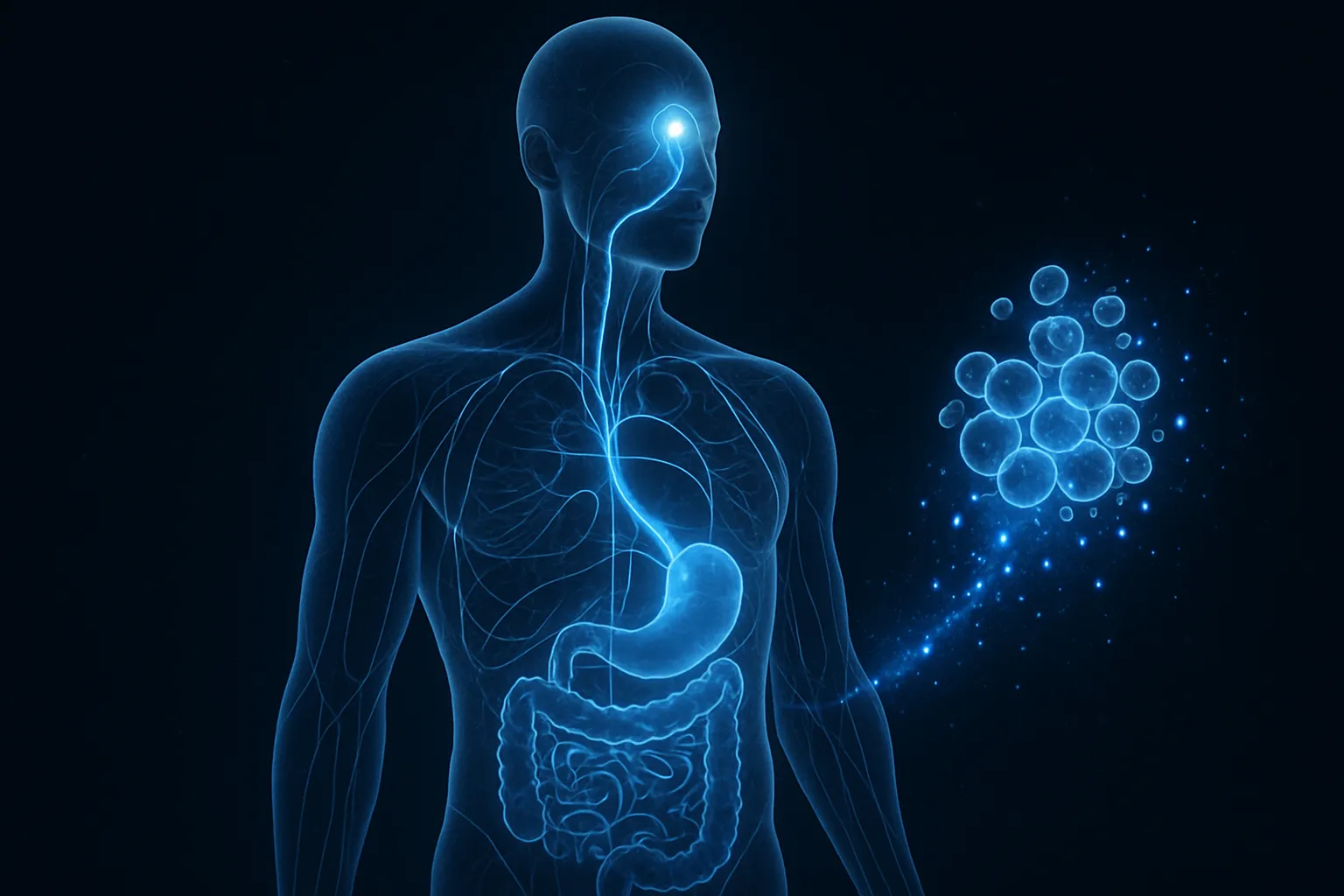
Unlike calorie-restriction diets that leave people fighting constant hunger, semaglutide fundamentally alters appetite signaling. Research has identified several mechanisms:
Central nervous system effects: Semaglutide crosses the blood-brain barrier and acts on GLP-1 receptors in key appetite-regulating brain regions. Preclinical research using c-Fos brain mapping has shown that semaglutide activates neurons in the nucleus of the solitary tract (NTS), hypothalamus, and central amygdala — areas that control hunger, satiety, and food reward processing (6).
Reduced food cravings: Participants in the STEP trials consistently reported decreased food cravings, reduced hunger, and earlier satiety. These effects were not simply a consequence of nausea — appetite suppression persisted long after GI side effects resolved.
Altered food preferences: Emerging evidence suggests GLP-1 receptor agonists may reduce the reward value of highly palatable foods, making it easier for individuals to make healthier food choices without relying purely on willpower.
This appetite reduction is a key differentiator from older weight loss approaches. Rather than fighting biology, semaglutide works with the body's own satiety signaling system.
Non-alcoholic fatty liver disease (NAFLD) affects an estimated 32% of the global population, and semaglutide has shown remarkable efficacy in reducing liver fat.
MRI-based liver study: A randomized clinical trial using magnetic resonance imaging found that semaglutide significantly reduced liver steatosis (fat content) compared to placebo at weeks 24, 48, and 72 (all p < 0.001). Significantly more subjects achieved a 30% or greater reduction in liver fat content with semaglutide (7).
NASH resolution: In a phase 2 trial of patients with biopsy-confirmed non-alcoholic steatohepatitis (NASH), semaglutide produced dose-dependent improvements:
59% NASH resolution at the highest dose (0.4 mg daily) versus 17% with placebo (p < 0.001)
Significant improvements in hepatocellular ballooning and lobular inflammation
Improvements in liver enzyme levels (ALT, AST)
These findings are particularly significant because NAFLD/NASH currently has limited approved pharmacotherapies, and the condition can progress to cirrhosis and liver failure if untreated (8).
6. Kidney Protection (FLOW Trial)
The FLOW trial was a dedicated kidney outcomes study — the first of its kind for a GLP-1 receptor agonist. It enrolled 3,533 patients with type 2 diabetes and chronic kidney disease (CKD).
Results were so compelling the trial was stopped early for efficacy:
24% reduction in major kidney disease events (HR 0.76; 95% CI: 0.66-0.88; p = 0.0002)
The primary composite endpoint included persistent eGFR decline of 50% or more, kidney failure, kidney-related death, and cardiovascular death
Benefits were consistent across baseline kidney function levels
Semaglutide also slowed the annual rate of eGFR decline
This trial established semaglutide as having direct kidney-protective effects beyond what glycemic control alone would provide, suggesting the GLP-1 receptor agonist addresses underlying pathways of kidney damage such as inflammation and hemodynamic stress (9).
7. Anti-Inflammatory Effects
Chronic low-grade inflammation is a driver of cardiovascular disease, metabolic syndrome, and organ damage. Semaglutide has demonstrated significant anti-inflammatory properties.
CRP reduction in STEP trials: Exploratory analyses from the STEP 1, 2, and 3 trials showed that semaglutide 2.4 mg reduced C-reactive protein (CRP) — a primary marker of systemic inflammation — by 39% to 60% compared to placebo at 68 weeks (10).
Importantly, the CRP reductions exceeded what would be expected from weight loss alone. In the PIONEER 2 trial, semaglutide reduced CRP by 30% while the comparator medication (which produced similar weight loss) had no effect on CRP levels. This suggests semaglutide has direct anti-inflammatory mechanisms independent of its weight-lowering effects.
An updated systematic review and meta-analysis of semaglutide's anti-inflammatory effects confirmed significant reductions in CRP across multiple trials in both diabetic and non-diabetic populations (11).
These anti-inflammatory effects may partially explain semaglutide's cardiovascular and organ-protective benefits, as inflammation plays a central role in atherosclerosis, kidney disease, and liver disease.
8. Potential Neuroprotective Effects
The most emerging — and potentially most exciting — area of semaglutide research involves brain health and neurodegeneration.
Preclinical evidence: A comprehensive review of animal model studies found that semaglutide demonstrates neuroprotective effects in models of both Alzheimer's disease and Parkinson's disease. Mechanisms include reduced neuroinflammation, decreased amyloid-beta plaque formation, improved synaptic plasticity, and enhanced brain glucose metabolism (12).
Real-world observational data: A large-scale target trial emulation study using nationwide U.S. electronic health records found that semaglutide was associated with 40% to 70% lower risk of first-time Alzheimer's disease diagnosis compared to other antidiabetic medications — including other GLP-1 receptor agonists. These associations held across multiple comparison groups and sensitivity analyses (13).
Ongoing clinical trials: Based on this promising signal, randomized controlled trials are now underway to test semaglutide directly in patients with early-stage Alzheimer's disease and cognitive impairment. The ISAP trial (Impact of Semaglutide in Amyloid Positivity) is evaluating oral semaglutide in amyloid-positive adults.
It is important to note that the neuroprotective evidence is still largely preclinical and observational. While the biological plausibility is strong (GLP-1 receptors are expressed throughout the brain, and neuroinflammation is a known driver of neurodegeneration), definitive clinical trial data is still forthcoming.
The Broader Picture: Why These Benefits Matter Together
What makes semaglutide particularly compelling is not any single benefit in isolation, but the convergence of effects across multiple organ systems. Obesity, cardiovascular disease, diabetes, fatty liver disease, chronic kidney disease, and neurodegeneration share overlapping pathophysiology — particularly chronic inflammation, insulin resistance, and metabolic dysfunction.
Semaglutide appears to address these shared root mechanisms through:
Weight reduction that relieves mechanical and metabolic stress on organs
Direct anti-inflammatory effects independent of weight loss
Improved insulin signaling that benefits glucose-dependent tissues throughout the body
For researchers exploring how semaglutide compares to newer multi-agonist peptides, see our Semaglutide vs Tirzepatide comparison, which examines the head-to-head trial data between single and dual receptor agonists.
Not Seeing Results? It May Be Genetic
About 10% of people carry GLP-1 receptor variants that reduce how well semaglutide works. If you've been on a proper dose for 12+ weeks with minimal response, genetics may be the reason — not compliance. A pharmacogenomic test or 23andMe report can identify these variants. For alternative peptides that bypass GLP-1 pathways entirely, see our GLP-1 Genetic Resistance guide.
Bac Water Made for Peptides
Don't risk a $300 peptide on generic bac water.
Most cloudy reconstitutions trace back to one thing — and it isn't the peptide. Sterile, non-pyrogenic, 0.9% benzyl alcohol — formulated for peptide reconstitution, not repackaged from generic stock.
✓ 0.9% benzyl alcohol✓ Made for peptides✓ 30 mL multi-dose
Clinical trials have demonstrated 8 key benefits: significant weight loss (up to 14.9% body weight), cardiovascular risk reduction (20% lower MACE), blood sugar and A1C reduction (1.5-1.8% decrease), appetite and craving suppression, liver fat reduction, kidney protection, anti-inflammatory effects, and potential neuroprotective properties.
How much weight can you lose with semaglutide?
In the STEP 1 trial, participants lost an average of 14.9% of their body weight over 68 weeks with semaglutide 2.4 mg weekly. Approximately one-third of participants achieved 20% or greater weight loss.
Does semaglutide protect the heart?
Yes. The SELECT trial demonstrated a 20% reduction in major adverse cardiovascular events (heart attack, stroke, cardiovascular death) in people with overweight or obesity and existing cardiovascular disease.
Can semaglutide help with fatty liver disease?
Clinical evidence shows semaglutide significantly reduces liver fat content and may resolve non-alcoholic steatohepatitis (NASH). In a phase 2 NASH trial, 59% of patients on the highest dose achieved NASH resolution versus 17% on placebo.
Does semaglutide reduce inflammation?
Yes. Exploratory analyses from the STEP trials showed semaglutide reduced C-reactive protein (CRP), a key inflammatory marker, by up to 60% compared to placebo — effects that went beyond what weight loss alone would explain.
Is semaglutide good for kidney health?
The FLOW trial showed semaglutide reduced the risk of major kidney disease events by 24% in patients with type 2 diabetes and chronic kidney disease. The trial was stopped early due to clear efficacy.
How does semaglutide compare to tirzepatide?
Both are GLP-1 receptor agonists with strong clinical evidence. Tirzepatide is a dual GIP/GLP-1 agonist that has shown slightly greater weight loss in head-to-head trials, while semaglutide has a longer track record and more published data on cardiovascular and organ-protective benefits.
Does semaglutide have brain benefits?
Preclinical research and real-world data suggest semaglutide may have neuroprotective properties. A large observational study found semaglutide was associated with 40-70% lower risk of first-time Alzheimer's disease diagnosis compared to other diabetes medications. Clinical trials are underway.
Research Supplies for Semaglutide
Hand-picked storage, injection, and recovery supplies paired with Semaglutide protocols.