Tirzepatide produces the most substantial weight loss of any single peptide in clinical trials -- up to 22.5% body weight over 72 weeks in SURMOUNT-1 (1). But knowing the average endpoint does not tell you what the journey looks like week by week.
This timeline combines clinical trial data with community-reported experiences to set realistic expectations. Individual variation is significant -- your genetics, starting weight, dose, diet, and activity level all influence the pace of results.
Research-context information only.Tirzepatide is the active ingredient in FDA-approved products for diabetes and chronic weight management; research-peptide and compounded forms are not FDA-approved and are sold for research purposes only. Protocols, doses, and reactions reported below come from published clinical trials and self-reported community sources. This article reports what has been documented, not what should be done. Possession or use of investigational drugs outside an authorized clinical trial may be illegal in your jurisdiction. Consult a licensed physician for personal medical decisions.
Before diving into the weekly breakdown, here is what the SURMOUNT-1 trial showed at key timepoints (at the 15mg dose) (1):
Timepoint
Mean Weight Loss
Notes
Week 12
~8-10%
End of dose escalation
Week 24
~15-17%
Rapid loss phase
Week 40
~19-21%
Still losing
Week 60
~22%
Approaching plateau
Week 72
~22.5%
Peak/plateau
For a person starting at 220 lbs (100 kg), that translates to roughly 22 lbs lost by week 12, 35 lbs by week 24, and nearly 50 lbs by week 72.
Week 1: Initial Response
What to expect:
Reduced appetite is the first and most noticeable effect, often within 3-5 days
Smaller portions feel satisfying; you may forget to eat meals
Some people experience no hunger at all -- this can feel dramatic if you are used to constant food thoughts
Mild nausea is common (affects ~25-30% at starting doses)
No meaningful scale change yet
What is happening:
GLP-1 receptor activation begins suppressing appetite centrally (hypothalamus, brainstem) and peripherally (delayed gastric emptying). GIP receptors are also activating, but metabolic effects take weeks to manifest. With community split-dosing protocols (0.25mg 3x/week), the initial response may be more subtle than pharmaceutical once-weekly doses.
Red flags: Severe nausea or vomiting that prevents eating or hydrating. If this happens at starting doses, reduce and titrate more slowly.
Food aversions may develop -- certain rich or greasy foods become unappealing
GI side effects (nausea, constipation, diarrhea) are most common during this period
Energy levels may fluctuate as caloric intake drops
Early fasting glucose improvements can be measured with a glucometer
What is happening:
With sustained GLP-1/GIP activation, caloric intake naturally drops 20-40% without conscious effort. The body begins mobilizing fat stores, though much of the early scale change includes water and glycogen. Insulin sensitivity starts improving, and fasting glucose may drop 5-15 mg/dL.
Practical note: Some initial weight loss is water. Do not extrapolate week 2-4 rates linearly -- the pace will change as you titrate up and as the body adapts.
Months 1-3: Significant Changes
What to expect:
8-15% body weight loss is typical by the end of month 3 (at adequate doses)
Clothes fit noticeably differently
A1c drops measurably (0.5-1.5% reduction by week 12)
Blood pressure begins improving
Energy often improves after the initial adjustment period
GI side effects typically subside or become manageable
Triglycerides and lipid markers start improving
What is happening:
This is the rapid-loss phase. The SURMOUNT-1 curve is steepest between weeks 4-24. The combination of reduced caloric intake, improved insulin sensitivity, and enhanced fat oxidation (via GIP) drives consistent weekly losses of 1-2 lbs.
The dose escalation schedule matters here. Clinical protocols increase doses every 4 weeks. Community protocols using split dosing may titrate differently -- see the dosing guide for details.
By use case:
Weight loss primary goal: 10-15% body weight reduction is achievable
Type 2 diabetes: A1c may drop below 6.5% (from starting values of 7-8%)
Fatty liver: Liver enzymes (ALT) typically start trending downward
Months 3-6: Peak Efficacy Window
What to expect:
15-22% total body weight loss at adequate doses
Body composition changes become visible -- face, waist, and midsection show clear differences
A1c stabilizes at improved levels (1.5-2.0% total reduction is typical)
Blood pressure normalizes for many (58% achieved normal BP in SURMOUNT-1)
Lipid panel shows significant improvements, especially triglycerides
Weight loss rate begins decelerating -- this is normal, not a plateau
Food noise is largely gone; eating feels normalized
What is happening:
The metabolic benefits are now fully established. The body is in a new equilibrium: lower caloric intake, improved insulin signaling, reduced liver fat, better lipid metabolism. The deceleration in weight loss is expected -- as body weight decreases, energy expenditure drops, and the caloric deficit narrows.
This is also when the SYNERGY-NASH trial data becomes relevant: at the 52-week mark, 62% of patients on 15mg tirzepatide achieved MASH resolution (2). Liver fat reductions are significant by this point.
Months 6-12+: Maintenance Phase
What to expect:
Weight loss plateaus between months 10-14 for most people
Total loss at plateau: 18-22.5% at clinical doses
Metabolic improvements are sustained as long as treatment continues
Some people maintain results with lower doses after reaching goal weight
Appetite regulation becomes the new normal
SURMOUNT-4 data: Participants who continued tirzepatide after an initial 36-week open-label run-in maintained their weight loss through week 88. Those switched to placebo regained approximately 14% of their body weight -- about half of what they had initially lost (3). This demonstrates that tirzepatide is maintaining the metabolic state, not just providing an initial push.
Bac Water Made for Peptides50% off
Don't risk a $300 peptide on generic bac water.
Most cloudy reconstitutions trace back to one thing — and it isn't the peptide. Sterile, non-pyrogenic, 0.9% benzyl alcohol — formulated for peptide reconstitution, not repackaged from generic stock.
✓ 0.9% benzyl alcohol✓ Made for peptides✓ 30 mL multi-dose
The relationship between dose and results is clear from trial data. SURMOUNT-1 at 72 weeks: 16.0% (5mg), 21.4% (10mg), 22.5% (15mg). Higher doses produce more weight loss, but the incremental benefit from 10mg to 15mg is smaller than from 5mg to 10mg.
Starting weight and metabolic health
People with higher starting BMI and worse metabolic markers (high A1c, insulin resistance, elevated triglycerides) often see the most dramatic improvements in those specific markers. The percentage of body weight lost tends to be similar across starting weights.
Diet and protein intake
Tirzepatide reduces appetite, but the quality of what you eat still matters. Adequate protein (1.2-1.6 g/kg/day) is critical for preserving lean mass. Without sufficient protein during rapid weight loss, muscle loss accelerates.
Exercise
Resistance training is the strongest lever for preserving muscle mass during weight loss. The combination of tirzepatide + resistance training + adequate protein produces the best body composition outcomes.
Individual variation
Some people are highly sensitive to GLP-1/GIP agonists and see rapid results at low doses. Others require higher doses to achieve meaningful appetite suppression. Genetic variation in GLP-1 and GIP receptor expression likely plays a role.
By Use Case: Different Timelines
Weight Loss
First noticeable: Weeks 2-4 (appetite + early scale movement)
Significant: Months 2-4 (10-15% body weight)
Peak: Months 10-14 (18-22.5% body weight)
Blood Sugar / A1c
First measurable: Weeks 2-4 (fasting glucose drops)
Most people notice reduced appetite within 3-7 days. Scale weight typically starts moving by weeks 2-4. Significant weight loss (10%+) usually occurs between months 2-4, with peak results around months 4-6.
When will I stop losing weight on tirzepatide?
SURMOUNT-1 data shows weight loss continues through approximately week 60 (month 14) before plateauing. Most of the rapid loss occurs in the first 6 months, with a gradual deceleration after that.
What if I don't see results with tirzepatide?
When no appetite suppression appears after 4 weeks at an adequate dose, common explanations include peptide quality (COA verification), injection technique, dose adequacy, and whether GI symptoms are present — suggesting the drug is active but at too low a dose for weight effects. Some people are non-responders to GLP-1 agonists.
Does tirzepatide work faster than semaglutide?
Clinical data suggests tirzepatide produces more rapid early weight loss than semaglutide. SURMOUNT-1 showed 15-20% weight loss by week 40, while STEP-1 showed about 12% at the same timepoint. The dual mechanism may accelerate initial metabolic response.
What did trials report about weight regain after stopping tirzepatide?
The SURMOUNT-4 trial showed that participants who switched from tirzepatide to placebo regained approximately half the weight they had lost over 52 weeks. Trial and community sources describe maintained lifestyle changes, protein intake, and exercise as factors associated with preserving results.
Research Supplies for Tirzepatide
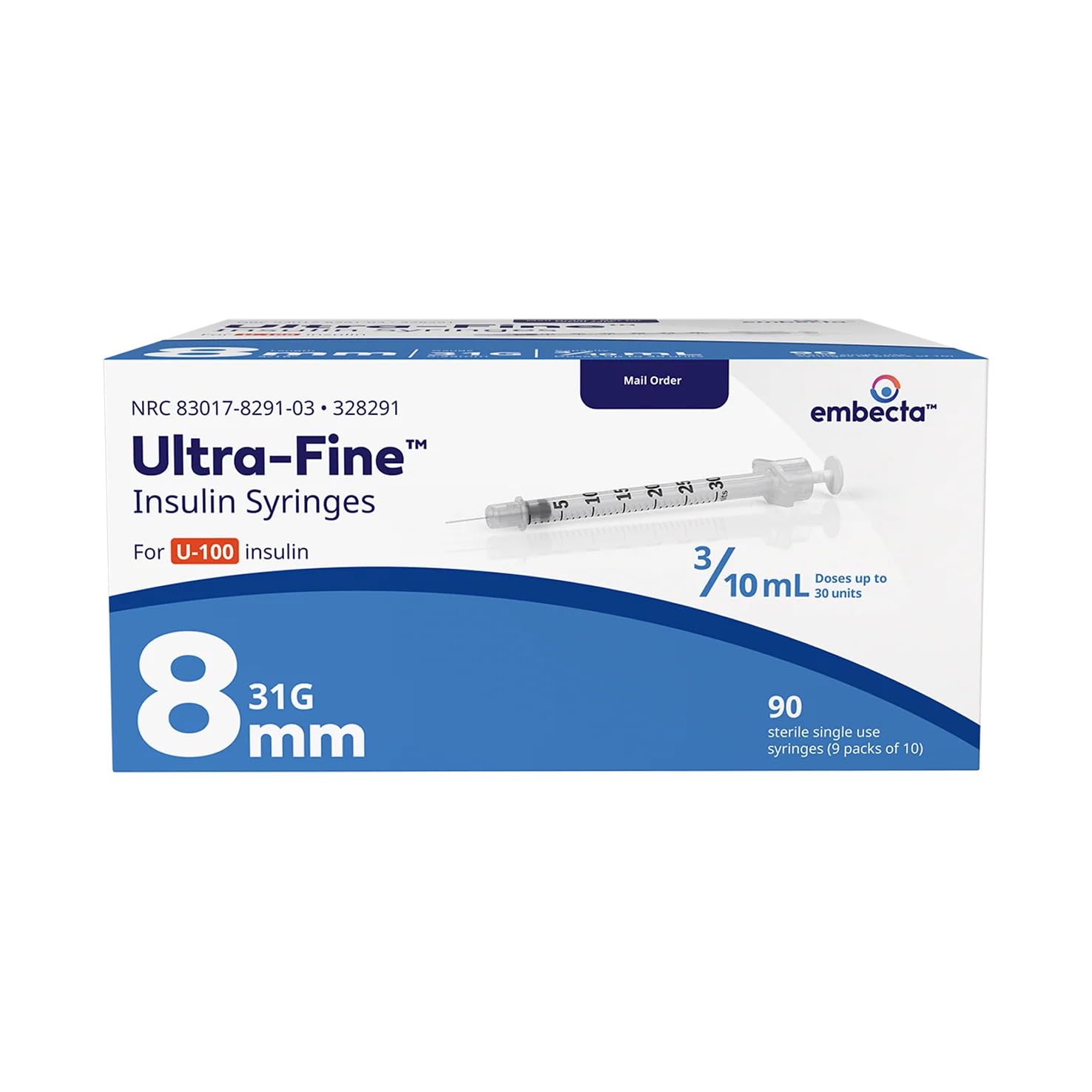
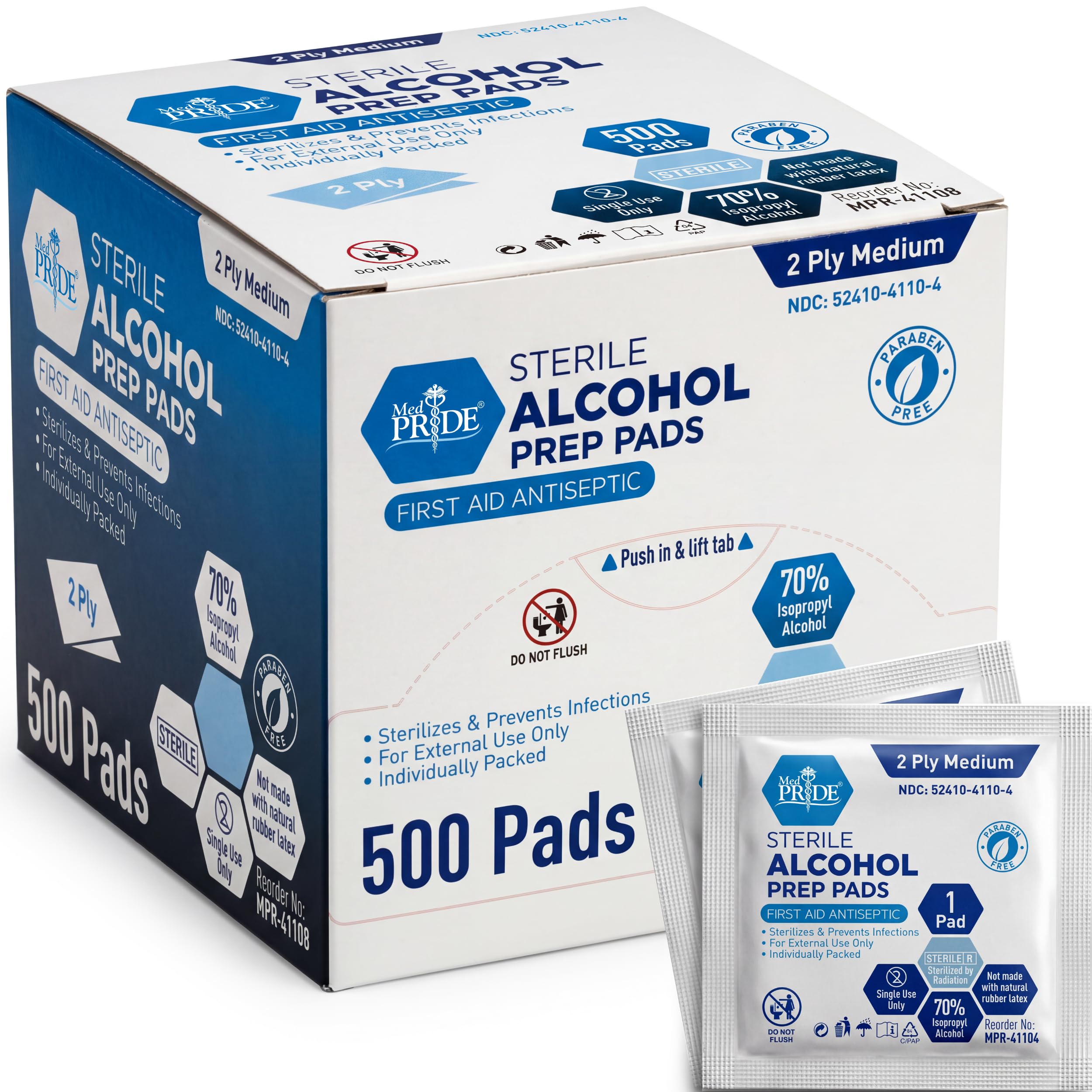
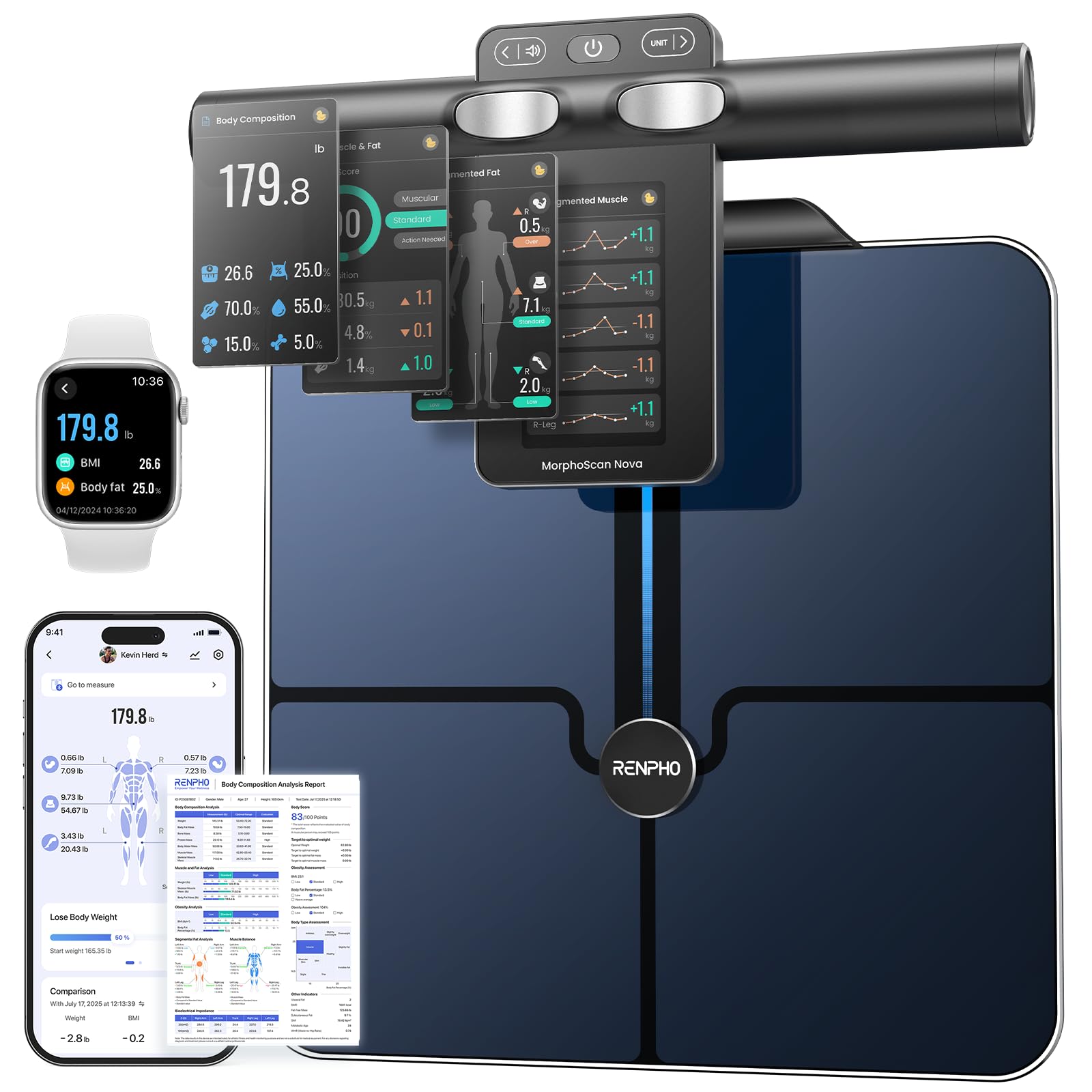
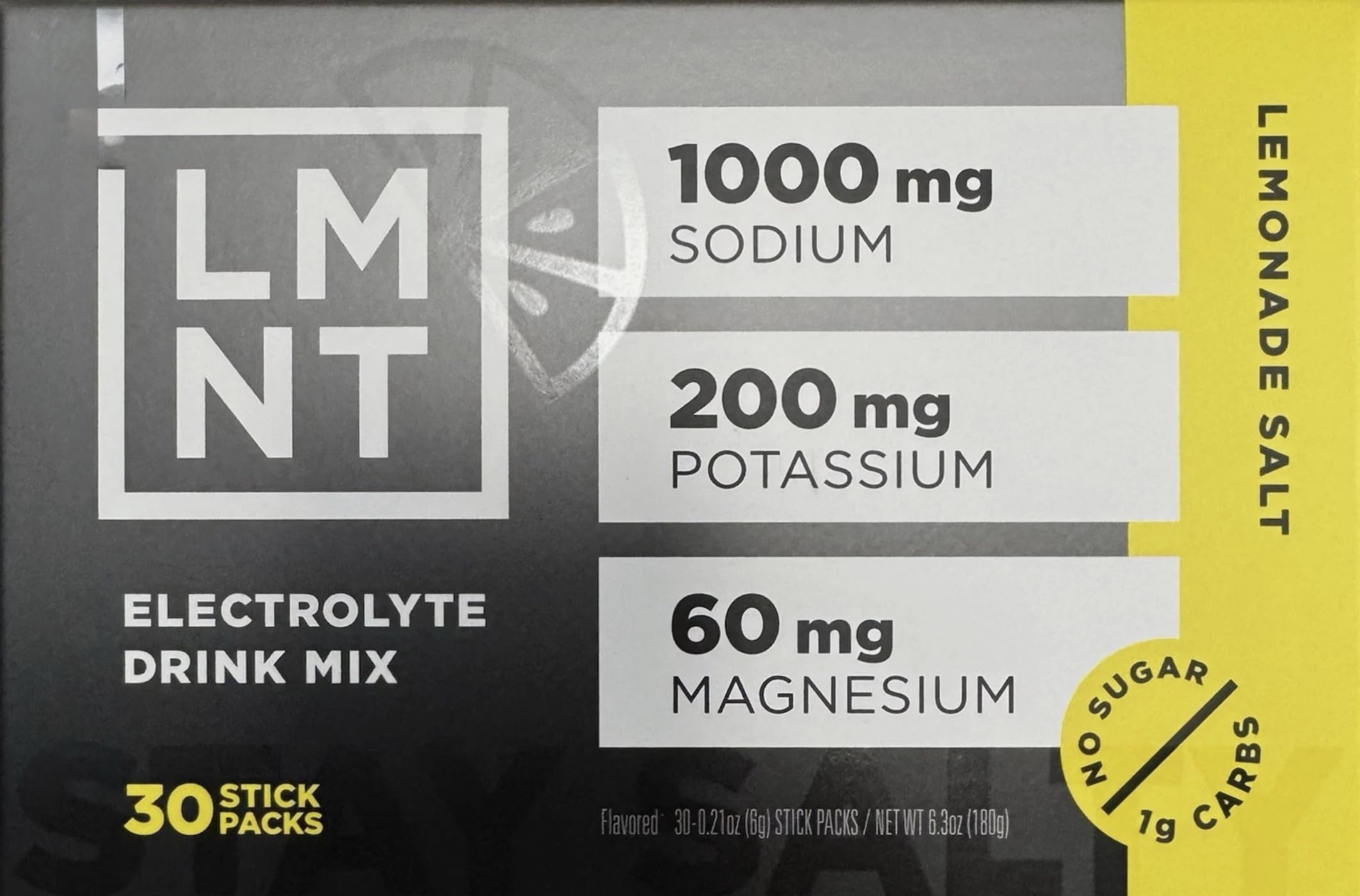
Hand-picked storage, injection, and recovery supplies paired with Tirzepatide protocols.