Read the full guides
Noopept
Last reviewed: June 11, 2026 by The Peptide Catalog Team
A dipeptide-derived racetam-class nootropic (omberacetam) with Russian human trial data in cognitive impairment; metabolized to the endogenous peptide cycloprolylglycine, sold in the West as a research chemical. Noopept (omberacetam) is a racetam-class research nootropic with some human/Russian clinical data. Community-reported dosing clusters around 10-30 mg/day. Sold for research use only.
Overview
Core Benefits
Key AdvantagesThese are educational summaries of commonly discussed effects in wellness/regenerative contexts, not guarantees.
Noopept Results Timeline
ProgressionTimeline is illustrative and non-guaranteed. Outcomes vary and are commonly discussed alongside training, nutrition, sleep, and cycling practices.
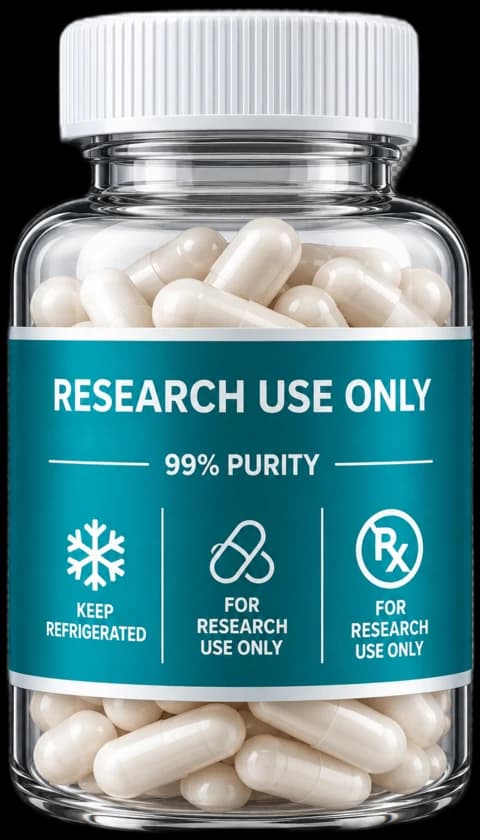
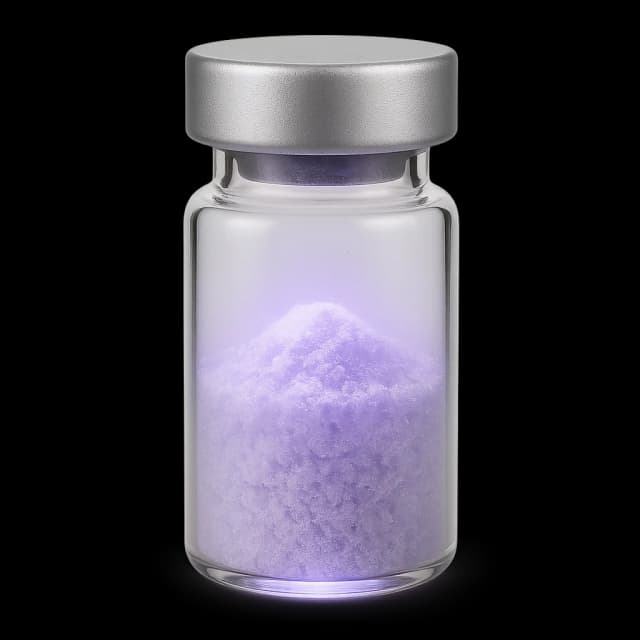
How It WorksDipeptide-Derived Racetam-Class Nootropic — Cognitive / Neuroprotective (Human Trial Data; Russian, Mostly Open-Label)
Target → BDNF Stimulation → Cognitive Enhancement → Outcomes
Prodrug → Endogenous Cycloprolylglycine (cPG)
Noopept (omberacetam; GVS-111 / SGS-111; CAS 157115-85-0) is the ethyl ester of N-phenylacetyl-L-prolylglycine — designed as a dipeptide analog of piracetam's pyrrolidone ring. It is rapidly metabolized, substantially in the brain, to cycloprolylglycine (cPG), an endogenous cyclic dipeptide that already occurs naturally in mammalian brain. The framing (preclinical) is that Noopept amplifies a naturally present modulatory signal rather than introducing a foreign one. The endogenous-cPG anxiolytic activity is shown in Gudasheva 2001 (PMID 11550054).
AMPA/NMDA Modulation + BDNF/NGF Upregulation — Proposed
Across the originating group's work and an independent cellular study, proposed actions (preclinical) include AMPA/NMDA glutamate-receptor modulation, enhanced cholinergic transmission, upregulation of BDNF and NGF, antioxidant effects, and attenuation of amyloid toxicity and tau hyperphosphorylation at Ser396 (PMID 25096780). cPG is reported as a positive AMPA-receptor modulator. These are mechanistic/preclinical findings, not proven human mechanisms.
Cognitive + Anxiolytic Effects in Impaired Populations
Human evidence exists but is concentrated in Russian trials in mild cognitive impairment of vascular/post-traumatic origin and in stroke patients, where memory, attention, and an anxiolytic/regulatory effect developed over weeks of twice-daily dosing (PMID 18697252, 19008801, 22500312). These are mostly small, open-label or piracetam-comparator studies near the originating program — supportive in direction, not Western-RCT grade, and in disease populations rather than healthy enhancement.
Subtle, Variable in Healthy Users
Community users (anecdotal) report subtle onset within ~15-60 minutes of a dose — mild focus/clarity — with the more valued effects building over days to a few weeks of consistent use. Reports are inconsistent: a meaningful share describe Noopept as subtle or "no clear effect," and some report it as stimulating or mildly anxiogenic rather than calming. None of this is placebo-controlled; expectation effects are unquantified.
What Makes This Peptide Different
Noopept is unusual among research-chemical nootropics in that it has published human clinical data and no retractions — its limitation is depth and independence, not integrity: much of the body of evidence comes from a single Russian originating group and from open-label, Russian-language studies. It is a registered medicine in Russia for cognitive disorders of vascular and traumatic origin, but it is not FDA- or EMA-approved; in the West it is sold as an unapproved research chemical, not for human consumption. The often-cited "1000x more potent than piracetam" is a potency-by-dose statement (active at tens of mg vs. piracetam's grams), not an efficacy multiplier.
Noopept Vendors
Swiss Chems
Dosing ProtocolCognition / Neuroprotection (Research / Limited Human Data)
Educational reference only. Individual responses vary. Consult healthcare provider before use.
Why This Dosing Protocol
Route and cycling. Oral is standard and matches the studied route (oral antiamnesic activity established in PMID 11782792). It is an orally active small molecule — no injection and no bacteriostatic-water reconstitution. Community sources commonly describe cycling and pairing with a choline source to manage anecdotal headache; no trial-defined cycling schedule exists.
Reconstitution Calculator
Dilution math and unit conversions. Prefilled using a common vial size for this peptide.
Open calculatorStorage & Handling
Storage at a glance
Proper storage temperatures, shelf life, reconstitution best practices, and travel tips for lyophilized and reconstituted peptides.
Handling specifics
Educational overview on storage, labeling, and traceability considerations for lab environments. Consult primary literature and vendor documentation for specifics.
- Freezer (-20°C): 1+ year
- Refrigerator (2-8°C): 1-3 months
- Room temperature: 2-3 weeks (emergency only)
- MUST refrigerate at 2-8°C
- 4-week maximum shelf life
- NEVER freeze after reconstitution
- Use bacteriostatic water for multi-dose
FAQ
Is Noopept a peptide?
Not in the therapeutic sense. It is a dipeptide-derived small-molecule nootropic — the ethyl ester of N-phenylacetyl-L-prolylglycine (omberacetam; CAS 157115-85-0) — that is orally active and not injected. It is grouped loosely with peptides because of its dipeptide backbone, but it behaves as a small molecule, not an injectable peptide drug.
Does Noopept have human clinical data?
Yes — unlike many research nootropics. Russian trials in mild cognitive impairment of vascular/post-traumatic origin and in stroke patients reported cognitive and anxiolytic benefits (PMID 18697252, 19008801, 22500312). They are mostly small, open-label or piracetam-comparator, Russian-language, and near the originating research group — supportive but not definitive, and not Western-RCT grade. No retractions were found in the Noopept literature.
What dose do people actually use?
Community and vendor sources most commonly cite 10-30 mg/day, usually split into 2-3 doses, with new users starting around 10 mg. The dose used in the Russian trials was 20 mg/day (10 mg twice daily). So a clinically studied dose exists (20 mg/day); the wider 10-30 mg/day range is community/vendor-derived, not trial-validated. It is not FDA- or EMA-approved.
How does Noopept work?
Proposed mechanism (preclinical): it is metabolized — substantially in the brain — to the endogenous dipeptide cycloprolylglycine, which is reported to modulate AMPA/NMDA glutamate signaling and raise BDNF/NGF, with antioxidant and anti-amyloid effects in animal and cell models (PMID 11550054, 25096780, 16277202). The human mechanism is not directly proven.
What are the side effects?
Russian trial cohorts reported sleep disturbance, irritability, and raised blood pressure in a minority of patients (small open-label samples). Community reports center on headache — often attributed anecdotally to choline depletion, with users adding a choline source — plus irritability, brain fog, dizziness, and sleep changes. Long-term human safety is uncharacterized. Decisions about an unapproved compound are matters for a licensed physician.
How long does reconstituted peptide last?
Once mixed with bacteriostatic water, peptides remain stable for up to 4 weeks when refrigerated at 2-8°C (36-46°F). Unopened powder can last 1+ year in the freezer. Get our complete Storage & Travel Guide.
Is this peptide legal to purchase?
Peptides sold "for research purposes only" are legal to purchase in the US, but are not FDA-approved for human use outside of specific medical applications. Always consult a healthcare provider before use.
New to peptides?
Take our Peptide Match tool to find the best peptide for your goals. You can also read our Complete Guide to Peptides to learn the basics.
Noopept Research Articles
Noopept Dosage: What the Data Shows
People take 10-30 mg/day, but Russian trials used 20 mg. See where each number comes from and why it's oral, not injected.
side-effectsNoopept Side Effects: Trials vs Reports
Noopept's side effects, graded by source: what Russian trials documented vs what community users report — headache, blood pressure, and choline depletion.
resultsNoopept Results Timeline: Onset Evidence
Russian trials measured Noopept effects over weeks; community users report onset in 15-60 minutes. Here's the gap between the two, each labeled.
buying-guideBuy Noopept: Price, COA & Cost Per Week
Only 1 vetted Noopept source right now: $19.99 a vial, $0.00/mg. Codes save up to 10%. COA status and real cost per week.
Disclosure: we may earn affiliate commission from qualifying purchases. Educational information only — not medical advice.