IGF-1 LR3 is a modified analog of IGF-1 studied primarily in laboratory and animal models. Barton-Davis et al. (1999) studied native IGF-I gene expression in mouse muscle, not injected LR3 in humans. That mechanism study does not validate a human LR3 regimen; meaningful concerns include hypoglycemia. For a full breakdown of what this peptide does, see our IGF-1 LR3 benefits guide. This is not medical advice.
Research-context information only. IGF-1 LR3 is a research peptide. Protocols, doses, and reactions reported below come from published research and self-reported community sources. This article reports what has been documented, not what should be done. Consult a licensed physician for personal medical decisions.
IGF-1 LR3 Dosing Table
Match your vial size below — reconstitution and dose math update automatically.
Reconstitute: add 1 mL of bacteriostatic water to the 1 mg vial. Resulting concentration: 1 mg/mL.
Dose
Syringe units
mL volume
Schedule
20 mcg
2 units
0.02 mL
Daily IM (10-on/4-off)Starter
50 mcg
5 units
0.05 mL
Daily IM (10-on/4-off)Standard
100 mcg
10 units
0.1 mL
Daily IM (split bilateral)Advanced
20 mcg2 units · 0.02 mL
Daily IM (10-on/4-off)
Starter
50 mcg5 units · 0.05 mL
Daily IM (10-on/4-off)
Standard
100 mcg10 units · 0.1 mL
Daily IM (split bilateral)
Advanced
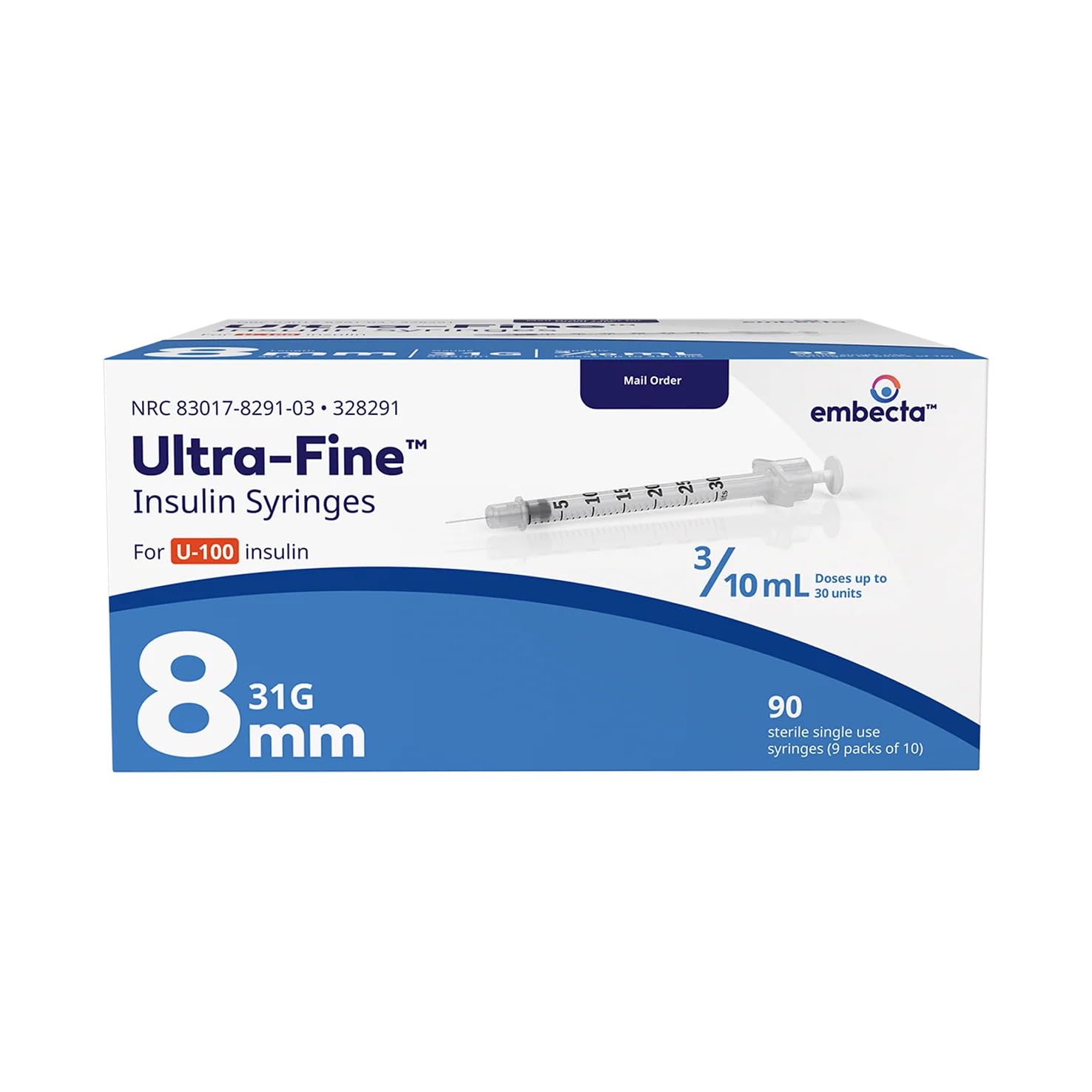
Math assumes U-100 insulin syringes (1 mL = 100 units). Verify your syringe matches before injecting. Round half-units to the nearest visible mark.
This calculator converts a selected vial amount, diluent volume, and entered amount into concentration, mL, and U-100 syringe units. Its initial 1 mg vial + 1 mL example matches the chart below. The values are arithmetic examples, not a validated human dose or a recommendation; the calculation does not establish safety, route, frequency, or solution stability.
Vial size
BAC water added
Dose
Draw (U-100 syringe)
5.0 units
Concentration
1.00 mg/mL
Draw volume
0.050 mL
Doses per vial
20
U-100 syringe: 100 units = 1 mL. Figures are arithmetic from the vial size, diluent volume and dose entered — presets reflect community-reported and published protocols for research context, not a recommendation. Verify against your own vial label.
Community sources describe 10 consecutive days followed by 4 weeks off. The cited animal studies did not test this human schedule, demonstrate that it maximizes muscle growth, or establish that the off-period prevents adverse effects.
Community protocols describe keeping fast-acting carbohydrates available — hypoglycemia is the most immediate risk. Community sources warn against injecting before sleep. Community sources describe starting at 20 mcg for the first 2-3 days, then increasing to 50 mcg; the cited studies do not validate this human titration schedule.
Enhanced Protocol (Community)
Community reports describe some users running longer cycles or higher amounts. The cited studies do not validate these human regimens:
4-6 week cycle: 20-50 mcg daily, 4-6 weeks off (less common, higher risk)
Bilateral IM split: 40-80 mcg/day split between muscle groups post-workout
Training-day only: 50 mcg on training days (4-5x/week) for 4 weeks
The 10-day on / 4-week off pattern is described in community sources, not established as a safe starting point by the cited studies.
Routes of Administration
Subcutaneous: Abdomen or love handles. Provides systemic IGF-1 LR3 distribution. Consistent absorption, easier injection.
Intramuscular (community reports): Some bodybuilding accounts describe administration near muscles trained that day. The cited native IGF-I gene-transfer study does not demonstrate that injecting LR3 into a chosen muscle produces localized growth in humans.
Affiliate disclosure: some links on this page are affiliate links. The Peptide Catalog may earn a commission at no additional cost to the reader.
Bac Water Made for Peptides
Don't risk a $300 peptide on generic bac water.
Most cloudy reconstitutions trace back to one thing — and it isn't the peptide. Sterile, non-pyrogenic, 0.9% benzyl alcohol — formulated for peptide reconstitution, not repackaged from generic stock.
✓ 0.9% benzyl alcohol✓ Made for peptides✓ 30 mL multi-dose
Math: 1,000 mcg / 1 mL = 1,000 mcg/mL. 50 mcg / 1,000 = 0.05 mL = 5 units. Community sources describe gentle mixing, refrigerated storage, and sometimes an acetic-acid diluent. These cited animal studies do not validate a home-preparation method or a 28-day stability claim for either diluent.
For step-by-step reconstitution instructions, see the BPC-157 reconstitution guide — same general technique applies.
Affiliate disclosure: vendor links in this article are affiliate links — The Peptide Catalog may earn a commission if you buy through them, at no additional cost to you.
Where These Numbers Come From
IGF-1 LR3 is a research tool and performance compound — it does not have human clinical trial data for the way it's used in the community.
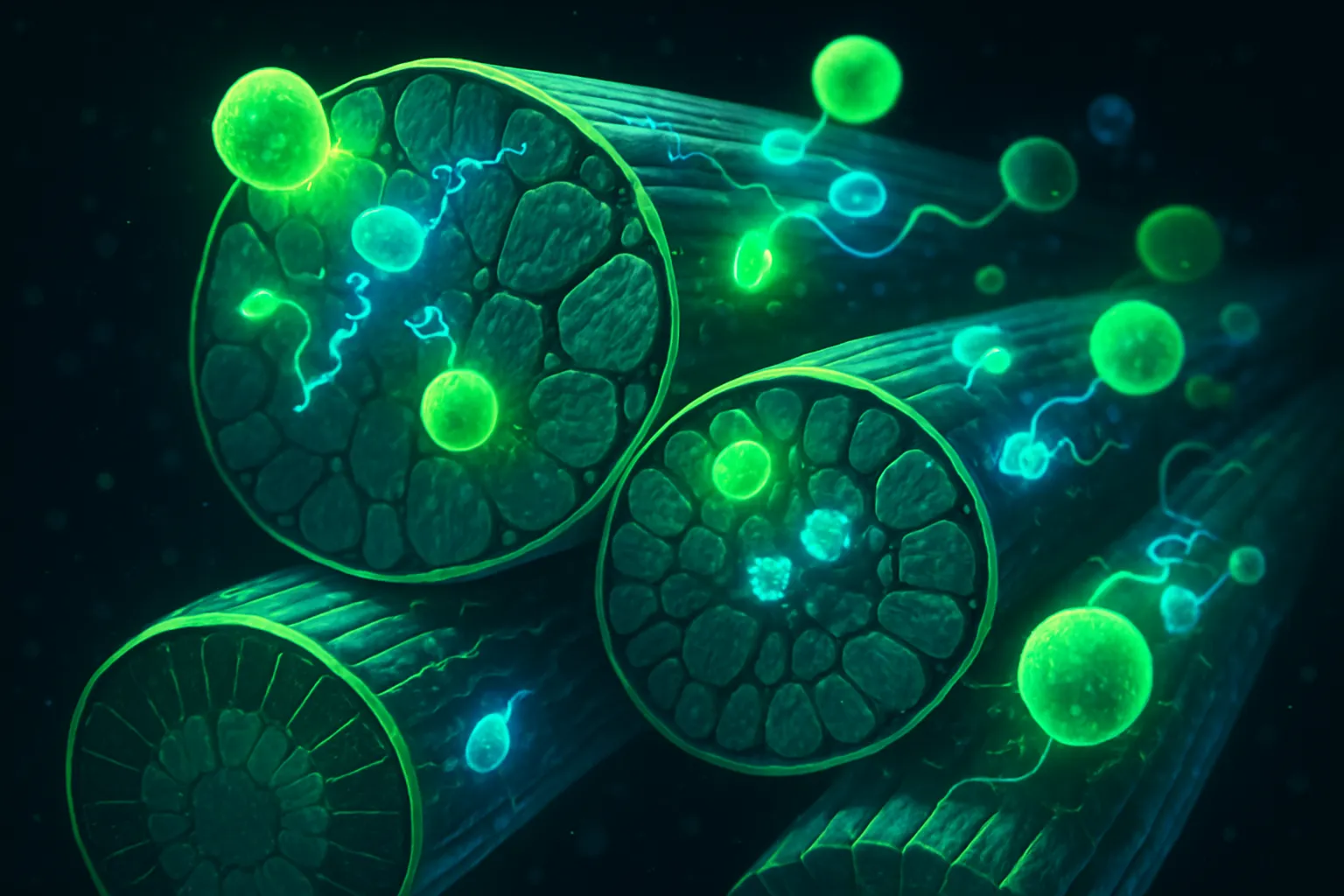
IGF-1 induces muscle hypertrophy through satellite cell activation and increased protein synthesis in differentiated myofibers (Barton-Davis et al., 1999). LR3 IGF-1 infusion in animal models stimulates organ growth (adrenals, gut, kidneys, spleen) while suppressing endogenous IGF-1 and IGFBP levels (Conlon et al., 1995).
Reduced IGF-binding-protein affinity is a property of the LR3 analog, but these animal studies do not establish a human 20-30-hour half-life or a universal 2-3x potency multiplier. The community-reported 20-80 mcg examples are not validated human doses derived from those papers. The cited evidence does not establish a human dose-finding result or a safe schedule.
Stacking Protocols
The following are community-described combinations, not trial-validated regimens.
Community protocols describe running IGF-1 LR3 alone first and lowering LR3 doses to 20-30 mcg when stacking. Community sources emphasize watching blood sugar closely, since multiple compounds may compound hypoglycemia risk, and describe blood work (IGF-1, glucose, insulin, HbA1c) as essential.
Side Effects & Safety
Hypoglycemia (most immediate risk) — shaking, dizziness, sweating, confusion; community sources describe keeping fast-acting carbs available
Organ growth — gut distension and cardiomegaly possible with prolonged, high-dose use
Jaw and hand growth — subtle acromegaly-like changes with chronic use
Cancer risk — chronically elevated IGF-1 is associated with increased cancer risk in epidemiological studies
Joint pain — connective tissue changes, water retention
Fatigue/lethargy — common, especially initially
Injecting before sleep — community sources warn against this, as hypoglycemia during sleep is dangerous
mg to Units Conversion
On a standard 100-unit insulin syringe, each "unit" equals 0.01 mL (so 100 units = 1 mL). Once IGF-1 LR3 is reconstituted, the conversion from a target dose to syringe units depends on the chosen dilution.
The two reconstitution ratios most often described in community protocols are below.
Reconstitution A: 1 mg vial + 1 mL BAC water (1 mg/mL) — the standard dilution from the Quick Reference above.
Dose (mcg)
Volume (mL)
Units (insulin syringe)
25 mcg
0.025 mL
2.5 units
50 mcg
0.05 mL
5 units
75 mcg
0.075 mL
7.5 units
100 mcg
0.1 mL
10 units
Reconstitution B: 1 mg vial + 3 mL BAC water (333 mcg/mL) — more BAC water for larger, easier-to-measure draws.
Dose (mcg)
Volume (mL)
Units (insulin syringe)
25 mcg
0.075 mL
7.5 units
50 mcg
0.15 mL
15 units
75 mcg
0.225 mL
22.5 units
100 mcg
0.3 mL
30 units
These conversions reflect the dilutions documented in community reconstitution protocols. They report how the math is described, not a recommended dosing schedule.
Core Supplies for This Protocol
The essentials for running any reconstituted injectable: cold storage, accurate syringes, alcohol prep pads, and metabolic tracking.
Community sources report 50 mcg daily for 10 days followed by 4 weeks off, but the cited studies do not establish a clinical standard or validate that schedule in humans. In the article's calculation example, 50 mcg from a 1 mg vial with 1 mL diluent corresponds to 5 U-100 units. The arithmetic does not establish safety or a recommended dose.
What is the difference between IGF-1 and IGF-1 LR3?
IGF-1 LR3 is a modified analog with an arginine substitution at position 3 and 13 additional amino acids at the N-terminus. It has reduced affinity for IGF binding proteins. The animal studies cited here do not establish a 20-30-hour half-life, a fixed potency multiplier, or a safe dosing interval in humans.
What routes of administration are documented for IGF-1 LR3?
Both routes are used. Subcutaneous provides systemic distribution; intramuscular (into trained muscles post-workout) is theorized to provide more localized growth stimulus, though site-specific enhancement is debated.
What cycle length do documented protocols describe for IGF-1 LR3?
Community sources describe 10 days on followed by 4 weeks off. The cited studies do not show that this human schedule prevents receptor desensitization or adverse effects, and do not establish a safe cycle length.
What are the risks of IGF-1 LR3?
Key risks include hypoglycemia, potential organ growth with chronic use, theoretical cancer risk from prolonged growth factor elevation, and joint/connective tissue changes. Community sources and research documentation consistently describe IGF-1 LR3 as among the higher-risk research peptides, citing hypoglycemia, organ growth potential, and long-term IGF-1 elevation concerns.
Can IGF-1 LR3 be stacked with growth hormone?
Community sources describe such combinations, but the cited studies do not establish their safety or a validated combined dose. Animal infusion findings cannot be converted into a prediction of human serum IGF-1 or a recommendation to combine LR3 with growth hormone.
For educational and research purposes only. This is not medical advice. IGF-1 LR3 is a research compound with no FDA approval. It carries significant risks including hypoglycemia and theoretical cancer concerns.