How to Reconstitute MOTS-C
MOTS-C is a mitochondrial-derived peptide — a 16-amino-acid signaling molecule encoded in mitochondrial DNA that regulates metabolic homeostasis through the AMPK pathway. It arrives as a lyophilized powder and needs to be reconstituted before use.
The process is the same as any other peptide, but MOTS-C has a unique consideration: the doses are relatively large (5-10mg) compared to peptides like BPC-157 or semaglutide, which means the dilution choice matters more for injection volume.
Research-context information only. MOTS-c is a research peptide. Protocols, doses, and reactions reported below come from published research and self-reported community sources. This article reports what has been documented, not what should be done. Consult a licensed physician for personal medical decisions.
New to bacteriostatic water? Start with what it is, how much to use per vial, and how long it lasts — or see the full Bacteriostatic Water Guide.
What You Need
Documented protocols call for the following:
- MOTS-C lyophilized vial (typically 5mg, 10mg, or 40mg)
- Bacteriostatic water (BAC water) — not sterile water, not saline
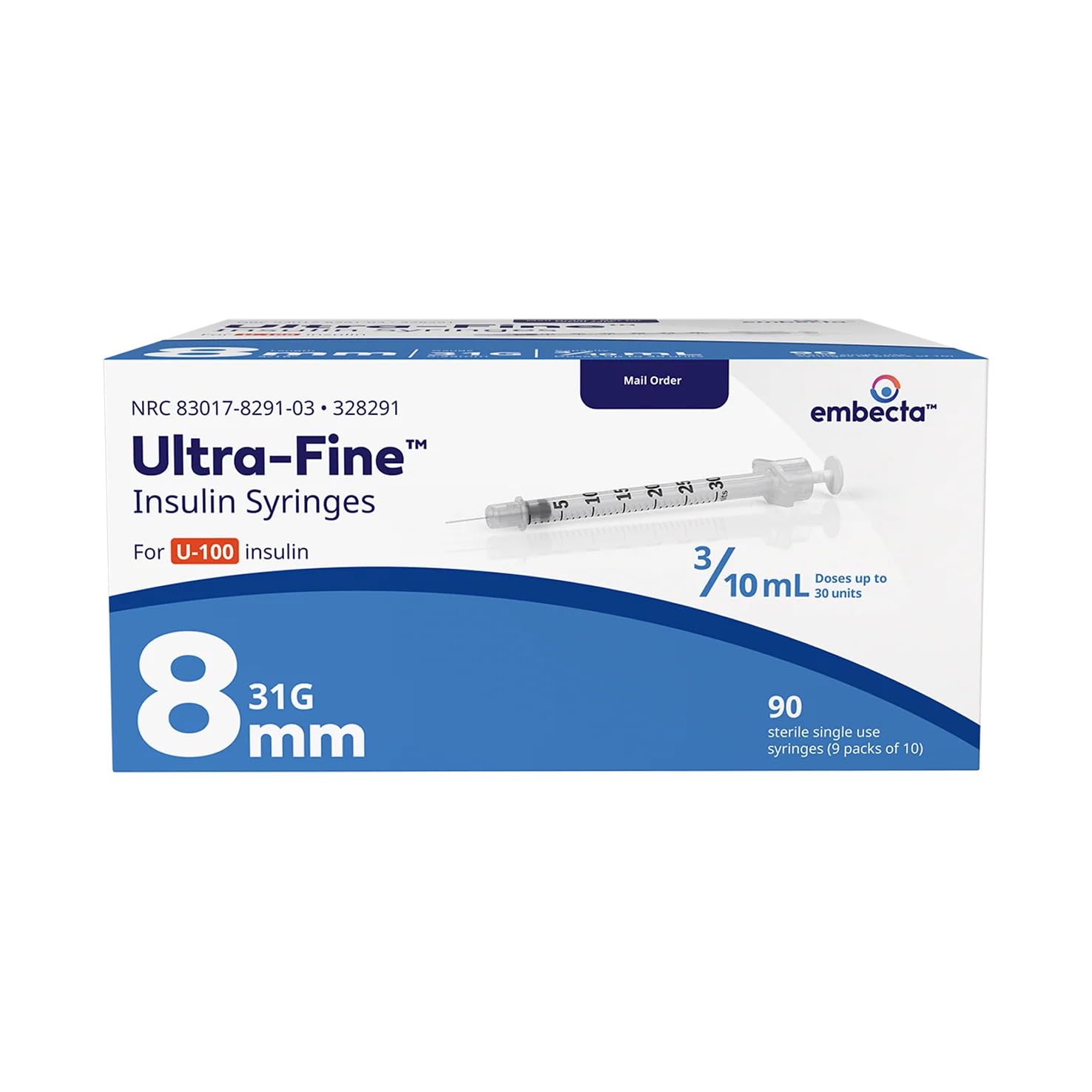
- Insulin syringes — 1mL (100 unit), 29-31 gauge
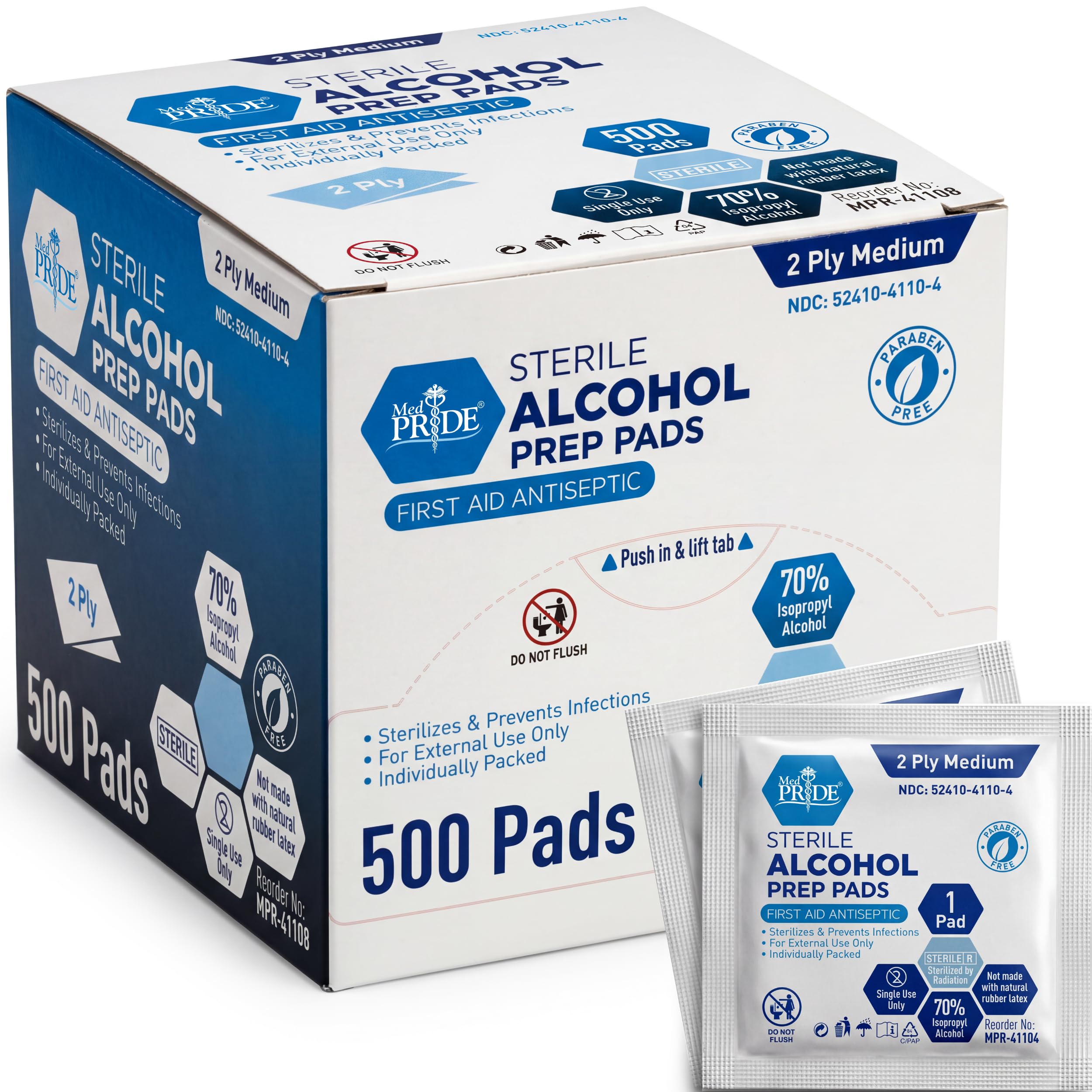
- Alcohol swabs — for cleaning vial tops
- A clean, flat workspace
Why bacteriostatic water? It contains 0.9% benzyl alcohol that prevents bacteria from growing in the solution. Regular sterile water has no preservative, so the vial must be used within 24 hours. For pulling multiple doses from a single 10mg vial, BAC water is essential — it allows up to 28 days refrigerated.

Step-by-Step Reconstitution
Step 1: Clean Everything
Protocols describe wiping the tops of both vials (MOTS-C and BAC water) with alcohol swabs, then letting them air dry for 10 seconds. This prevents contamination — a step community resources flag as essential.
Step 2: Drawing the Bacteriostatic Water
Protocols describe using a fresh insulin syringe to draw the desired amount of BAC water. The amount added determines the concentration (see the dilution charts below).
For MOTS-C, the commonly described water amount depends on vial size and dose. Because doses are large (5-10mg), the balance is between accurate measurement and reasonable injection volume. For a 10mg vial dosed at 5mg, 2mL of water gives 5,000mcg/mL — meaning each 5mg dose is 100 units (1mL), and the vial yields exactly 2 doses.
Step 3: Add Water to the Peptide Vial
Protocols describe inserting the needle into the MOTS-C vial at an angle, aiming at the glass wall — not directly at the powder — and letting the water trickle down the side of the vial gently.
Protocols describe avoiding a direct stream onto the powder. Peptides are fragile. Aggressive mixing can damage the molecular structure and reduce potency.
Step 4: Let It Dissolve
Protocols describe swirling the vial gently with a slow rotating motion rather than shaking it. The powder should dissolve within 1-2 minutes into a perfectly clear, colorless solution.
Community resources describe persistent particles after several minutes of gentle swirling as a sign of degraded product. A properly manufactured MOTS-C dissolves easily.
Step 5: Store Correctly
Protocols describe refrigerating reconstituted vials immediately at 36-46F (2-8C). The reconstituted solution is stable for up to 28 days with bacteriostatic water.
Dilution Charts
The charts below show dilution arithmetic as documented in community reconstitution resources; concentrations and volumes are illustrative, not a recommendation.
5mg Vial
| BAC Water Added | Concentration | 5mg Dose (full vial)syringe draw | 2.5mg Dosesyringe draw |
|---|---|---|---|
| 0.5mL | 10,000mcg/mL | 50 units (0.5mL) | 25 units (0.25mL) |
| 1mLRecommended | 5,000mcg/mL | 100 units (1mL) | 50 units (0.5mL) |
| 2mL | 2,500mcg/mL | 200 units (2mL)Over 1mL — needs a larger syringe or two draws | 100 units (1mL) |
Units are the marks on a U-100 insulin syringe (100 units = 1mL): the amount drawn for one dose, not the number of doses in the vial.
10mg Vial
| BAC Water Added | Concentration | 5mg Dosesyringe draw | 10mg Dosesyringe draw |
|---|---|---|---|
| 1mLRecommended | 10,000mcg/mL | 50 units (0.5mL) | 100 units (1mL) |
| 2mL | 5,000mcg/mL | 100 units (1mL) | 200 units (2mL)Over 1mL — needs a larger syringe or two draws |
| 3mL | 3,333mcg/mL | 150 units (1.5mL)Over 1mL — needs a larger syringe or two draws | 300 units (3mL)Over 1mL — needs a larger syringe or two draws |
Units are the marks on a U-100 insulin syringe (100 units = 1mL): the amount drawn for one dose, not the number of doses in the vial.
40mg Vial
| BAC Water Added | Concentration | 5mg Dosesyringe draw | 10mg Dosesyringe draw |
|---|---|---|---|
| 1mL | 40,000mcg/mL | 12.5 units (0.125mL) | 25 units (0.25mL) |
| 2mLRecommended | 20,000mcg/mL | 25 units (0.25mL) | 50 units (0.5mL) |
| 3mL | 13,333mcg/mL | 37.5 units (0.375mL) | 75 units (0.75mL) |
Units are the marks on a U-100 insulin syringe (100 units = 1mL): the amount drawn for one dose, not the number of doses in the vial.
Why 2mL for 10mg vials? Community resources commonly describe 2mL because it yields exactly 2 doses at 5mg each, with each dose being a full 1mL (100 units) — easy to draw, with little room for math mistakes. For 5mg vials used as single-dose, 1mL keeps the injection volume manageable.
Why 2mL for 40mg vials? Community resources commonly describe 2mL because at 20mg/mL, a 5mg dose is a small 0.25mL (25 units) draw, and the vial yields 8 doses at 5mg — a full 4 weeks at twice weekly, which lines up with the 28-day refrigerated shelf life of BAC-water reconstitution. With only 1mL, each draw becomes very small (12.5 units for 5mg), where a half-unit reading error becomes a meaningful dose error.
The Math (How Dilution Is Calculated)
Community calculators use the following formula for any vial size and any amount of water:
Concentration = Peptide Amount (mcg) / Water Added (mL)
Then to find the injection volume:
Units to inject = Desired Dose (mcg) / Concentration (mcg/mL) x 100
Example: 10,000mcg vial + 2mL water = 5,000mcg/mL. For a 5mg (5,000mcg) dose: 5,000 / 5,000 x 100 = 100 units (1mL).
40mg vial example: 40,000mcg + 2mL water = 20,000mcg/mL. For a 5mg dose: 5,000 / 20,000 x 100 = 25 units (0.25mL). For a 10mg dose: 10,000 / 20,000 x 100 = 50 units (0.5mL).
For a smaller dose: 10,000mcg vial + 2mL = 5,000mcg/mL. For a 10mg dose: 10,000 / 5,000 x 100 = 200 units — that exceeds a single syringe. Protocols describe either using less water (1mL gives 100 units for 10mg) or splitting into two injection sites.
A Reconstitution Calculator is available for those who prefer to input vial size and water amount to retrieve the unit count directly.