Oxytocin is a 9-amino acid neuropeptide produced in the hypothalamus, known for its roles in social attachment, trust, empathy, and anxiety regulation. It has been investigated in hundreds of clinical studies for social cognition, anxiety, autism spectrum disorder, and PTSD. For a full breakdown of oxytocin's research-backed effects, see our Oxytocin Benefits Guide.
Research-context information only. Oxytocin is a research peptide. Protocols, doses, and reactions reported below come from published research and self-reported community sources. This article reports what has been documented, not what should be done. Consult a licensed physician for personal medical decisions.
Intranasal oxytocin is investigational for most indications. Results are promising but nuanced — context and individual differences matter significantly. This is not medical advice.
Oxytocin Dosing Table
Match your vial size below — reconstitution and dose math update automatically.
Reconstitute: add 10 mL of bacteriostatic water to the 10 mg vial. Resulting concentration: 1 mg/mL.
Dose
Syringe units
mL volume
Schedule
20 mcg
2 units
0.02 mL
On-demand SubQLow (mood/bonding)
50 mcg
5 units
0.05 mL
On-demand SubQStandard
100 mcg
10 units
0.1 mL
On-demand SubQAdvanced
20 mcg2 units · 0.02 mL
On-demand SubQ
Low (mood/bonding)
50 mcg5 units · 0.05 mL
On-demand SubQ
Standard
100 mcg10 units · 0.1 mL
On-demand SubQ
Advanced
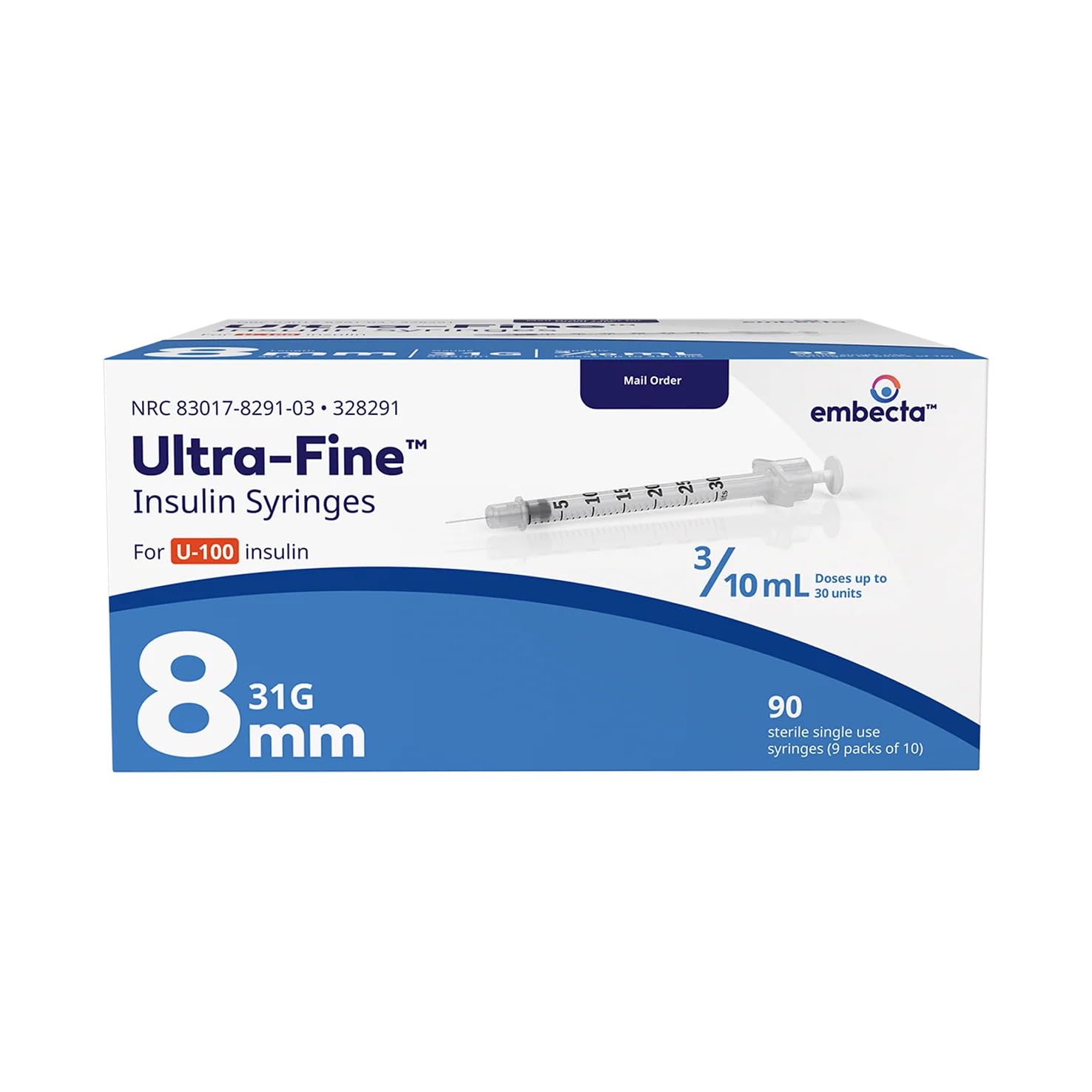
Math assumes U-100 insulin syringes (1 mL = 100 units). Verify your syringe matches before injecting. Round half-units to the nearest visible mark.
Reconstitute: add 5 mL of bacteriostatic water to the 5 mg vial. Resulting concentration: 1 mg/mL.
Dose
Syringe units
mL volume
Schedule
20 mcg
2 units
0.02 mL
On-demand SubQ
50 mcg
5 units
0.05 mL
On-demand SubQStandard
20 mcg2 units · 0.02 mL
On-demand SubQ
50 mcg5 units · 0.05 mL
On-demand SubQ
Standard
Math assumes U-100 insulin syringes (1 mL = 100 units). Verify your syringe matches before injecting. Round half-units to the nearest visible mark.
Reconstitute: add 2 mL of bacteriostatic water to the 2 mg vial. Resulting concentration: 1 mg/mL.
Dose
Syringe units
mL volume
Schedule
20 mcg
2 units
0.02 mL
On-demand SubQ
50 mcg
5 units
0.05 mL
On-demand SubQStandard
20 mcg2 units · 0.02 mL
On-demand SubQ
50 mcg5 units · 0.05 mL
On-demand SubQ
Standard
Math assumes U-100 insulin syringes (1 mL = 100 units). Verify your syringe matches before injecting. Round half-units to the nearest visible mark.
Intranasal alternative: 24 IU (3 puffs per nostril at 4 IU per puff), 30-45 minutes before desired effect.
Cycling Details
Oxytocin is dosed as needed — no traditional loading or cycling. Effects are acute and do not build over time the way other peptides do.
Acute dosing (most research): A single dose administered 30-45 minutes before a social task or assessment. This is the protocol used in the majority of published studies.
Chronic dosing (clinical trials): Multi-week protocols in autism and PTSD trials typically use 24 IU twice daily for 4-12 weeks. Receptor desensitization is a theoretical concern with daily use; community sources describe cycling 4 weeks on / 2 weeks off as a precaution.
Routes of Administration
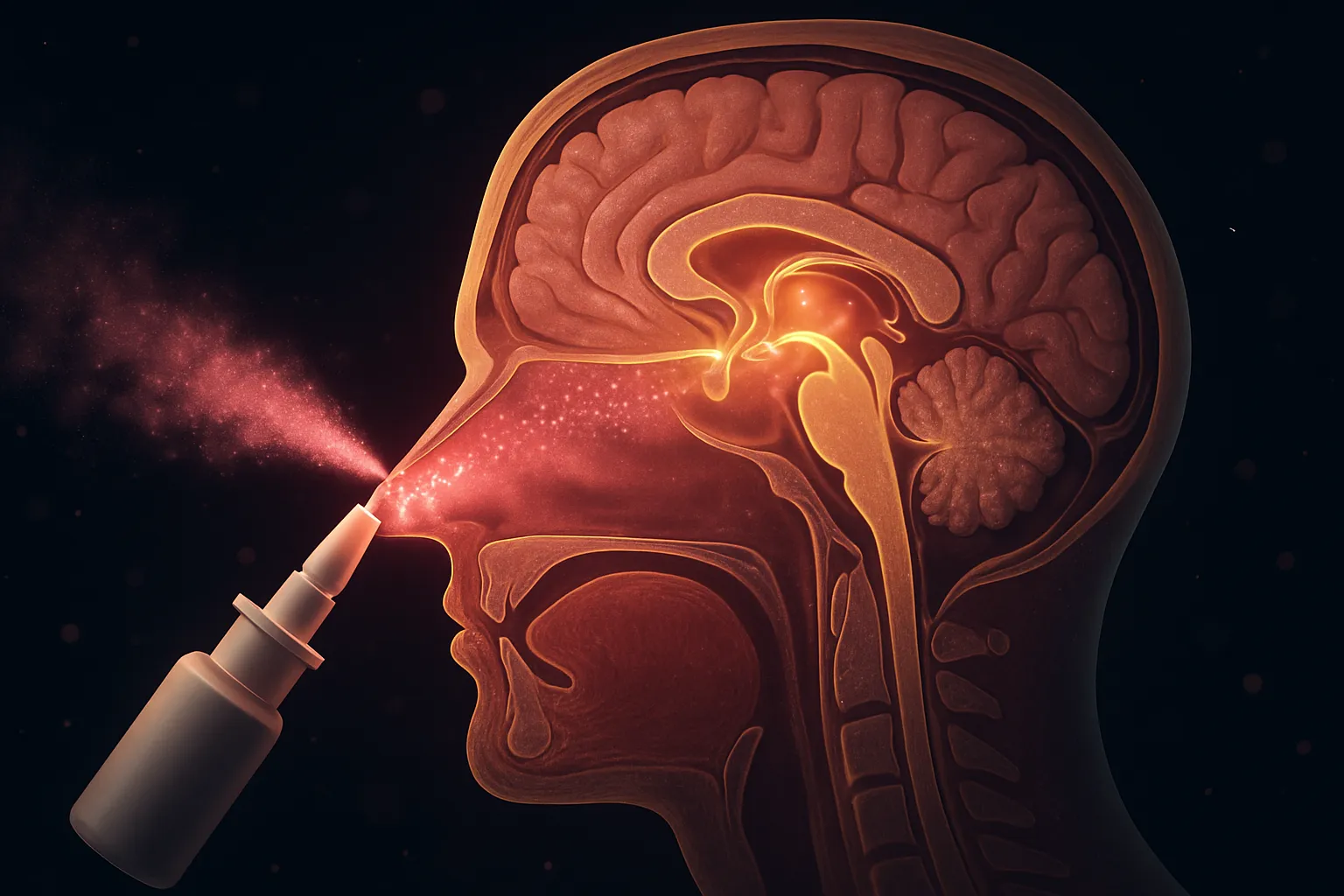
Intranasal spray is the primary research route, believed to provide direct nose-to-brain transport via the olfactory and trigeminal nerve pathways. Standard protocol: 3 puffs per nostril (24 IU total at 4 IU per puff), wait 30 seconds between puffs. Effects begin in 30-45 minutes.
Subcutaneous injection targets peripheral OT receptors on sensory neurons. Very little crosses the blood-brain barrier from SubQ, so effects are primarily pain modulation and anti-inflammatory activity. A randomized crossover trial in 18 healthy adults showed just 4 mcg SubQ significantly reduced heat pain intensity on the injected arm (Albinni et al., 2024).
Key distinction: Route selection in documented protocols depends on the target effect: intranasal for CNS outcomes (anxiety, trust, social cognition), subcutaneous for peripheral pain modulation and inflammation.
Bac Water Made for Peptides
Don't risk a $300 peptide on generic bac water.
Most cloudy reconstitutions trace back to one thing — and it isn't the peptide. Sterile, non-pyrogenic, 0.9% benzyl alcohol — formulated for peptide reconstitution, not repackaged from generic stock.
✓ 0.9% benzyl alcohol✓ Made for peptides✓ 30 mL multi-dose
Math: 10 mg / 10 mL = 1 mg/mL = 1,000 mcg/mL. For 50 mcg: 50 / 1,000 = 0.05 mL = 5 units.
Community reconstitution guides describe swirling gently (not shaking) and refrigerating at 2–8°C; standard documented handling is use within 28 days. For intranasal use, vials are typically compounded into nasal sprays by pharmacies.
Affiliate disclosure: vendor links in this article are affiliate links — The Peptide Catalog may earn a commission if you buy through them, at no additional cost to you.
Where These Numbers Come From
Oxytocin research spans hundreds of studies, though effect sizes and reproducibility are subjects of ongoing scientific debate.
Trust and prosocial behavior: The landmark Kosfeld et al. study demonstrated that 24 IU intranasal oxytocin increased trust behavior in a trust game paradigm (Kosfeld et al., 2005). Subsequent replications show smaller effect sizes but generally support context-dependent prosocial effects.
Social anxiety: Intranasal oxytocin (24 IU) enhanced the efficacy of exposure therapy for social anxiety disorder, suggesting utility as an adjunct to psychotherapy (Guastella et al., 2009).
Autism spectrum disorder: Results have been mixed. A large 24-week RCT in 290 children and adolescents aged 3-17 (target dose 48 IU daily) did not show significant improvements over placebo on the primary social-withdrawal outcome (Sikich et al., 2021).
Peripheral pain modulation: Subcutaneous oxytocin at just 4 mcg significantly reduced heat pain intensity and unpleasantness, with the effect confined to the injected arm — consistent with a local peripheral mechanism (Albinni et al., 2024).
Documented protocols introduce oxytocin alone to assess individual response before combining. Context matters enormously — oxytocin effects are highly dependent on social environment.
Side Effects & Safety
Nasal irritation — mild, usually transient (intranasal route)
Headache — occasional, typically mild
Drowsiness — reported in some individuals
Context-dependent emotional effects — may amplify negative emotions in unsupportive social contexts
Uterotonic effects — clinical trials exclude pregnant participants; uterine contraction risk is documented in the literature
Receptor desensitization — theoretical concern with chronic daily use
No serious adverse events reported in published clinical trials
mg to Units Conversion
On a standard 100-unit insulin syringe, each "unit" equals 0.01 mL (so 100 units = 1 mL). Once oxytocin is reconstituted, the conversion from a target dose to syringe units depends on the chosen dilution.
At the standard reconstitution from the Quick Reference above (10 mg vial + 10 mL BAC water, 1 mg/mL), target doses convert as follows.
Dose (mcg)
Volume (mL)
Units (insulin syringe)
25 mcg
0.025 mL
2.5 units
50 mcg
0.05 mL
5 units
75 mcg
0.075 mL
7.5 units
100 mcg
0.1 mL
10 units
These conversions reflect the dilutions documented in community reconstitution protocols. They report how the math is described, not a recommended dosing schedule.
Core Supplies for This Protocol
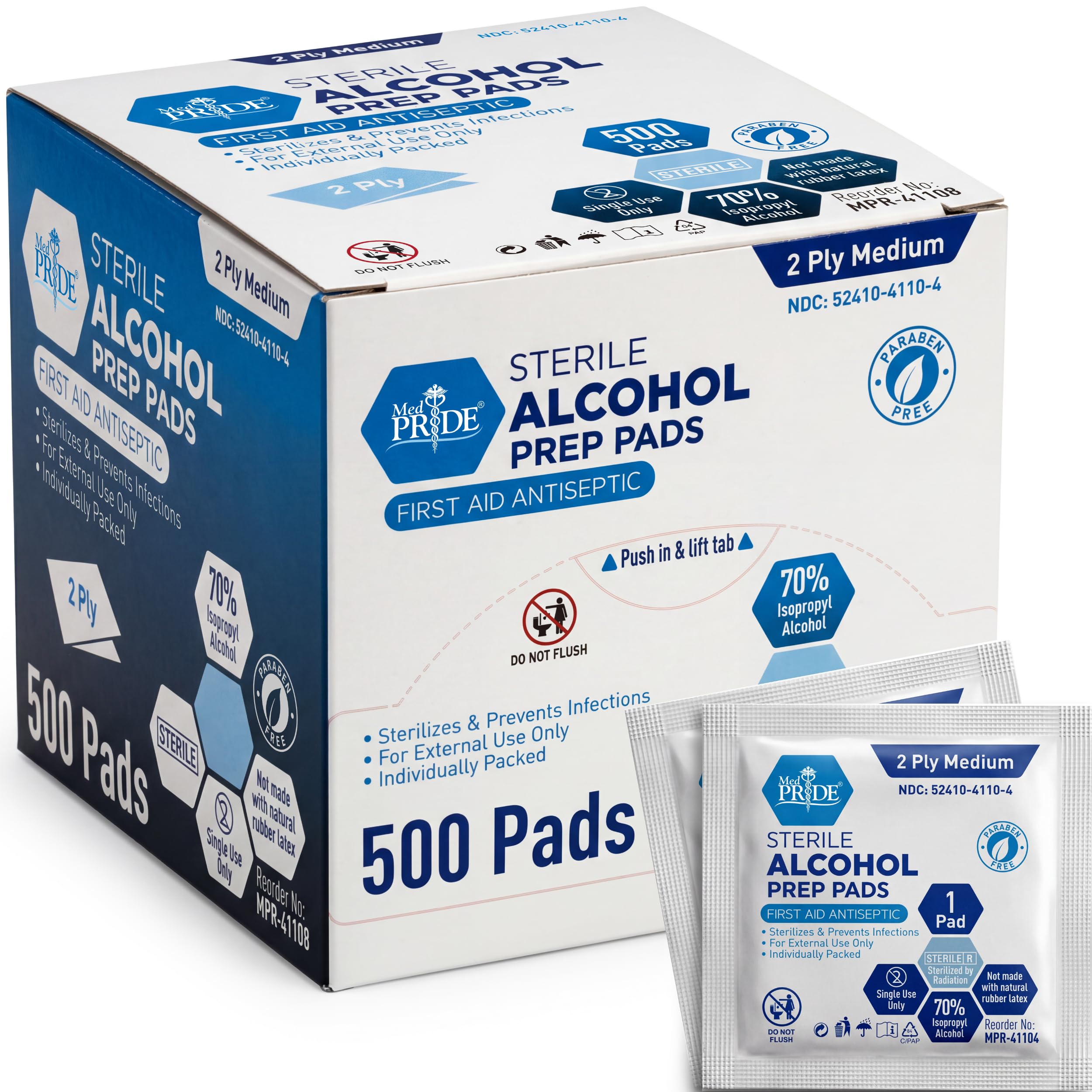
The essentials for running any reconstituted injectable: cold storage, accurate syringes, alcohol prep pads, and metabolic tracking.
For subcutaneous injection, 50 mcg in the morning as needed (10 mg vial reconstituted with 10 mL BAC water = 5 units on an insulin syringe). For intranasal, 24 IU (3 puffs per nostril) is the most commonly studied dose.
How long does intranasal oxytocin take to work?
Effects on social cognition and anxiety typically begin within 30-45 minutes after nasal administration, corresponding to peak CSF levels. Effects generally last 2-4 hours.
What did trials report about oxytocin nasal spray safety?
Acute single-dose intranasal oxytocin (20-40 IU) has an excellent safety profile in clinical trials. Long-term safety data is limited. Side effects are generally mild — occasional headache, nasal irritation, and drowsiness.
What did trials report about oxytocin and social anxiety?
Multiple studies show intranasal oxytocin reduces amygdala reactivity to social threats and improves social cognition. Results for clinical anxiety disorders are mixed — it may work best as an adjunct to therapy rather than standalone treatment.
How is an oxytocin nasal spray used in documented protocols?
Protocols describe priming the spray if new, tilting the head slightly forward, inserting the nozzle into one nostril while closing the other, spraying while inhaling gently, and alternating nostrils with roughly 30 seconds between puffs. A typical documented protocol is 3 puffs per nostril for 24 IU total.
Is intranasal oxytocin the same as the IV oxytocin used in labor?
Same molecule, different route and indication. The IV oxytocin used for labor induction acts on the body at high systemic doses. Intranasal oxytocin is a different formulation targeting brain delivery for social/cognitive effects at much lower systemic doses.