Pancragen is the synthetic tetrapeptide Lys-Glu-Asp-Trp (KEDW), and it is the rare Khavinson bioregulator with a published dose. That dose is in micrograms. Old rhesus monkeys received 50 mcg a day, and a small study in older adults with type 2 diabetes used a 10 mcg daily injection. The widely shared practitioner protocol for all bioregulators is far higher: 2mg (20 units of a 20mg vial with 2mL of bacteriostatic water) once daily for 30 days, then two months off, two to three times a year.
That gap is the main point of this guide. The study doses and the vial-based protocol differ by a factor of about 200, and the vial protocol was not derived from Pancragen research. Everything below labels which number comes from where.
Research-context information only. Pancragen is a research peptide. Protocols, doses, and reactions reported below come from published research and self-reported community sources. This article reports what has been documented, not what should be done. Consult a licensed physician for personal medical decisions.
Pancragen is a four-amino-acid peptide from the St. Petersburg bioregulator program. The developers derived its sequence from a fragment shared by several insulin-related polypeptides (Khavinson, 2005, PMID 16671579). This guide covers the reported course, the study doses and the reconstitution math.
Pancragen Dosing Table
Match your vial size below — reconstitution and dose math update automatically.
| Dose | Syringe units | mL volume | Schedule |
|---|---|---|---|
| 1 mg | 10 units | 0.1 mL | Daily SubQCommunity-reported lower amount |
| 2 mg | 20 units | 0.2 mL | Daily SubQ, 30-day coursePractitioner-reported — published studies used 10-50 mcg |
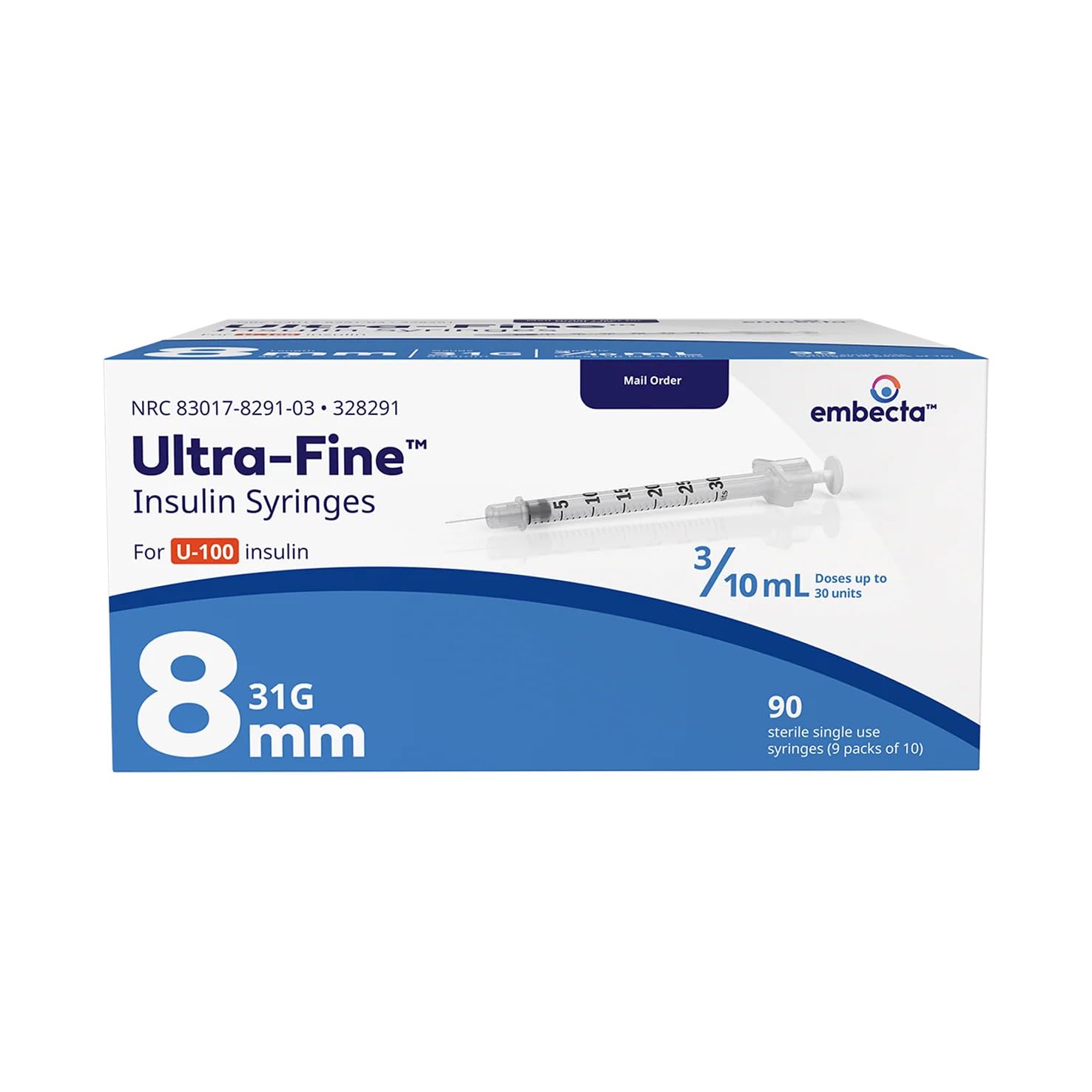
Math assumes U-100 insulin syringes (1 mL = 100 units). Verify your syringe matches before injecting. Round half-units to the nearest visible mark.
Quick Reference: Reported Protocols
| Parameter | Practitioner / community-reported | Published study doses |
|---|---|---|
| Dose | 2mg per administration (practitioner reference) | 10 mcg IM daily plus 200 mcg oral (older adults with type 2 diabetes); 50 mcg/animal IM daily (old rhesus monkeys) |
| Route | Subcutaneous (community-reported) | Intramuscular; oral in the rat diabetes study |
| Frequency | Once daily during a course | Once daily |
| Course | 30 days on, 2 months off, 2-3 courses a year | 10 days (monkeys); 3 weeks (older adults) |
| Vial size | 20mg lyophilized research vial | Not applicable |
| Reconstitution | 2mL bacteriostatic water → 10mg/mL | Not applicable |
| Community-described draw | 20 units on a U-100 insulin syringe | Below what an insulin syringe can measure at 10mg/mL |
| Storage | Refrigerated after mixing; community sources describe use within 28 days | Not applicable |
Where the 2mg figure comes from: it is the shared bioregulator line in a practitioner peptide reference (the Jay Campbell / Hunter Williams cheat sheet), not a Pancragen trial dose. For the compound profile and current vendor pricing, see the Pancragen peptide page.
Cycling Details
The published Pancragen studies used short courses: 10 days in the monkey work and 3 weeks in the human study. In the monkeys, part of the effect on pancreatic function was still present three weeks after dosing stopped (Goncharova et al., 2014, PMID 25946840). That persistence fits the bioregulator idea of a short course followed by a break. Practitioner references stretch the course to 30 days with two months off, and self-reported community protocols often use 10-20 days. No study has compared course lengths.
Routes of Administration
- Intramuscular (IM): the route used in the monkey study and for the injected dose in the human study.
- Subcutaneous (SC): the route community sources most often describe for the reconstituted 20mg research vial. No Pancragen study we found used it.
- Oral: one rat study gave Pancragen by mouth and reported a pronounced glucose-lowering effect (Khavinson et al., 2007, PMID 18642713). The human study paired an oral dose with the injection.
US vendors sell the 20mg vial labeled for laboratory research only.

Reconstitution Quick Reference
| Vial Size | BAC Water | Concentration | 2mg amount |
|---|---|---|---|
| 20mg | 2mL | 10mg/mL | 0.2mL (20 units) |
The community-circulated arithmetic: 20mg ÷ 2mL = 10mg/mL, so 2mg is 0.2mL, or 20 units on a 100-unit insulin syringe. By that arithmetic, a 30-day course at the reported amount would total 60mg, or three 20mg vials. The 10 mcg study dose works out to 0.001mL at this concentration, a tenth of one unit, which an insulin syringe cannot measure. Community notes describe swirling gently rather than shaking, then refrigerating at 2-8°C.
These figures report how community sources describe the arithmetic. They are not a preparation instruction. Vendors label these vials for research use only; the schedules on this page are community- and practitioner-reported, not labeled directions.
Affiliate disclosure: vendor links in this article are affiliate links. The Peptide Catalog may earn a commission if you buy through them, at no additional cost to you.
Ready to buy? The Pancragen source we track publishes certificates of analysis; see our Pancragen sources page.