The number to start from is honest about what SNAP-8 actually is: a 10 mg SNAP-8 vial is meant for a topical serum, not an injection. SNAP-8 (acetyl octapeptide-3) is the elongated relative of Argireline (acetyl hexapeptide-8), a cosmetic anti-wrinkle peptide applied to the skin. "Reconstitution" here means dissolving the lyophilized powder and blending it into a leave-on serum to hit a target percentage — and because cosmetic formulas use 3-10%, the practical decision is how much base to mix it into, not just how much water.
Research-context information only. SNAP-8 (acetyl octapeptide-3) is sold as a cosmetic research peptide and is not an FDA-approved drug. Its documented use is topical skincare; there are no systemic or injectable human trials. The math below follows standard cosmetic-peptide handling and community sources, not validated protocols, and is for making a topical serum — not an injection. This article reports how preparation is documented, not what should be done. Consult a licensed professional for personal decisions.
This guide covers supplies, the step-by-step process, and concentration charts for a topical SNAP-8 serum. For why "dose" means percentage rather than micrograms, see the SNAP-8 dosing guide.
New to bacteriostatic water? Start with what it is, how much to use per vial, and how long it lasts — or see the full Bacteriostatic Water Guide.
What You Need
- A vial of lyophilized (freeze-dried) SNAP-8 — commonly 10 mg
- A small amount of water, bacteriostatic water (0.9% benzyl alcohol), or a hydrating serum base
- A clean dropper bottle or small cosmetic container for the finished serum
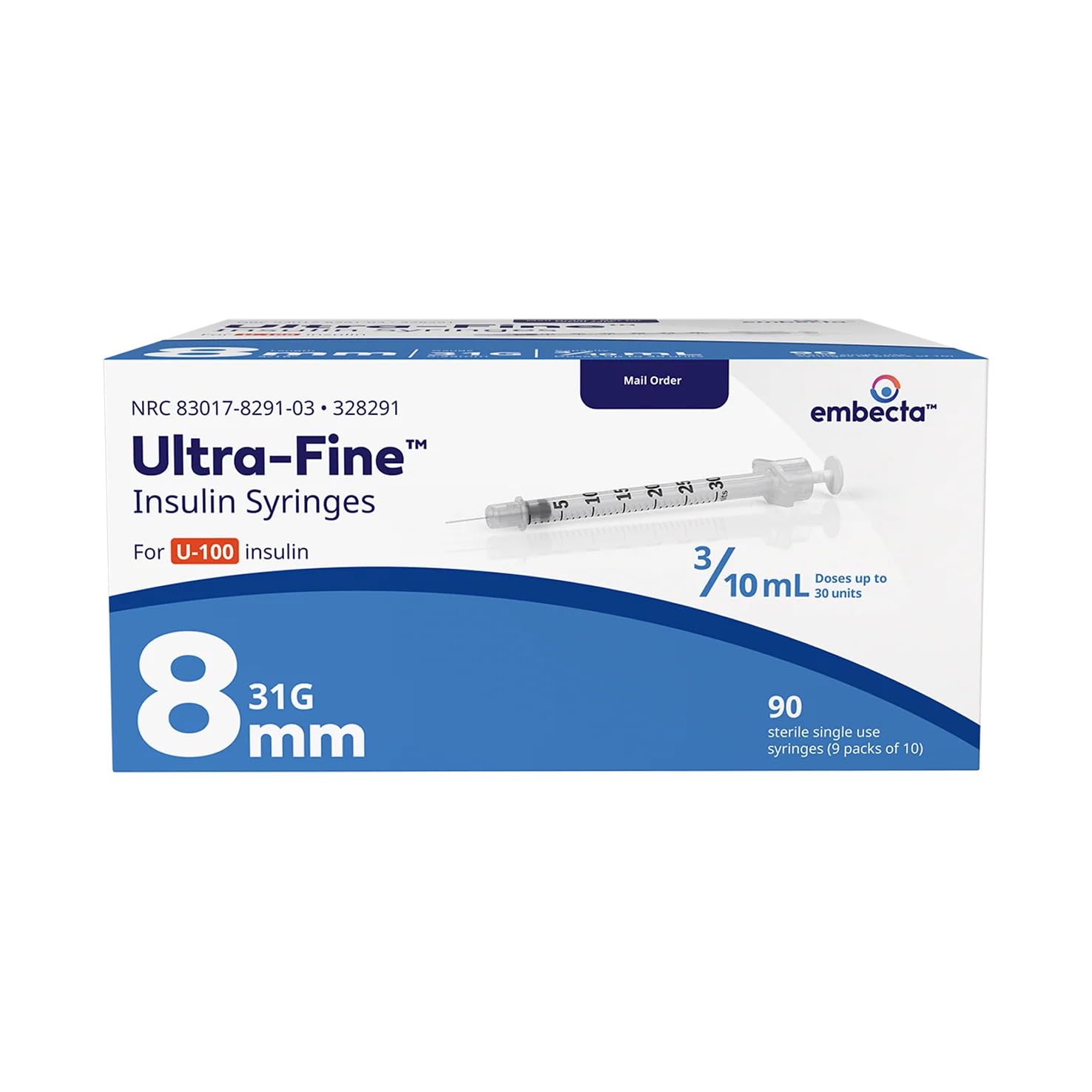
- A 1 mL syringe or accurate dropper for measuring small volumes
- Alcohol swabs and a clean, flat surface

Step-by-Step (for a Topical Serum)
- Vial brought to room temperature. Cold powder and condensation are documented to make small-volume work imprecise.
- Stopper swabbed with an alcohol swab before liquid is drawn or added, per standard sterile practice.
- Powder dissolved. Protocols describe adding a small measured volume of water or base slowly down the side wall to fully dissolve the powder, rather than spraying it directly onto the cake.
- Swirled, not shaken. Standard practice is to swirl gently until clear — shaking can foam and shear the peptide.
- Blended into a serum base to reach the target percentage (see charts below), then transferred to a clean dropper bottle.
- Labeled and refrigerated. Community sources describe noting the date; small-batch cosmetic serums are used quickly.
Concentration Charts
SNAP-8 "strength" is a percentage of the finished serum, not units on a syringe. Concentration (%) = peptide mass (mg) ÷ total serum volume (mL) ÷ 10.
One 10 mg vial blended into different volumes:
| Vial | Total serum volume | Resulting concentration |
|---|---|---|
| 10 mg | 5 mL | 0.2% |
| 10 mg | 10 mL | 0.1% |
| 10 mg | 20 mL | 0.05% |
Reaching commercial-strength percentages (3-10%) takes far more peptide:
| Target concentration | Peptide needed per 10 mL serum | Vials (10 mg each) |
|---|---|---|
| 1% | 100 mg | 10 |
| 3% | 300 mg | 30 |
| 5% | 500 mg | 50 |
This is the honest tension in DIY SNAP-8: a single research vial makes only a very dilute serum. Hitting the strength commercial products use would require many vials, which is rarely practical at research-vial prices.
The Math
The conversion is deterministic.
- Concentration (%) = peptide mg ÷ serum mL ÷ 10. For 10 mg in 10 mL: 10 ÷ 10 ÷ 10 = 0.1%.
- Peptide needed for a target % = target % × serum mL × 10. For 3% in 10 mL: 3 × 10 × 10 = 300 mg.
Why this matters for SNAP-8: the cosmetic effect — if any — is concentration-dependent, and the parent-compound reviews already question whether enough peptide crosses the skin at all (Zdrada-Nowak et al., 2025). A 0.1% DIY serum is well below the strengths commercial formulas rely on.