Survodutide (BI 456906) is a dual glucagon/GLP-1 receptor agonist developed by Boehringer Ingelheim. Phase 2 participants receiving 4.8 mg weekly lost up to 18.7% of body weight over 46 weeks — with the glucagon component adding thermogenic and hepatic fat-oxidation effects that Phase 2 trial analyses attributed to the dual-agonist mechanism.
Research-context information only. Survodutide is an investigational drug not approved by the FDA. Protocols, doses, and reactions reported below come from published clinical trials and self-reported community sources. This article reports what has been documented, not what should be done. Possession or use of investigational drugs outside an authorized clinical trial may be illegal in your jurisdiction. Consult a licensed physician for personal medical decisions.
Survodutide is not FDA-approved. It is currently in Phase 3 clinical trials. Everything below reflects published clinical trial data. This is not medical advice.
Survodutide Dosing Table
Match your vial size below — reconstitution and dose math update automatically.
| Dose | Syringe units | mL volume | Schedule |
|---|---|---|---|
| 0.6 mg | 24 units | 0.24 mL | Weekly SubQWeeks 1-2 (start) |
| 1.2 mg | 48 units | 0.48 mL | Weekly SubQWeeks 3-4 |
| 2.4 mg | 96 units | 0.96 mL | Weekly SubQWeeks 5-8 |
| 4.8 mg | 192 units | 1.92 mL | Weekly SubQWeeks 9+ (target) |
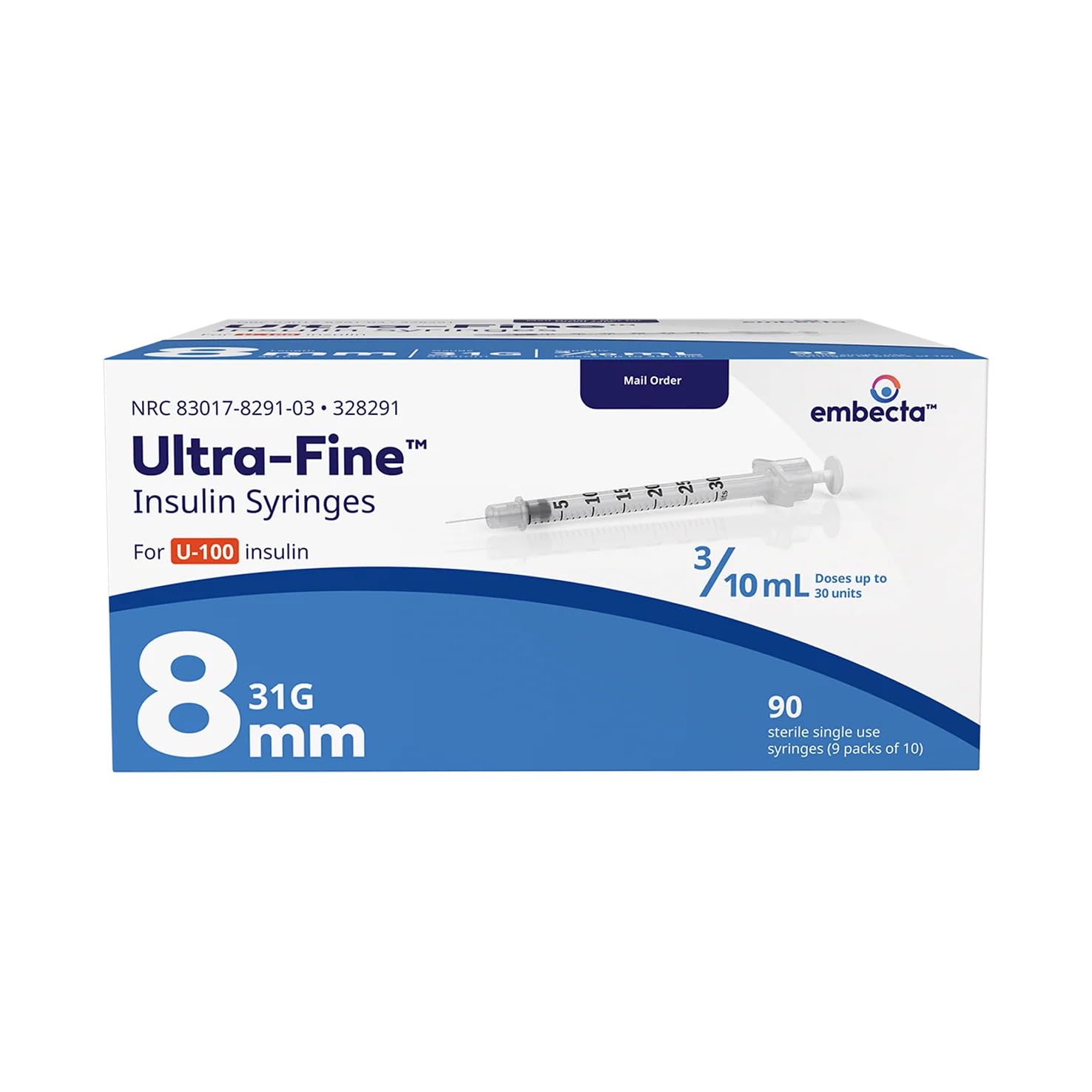
Math assumes U-100 insulin syringes (1 mL = 100 units). Verify your syringe matches before injecting. Round half-units to the nearest visible mark.
| Dose | Syringe units | mL volume | Schedule |
|---|---|---|---|
| 0.6 mg | 12 units | 0.12 mL | Weekly SubQStart dose |
| 2.4 mg | 48 units | 0.48 mL | Weekly SubQ |
| 4.8 mg | 96 units | 0.96 mL | Weekly SubQTarget |
Math assumes U-100 insulin syringes (1 mL = 100 units). Verify your syringe matches before injecting. Round half-units to the nearest visible mark.
Quick Reference: Clinical Trial Protocol
| Parameter | Detail |
|---|---|
| Target dose | 4.8 mg per week |
| Route | Subcutaneous |
| Frequency | Once weekly (same day each week) |
| Timing | Any consistent time |
| Titration | 0.3 mg to 4.8 mg over ~20 weeks |
| Trial duration | 46 weeks |
| Max weight loss | 18.7% (at actual doses received) |
Titration Schedule
The Phase 2 trial used gradual dose escalation to minimize GI side effects. Each level was maintained ~4 weeks before increasing:
| Week | Dose | Notes |
|---|---|---|
| 1-4 | 0.3 mg | Starting dose |
| 5-8 | 0.6 mg | First escalation |
| 9-12 | 1.2 mg | Doubling from previous |
| 13-16 | 1.8 mg | Mid-range |
| 17-18 | 2.7 mg | Approaching target |
| 19-20 | 3.6 mg | Near-target |
| 21+ | 4.8 mg | Maintenance through week 46 |
Participants who couldn't tolerate an increase could remain at their current level or reduce. Not all reached 4.8 mg — the "actual doses received" analysis showed 18.7% weight loss vs. 14.9% in the intention-to-treat group.
Cycling Details
Survodutide does not use traditional peptide cycling. Clinical trials ran continuously for 46 weeks with the titration schedule above. No on/off cycling data exists — this is a drug in active clinical development, not a research peptide with community-derived cycling protocols.
Routes of Administration
Subcutaneous injection is the only route. Survodutide cannot be taken orally.
- Sites: Abdomen, thigh, or upper arm — rotate weekly
- Timing: Same day each week, any time of day
- Missed dose: Phase 2 trial protocols described the following missed-dose guidance: if the missed injection fell within 3 days of the scheduled date, it was taken on that date; if more than 3 days late, it was skipped and the regular weekly schedule resumed.
Reconstitution Quick Reference

If using research-grade lyophilized survodutide:
| Vial Size | BAC Water | Concentration | 1.2 mg | 2.4 mg | 4.8 mg |
|---|---|---|---|---|---|
| 10 mg | 2 mL | 5 mg/mL | 24 units | 48 units | 96 units |
Math: 10 mg / 2 mL = 5 mg/mL. For 4.8 mg: 4.8 / 5 = 0.96 mL = 96 units.
Community reconstitution protocols describe gentle swirling rather than shaking; refrigeration and use within 28 days is the documented standard. For the full reconstitution walkthrough, see our Survodutide Reconstitution Guide.