Tesamorelin is the only GHRH analog with Phase 3 safety data at clinical doses in adult human populations. The 26-week pivotal trial enrolled 412 participants with HIV-associated abdominal lipohypertrophy (Falutz et al., PMID 18057338). The adverse-event profile published in that trial — and the subsequent 52-week safety extension — is what FDA labeling for the active ingredient is built around. Research-peptide forms have no FDA approval, but the trial-grade adverse-event picture is the most informed source for any user evaluating the molecule.
Research-context information only. Tesamorelin is the active ingredient in FDA-approved products for HIV-associated lipodystrophy; research-peptide and compounded forms are not FDA-approved and are sold for research purposes only. Protocols, doses, and reactions reported below come from clinical trials and community sources. This article reports what has been documented, not what should be done. Consult a licensed physician for personal medical decisions.
This article walks through the trial-reported event frequencies, separates serious from non-serious events, and describes the dose-pause patterns described in the trial protocol and community sources.
Trial-Reported Adverse Events at 26 Weeks
From the pivotal Phase 3 study (Falutz et al., PMID 18057338; 2 mg subcutaneous daily for 26 weeks, n = 273 active arm):
Pooled with injection-site reactions broadly defined (erythema, pruritus, pain, urticaria, hemorrhage, irritation), the total injection-site adverse event rate in the active arm was approximately 25%.
The 52-week safety extension trial (Falutz et al., PMID 20101189) extended these observations and reported no new safety signals; injection-site reactions remained the dominant AE.
Tesamorelin raises IGF-1 by stimulating endogenous GH release. The Phase 3 trial reported mean IGF-1 elevation of approximately 80% from baseline at 26 weeks (PMID 18057338). FDA labeling for the active ingredient recommends IGF-1 monitoring and dose-discontinuation if IGF-1 exceeds standard reference range thresholds because of the theoretical concern of excessive GH-axis stimulation.
The trial did not identify a clinical adverse outcome correlated with the IGF-1 elevation seen at standard doses. The recommendation is precautionary.
Hyperglycemia and Metabolic Effects
The Phase 3 trial reported no significant adverse effects on fasting glucose or HbA1c at 26 weeks (PMID 18057338). However:
FDA labeling for the active ingredient lists hyperglycemia as a possible event, with monitoring recommended in users with diabetes or pre-diabetes.
A modest increase in fasting glucose was observed in subgroup analysis of users with baseline insulin resistance.
The 52-week safety extension (PMID 20101189) did not identify new metabolic-safety signals.
Users with established type 2 diabetes are described in FDA labeling as requiring more careful glucose monitoring. Compounded and research-peptide forms do not carry this labeling; the same pharmacologic mechanism applies regardless.
Less Common but Notable Events
These appear at low frequency in the Phase 3 dataset but are listed in FDA labeling.
Carpal tunnel syndrome — reported in approximately 2% of the active arm at 26 weeks, similar to placebo but consistent with GH-axis pharmacology.
Hypersensitivity / injection-site urticaria — sparse but documented; severe hypersensitivity was rare.
Fluid retention / peripheral edema — modestly elevated vs placebo (4.8% vs 2.9% in PMID 18057338), consistent with GH-axis activation.
Self-Reported Community Adverse Events
Note on labeling: the events below come from r/peptides, r/PeptideTherapy, and other community sources for research-peptide and compounded tesamorelin use. They are not from the Phase 3 trial.
Community reports cluster around the same dominant findings as the trial — injection-site reactions and brief joint pain in the first 2-4 weeks. Users in community sources commonly describe morning injection timing and site rotation as factors that reduce reaction frequency. Self-reported community timelines describe IGF-1 measurement at 6-8 weeks as the most common bloodwork follow-up; users commonly describe stopping or dose-reducing when IGF-1 exceeds the upper end of their lab's reference range.
Community sources occasionally describe transient mood lift in the first 1-2 weeks, sometimes attributed to GH-axis effects. This is not characterized in the published trial.
Dose-Response Patterns Documented in Research
The Phase 3 trial tested 2 mg daily subcutaneous as the studied dose. Smaller dose-finding work (Falutz et al., PMID 22298602 review) established that lower doses produced proportionally lower visceral-fat reduction and lower IGF-1 elevation; injection-site reaction rate was not dose-dependent in the data published.
Community-reported research-peptide doses cluster around 1-2 mg daily, often cycled 5 days on / 2 days off, which is a community-defined pattern not validated in trial data.
Bac Water Made for Peptides50% off
Don't risk a $300 peptide on generic bac water.
Most cloudy reconstitutions trace back to one thing — and it isn't the peptide. Sterile, non-pyrogenic, 0.9% benzyl alcohol — formulated for peptide reconstitution, not repackaged from generic stock.
✓ 0.9% benzyl alcohol✓ Made for peptides✓ 30 mL multi-dose
The Phase 3 protocol allowed dose-interruption for severe injection-site reactions or for IGF-1 elevations above protocol-defined thresholds. The trial's discontinuation rate of approximately 11% in the active arm was driven mostly by injection-site reactions (PMID 18057338). FDA labeling describes the same dose-interruption pattern.
Community sources describe two patterns. Pause-and-resume — short 3-5 day breaks when site reactions become persistent, then resumption at the same dose. IGF-1-driven dose reduction — community reports describe halving the daily dose if IGF-1 exceeds the lab's upper reference limit, then re-checking at 4 weeks.
Core Supplies for This Protocol
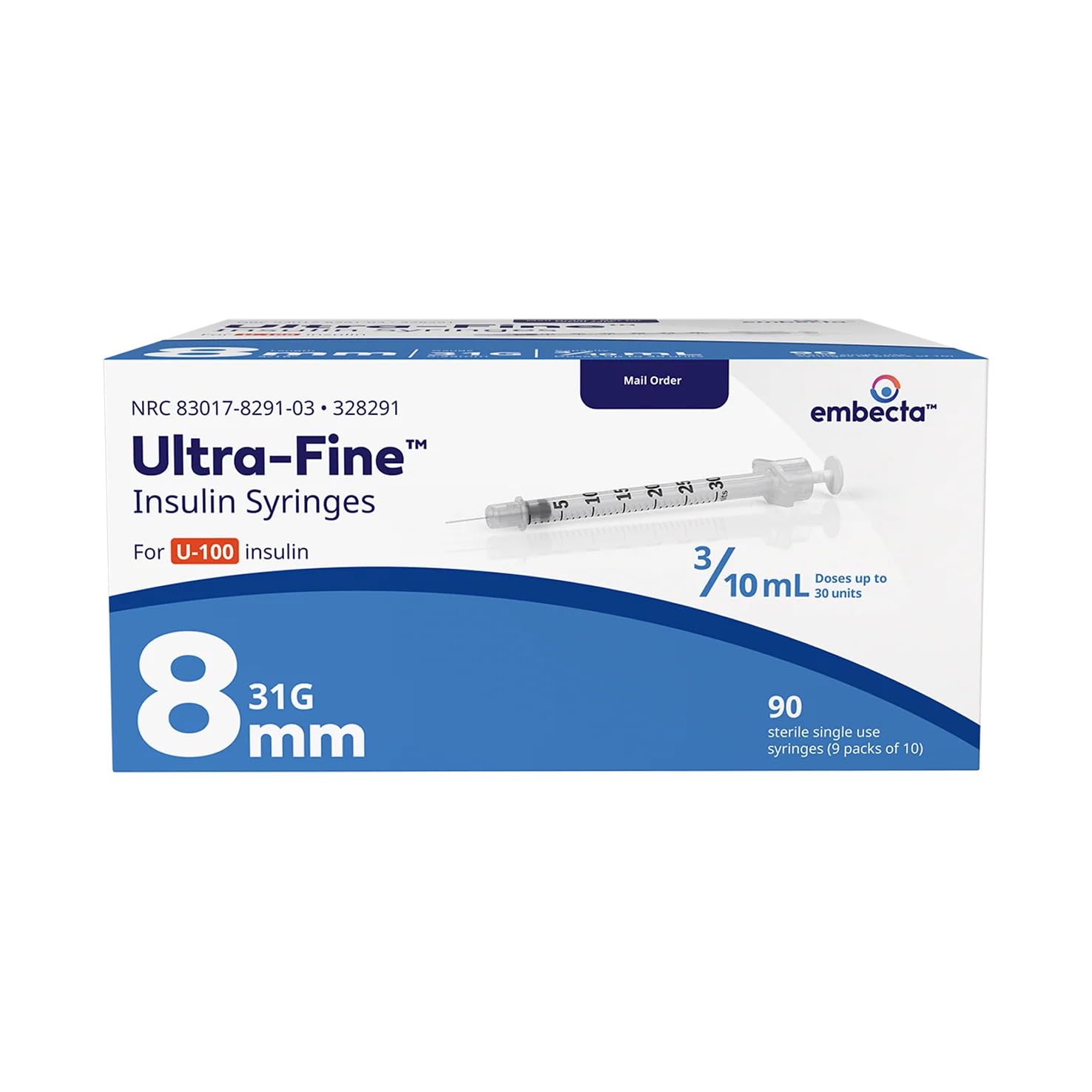
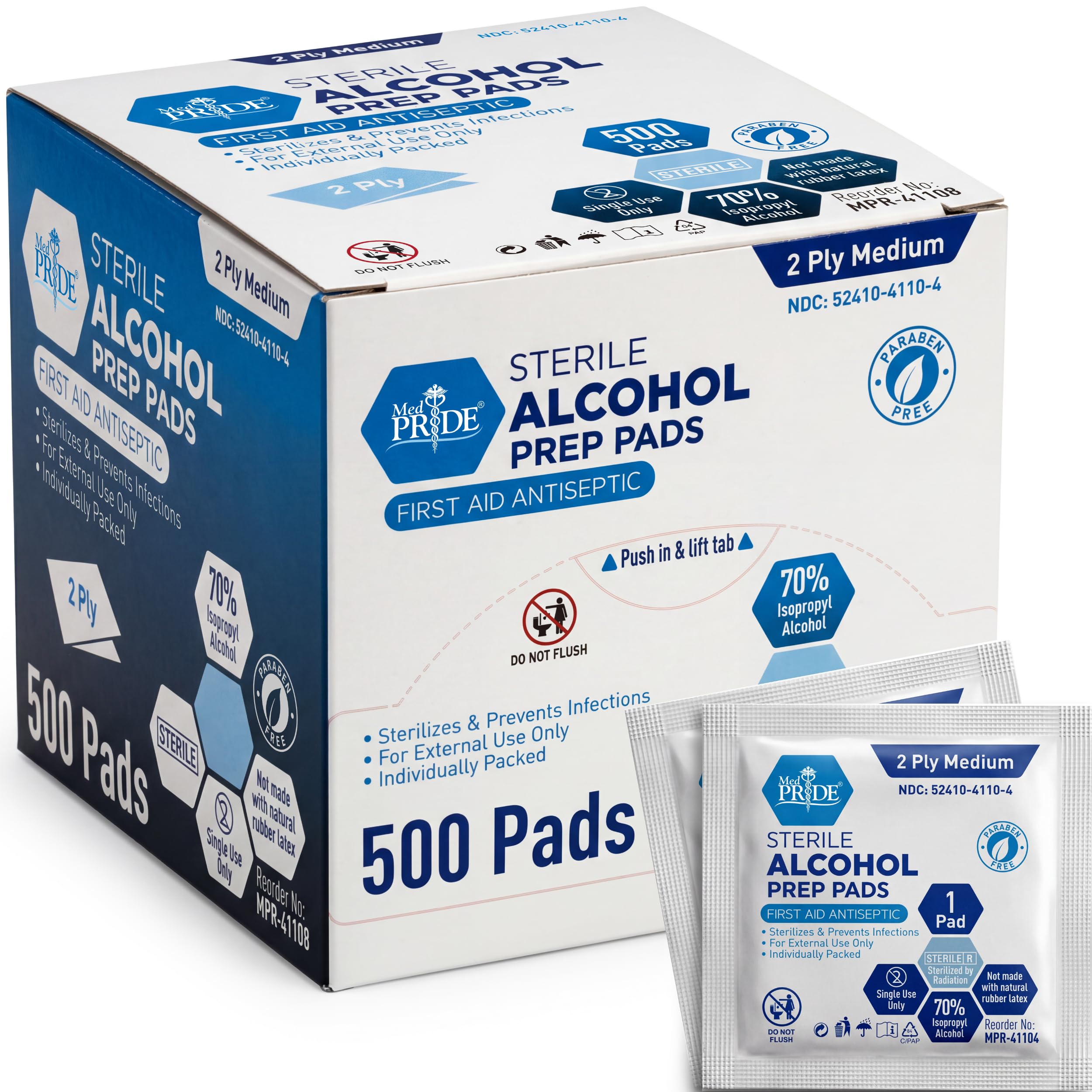
The essentials for running any reconstituted injectable: cold storage, accurate syringes, alcohol prep pads, and metabolic tracking.
What is the most common side effect documented in tesamorelin trials?
Injection-site reactions were the most frequent adverse event in the Phase 3 program, reported in approximately 25% of treated participants versus 9% in the placebo arm (Falutz et al., PMID 18057338). Most were mild and self-limiting.
Does tesamorelin elevate IGF-1?
Yes. The Phase 3 visceral-fat trial reported mean IGF-1 elevation of approximately 80% from baseline at 26 weeks (Falutz et al., PMID 18057338). FDA labeling for the active ingredient lists IGF-1 monitoring as a recommended safety measure.
Does tesamorelin affect blood sugar?
The Phase 3 data set reported no significant adverse effects on fasting glucose or HbA1c at 26 weeks (Falutz et al., PMID 18057338). FDA labeling still describes hyperglycemia as a possible event in users with diabetes or pre-diabetes and lists glucose monitoring as a precaution.
Were any serious adverse events reported in tesamorelin trials?
Phase 3 reported a small number of cardiovascular events that were not statistically different from placebo (Falutz et al., PMID 18057338). Trial discontinuation rates due to adverse events were 11% in the tesamorelin arm versus 6% in placebo, driven mostly by injection-site reactions.
Are there contraindications listed in tesamorelin labeling?
FDA labeling for the active ingredient lists active malignancy, disruption of the hypothalamic-pituitary axis (hypophysectomy, head irradiation), pregnancy, and known hypersensitivity to the molecule or mannitol as contraindications. Research-peptide and compounded forms are not FDA-approved.
For educational and research purposes only. This is not medical advice. Compounded and research-peptide tesamorelin is not FDA-approved. Consult a healthcare provider before use.