Tesamorelin is a synthetic GHRH analog that stimulates endogenous growth hormone production. It is the only FDA-approved treatment for reducing visceral fat in HIV-associated lipodystrophy, with Phase III trial data showing both visceral fat reduction and increased lean body mass.
Research-context information only. Tesamorelin is the active ingredient in an FDA-approved product for HIV-associated lipodystrophy; research-peptide and compounded forms are not FDA-approved and are sold for research purposes only. Protocols, doses, and reactions reported below come from published clinical trials and self-reported community sources. This article reports what has been documented, not what should be done. Consult a licensed physician for personal medical decisions.
FDA-approved for HIV lipodystrophy. Off-label community use is growing but lacks equivalent clinical evidence. This is not medical advice.
Tesamorelin Dosing Table
Match your vial size below — reconstitution and dose math update automatically.
| Dose | Syringe units | mL volume | Schedule |
|---|---|---|---|
| 1 mg | 40 units | 0.4 mL | Daily SubQ (5-on/2-off)Community |
| 2 mg | 80 units | 0.8 mL | Daily SubQFDA-approved dose |
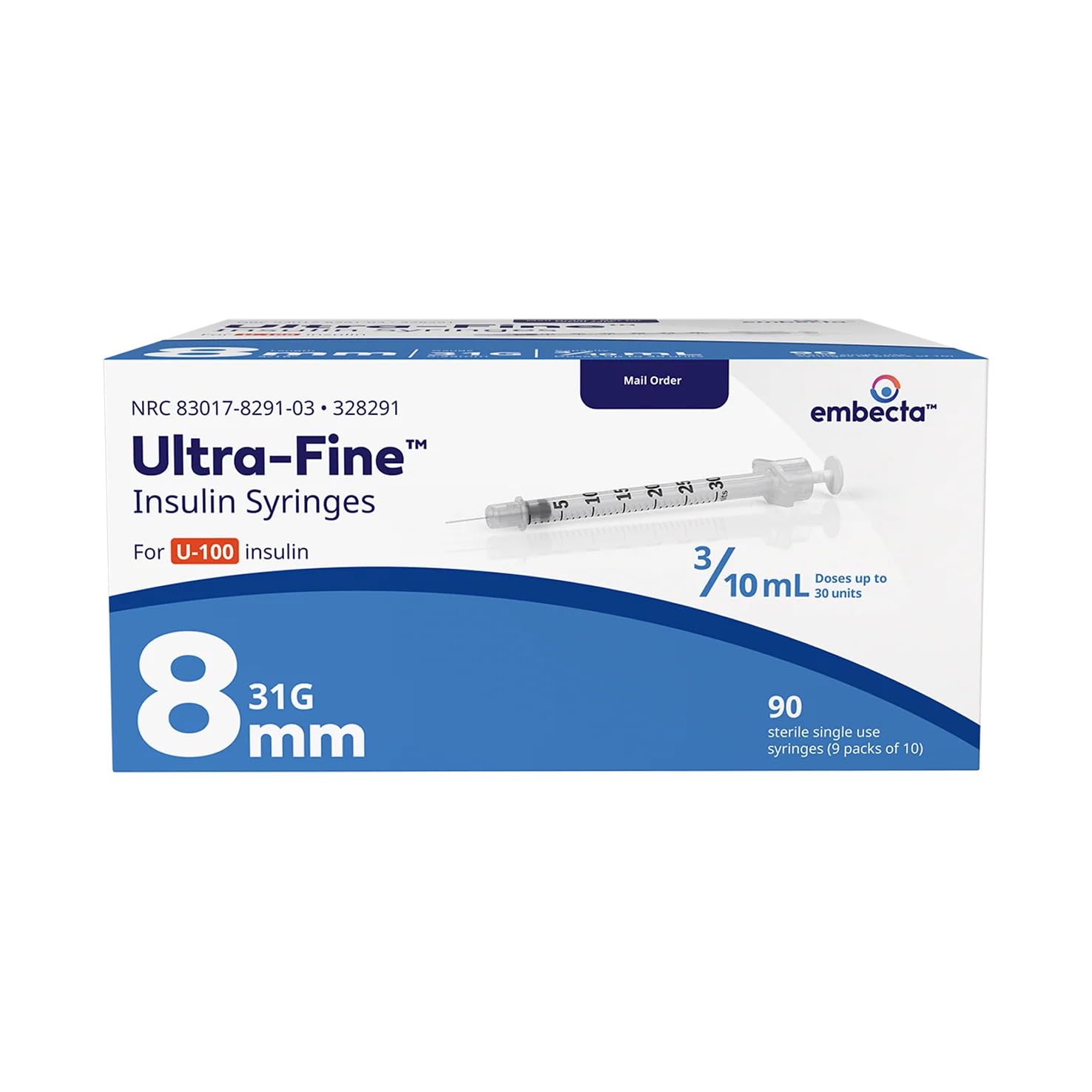
Math assumes U-100 insulin syringes (1 mL = 100 units). Verify your syringe matches before injecting. Round half-units to the nearest visible mark.
| Dose | Syringe units | mL volume | Schedule |
|---|---|---|---|
| 1 mg | 20 units | 0.2 mL | Daily SubQ (5-on/2-off)Community |
| 2 mg | 40 units | 0.4 mL | Daily SubQFDA-approved dose |
Math assumes U-100 insulin syringes (1 mL = 100 units). Verify your syringe matches before injecting. Round half-units to the nearest visible mark.
| Dose | Syringe units | mL volume | Schedule |
|---|---|---|---|
| 1 mg | 10 units | 0.1 mL | Daily SubQ (5-on/2-off) |
| 2 mg | 20 units | 0.2 mL | Daily SubQFDA-approved dose |
Math assumes U-100 insulin syringes (1 mL = 100 units). Verify your syringe matches before injecting. Round half-units to the nearest visible mark.
Quick Reference: Commonly Reported Community Protocol
| Parameter | Standard Protocol |
|---|---|
| Dose | 1 mg (20 units on insulin syringe) |
| Route | Subcutaneous injection |
| Timing | AM or PM |
| Frequency | 5 days on, 2 days off |
| Cycle | 8 weeks on, 8 weeks off |
| Vial size | 10 mg |
| Reconstitution | 2 mL bacteriostatic water → 5 mg/mL |
| Draw amount | 20 units on insulin syringe |
| Storage | Refrigerate, use within 28 days |
Commonly reported community protocol: 1 mg subcutaneous, 5 days on / 2 days off, for 8 weeks on / 8 weeks off. For the full tesamorelin profile, vendor pricing, and stacking options, see our tesamorelin peptide page.
Cycling Details
The 5on/2off schedule is described in community sources as giving receptors periodic rest while maintaining consistent GH stimulation throughout the work week. The 8-week cycle length is described as balancing efficacy with cost management and receptor sensitivity.
Community protocols describe morning or evening dosing interchangeably; consistent timing is the documented standard approach. Fasted injection is commonly described in community sources as slightly optimizing GH response. Tesamorelin does not use a loading phase; documented protocols describe a direct 1 mg starting dose with no loading phase.
Continuous use versus cycling: what the trials documented
The community 8-on/8-off pattern is one approach; the clinical record describes another. In the Phase 3 program, tesamorelin was dosed at 2 mg subcutaneously every day for 52 continuous weeks with no scheduled breaks. IGF-1 reached its elevated plateau by week 26 and was maintained at that level through week 52, and visceral-fat reduction was sustained across the full year — the trials documented no tachyphylaxis (no loss of response over time) on continuous daily dosing (Falutz et al., 2007; Falutz et al., 2010). Trial data also documented that visceral fat re-accumulated after dosing stopped.
Community sources therefore describe two documented paths. Cycled use (commonly 8 weeks on, 8 weeks off) is typically described in the context of cost management and letting IGF-1 normalize between blocks. Continuous use mirrors the FDA-approved protocol, where the trial evidence for a sustained, non-attenuating response is strongest. In the trials, IGF-1 was monitored against the laboratory reference range, and published protocols described dose reduction when IGF-1 rose above it.
FDA-Approved Clinical Protocol (Higher Dose)
Note: The community protocol above reflects the commonly reported 1 mg dose. The FDA-approved protocol below uses the higher clinical dose.
| Parameter | FDA-Approved Protocol |
|---|---|
| Dose | 2 mg daily in trials (original formulation); 1.4 mg daily on the current label |
| Frequency | Every day (continuous) |
| Cycle | Continuous under medical supervision |
| Indication | HIV-associated lipodystrophy |
| Evidence | Phase III RCT: ~15% visceral fat reduction at 26 weeks (~18% at 52 weeks) |
The trial protocol ran continuously at 2 mg/day (the current label doses the newer formulation at 1.4 mg/day for similar exposure). Community protocols use 1 mg with cycling to manage cost and receptor sensitivity, with community sources reporting GH elevation; this dose has no Phase III data. In the Phase III extension, visceral fat re-accumulated after 2 mg dosing was discontinued. To estimate your total spend per cycle, see our tesamorelin cycle cost calculator. When you're ready to source, the tesamorelin buying guide covers which 4 of 7 vendors publish COA with mass spec verifying the 5,196 Da identity, plus vial-size selection (5mg vs 10mg).
Routes of Administration
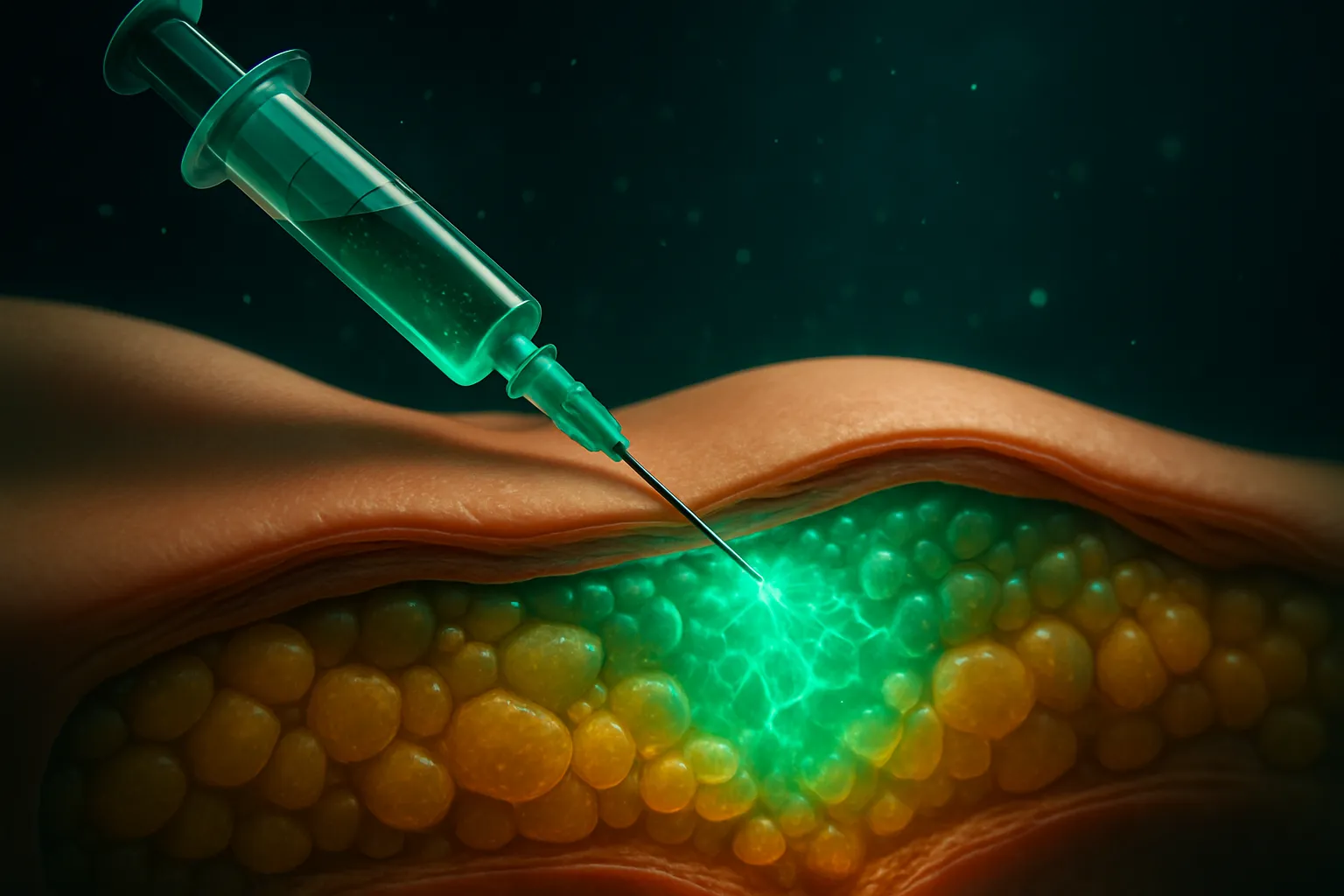
Subcutaneous (only route): Trial protocols and FDA labeling describe rotating injection sites between left and right abdomen, with documented avoidance of scar tissue and the navel area. Community reconstitution guides note 27–30 gauge, ½ inch needle use.
Reconstitution Quick Reference
| Vial Size | BAC Water | Concentration | 1 mg Dose | 2 mg Dose |
|---|---|---|---|---|
| 10 mg | 2 mL | 5 mg/mL | 20 units | 40 units |
10 mg vial + 2 mL BAC water = 5 mg/mL. At that dilution, a 1 mg dose corresponds to 20 units on an insulin syringe. One vial lasts 10 doses.
Community protocols describe gentle swirling — not shaking — to avoid degradation, with storage at 2–8°C and use within 28 days.
Ready to buy? Compare verified vendors on our best tesamorelin sources page (affiliate links — we earn a commission at no cost to you), or browse all coupon codes for up to 50% off.