Community glutathione protocols run 200-600 mg by intramuscular or subcutaneous injection 2-3x/week, or 600-2,000 mg by IV infusion weekly to biweekly. Injectable and IV routes dominate because standard oral glutathione has very low bioavailability — it's largely degraded in the gut before reaching circulation.
Research-context information only. Glutathione is a research peptide. Protocols, doses, and reactions reported below come from published research and self-reported community sources. This article reports what has been documented, not what should be done. Consult a licensed physician for personal medical decisions.
Glutathione is the body's master antioxidant tripeptide (glutamate-cysteine-glycine). Below: injectable, IV, and buccal protocols with documented dose ranges, delivery-route trade-offs, and reconstitution math — for the full mechanism and age-decline research, see the glutathione peptide page.
Glutathione Dosing Table
Match your vial size below — reconstitution and dose math update automatically.
| Dose | Syringe units | mL volume | Schedule |
|---|---|---|---|
| 200 mg | 100 units | 1 mL | 2-3x/week IM or SubQStarting |
| 400 mg | 200 units | 2 mL | 2-3x/week IM or SubQMid-range |
| 600 mg | 300 units | 3 mL | 2-3x/week IM or SubQFunctional-medicine upper range |
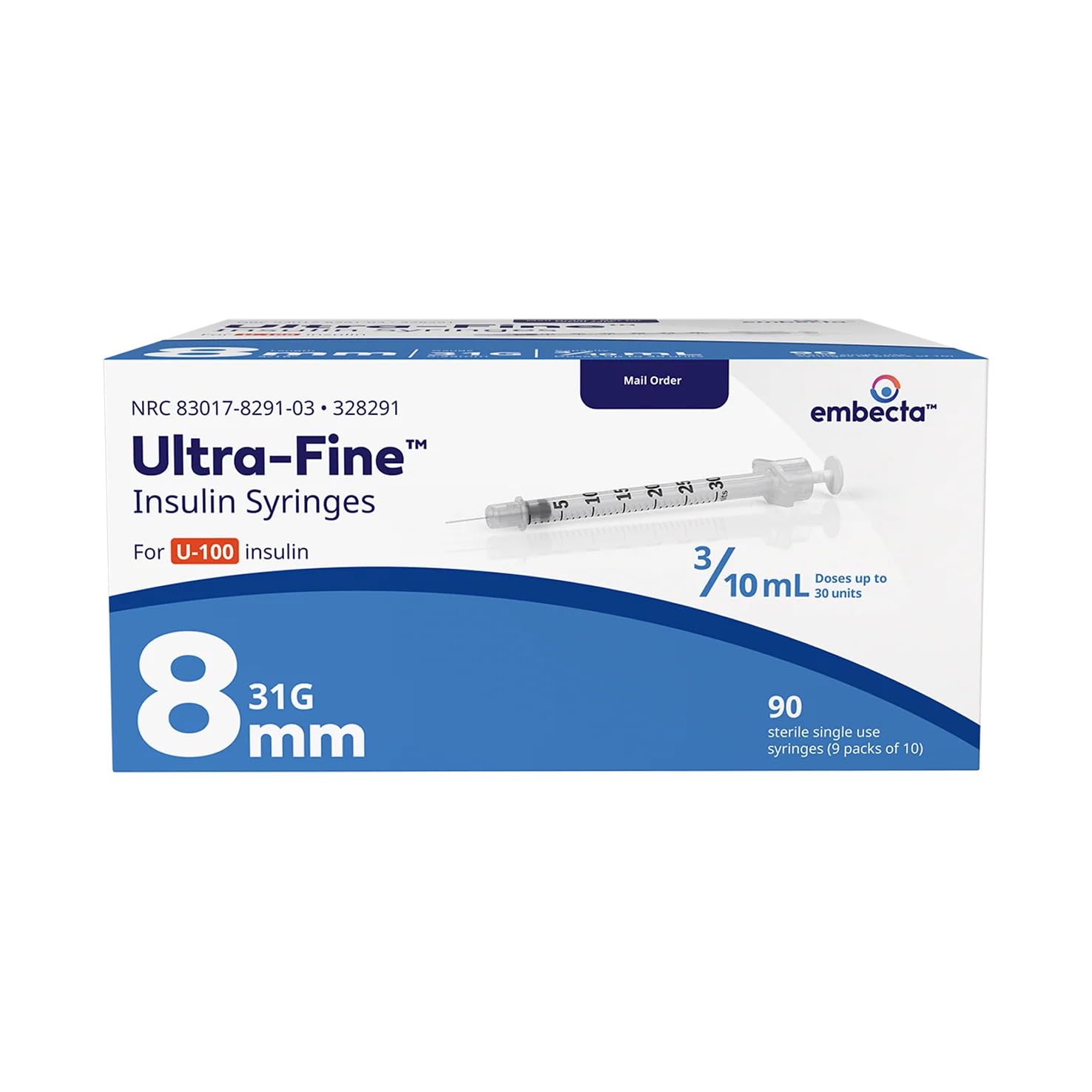
Math assumes U-100 insulin syringes (1 mL = 100 units). Verify your syringe matches before injecting. Round half-units to the nearest visible mark.
| Dose | Syringe units | mL volume | Schedule |
|---|---|---|---|
| 200 mg | 40 units | 0.4 mL | 2-3x/week IM or SubQStarting |
| 400 mg | 80 units | 0.8 mL | 2-3x/week IM or SubQMid-range |
| 600 mg | 120 units | 1.2 mL | 2-3x/week IM or SubQFunctional-medicine upper range |
Math assumes U-100 insulin syringes (1 mL = 100 units). Verify your syringe matches before injecting. Round half-units to the nearest visible mark.
Quick Reference: Injectable Protocol
| Parameter | Detail |
|---|---|
| Dose | 200-600 mg |
| Route | Intramuscular or subcutaneous injection |
| Timing | AM |
| Frequency | 2-3 times per week |
| Cycle | Continuous (no cycling required) |
| Vial size | Commonly sold as 600 mg or 1,500 mg lyophilized vials (also available pre-mixed) |
| Storage | Refrigerate reconstituted vials, use within 28 days |
Community-reported starting doses cluster around 200 mg 2-3 times per week, with functional medicine protocols describing doses up to 600 mg per session.
Injectable Protocol (IM/SubQ)
Intramuscular and subcutaneous glutathione injections are the most common non-IV route documented in functional medicine literature. Pre-mixed injectable glutathione is available from compounding pharmacies, and lyophilized powder requires reconstitution with bacteriostatic water before use.
Documented dose ranges:
| Protocol Level | Dose | Frequency | Context |
|---|---|---|---|
| Community starting dose | 200 mg | 2-3x per week | Self-reported entry point |
| Standard functional medicine | 200-400 mg | 2-3x per week | Clinical practice reports |
| Higher-dose protocols | 400-600 mg | 2-3x per week | Liver support, detoxification protocols |
Route notes: Intramuscular injection (deltoid, gluteal) is the most commonly cited route in community protocols. Subcutaneous injection (abdominal fat pad) is also documented. IM administration provides faster absorption; SubQ delivers a slower, more sustained release profile.
Reconstitution (lyophilized powder): Protocols describe adding bacteriostatic water to lyophilized glutathione vials according to manufacturer instructions. Protocols describe drawing the resulting solution into an insulin syringe or standard IM syringe depending on volume.
1,500 mg vial — reconstitution quick reference: Because glutathione is dosed in the hundreds of milligrams, draw volumes run larger than for microgram-dosed peptides. The chart below shows how the amount of bacteriostatic water added to a 1,500 mg vial sets the concentration, and the resulting draw volume for two commonly-referenced doses. More water makes a given dose easier to measure but raises the injection volume — community reports weigh that trade-off against syringe size and route. For the full mixing walkthrough, the 600 mg vial chart, and storage rules, see the Glutathione Reconstitution Guide.

IV Infusion Protocol
Intravenous glutathione delivers the highest peak plasma levels of any route. Published pharmacokinetic data from Aebi et al. (1991) documented that IV infusion of 2 g/m^2 raised plasma glutathione from 17.5 umol/L to 823 umol/L -- a roughly 47-fold increase -- with a half-life of approximately 14 minutes (Aebi et al., 1991).
Documented IV protocols:
| Setting | Dose | Frequency | Duration |
|---|---|---|---|
| Functional medicine clinics | 600-1200 mg | Weekly or biweekly | 15-30 min push |
| Liver support protocols | 1200-2000 mg | Weekly | 30-60 min infusion |
| Parkinson's disease research | 1400 mg | 3x per week | IV push (Hauser et al., 2009) |
| Renal protection (clinical trial) | 3000 mg | Single pre-procedure dose | 30 min infusion (Saitoh et al., 2011) |
Vitamin C pairing: IV glutathione is frequently administered alongside IV vitamin C (ascorbic acid) in functional medicine settings. Vitamin C acts as a glutathione recycler, regenerating the reduced (active) form from the oxidized form. Published protocols describe 1000-5000 mg vitamin C co-infused with glutathione.
Practical considerations: IV administration requires clinical supervision. The short plasma half-life (~14 minutes) means peak levels are transient, which is why weekly or biweekly protocols are common in clinical practice.
Buccal Strip Protocol
Orobuccal (sublingual/buccal) glutathione formulations bypass intestinal degradation entirely by absorbing through the oral mucosa directly into the bloodstream. Published research documented measurable blood glutathione elevation within 30-60 minutes of buccal administration (Buonocore et al., 2015).
Documented buccal protocols:
| Parameter | Detail |
|---|---|
| Dose per strip | 100-250 mg (varies by product) |
| Frequency | 1-2 strips daily |
| Administration | Place on inner cheek or under tongue, allow to dissolve |
| Absorption time | 15-30 minutes for dissolution |
| Cycling | Continuous use documented |
Buccal strips offer a practical middle ground: bioavailability meaningfully higher than oral capsules, without requiring injection. Community reports describe this route as the preferred non-injectable option for daily glutathione maintenance.
Oral Supplementation (Limitations)
Standard oral glutathione capsules face a well-documented bioavailability problem. The enzyme gamma-glutamyltransferase (GGT) in the intestinal lining breaks the glutathione tripeptide into its component amino acids before it reaches systemic circulation.
Liposomal glutathione is the notable exception. Liposomal encapsulation protects the molecule from GGT degradation. Sinha et al. (2018) documented that liposomal glutathione supplementation at 500-1000 mg daily elevated blood glutathione stores over 1-6 months in healthy adults (Sinha et al., 2018).
NAC (N-acetylcysteine) as precursor: Rather than supplementing glutathione directly, NAC provides the rate-limiting amino acid (cysteine) for endogenous glutathione synthesis. Oral NAC at 600-1800 mg daily is well-absorbed and documented to raise intracellular glutathione levels over weeks of use. Published research compares NAC, oral glutathione, and sublingual glutathione head-to-head (Schmitt et al., 2015).
Standard oral glutathione: A randomized controlled trial by Richie et al. (2015) documented that oral glutathione at 250-1000 mg daily for 6 months did increase blood, erythrocyte, and lymphocyte glutathione levels, though the magnitude of increase was smaller than injectable or IV routes (Richie et al., 2015).
Why Standard Oral Glutathione Fails
This section explains the pharmacokinetic barrier that makes injectable, IV, and buccal routes necessary for meaningful glutathione repletion.
The GGT problem: Gamma-glutamyltransferase (GGT) is an enzyme concentrated in the intestinal brush border that cleaves the gamma-glutamyl bond in glutathione. This breaks the tripeptide into glutamate, cysteine, and glycine before absorption. The individual amino acids are absorbed and can be used to resynthesize glutathione intracellularly, but this is a slow, rate-limited process that does not produce the acute plasma elevation seen with parenteral routes.
First-pass metabolism: Even glutathione that survives GGT faces hepatic first-pass metabolism. The liver extracts and metabolizes glutathione efficiently, further reducing systemic bioavailability from the oral route.
The practical implication: Published pharmacokinetic comparisons show that IV glutathione produces a ~47-fold plasma elevation within minutes, while standard oral capsules produce minimal measurable change. This gap is why clinical protocols for acute glutathione repletion -- liver support, immune challenges, detoxification -- consistently use parenteral routes rather than oral supplementation.

Cycling
Glutathione is endogenous -- the body produces it continuously in every cell. Most documented protocols treat glutathione supplementation as a maintenance intervention rather than a cycled compound.
Injectable protocols: Community sources describe continuous 2-3x/week injection schedules without cycling. Community sources describe some users running 8-12 week injectable courses and bridging with oral precursors (NAC or liposomal glutathione) during off periods, which reads as a cost-management strategy rather than a documented physiological requirement.
IV protocols: Clinic-based IV glutathione is typically administered on an ongoing schedule (weekly or biweekly) as long as the clinical indication persists. Published Parkinson's research used 3x/week IV infusions for defined study periods.
Oral/buccal protocols: Continuous daily use is the standard documented approach for oral and buccal routes.