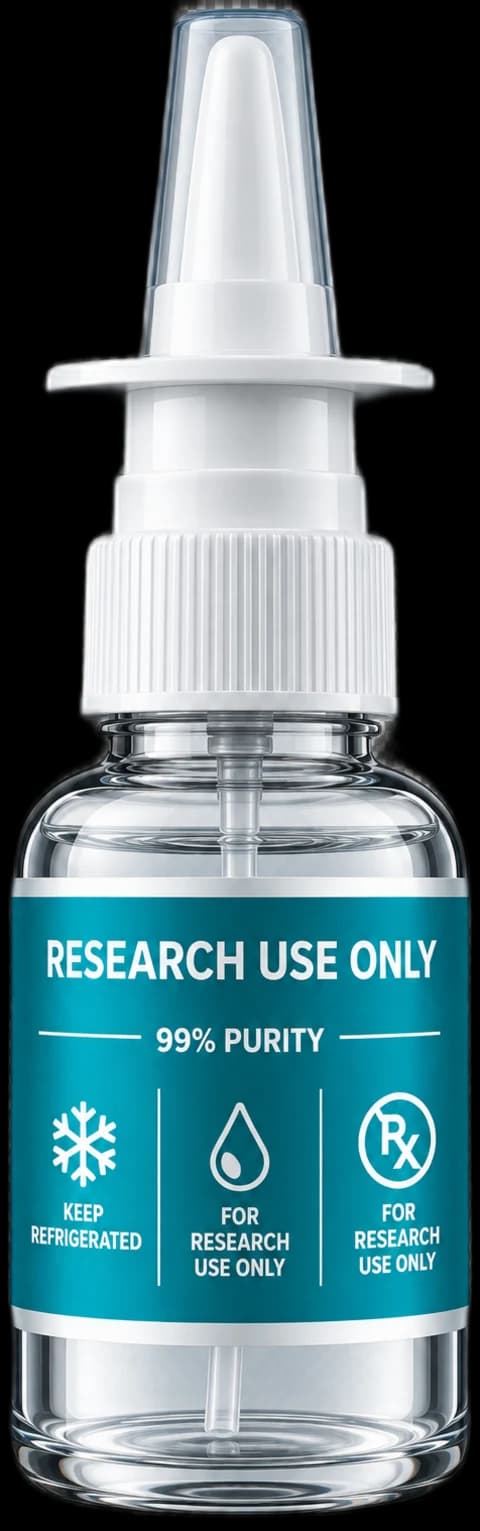
NAD+
A cellular energy molecule for DNA repair, metabolism, and anti-aging. NAD+ (Nicotinamide Adenine Dinucleotide) is a coenzyme essential for cellular energy production, DNA repair, and sirtuin activation. Levels decline significantly with age. Injectable NAD+ provides direct cellular replenishment, bypassing oral bioavailability issues. Research explores applications in anti-aging, neurodegeneration, metabolic health, and addiction recovery.
Compare Prices🧬Key Characteristics
- Type: Coenzyme (dinucleotide)(Not a peptide — a small molecule cofactor.)
- Molecular Weight: 663.4 Da(C₂₁H₂₇N₇O₁₄P₂)
- Function: Electron carrier(NAD⁺ ↔ NADH redox cycling in metabolism.)
- Half-life (IV): ~30-45 minutes(Rapidly taken up by cells after infusion.)
Overview
Core Benefits
Key AdvantagesThese are educational summaries of commonly discussed effects in wellness/regenerative contexts, not guarantees.
NAD+ Results Timeline
ProgressionTimeline is illustrative and non-guaranteed. Outcomes vary and are commonly discussed alongside training, nutrition, sleep, and cycling practices.
Diagrams
Hover for preview • Click to open full sizeNAD+ Pricing
We surface in-stock offers first and normalize by price per mg for quick comparisons.
100 mg / vial
In-stock offers250 mg / vial
In-stock offers500 mg / vial
In-stock offers700 mg / vial
In-stock offersOut of stock (1)
Looking for medical guidance?
Join the waitlist for doctor-guided peptide plans. We'll notify you when telehealth consultations are available in your state.
Reconstitution calculator
Dilution math and unit conversions. Prefilled using a common vial size for this peptide.
Open calculatorEducational Videos
How to Reconstitute Peptides
Handling
Educational overview on storage, labeling, and traceability considerations for lab environments. Consult primary literature and vendor documentation for specifics.
- Freezer (-20°C): 1+ year ✓
- Refrigerator (2-8°C): 1-3 months ✓
- Room temperature: 2-3 weeks (emergency only)
- MUST refrigerate at 2-8°C
- 4-week maximum shelf life
- NEVER freeze after reconstitution
- Use bacteriostatic water for multi-dose
Storage & Handling Guide
Learn proper storage temperatures, shelf life timelines, reconstitution best practices, and travel tips for lyophilized and reconstituted peptides.
FAQ
What is NAD+ and why is it important?
NAD+ (Nicotinamide Adenine Dinucleotide) is a coenzyme found in every cell of the body. It's essential for energy production (ATP synthesis), DNA repair, sirtuin activation, and hundreds of metabolic reactions. NAD+ levels naturally decline 50%+ by middle age, which is linked to aging and age-related diseases. Replenishing NAD+ is a major focus of longevity research.
How is injectable NAD+ different from oral supplements like NMN or NR?
Injectable NAD+ delivers the coenzyme directly to bloodstream and cells, bypassing digestive breakdown and liver metabolism. Oral precursors (NMN, NR, niacin) must be converted to NAD+ through multiple enzymatic steps, with variable efficiency. IV/subcutaneous NAD+ provides rapid, complete cellular uptake — though it's more expensive and requires injection.
What are the benefits of NAD+ therapy?
Research and clinical reports suggest benefits including: increased energy and reduced fatigue, improved mental clarity and focus, enhanced athletic performance and recovery, support for healthy aging, potential neuroprotection, and improved metabolic function. NAD+ activates sirtuins (SIRT1-7) which regulate DNA repair, inflammation, and longevity pathways.
Why do NAD+ levels decline with age?
Several factors cause age-related NAD+ decline: increased consumption by PARP enzymes (DNA repair), CD38 enzyme activity (which breaks down NAD+), reduced production of NAD+ precursors, and chronic inflammation. By age 50, NAD+ levels may be half of what they were at age 20. This decline correlates with mitochondrial dysfunction, cellular senescence, and age-related diseases.
What are the side effects of NAD+ injections?
IV NAD+ can cause flushing, chest tightness, nausea, and cramping during infusion — these typically resolve by slowing the drip rate. Subcutaneous injections may cause injection site reactions. Some people report temporary anxiety or restlessness. Starting with lower doses and titrating up can minimize side effects. NAD+ is generally well-tolerated when administered properly.
How long does reconstituted peptide last?
Once mixed with bacteriostatic water, peptides remain stable for up to 4 weeks when refrigerated at 2-8°C (36-46°F). Unopened powder can last 1+ year in the freezer. Get our complete Storage & Travel Guide.
Is this peptide legal to purchase?
Peptides sold "for research purposes only" are legal to purchase in the US, but are not FDA-approved for human use outside of specific medical applications. Always consult a healthcare provider before use.
New to peptides?
Take our Peptide Match tool to find the best peptide for your goals. You can also read our Complete Guide to Peptides to learn the basics.
Scientific Sources
The following peer-reviewed studies and official resources provide additional scientific context for this peptide:
Disclosure: we may earn affiliate commission from qualifying purchases. Educational information only — not medical advice.

