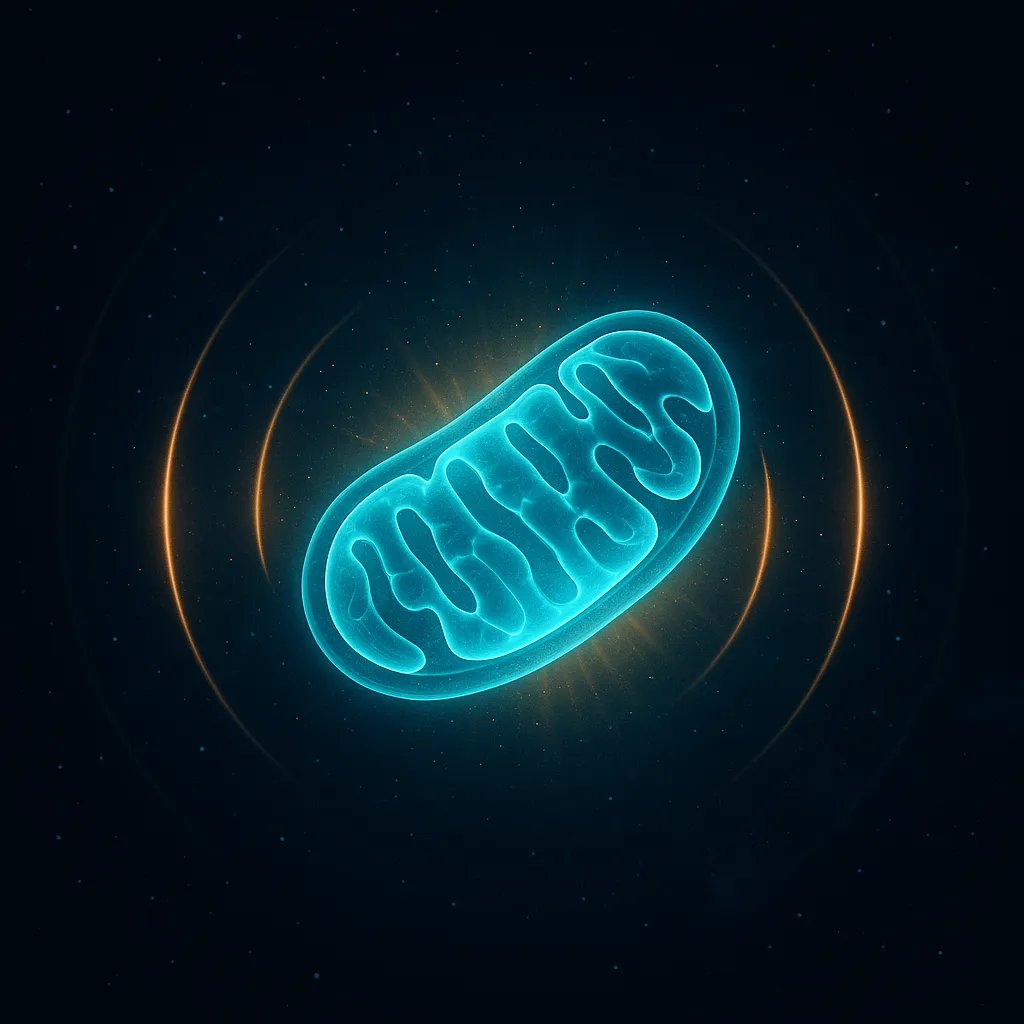
Humanin is a 24-amino acid peptide encoded in mitochondrial DNA -- one of only a handful of known mitochondrial-derived peptides (MDPs). Discovered in 2001 during a screen of cDNA from an Alzheimer's patient's brain, it was the first peptide shown to rescue neurons from amyloid-beta toxicity (Hashimoto et al., 2001).
Research-context information only. Humanin is a research peptide. Protocols, doses, and reactions reported below come from published research and self-reported community sources. This article reports what has been documented, not what should be done. Consult a licensed physician for personal medical decisions.
Your body makes humanin naturally. It circulates in plasma, cerebrospinal fluid, and is expressed in the brain, heart, liver, kidneys, and skeletal muscle. The problem: levels decline significantly with age across every species tested, including humans. That decline tracks closely with increased vulnerability to neurodegeneration, cardiovascular disease, and metabolic dysfunction.
This article covers 5 research-backed effects of humanin, ranked by evidence strength. Most data is preclinical -- animal and cell studies. Be skeptical of anyone claiming clinical proof. The research is compelling but early.
How Humanin Works
Humanin signals through two primary pathways. First, it binds the trimeric receptor complex CNTFR/WSX-1/gp130 on the cell surface, activating JAK2/STAT3 signaling. This triggers downstream survival pathways including PI3K/Akt and ERK1/2, which suppress apoptosis and reduce oxidative stress (Lee et al., 2016).
Second, humanin works intracellularly. It binds IGFBP-3 (insulin-like growth factor binding protein 3) and Bax, a pro-apoptotic protein. By sequestering Bax, humanin directly prevents the mitochondrial membrane permeabilization that triggers programmed cell death. This dual mechanism -- extracellular receptor signaling plus intracellular apoptosis blockade -- makes humanin unusually broad in its cytoprotective effects.
The age-dependent signaling is notable. In mice, humanin injection activates Akt and ERK1/2 phosphorylation in the hippocampus of old mice but not young mice. This suggests humanin's protective effects become more relevant precisely when age-related decline sets in.
For dosing protocols and practical administration guidance, see the humanin dosing guide.
1. Neuroprotection (Strongest Evidence)
Humanin was literally discovered because of this effect. Hashimoto's team screened thousands of cDNA clones from an Alzheimer's brain and found that humanin was the only factor that rescued neurons from death caused by amyloid-beta, presenilin-1 mutations, and presenilin-2 mutations (Hashimoto et al., 2001).
Since then, the neuroprotective data has only deepened. Humanin and its analogs protect against amyloid-beta toxicity across multiple cell lines, reduce hippocampal damage in rodent Alzheimer's models, and improve cognitive performance in memory tasks. The mechanisms are multi-layered: humanin reduces oxidative stress in neurons, inhibits apoptotic cascades, and directly interacts with amyloid-beta to reduce its aggregation.
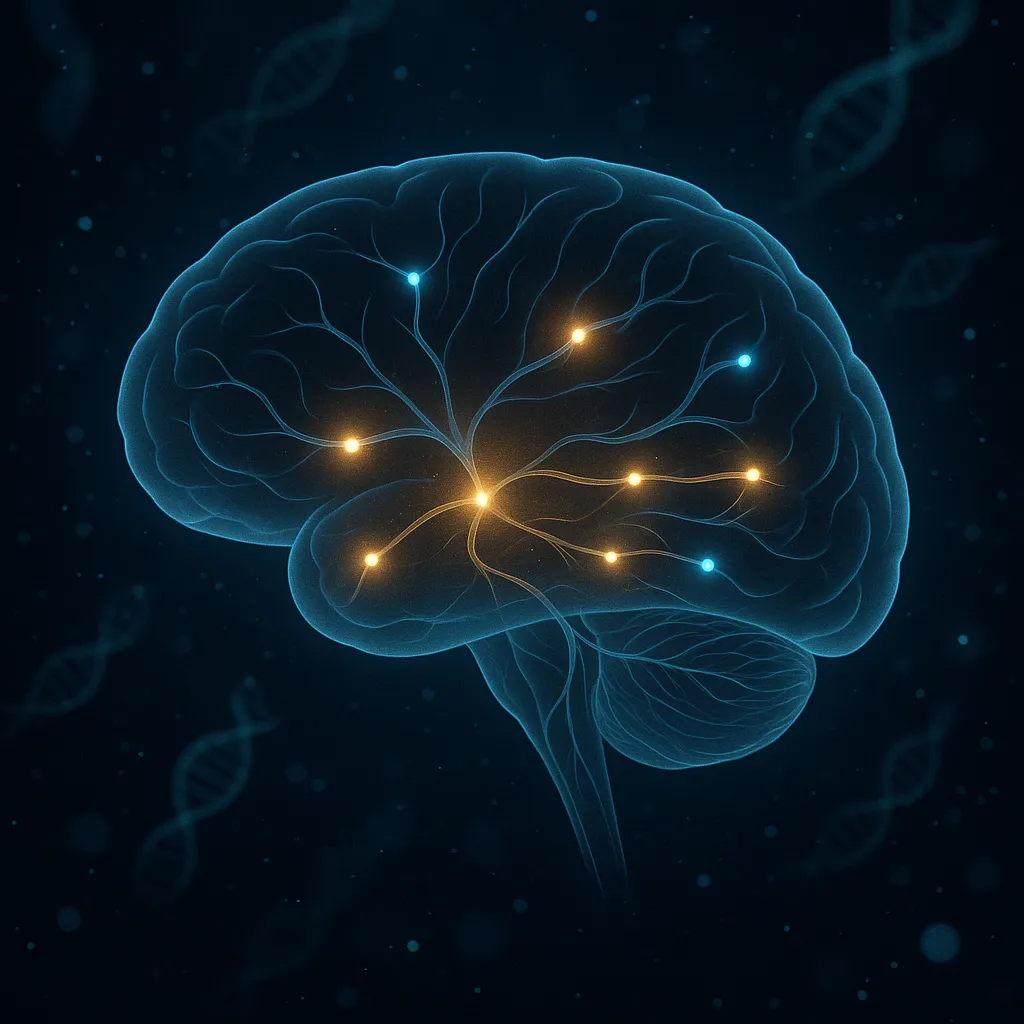
A comprehensive review of humanin's neuroprotective actions confirmed consistent protection across diverse AD-related insults, with HNG (the S14G analog) showing approximately 1,000-fold greater potency than native humanin (Kumfu et al., 2023).
Circulating humanin levels are measurably lower in Alzheimer's patients and in MELAS (mitochondrial encephalopathy), suggesting the peptide's decline may contribute to disease progression rather than just correlate with it.
Evidence level: Extensive preclinical (dozens of cell and animal studies). No human clinical trials for exogenous supplementation.
2. Cardiovascular Protection
This is where humanin research has moved fastest in recent years. The cardiovascular data is strong and consistent across multiple models.
In ischemia/reperfusion injury models, humanin analog pretreatment reduced infarct size, decreased arrhythmia incidence, and preserved cardiac mitochondrial function (Thummasorn et al., 2016). The mechanism is direct: humanin protects cardiac mitochondria from oxidative stress by modulating complex I activity, preventing the mitochondrial dysfunction cascade that damages heart tissue during reperfusion.
The human observational data adds clinical weight. In a study of 327 subjects, circulating humanin levels were significantly lower in patients with unstable angina and myocardial infarction compared to controls. Lower humanin was an independent risk factor for coronary artery disease and predicted major adverse cardiac events (Hou et al., 2021).
A broader review confirmed humanin's protective roles across atherosclerosis, ischemia-reperfusion injury, myocardial fibrosis, and heart failure, with oxidative stress reduction as the central mechanism (Cai et al., 2021).
Evidence level: Strong preclinical + human observational biomarker data. No interventional human trials.
3. Insulin Sensitivity and Metabolic Regulation
Humanin improves insulin sensitivity through both central and peripheral mechanisms. When infused into the brain (intracerebroventricularly) in rodents, humanin significantly improved whole-body insulin sensitivity via hypothalamic STAT3 activation. Peripheral intravenous infusion of potent humanin derivatives reproduced the same insulin-sensitizing effect (Muzumdar et al., 2009).
At the beta-cell level, the humanin analog HNGF6A increased glucose-stimulated insulin secretion in isolated islets from both normal and diabetic mice. The effect was dose-dependent and worked through enhanced glucose metabolism in the beta cell rather than through K-ATP channel modulation (Kuliawat et al., 2013).
The age connection is relevant here. Humanin levels in the hypothalamus, skeletal muscle, and cortex decrease with age in rodents, and circulating levels decline with age in humans. This decline parallels the increase in insulin resistance and type 2 diabetes risk that comes with aging, suggesting humanin may be a mechanistic link between mitochondrial aging and metabolic disease.
Evidence level: Strong preclinical (multiple animal models). No human metabolic intervention trials.
4. Cellular Stress Protection and Anti-Apoptosis
Beyond neuroprotection and cardioprotection, humanin provides broad cytoprotective effects across cell types. The mechanism is consistent: humanin inhibits Bax-mediated mitochondrial membrane permeabilization, the critical step in the intrinsic apoptosis pathway.
This protection extends to oxidative stress, endoplasmic reticulum stress, and serum starvation-induced cell death. Humanin activates the PI3K/Akt pathway, which promotes expression of antioxidant proteins, reduces reactive oxygen species (ROS), and decreases oxidative damage across tissue types.
The breadth of protection is what distinguishes humanin from more targeted peptides. Where BPC-157 excels at tissue repair and SS-31 specifically targets cardiolipin in the inner mitochondrial membrane, humanin provides a more generalized cellular survival signal that operates across multiple organ systems.
Evidence level: Solid preclinical. Multiple cell and animal models confirm consistent cytoprotection.
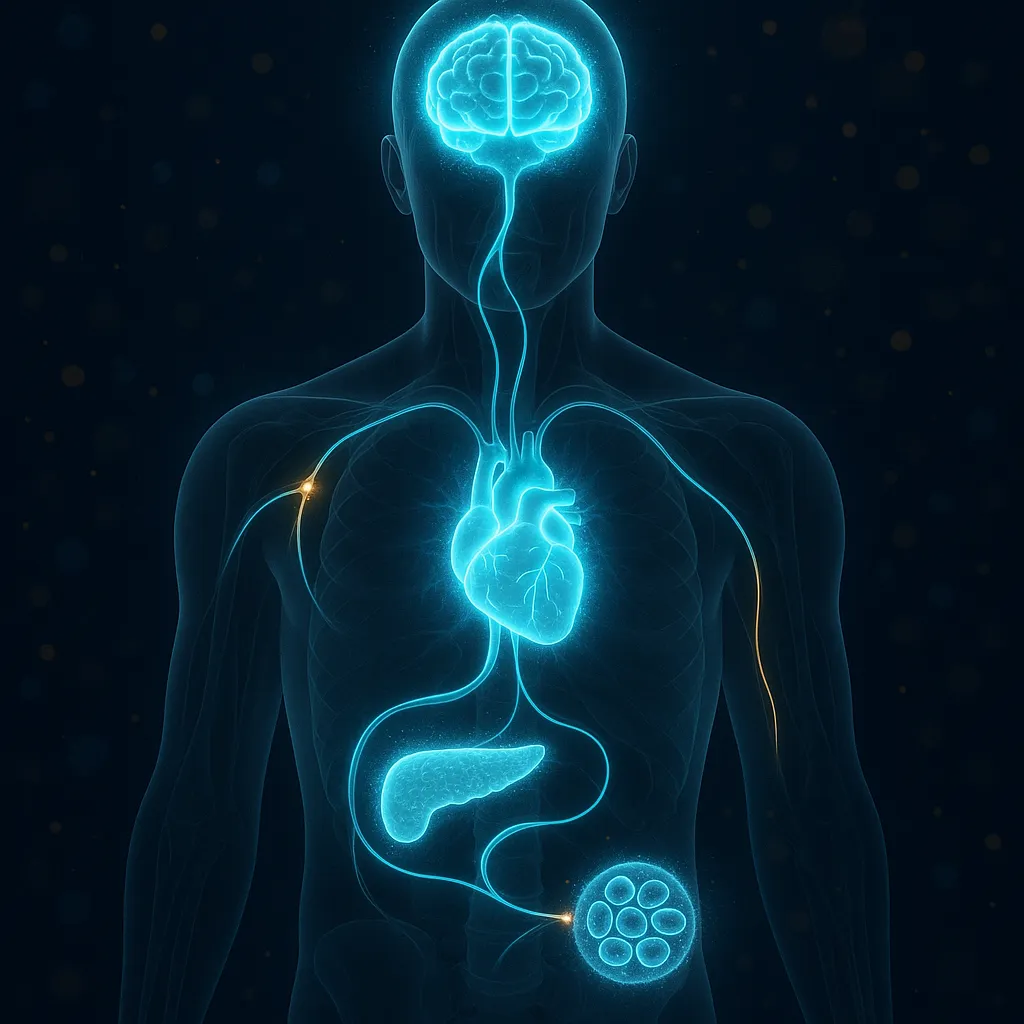
5. Longevity and Healthspan
The longevity data is the newest but potentially the most significant. A 2020 study demonstrated that humanin overexpression extends lifespan in C. elegans through daf-16/FOXO-dependent mechanisms. In mice, twice-weekly treatment with a humanin analog improved metabolic healthspan parameters and reduced inflammatory markers in middle-aged animals (Muzumdar et al., 2020).
A striking observation: humanin levels are remarkably stable in the naked mole-rat, a species known for negligible senescence and exceptional longevity relative to body size. In contrast, humanin declines steadily in mice and humans with age.
The FOXO pathway connection is significant. FOXO transcription factors are among the most conserved longevity regulators across species. Humanin's dependence on FOXO for lifespan extension places it in the same mechanistic family as caloric restriction and insulin/IGF-1 signaling reduction -- the most validated longevity interventions in biology.
Evidence level: Early but compelling. Worm lifespan data + mouse healthspan data + cross-species correlations.
Ready to buy? Browse all verified vendor coupon codes for up to 50% off across recommended peptide suppliers.