guidesFebruary 24, 2026The Peptide Catalog

Humanin Dosing Guide: Longevity Protocols (2026)

Humanin dosing guide with mitochondrial peptide protocols, neuroprotection research, HNG analog dosing, and safety.

Humanin Dosing Guide

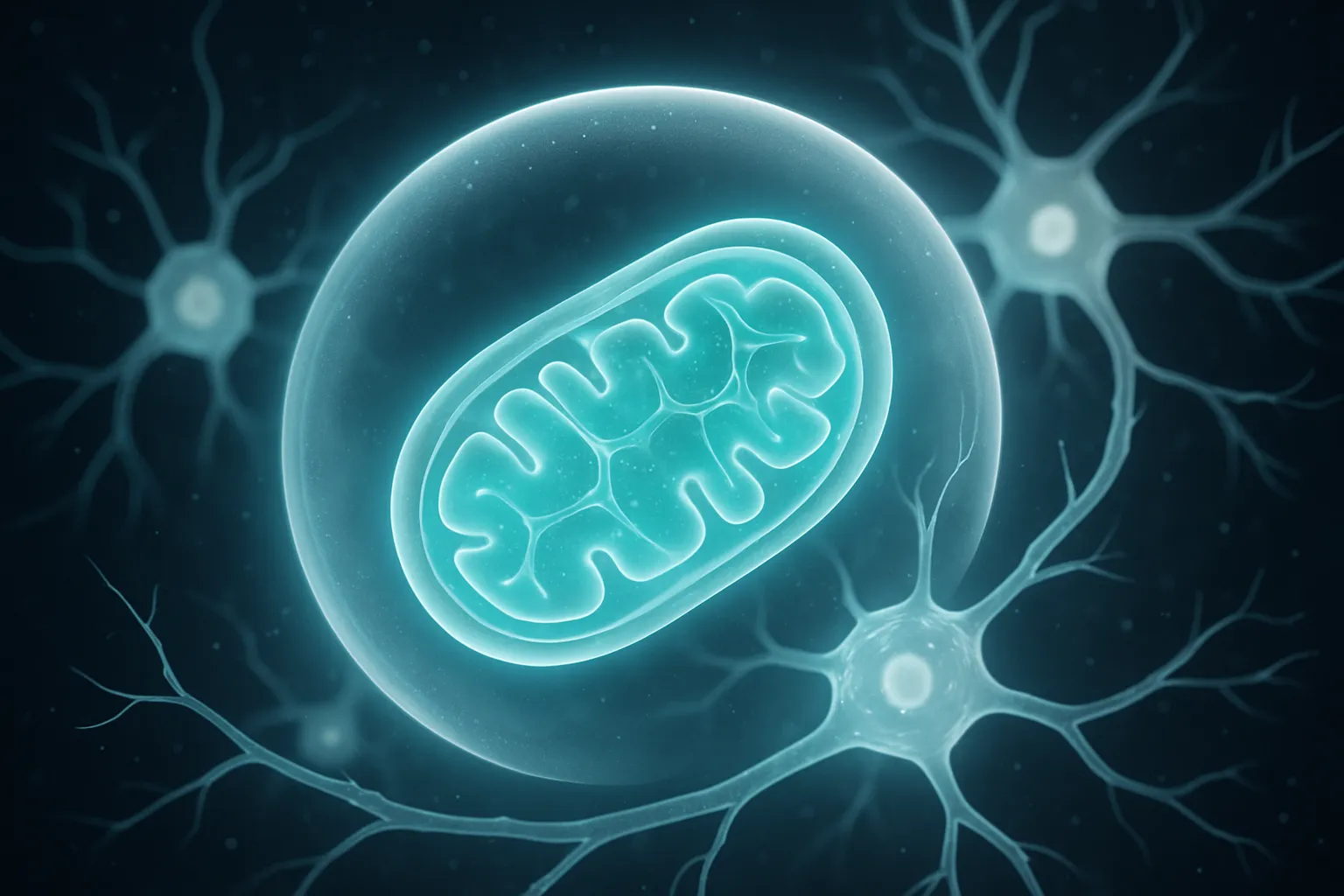
Humanin is a 24-amino acid mitochondrial-derived peptide (MDP) encoded within the 16S ribosomal RNA gene of mitochondrial DNA. First discovered in 2001 as a factor protecting neurons from Alzheimer's disease-related cell death, humanin has since emerged as a key player in longevity, metabolic regulation, and stress resistance.

A naturally occurring peptide with no human clinical trials: Humanin circulates endogenously and declines with age, but all exogenous dosing is community-driven. The potent analog HNG (S14G-humanin) is most commonly used. This is not medical advice.

Quick Reference: Community Dosing

FormDoseFrequencyCycleNotes
HNG (S14G-humanin)0.5–2 mg/dayDaily, AM8–12 weeks on/offMost common community protocol
Native humaninRarely usedHNG preferred due to 1,000x potency

Most community protocols use HNG (the S14G analog) exclusively due to its dramatically enhanced bioactivity. Native humanin has very low potency and short half-life, making it impractical for supplementation.

For the full humanin peptide profile, vendor pricing, and research summaries, see our humanin peptide page.

Loading vs Maintenance

Humanin/HNG protocols in the community typically follow a simple structure:

Initial assessment (Week 1): Start at the lower end (0.5 mg HNG daily) to assess individual tolerance and response. Humanin is well-tolerated in animal studies, but starting conservatively is prudent.

Maintenance (Weeks 2–12): Increase to 1–2 mg daily if well-tolerated. Most community users settle at 1 mg daily as their standard protocol.

Cycling rationale: 8–12 weeks on, 4–8 weeks off. The cycling approach is conservative given the complete absence of human clinical trial data for exogenous supplementation. Natural humanin levels are constant (declining with age), so the rationale is precautionary rather than evidence-based.

Timing Considerations

Routes of Administration

Humanin Routes of Administration

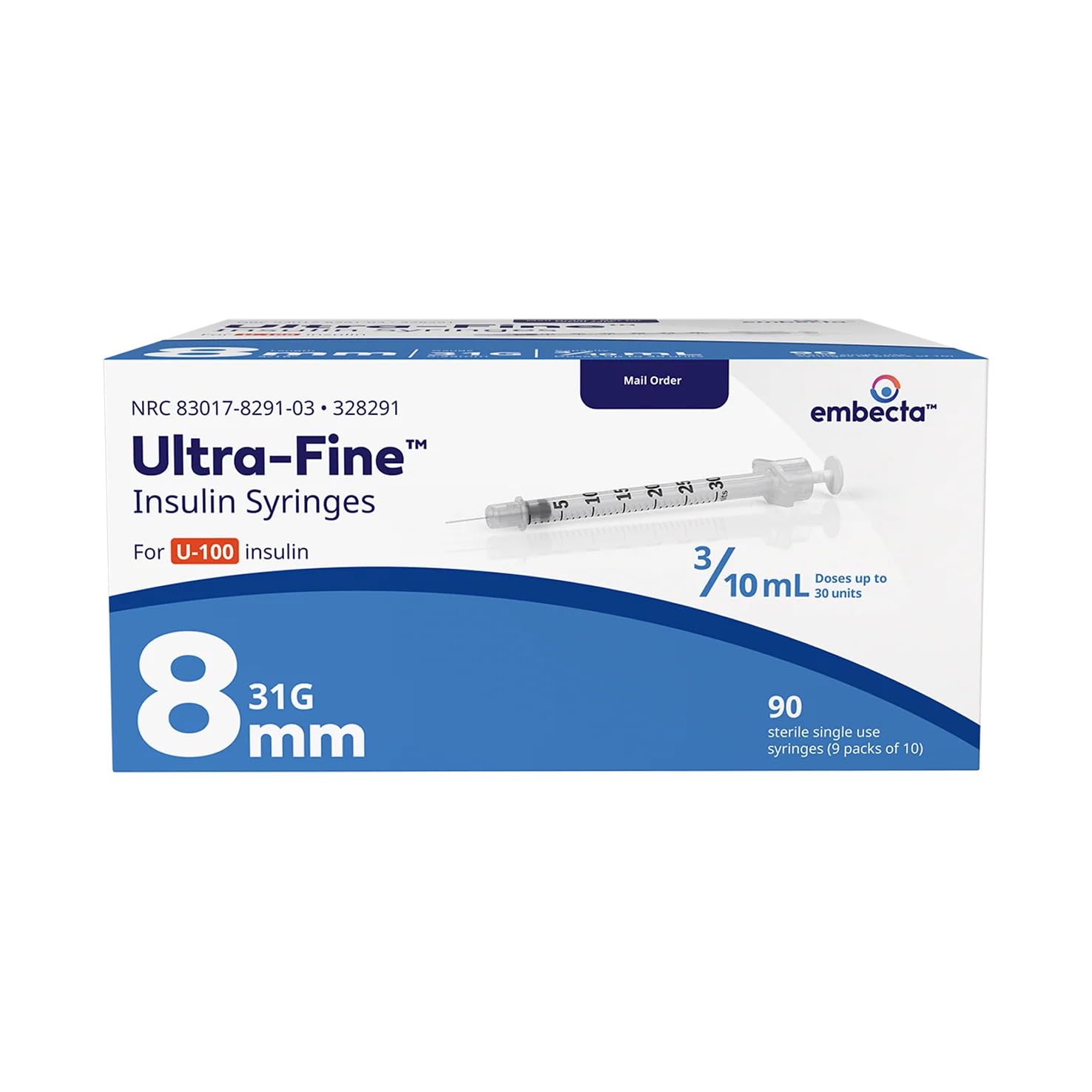
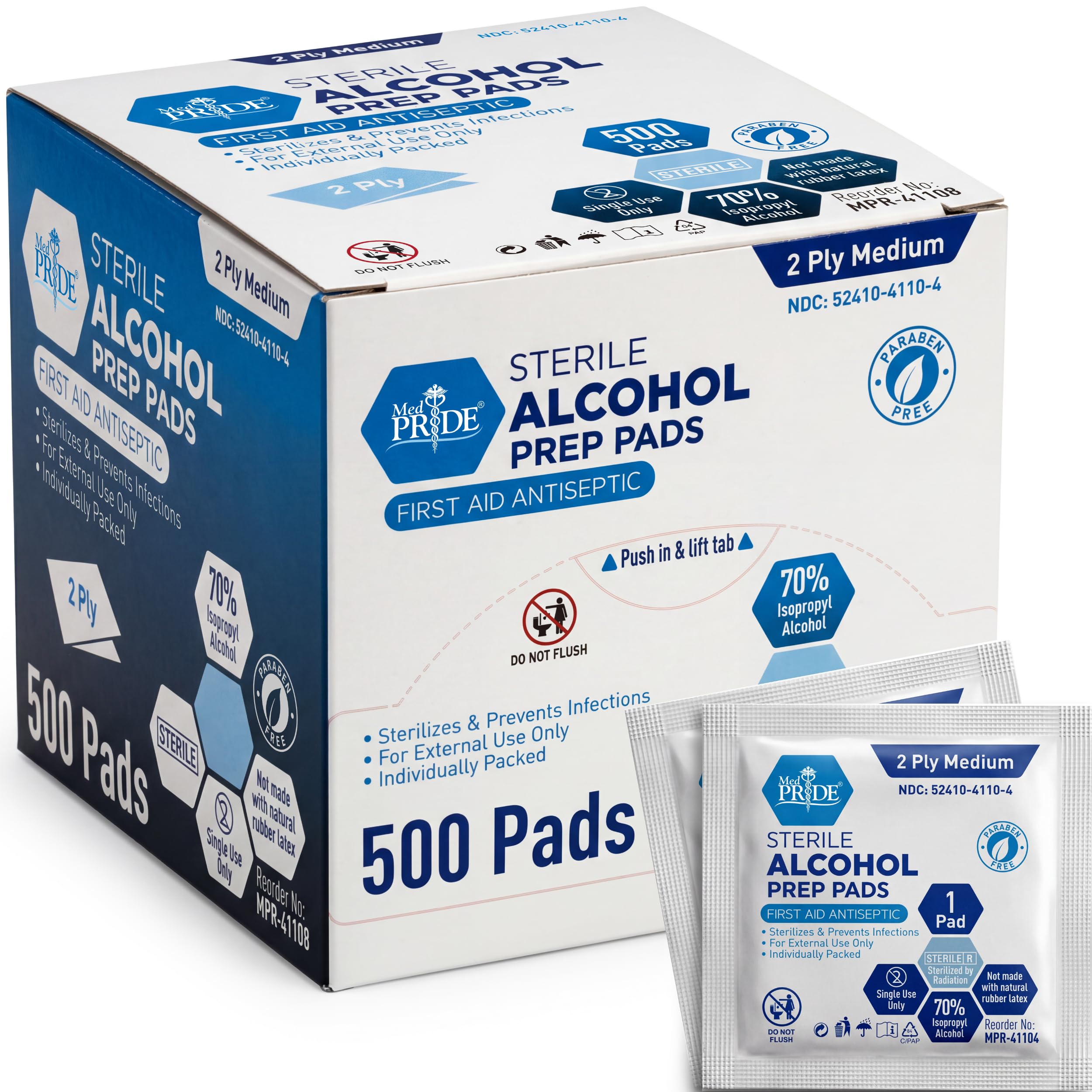
Subcutaneous Injection (Community Standard)

The primary route used in community protocols, based on peptide bioavailability considerations.

Reconstitution (HNG)

Standard reconstitution for lyophilized HNG:

Intravenous (Research Only)

Animal studies have used IV and intraperitoneal injection. Not practical or recommended for community use.

Intracerebroventricular (Animal Research Only)

The most potent route in animal studies for neuroprotective effects, but obviously limited to laboratory settings.

🧪

Ready to Buy? Compare Prices

Best current prices from verified vendors with COA testing.

SS-31 (Elamipretide)

Particle Peptides · 50mg · $3.17/mgCOA ✓

$158.53
MOTS-C

EZ Peptides · 10mg · $3.50/mgCOA ✓

$35.00
Epitalon

Particle Peptides · 10mg · $3.41/mgCOA ✓

$34.14
💰

The Peptide Brief

Weekly price drops, new research, and vendor deals — straight to your inbox.

No spam. Unsubscribe anytime.

Where These Numbers Come From: Clinical Context

Humanin research is extensive in animal and cell models but completely lacks human clinical trials for exogenous supplementation.

Discovery and Original Research

Humanin was discovered by Hashimoto et al. in 2001 through a functional screen of cDNA from the brain of an Alzheimer's disease patient. The peptide was identified as a factor that protected neurons from death induced by familial AD mutant genes and amyloid-beta (Hashimoto et al., 2001).

Lifespan Extension

A landmark study demonstrated that humanin overexpression in C. elegans is sufficient to extend lifespan through daf-16/FOXO-dependent mechanisms. This was the first direct evidence that humanin regulates longevity (Muzumdar et al., 2020).

Neuroprotection Research

A comprehensive review of humanin and humanin analog neuroprotection confirmed cytoprotective activity across multiple models of neurodegeneration, including Alzheimer's disease, stroke, and oxidative stress (Kumfu et al., 2023).

Mitochondrial Apoptosis Inhibition

Humanin directly prevents mitochondrial membrane permeabilization by inhibiting Bax and Bid oligomerization — a key step in the intrinsic apoptosis pathway. This mechanism underlies its broad cytoprotective effects (Bhatt et al., 2017).

Metabolic Effects

Humanin analogs improve insulin sensitivity and enhance glucose-stimulated insulin secretion in beta cells, suggesting metabolic benefits beyond neuroprotection (Kuliawat et al., 2013).

The Clinical Trial Gap

No human clinical trials exist for exogenous humanin/HNG supplementation. Dosing is entirely extrapolated from:

Mechanism of Action

Humanin Mechanism of Action

Humanin works through multiple cytoprotective pathways, primarily centered on mitochondrial function and apoptosis inhibition:

Bax/Bid inhibition — Humanin directly binds to pro-apoptotic proteins Bax and Bid, preventing their oligomerization at the mitochondrial membrane and blocking cytochrome c release. This is the primary mechanism of its anti-apoptotic activity (Bhatt et al., 2017).

STAT3 signaling — Activates the JAK2/STAT3 pathway through binding to the CNTFR/WSX-1/gp130 receptor complex. STAT3 activation upregulates anti-apoptotic genes including Bcl-2 and Bcl-xL.

IGFBP-3 interaction — Binds to insulin-like growth factor binding protein 3 (IGFBP-3), blocking IGFBP-3-induced apoptosis. This interaction is particularly relevant to its neuroprotective effects.

FPRL1/FPRL2 receptor activation — Activates formyl peptide receptor-like 1 and 2 (now known as FPR2 and FPR3), triggering ERK1/2 and PI3K/Akt survival signaling.

Mitochondrial function — Improves mitochondrial membrane potential, reduces ROS production, and enhances mitochondrial bioenergetics. As a mitochondrial-derived peptide, humanin may serve as a retrograde signal from mitochondria to the nucleus.

Age-related decline — Circulating humanin levels decline significantly with age (by approximately 40% from young adulthood to old age), correlating with increased vulnerability to age-related diseases and suggesting a role as an endogenous longevity factor.

Side Effects & Safety

Humanin/HNG safety is inferred primarily from animal studies and community reports.

Animal Safety Data

Community Reports

Theoretical Concerns

Anti-apoptotic effects:

Metabolic effects:

Contraindications (Precautionary)

Stacking Humanin

Humanin is commonly combined with other longevity and mitochondrial peptides.

Humanin + MOTS-c (Mitochondrial Stack)

Two mitochondrial-derived peptides with complementary mechanisms:

PeptideRouteDoseTiming
HNGSC0.5–1 mg/dayAM
MOTS-cSC5–10 mg/dayAM

Humanin + SS-31 (Mitochondrial Protection Stack)

Comprehensive mitochondrial support:

Humanin + Epitalon (Longevity Stack)

Multi-pathway anti-aging approach:

Humanin + FOXO4-DRI (Senolytic + Cytoprotection)

Advanced longevity protocol:

Stacking Considerations

Frequently Asked Questions

What is the standard humanin dose?

There is no established clinical dose. Community protocols use HNG (S14G-humanin) at 0.5–2 mg subcutaneous daily, cycled 8–12 weeks on/off. All dosing is experimental and extrapolated from animal research.

What is the difference between humanin and HNG?

HNG (S14G-humanin) has a glycine substitution at position 14 that increases potency approximately 1,000-fold compared to native humanin. Virtually all community use and most modern research uses HNG or similar potent analogs.

How does humanin work for neuroprotection?

Humanin inhibits Bax/Bid-mediated mitochondrial apoptosis, reduces amyloid-beta toxicity, activates STAT3 survival signaling, and improves mitochondrial function. It was discovered specifically for its ability to rescue neurons from Alzheimer's disease-related insults.

Is humanin safe?

Animal studies show excellent safety profiles. No human clinical trials exist for exogenous supplementation. Community reports indicate good tolerability at standard doses. The main theoretical concern is that potent anti-apoptotic effects could theoretically affect tumor suppression mechanisms.

Can humanin be stacked with MOTS-c?

Yes — this is the most popular mitochondrial peptide stack. Both are mitochondrial-derived peptides: humanin provides cytoprotection and neuroprotection while MOTS-c targets metabolic regulation and AMPK activation. Complementary mechanisms with different targets.

Why do humanin levels decline with age?

Humanin is encoded in mitochondrial DNA, and mitochondrial function declines with age. Lower humanin correlates with increased susceptibility to neurodegeneration, metabolic disease, and cellular stress — leading to interest in exogenous supplementation as an anti-aging strategy.

Related Guides

References

CitationTopicPMID
Hashimoto et al., Journal of Neuroscience (2001)Discovery of humanin, neuroprotection against AD insults11691776
Muzumdar et al., Aging (2020)Humanin regulates lifespan via daf-16/FOXO pathway32575074
Kumfu et al., Biomedicines (2023)Comprehensive review of humanin neuroprotective action38132360
Bhatt et al., Journal of Biological Chemistry (2017)Humanin inhibits Bax/Bid mitochondrial membrane permeabilization29265109
Kuliawat et al., FASEB Journal (2013)Humanin analog enhances insulin secretion in beta cells23995290

For educational and research purposes only. This is not medical advice. Humanin/HNG supplementation is entirely experimental with no human clinical trials. Consult a healthcare provider before use.