IGF-1 LR3 is a modified analog of IGF-1 studied primarily in laboratory and animal models. Barton-Davis et al. (1999) studied native IGF-I gene expression in mouse muscle, not injected LR3 in humans. That mechanism study does not validate a human LR3 regimen; meaningful concerns include hypoglycemia. For a full breakdown of what this peptide does, see our IGF-1 LR3 benefits guide. This is not medical advice.
Research-context information only. IGF-1 LR3 is a research peptide. Protocols, doses, and reactions reported below come from published research and self-reported community sources. This article reports what has been documented, not what should be done. Consult a licensed physician for personal medical decisions.
IGF-1 LR3 Dosing Table
Match your vial size below — reconstitution and dose math update automatically.
| Dose | Syringe units | mL volume | Schedule |
|---|---|---|---|
| 20 mcg | 2 units | 0.02 mL | Daily IM (10-on/4-off)Starter |
| 50 mcg | 5 units | 0.05 mL | Daily IM (10-on/4-off)Standard |
| 100 mcg | 10 units | 0.1 mL | Daily IM (split bilateral)Advanced |
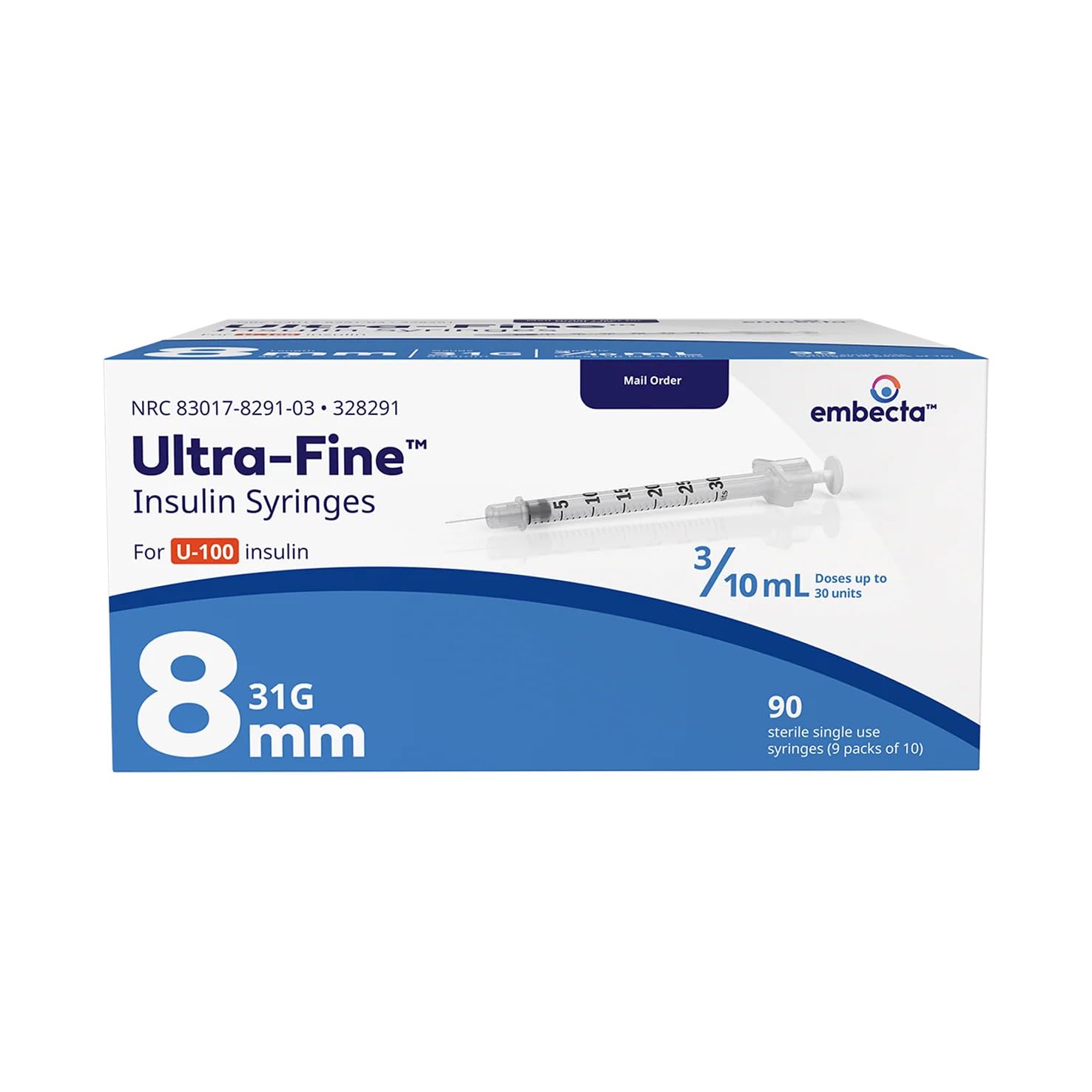
Math assumes U-100 insulin syringes (1 mL = 100 units). Verify your syringe matches before injecting. Round half-units to the nearest visible mark.
Quick Reference: Community-Reported Example
| Parameter | Detail |
|---|---|
| Dose | 50 mcg per injection |
| Route | Subcutaneous or intramuscular |
| Timing | AM |
| Frequency | 10 days in a row |
| Cycle | 10 days on, 4 weeks off |
| Vial size | 1 mg |
| Reconstitution | 1 mL BAC water (1,000 mcg/mL) |
| Community-documented draw | 5 units on insulin syringe |
| Storage claims | Community sources describe refrigeration and a 28-day window; LR3 stability for that duration is not established by the cited studies |
Draw volumes reflect community-documented reconstitution protocols, not a recommended dosing schedule.
For GH secretagogue comparisons, see our MK-677 dosing guide and Ipamorelin dosing guide.
Cycling Details
Community sources describe 10 consecutive days followed by 4 weeks off. The cited animal studies did not test this human schedule, demonstrate that it maximizes muscle growth, or establish that the off-period prevents adverse effects.
Community protocols describe keeping fast-acting carbohydrates available — hypoglycemia is the most immediate risk. Community sources warn against injecting before sleep. Community sources describe starting at 20 mcg for the first 2-3 days, then increasing to 50 mcg; the cited studies do not validate this human titration schedule.
Enhanced Protocol (Community)
Community reports describe some users running longer cycles or higher amounts. The cited studies do not validate these human regimens:
- 4-6 week cycle: 20-50 mcg daily, 4-6 weeks off (less common, higher risk)
- Bilateral IM split: 40-80 mcg/day split between muscle groups post-workout
- Training-day only: 50 mcg on training days (4-5x/week) for 4 weeks
The 10-day on / 4-week off pattern is described in community sources, not established as a safe starting point by the cited studies.
Routes of Administration

Subcutaneous: Abdomen or love handles. Provides systemic IGF-1 LR3 distribution. Consistent absorption, easier injection.
Intramuscular (community reports): Some bodybuilding accounts describe administration near muscles trained that day. The cited native IGF-I gene-transfer study does not demonstrate that injecting LR3 into a chosen muscle produces localized growth in humans.
Affiliate disclosure: some links on this page are affiliate links. The Peptide Catalog may earn a commission at no additional cost to the reader.

Reconstitution Quick Reference
| Vial Size | BAC Water | Concentration | 50 mcg Dose |
|---|---|---|---|
| 1 mg | 1 mL | 1,000 mcg/mL | 5 units |
Math: 1,000 mcg / 1 mL = 1,000 mcg/mL. 50 mcg / 1,000 = 0.05 mL = 5 units. Community sources describe gentle mixing, refrigerated storage, and sometimes an acetic-acid diluent. These cited animal studies do not validate a home-preparation method or a 28-day stability claim for either diluent.
For step-by-step reconstitution instructions, see the BPC-157 reconstitution guide — same general technique applies.