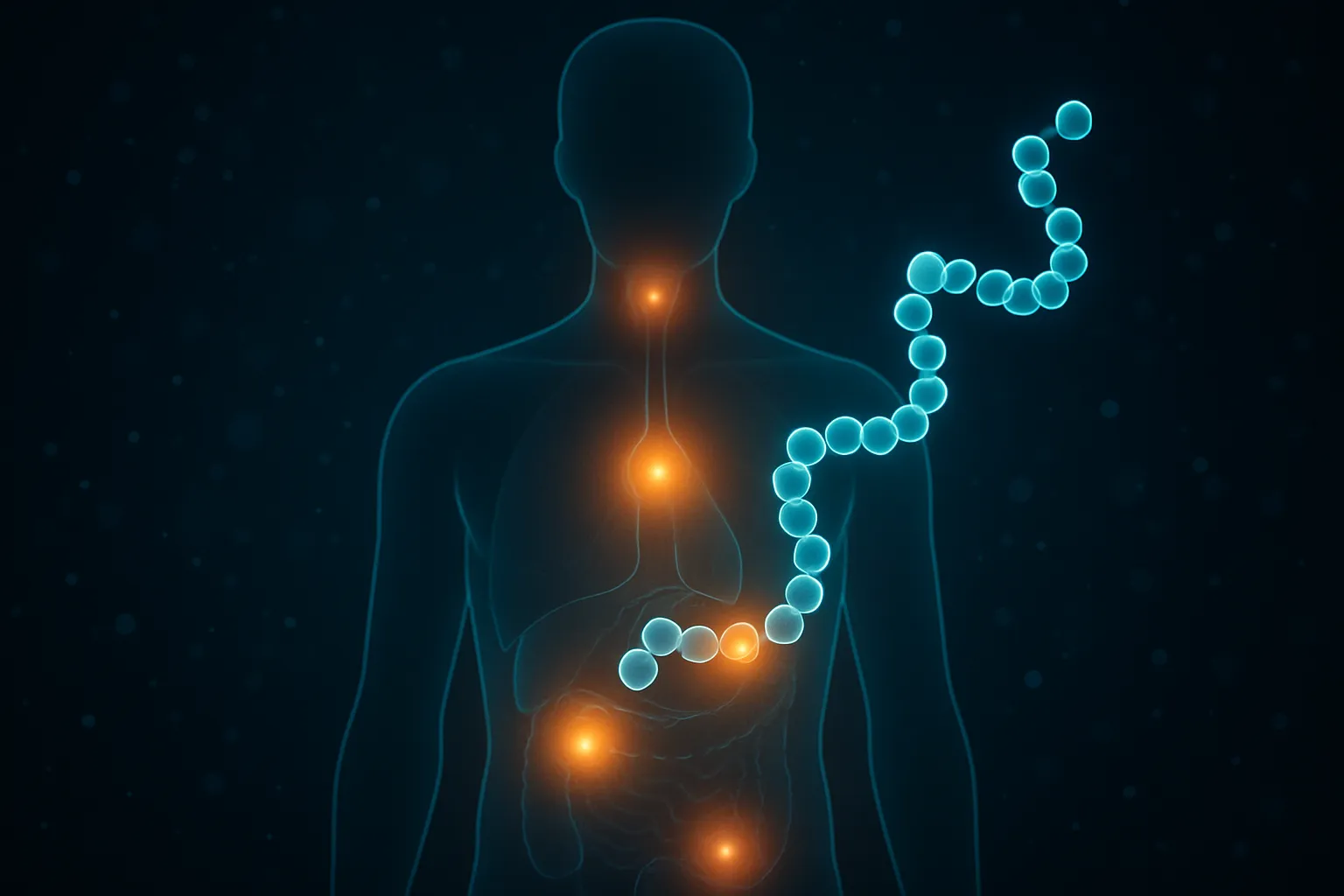
KPV — Lys-Pro-Val, the C-terminal tripeptide of α-MSH — has the anti-inflammatory activity of its parent peptide without the melanocortin-receptor effects (Dalmasso et al., PMID 18061177). Its mechanism is PepT1-mediated cellular uptake followed by NF-κB and MAP-kinase suppression. Animal colitis trials report robust efficacy and clean safety; no human clinical trial has been published.
Research-context information only. KPV is a research peptide. Protocols, doses, and reactions reported below come from published research and self-reported community sources. This article reports what has been documented, not what should be done. Consult a licensed physician for personal medical decisions.
Preclinical Research Findings
The published KPV dataset focuses on inflammation models:
Animal colitis models (DSS- and TNBS-induced) reported clean safety at the studied oral and IP doses (PMID 18061177).
Cellular work demonstrated anti-inflammatory activity at nanomolar concentrations without cytotoxicity in human intestinal epithelial cells and T cells.
Mechanism work established PepT1-mediated uptake as the route into cells, distinct from the melanocortin-receptor pathway of α-MSH itself.
No human trial dataset exists. All human safety information comes from self-reported community sources for research-peptide use.
Note on labeling: the events below come from r/peptides, r/PeptideTherapy, and inflammation-focused community forums for KPV use (oral, subcutaneous, intranasal).
Injection-site reactions
The most consistent community feedback for subcutaneous use. Mild redness or itching at the injection site, typically lasting under 24 hours.
Mild GI changes
Self-reported community timelines describe occasional appetite shifts or loose stool in the first 1-2 weeks, more commonly with oral administration. The pattern fades by week 3 in nearly all reports.
Brief lethargy in the first 1-3 doses
Community reports cluster around mild lethargy or "muted" feel during the first 1-3 doses. The pattern resolves quickly.
Nasal irritation (intranasal route)
Community sources for intranasal use commonly describe mild nasal stinging or dryness, particularly with high-concentration solutions.
Transient mood lift during use, particularly when combined with anti-inflammatory peptide stacks like KLOW.
Dose-Response Patterns
Animal trials tested KPV at micromolar concentrations in cell work and oral doses ranging widely in colitis models. Community-reported research-peptide doses cluster around 200-500 mcg per dose subcutaneously, daily, or 1-2 mg/day orally. Self-reported community sources describe injection-site reactions and GI changes scaling modestly with daily dose.
Bac Water Made for Peptides50% off
Don't risk a $300 peptide on generic bac water.
Most cloudy reconstitutions trace back to one thing — and it isn't the peptide. Sterile, non-pyrogenic, 0.9% benzyl alcohol — formulated for peptide reconstitution, not repackaged from generic stock.
✓ 0.9% benzyl alcohol✓ Made for peptides✓ 30 mL multi-dose
There is no published guideline for human KPV cycling. Community sources commonly describe cycles of 4-8 weeks on, 2 weeks off, citing the desire to assess off-cycle inflammatory baseline.
Permanent discontinuation is uncommon in community reports. The most-cited triggers: completing a cycle, persistent injection-site reactions, or transitioning to another anti-inflammatory peptide.
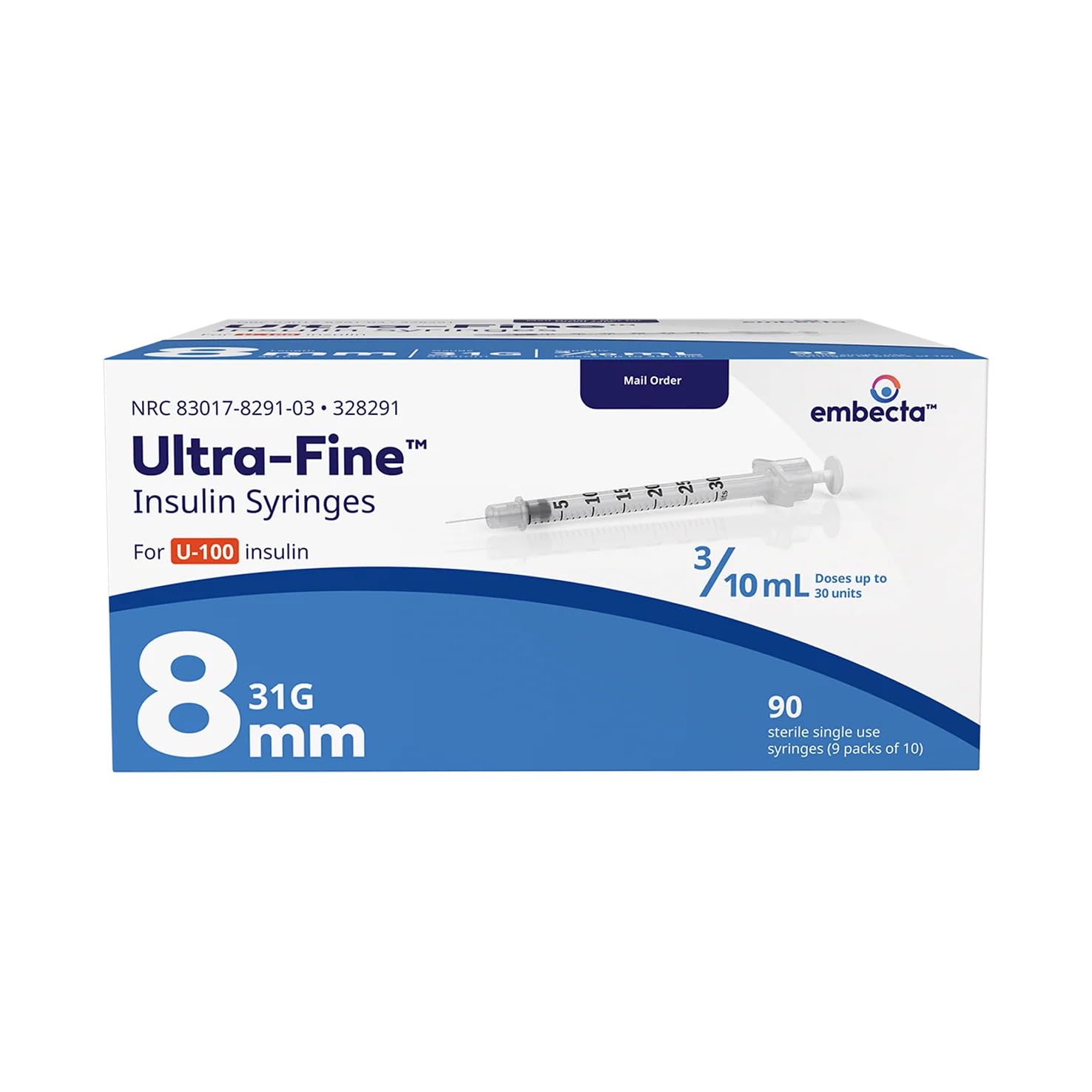
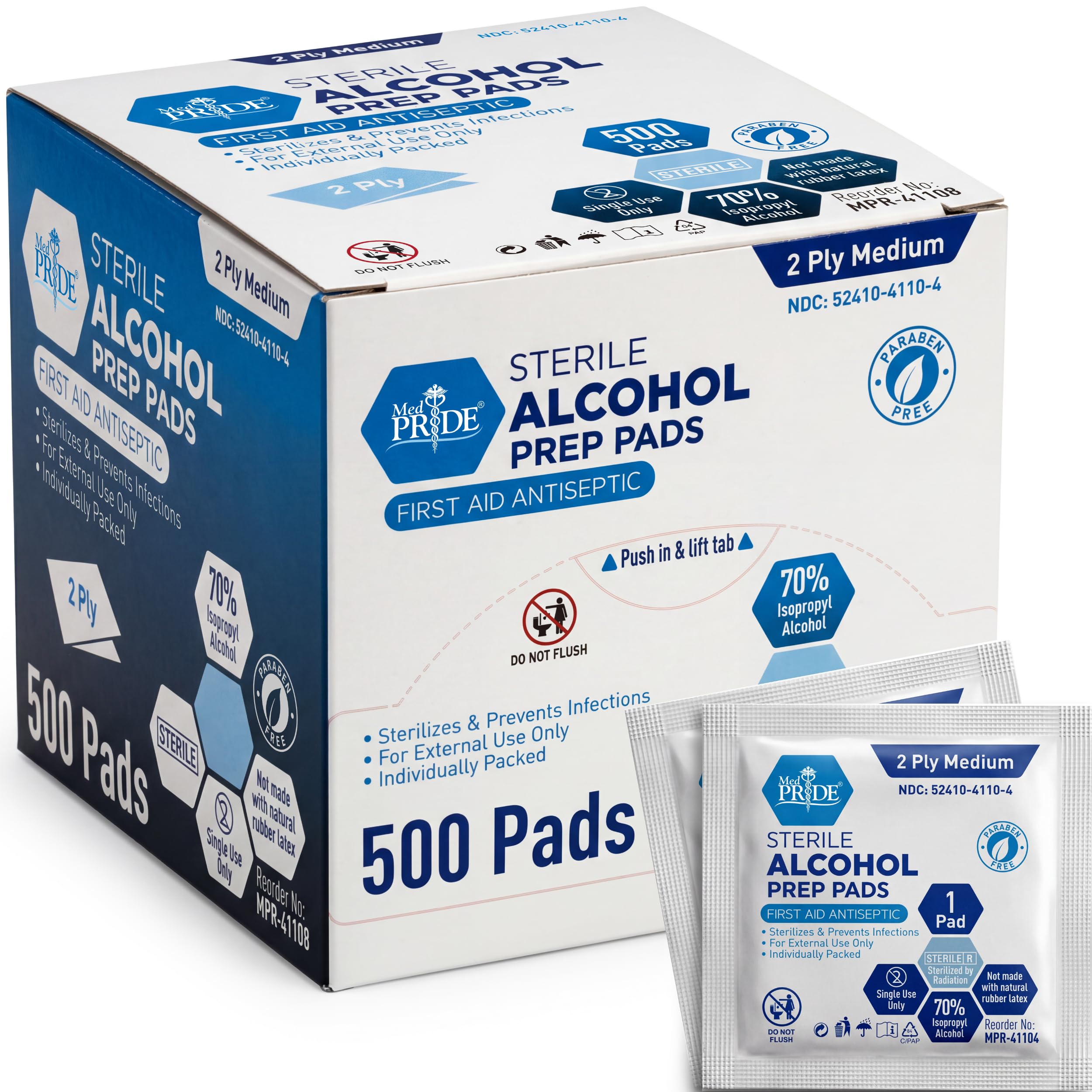
Core Supplies for This Protocol
The essentials for running any reconstituted injectable: cold storage, accurate syringes, alcohol prep pads, and metabolic tracking.
Animal colitis models reported no toxicity at oral and IP doses studied (Dalmasso et al., PMID 18061177). Self-reported community data clusters around mild injection-site reactions and occasional brief GI changes. No human trial dataset exists at the time of writing.
Has KPV been tested in humans?
No published human trial of KPV has been completed at the time of writing. The molecule is the C-terminal tripeptide of α-MSH; its anti-inflammatory mechanism (PepT1-mediated, NF-κB suppression) is well-characterized in animal and cell models. Community use is informed by preclinical data plus self-reports.
Does KPV cause pigmentation changes?
No. Unlike full-length α-MSH and the melanotan peptides, KPV does not activate melanocortin receptors. Pigmentary effects are not described in published research or in community sources.
Can KPV be used orally or intranasally?
Animal colitis trials used oral and IP administration. The PepT1 transporter (which mediates KPV uptake) is expressed in the small intestine, enabling oral bioavailability. Community sources describe oral, subcutaneous, and intranasal use; only oral has formal animal-trial validation.
When do community sources describe stopping KPV?
Community reports describe pausing when injection-site reactions persist beyond two weeks, when GI changes don't resolve in 1-2 weeks, or after completing a typical 4-8 week cycle for inflammation-targeted use.
For educational and research purposes only. This is not medical advice. KPV is not FDA-approved for any indication. Consult a healthcare provider before use.