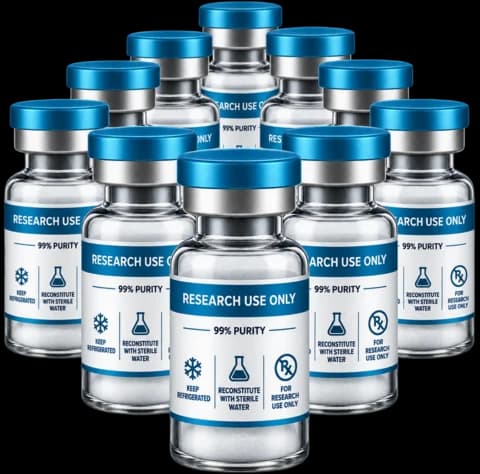
KPV
An anti-inflammatory peptide for gut health and skin conditions. KPV is a tripeptide (Lys-Pro-Val) derived from alpha-melanocyte-stimulating hormone (α-MSH). It possesses potent anti-inflammatory and antimicrobial properties without the pigmentation effects of its parent molecule. Research focuses on inflammatory bowel disease, skin conditions, wound healing, and gut health. It reduces pro-inflammatory cytokines and modulates immune responses.
Compare Prices🧬Key Characteristics
- Type: Tripeptide(3 amino acids (K-P-V))
- Derived From: α-MSH(C-terminal fragment)
- Target: NF-κB pathway(Anti-inflammatory)
- Routes: Oral / Injectable(Gut or systemic)
Overview
Core Benefits
Key AdvantagesThese are educational summaries of commonly discussed effects in wellness/regenerative contexts, not guarantees.
KPV Results Timeline
ProgressionTimeline is illustrative and non-guaranteed. Outcomes vary and are commonly discussed alongside training, nutrition, sleep, and cycling practices.
How It Works
Anti-Inflammatory Peptide — Alpha-MSH FragmentTarget → NF-κB Inhibition → Anti-Inflammation → Outcomes
MC1R (Immune Cells) + NF-kB Pathway
KPV is a tripeptide (Lys-Pro-Val) derived from the C-terminal of alpha-MSH. It activates MC1R on immune cells and directly inhibits the NF-kB inflammatory pathway. Unlike full alpha-MSH or Melanotan peptides, KPV does NOT cause skin pigmentation.
NF-kB Inhibition → Reduced Inflammatory Cytokines
KPV enters cells and directly inhibits NF-kB nuclear translocation — blocking the master switch of inflammation. This reduces production of TNF-alpha, IL-6, IL-1beta, and other inflammatory cytokines. Also modulates T-cell and macrophage activity.
Broad Anti-Inflammation + Gut Healing
Potent anti-inflammatory effects across multiple tissue types. Research particularly focuses on gut inflammation (IBD, colitis), skin inflammation, and wound healing. The oral form may provide direct gut-local effects for GI conditions.
Reduced Inflammation → Gut Comfort → Skin Improvement
Reduced inflammatory symptoms over days to weeks. Gut comfort improvements for those with GI inflammation. Skin inflammation improvements for relevant conditions. No tanning or pigmentation effects despite being derived from alpha-MSH.
What Makes This Peptide Different
KPV is unique as a pure anti-inflammatory without pigmentation effects. Despite being derived from alpha-MSH (the tanning hormone), this 3-amino-acid fragment retains only the anti-inflammatory properties. The oral route is particularly interesting for gut-targeted inflammation — the peptide survives digestion and acts locally on intestinal tissue.
Dosing Protocol
Immunity / Anti-InflammatoryEducational reference only. Individual responses vary. Consult healthcare provider before use.
Why This Dosing Protocol
Why oral option for gut? For GI inflammation (IBD, colitis), oral KPV delivers the peptide directly to intestinal tissue. The lower systemic bioavailability is actually an advantage — high local concentration where needed.
Why AM/PM split? Maintaining consistent anti-inflammatory levels throughout the day, particularly for chronic inflammatory conditions.
Diagrams
Hover for preview • Click to open full sizeKPV Pricing
We surface in-stock offers first and normalize by price per mg for quick comparisons.
5 mg / vial
In-stock offers10 mg / vial
In-stock offersOut of stock (2)
Looking for medical guidance?
Join the waitlist for doctor-guided peptide plans. We'll notify you when telehealth consultations are available in your state.
Reconstitution calculator
Dilution math and unit conversions. Prefilled using a common vial size for this peptide.
Open calculatorEducational Videos
How to Reconstitute Peptides
Handling
Educational overview on storage, labeling, and traceability considerations for lab environments. Consult primary literature and vendor documentation for specifics.
- Freezer (-20°C): 1+ year ✓
- Refrigerator (2-8°C): 1-3 months ✓
- Room temperature: 2-3 weeks (emergency only)
- MUST refrigerate at 2-8°C
- 4-week maximum shelf life
- NEVER freeze after reconstitution
- Use bacteriostatic water for multi-dose
Storage & Handling Guide
Learn proper storage temperatures, shelf life timelines, reconstitution best practices, and travel tips for lyophilized and reconstituted peptides.
FAQ
What is KPV?
KPV is a tripeptide (Lysine-Proline-Valine) derived from the C-terminus of alpha-melanocyte-stimulating hormone (α-MSH). It retains the potent anti-inflammatory and antimicrobial properties of α-MSH but without causing skin pigmentation changes. It's primarily researched for inflammatory conditions, gut health, and wound healing.
How does KPV reduce inflammation?
KPV inhibits NF-κB activation, a master regulator of inflammation. This reduces production of pro-inflammatory cytokines like IL-1β, IL-6, and TNF-α. It also decreases nitric oxide production and modulates immune cell activity. These mechanisms make it effective against various inflammatory conditions without immunosuppression.
What is KPV used for?
Research focuses on inflammatory bowel disease (IBD, Crohn's, ulcerative colitis), skin conditions (psoriasis, eczema, acne), wound healing, and general gut health. It's also studied for its antimicrobial properties against various pathogens. Many users report benefits for digestive issues and skin inflammation.
Can KPV be taken orally?
Yes, KPV is available as both injectable and oral formulations. Oral capsules may have lower systemic bioavailability but can provide direct effects on the gut lining, making them popular for IBD and digestive issues. Injectable KPV provides higher systemic levels for conditions affecting skin or other tissues.
Does KPV cause skin tanning like Melanotan?
No. Unlike its parent molecule α-MSH (and related peptides like Melanotan), KPV does not activate melanocortin-1 receptors responsible for pigmentation. The tripeptide fragment specifically retains anti-inflammatory activity while losing the tanning effect. This makes it suitable for those who want immune/anti-inflammatory benefits without skin color changes.
What are the side effects of KPV?
KPV is generally well-tolerated with minimal reported side effects. Possible effects include mild injection site reactions (if injectable), temporary digestive changes when starting oral KPV, and rarely mild headache. It has a good safety profile in research, though long-term human studies are limited.
How long does reconstituted peptide last?
Once mixed with bacteriostatic water, peptides remain stable for up to 4 weeks when refrigerated at 2-8°C (36-46°F). Unopened powder can last 1+ year in the freezer. Get our complete Storage & Travel Guide.
Is this peptide legal to purchase?
Peptides sold "for research purposes only" are legal to purchase in the US, but are not FDA-approved for human use outside of specific medical applications. Always consult a healthcare provider before use.
New to peptides?
Take our Peptide Match tool to find the best peptide for your goals. You can also read our Complete Guide to Peptides to learn the basics.
Scientific Sources
The following peer-reviewed studies and official resources provide additional scientific context for this peptide:
Disclosure: we may earn affiliate commission from qualifying purchases. Educational information only — not medical advice.

