guidesFebruary 18, 2026The Peptide Catalog

LL-37 Dosing Guide: Protocols & Timing Chart (2026)

LL-37 dosing protocols from 125–200 mcg daily. Reconstitution math, cycling schedule, stacking with Thymosin Alpha-1, and side effects.

LL-37 Dosing Guide

LL-37 is the only human cathelicidin antimicrobial peptide — a 37-amino-acid peptide cleaved from the precursor protein hCAP18. It plays a central role in innate immune defense, with broad-spectrum antimicrobial activity and potent immune-modulating properties.

No human clinical trials exist for injectable LL-37. All dosing protocols below are community-developed and based on extrapolation from in vitro, animal, and observational research. This is not medical advice.

Quick Reference: Community Dosing

ParameterProtocol
Dose125 mcg daily (subcutaneous)
RouteSubcutaneous injection
FrequencyDaily
Cycle~50 days on, 4 weeks off
Vial5 mg
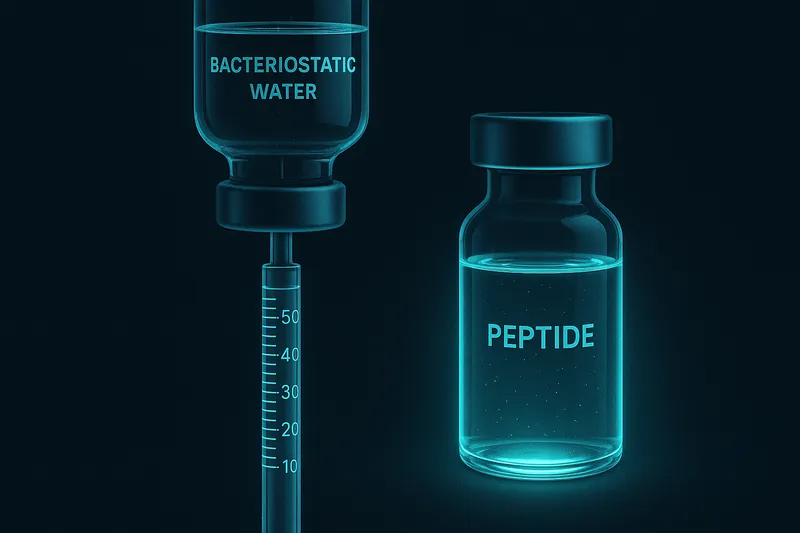
Reconstitution2 mL bacteriostatic water
TimingAM (morning)
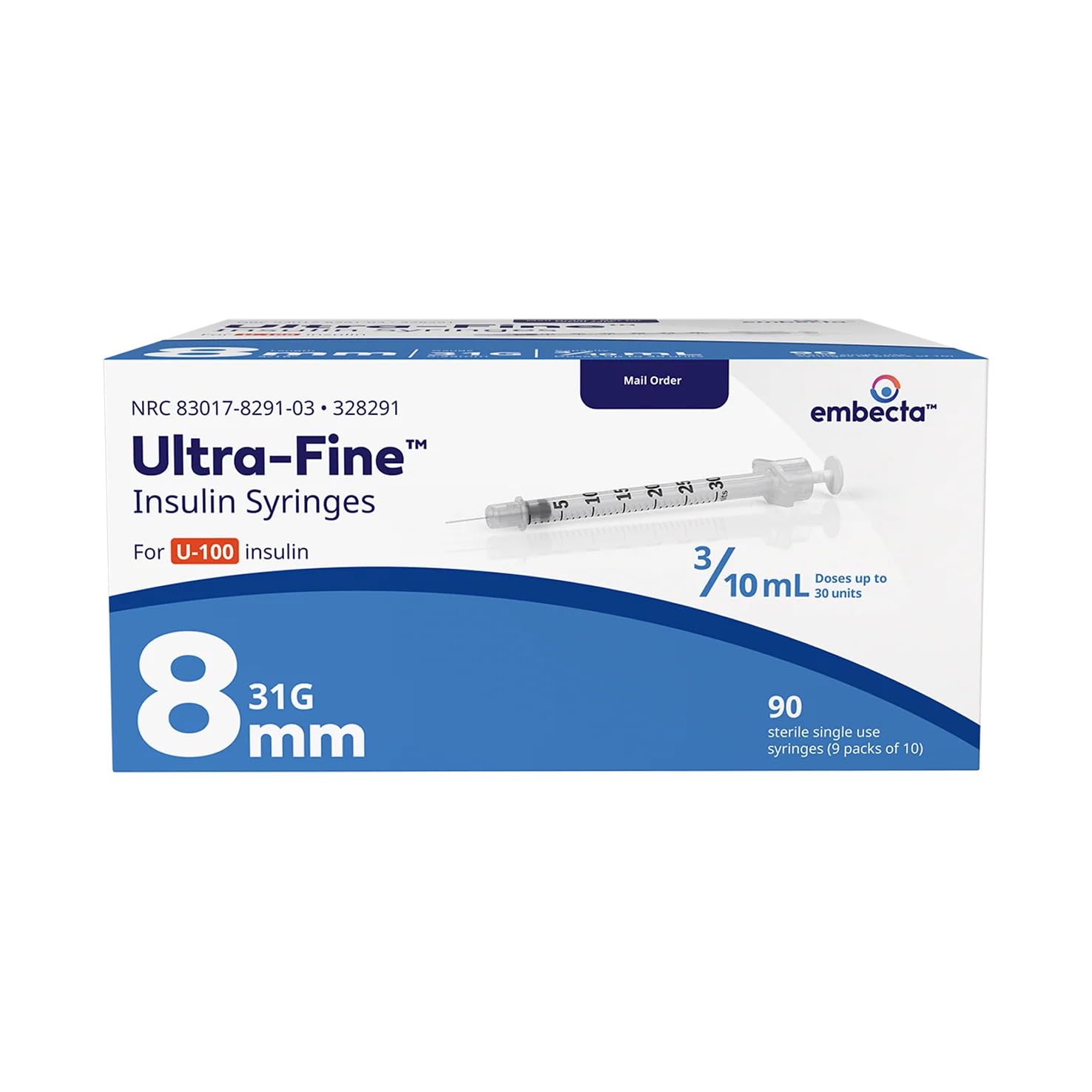
Syringe Units5 units on a 1 mL insulin syringe

For the full LL-37 peptide profile, vendor pricing, and overview, see our LL-37 peptide page. For a deep dive on benefits, see our LL-37 benefits guide.

Loading vs Maintenance

LL-37 community protocols don't typically use a distinct loading phase. Instead, most run a continuous daily protocol:

Standard protocol (Weeks 1–7): 125 mcg subcutaneous daily, morning injection. This is the most widely reported community dose, aligning with the standard 5 mg vial yielding 40 doses at 125 mcg each.

Extended protocol: Some community members report using 200 mcg daily for 6–8 weeks based on the International Peptide Society's published guidelines, which reference this higher dose range (IPS Peptide Handbook, p. 72).

Washout period: 4 weeks off after each cycle. This allows the immune system to return to baseline and prevents potential desensitization of immune pathways.

Acute vs Maintenance Use

Community protocols generally fall into two patterns:

Timing Considerations

🧪

Ready to Buy? Compare Prices

Best current prices from verified vendors with COA testing.

LL-37

Particle Peptides · 5mg · $13.01/mgCOA ✓

$65.03
Thymosin Alpha-1

Ascension Peptides · 10mg · $5.50/mgCOA ✓

$55.00
KPV

EZ Peptides · 10mg · $3.80/mgCOA ✓

$38.00
💰

The Peptide Brief

Weekly price drops, new research, and vendor deals — straight to your inbox.

No spam. Unsubscribe anytime.

Where These Numbers Come From: Clinical Context

LL-37 dosing is entirely community-derived. Here's the research context that informs these protocols:

In Vitro Antimicrobial Data

LL-37 demonstrates antimicrobial activity at concentrations as low as 1–16 μg/mL against a broad range of pathogens in laboratory settings. The peptide disrupts bacterial membranes through electrostatic interactions with negatively charged lipid bilayers (Dürr et al., 2006).

Natural Human Levels

LL-37 is naturally present in human tissues and fluids:

The observation that LL-37 expression is directly regulated by Vitamin D through the Vitamin D Response Element (VDRE) in the cathelicidin gene promoter has been a key finding (Wang et al., 2004).

Animal Model Data

In vivo animal studies have used LL-37 at various doses:

How Community Doses Emerged

The 125 mcg daily subcutaneous dose appears to be a conservative starting point extrapolated from:

  1. In vitro effective concentrations — Scaled to estimated tissue distribution
  2. Natural production rates — Attempting to supplement endogenous levels
  3. Practical vial math — A 5 mg vial reconstituted in 2 mL provides exactly 40 daily doses at 125 mcg
  4. Community tolerance reports — Doses up to 400 mcg have been reported without significant adverse effects

The critical gap: No pharmacokinetic studies exist for subcutaneous LL-37 injection in humans. Bioavailability, half-life, and tissue distribution after SC injection are unknown.

How LL-37 Works (Condensed for Dosing Context)

Understanding the mechanism helps explain the dosing rationale:

Membrane disruption — LL-37 is an amphipathic alpha-helical peptide. It inserts into bacterial membranes via electrostatic attraction to negatively charged lipids, forming pores and causing cell lysis. Human cell membranes (neutral charge) are largely spared (Vandamme et al., 2012).

Biofilm penetration — LL-37 can disrupt established bacterial biofilms, a property that sets it apart from most conventional antibiotics. It reduces biofilm formation by up to 50–80% in vitro against S. aureus and P. aeruginosa (Overhage et al., 2008).

Immune modulation — Beyond direct killing, LL-37 acts as a chemokine, recruiting monocytes, neutrophils, and T-cells to sites of infection. It modulates TLR signaling and can both promote and resolve inflammation depending on context (Kahlenberg & Kaplan, 2013).

Wound healing — LL-37 promotes angiogenesis, stimulates keratinocyte migration, and accelerates re-epithelialization through FPRL1/FPR2 receptor activation (Koczulla et al., 2003).

Reconstitution Math

LL-37 Reconstitution

Standard Reconstitution (5 mg vial + 2 mL BAC water)

CalculationValue
Concentration5,000 mcg ÷ 2 mL = 2,500 mcg/mL
125 mcg dose125 ÷ 2,500 = 0.05 mL = 5 units on insulin syringe
200 mcg dose200 ÷ 2,500 = 0.08 mL = 8 units on insulin syringe
Doses per vial (125 mcg)5,000 ÷ 125 = 40 doses
Doses per vial (200 mcg)5,000 ÷ 200 = 25 doses
Days per vial (125 mcg daily)40 days

Step-by-Step Reconstitution

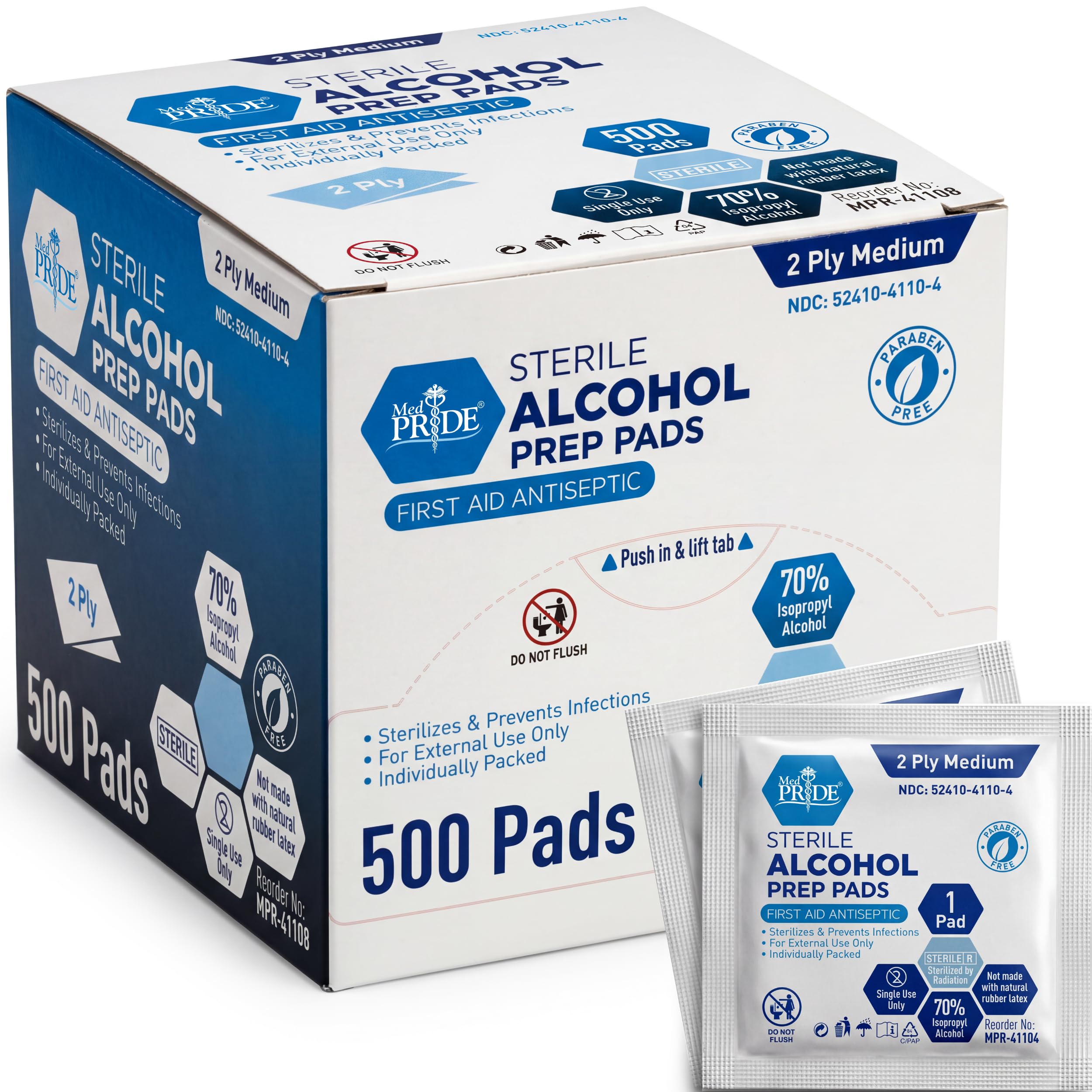
  1. Gather supplies: 5 mg LL-37 vial, 2 mL bacteriostatic water, alcohol swabs, insulin syringe
  2. Clean vial tops with alcohol swabs
  3. Draw 2 mL of bacteriostatic water into a syringe
  4. Inject slowly into the LL-37 vial, aiming the stream at the glass wall (not directly on the powder)
  5. Swirl gently — do NOT shake. LL-37 is a delicate peptide
  6. Wait until fully dissolved (should be clear solution)
  7. Refrigerate immediately — store at 2–8°C, use within 28 days
  8. Do not freeze reconstituted solution

Vial Duration Planning

At the standard 125 mcg daily dose, one 5 mg vial lasts 40 days. For a full ~50-day cycle, you'll need approximately 1.25 vials. Most community members purchase 2 vials per cycle.

Stacking LL-37

LL-37 Immune Stacking

LL-37 pairs well with other immune-modulating peptides for comprehensive immune support protocols:

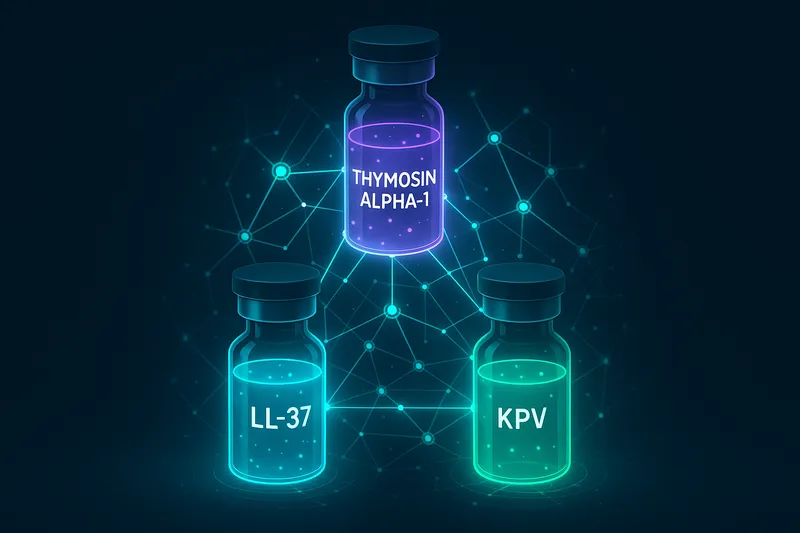
LL-37 + Thymosin Alpha-1 (Comprehensive Immune Stack)

The most popular immune peptide combination — different but complementary mechanisms:

PeptideDoseTimingFrequency
LL-37125 mcg SCAMDaily
Thymosin Alpha-11.5 mg SCAM5 days on, 2 off

This stack covers both innate (LL-37) and adaptive (TA1) immune arms. Thymosin Alpha-1 is FDA-approved in 35+ countries, giving it a stronger evidence base.

LL-37 + KPV (Antimicrobial + Anti-Inflammatory)

For situations involving both infection and inflammation:

PeptideDoseTimingFrequency
LL-37125 mcg SCAMDaily
KPV500 mcg SCAM5 days on, 2 off

LL-37 + BPC-157 (Immune + Healing)

For immune support during tissue recovery:

Vitamin D3 Synergy

Virtually all community LL-37 protocols emphasize Vitamin D3 co-supplementation:

Stacking Considerations

Side Effects & Safety

Community-Reported Side Effects

Common (mild):

Uncommon:

Not reported but theoretically possible:

Important Safety Considerations

When to Discontinue

Stop use and consult a healthcare provider if you experience:

Frequently Asked Questions

What is the standard LL-37 dose?

The most common community protocol is 125 mcg subcutaneous daily in the morning, run for approximately 50 days followed by 4 weeks off. Some protocols reference 200 mcg daily for 6–8 weeks based on professional society guidelines.

How long should an LL-37 cycle last?

Most protocols run 4–8 weeks continuously (~50 days is common for using one vial at 125 mcg/day with a second vial to finish the cycle). This is followed by a 4-week washout. Cycling is important given the lack of long-term safety data.

How do I reconstitute LL-37?

Add 2 mL bacteriostatic water to a 5 mg vial (2,500 mcg/mL). A 125 mcg dose is 5 units on an insulin syringe. Swirl gently, refrigerate, use within 28 days.

Can I stack LL-37 with Thymosin Alpha-1?

Yes — this is the most popular immune peptide stack. LL-37 provides direct antimicrobial and innate immune support; Thymosin Alpha-1 enhances adaptive immunity through T-cell maturation. They work through non-overlapping pathways.

Should I take Vitamin D with LL-37?

Community consensus strongly favors Vitamin D3 co-supplementation. Vitamin D directly regulates natural LL-37 expression through a vitamin D response element in the cathelicidin gene. Many protocols include 5,000–10,000 IU D3 daily.

What time of day should I inject LL-37?

Morning (AM) is the most common community timing, aligning with natural immune circadian rhythms. Consistency matters more than exact timing.

Is LL-37 effective against biofilms?

In vitro research demonstrates significant anti-biofilm activity against S. aureus, P. aeruginosa, and other organisms. This is a major research interest, as biofilms are resistant to conventional antibiotics. However, it's unknown whether SC injection achieves tissue concentrations sufficient for biofilm disruption.

What are the side effects of LL-37?

Mild injection site reactions are the most commonly reported side effect. Some users report transient flu-like symptoms in the first few days. Individuals with psoriasis or rosacea should be cautious, as elevated LL-37 is implicated in these conditions.

Related Guides

References

CitationTopicPMID
Dürr et al., Biochimica et Biophysica Acta (2006)LL-37 structure and antimicrobial mechanism16545108
Wang et al., Journal of Immunology (2004)Vitamin D regulation of cathelicidin expression15199079
Overhage et al., Infection and Immunity (2008)LL-37 anti-biofilm activity against P. aeruginosa18227183
Kahlenberg & Kaplan, Journal of Immunology (2013)LL-37 in inflammation and autoimmune disease24266364
Koczulla et al., Journal of Clinical Investigation (2003)LL-37 angiogenesis and wound healing via FPRL112594515
Liu et al., Science (2006)Vitamin D-mediated LL-37 induction in innate immunity16497887
Morizane & Gallo, Journal of Dermatological Science (2012)LL-37 in psoriasis and skin inflammation22364738
Vandamme et al., Cellular Immunology (2012)Cathelicidin antimicrobial peptide review22585065

For educational and research purposes only. This is not medical advice. No human clinical trials exist for injectable LL-37. All protocols are community-developed and based on preclinical research.