guidesFebruary 24, 2026The Peptide Catalog

Thymosin Alpha-1 Dosing Guide: Protocols (2026)

Thymosin alpha-1 dosing guide with injection protocols, immune modulation research, clinical data, and LL-37 stacking.

Thymosin Alpha-1 Dosing Guide

Thymosin alpha-1 (Tα1) is a 28-amino acid peptide originally isolated from thymic tissue as the compound responsible for restoring immune function. Its synthetic form, thymalfasin (Zadaxin®), is approved in over 30 countries and has been studied in more than 11,000 human subjects across clinical trials.

One of the most clinically studied immune peptides: Thymosin alpha-1 has extensive human trial data for hepatitis, cancer immunotherapy, and sepsis. It is not FDA-approved in the US but has broad international approval. This is not medical advice.

Quick Reference: Dosing

ParameterClinical ProtocolCommunity Protocol
RouteSubcutaneousSubcutaneous
Dose1.6 mg1.6–3.2 mg
FrequencyTwice weekly2x/week (maintenance) to daily (acute)
Cycle6–12 months (clinical)4–12 weeks
TimingAny consistent timeMorning preferred
ReconstitutionPre-filled (Zadaxin)1 mL BAC water per 5 mg vial

Clinical standard: 1.6 mg subcutaneous twice weekly — the dose used across most clinical trials. Community acute protocol: 1.6 mg daily for 1–2 weeks during active infection, then transition to twice weekly.

For complementary immune peptides, see our LL-37 Dosing Guide and Thymulin Dosing Guide.

Loading vs Maintenance

Thymosin alpha-1 protocols vary based on the clinical context:

Acute immune support (Community):

Chronic immune support (Clinical model):

Seasonal/preventive (Community):

Timing Considerations

Routes of Administration

Thymosin Alpha-1 Injection Routes

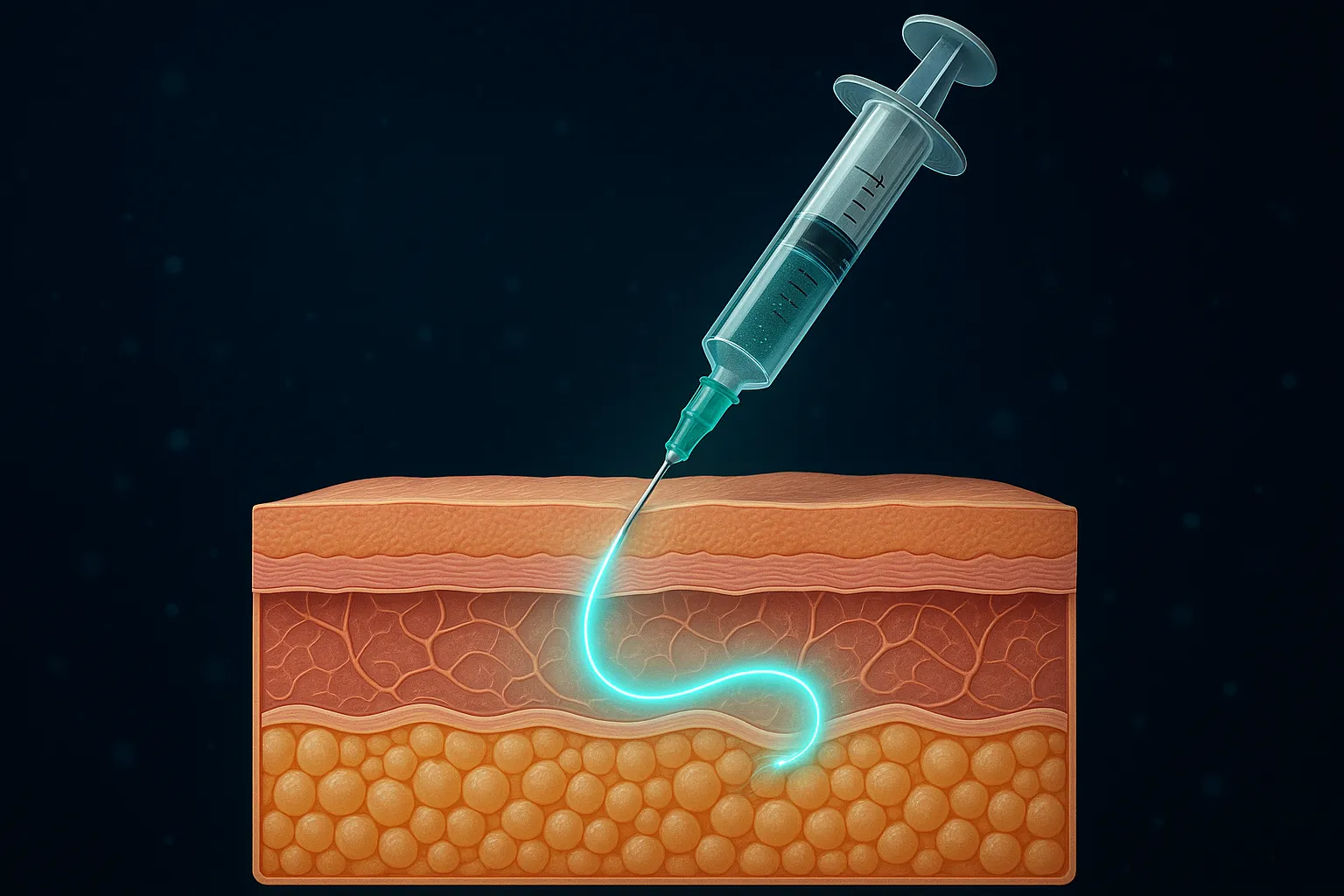
Subcutaneous Injection (Standard and Only Route)

All clinical data is based on subcutaneous administration:

Reconstitution Guide

Vial SizeBAC WaterConcentration1.6 mg Dose3.2 mg Dose
5 mg1 mL5 mg/mL32 units64 units
3 mg1 mL3 mg/mL~53 unitsFull vial + extra
5 mg2 mL2.5 mg/mL64 unitsFull vial (approx)
🧪

Ready to Buy? Compare Prices

Best current prices from verified vendors with COA testing.

LL-37

Particle Peptides · 5mg · $13.01/mgCOA ✓

$65.03
BPC-157

EZ Peptides · 10mg · $3.50/mgCOA ✓

$35.00
Thymulin

Limitless Biotech · 10mg · $2.00/mgCOA ✓

$19.99
💰

The Peptide Brief

Weekly price drops, new research, and vendor deals — straight to your inbox.

No spam. Unsubscribe anytime.

Where These Numbers Come From: Clinical Context

Thymosin alpha-1 has one of the strongest clinical evidence bases of any peptide in the research community.

Immune Modulation Research

Thymosin alpha-1 has a pleiotropic mechanism affecting multiple immune cell subsets, including T-cells, NK cells, dendritic cells, and macrophages. A comprehensive review confirmed its role in restoring immune function across diverse clinical settings (Tuthill et al., 2016).

Hepatitis B Trials

Thymalfasin was extensively studied for chronic hepatitis B at 1.6 mg twice weekly for 6–12 months, showing improved virological response rates and enhanced vaccine responsiveness in immunocompromised patients.

Sepsis Clinical Data

A large Phase III trial (TESTS) evaluated thymosin alpha-1 at 1.6 mg twice daily for 5 days then twice weekly in sepsis patients, providing significant data on immune modulation in critical illness (Li et al., 2025).

An earlier meta-analysis of thymosin alpha-1 for sepsis showed trends toward reduced mortality from multiple organ failure, supporting its immune-supportive role in critical care (Li et al., 2015).

Comprehensive Safety Review

A narrative review covering over 11,000 human subjects across 30+ trials confirmed thymosin alpha-1's excellent safety profile with no dose-limiting toxicities identified (Dinetz et al., 2024).

Broad Literature Review

Dominari et al. (2020) provided a comprehensive review of thymosin alpha-1's immunomodulatory properties, clinical applications in viral infections, cancer, and vaccine enhancement, confirming its status as one of the most studied immune peptides (Dominari et al., 2020).

Mechanism of Action

Thymosin Alpha-1 Mechanism of Action

Thymosin alpha-1 works through multiple immune pathways simultaneously:

Dendritic cell maturation — Tα1 promotes maturation and differentiation of dendritic cells, the professional antigen-presenting cells that bridge innate and adaptive immunity. This enhances the immune system's ability to recognize and respond to pathogens and tumors (Tuthill et al., 2016).

T-cell activation and differentiation — Enhances CD4+ and CD8+ T-cell function, promotes Th1-type immune responses, and increases T-cell receptor diversity. Particularly beneficial in immunocompromised states.

NK cell enhancement — Increases natural killer cell activity and cytotoxicity, strengthening innate immune surveillance against viral-infected and transformed cells.

Toll-like receptor signaling — Tα1 signals through TLR-9 and TLR-2 pathways, activating innate immune recognition cascades. This makes it an effective immune adjuvant when combined with vaccines.

Immune balance (not just stimulation) — Critically, Tα1 modulates rather than simply stimulates the immune system. It can enhance under-active immune responses while also supporting regulatory T-cell function to prevent excessive inflammation (Dominari et al., 2020).

Vaccine adjuvant activity — Enhances antibody responses to vaccines, particularly in immunocompromised individuals such as elderly, HIV-positive, or dialysis patients who typically show poor vaccine responses.

Side Effects & Safety

Thymosin alpha-1 has an exceptional safety record across thousands of clinical trial subjects:

Side Effects (From Clinical Trials)

Safety Profile Highlights

Theoretical Considerations

Stacking Thymosin Alpha-1

Thymosin alpha-1's immune-modulating properties make it complementary to several peptides:

Thymosin Alpha-1 + LL-37 (Immune Defense Stack)

The premier immune support combination:

PeptideRouteDoseTiming
Thymosin alpha-1SC1.6 mg2x/week (Mon/Thu)
LL-37SC50–100 mcgDaily or 3x/week

Thymosin Alpha-1 + BPC-157

Immune support with tissue healing:

Thymosin Alpha-1 + Thymulin

Dual thymic peptide approach:

Thymosin Alpha-1 + GHK-Cu

Immune + anti-aging combination:

Stacking Considerations

Frequently Asked Questions

What is the standard thymosin alpha-1 dose?

1.6 mg subcutaneous twice weekly — the dose validated across most clinical trials. Community acute protocols may use daily dosing for 1–2 weeks before transitioning to twice weekly.

How long should a thymosin alpha-1 cycle last?

Clinical trials ran 6–12 months for hepatitis. Community immune support protocols typically use 4–12 week courses, with some running ongoing twice-weekly maintenance.

Can thymosin alpha-1 be stacked with LL-37?

Yes — this is the premier immune defense stack. Tα1 handles adaptive immune modulation while LL-37 provides direct antimicrobial activity and innate immune support. They work through completely different mechanisms.

Is thymosin alpha-1 FDA-approved?

Not in the US. However, thymalfasin (Zadaxin®) is approved in 30+ countries for hepatitis B and immune support, with extensive clinical data across 11,000+ trial subjects.

Does thymosin alpha-1 have side effects?

An exceptional safety profile. Mild injection site discomfort is the most common side effect. No dose-limiting toxicities, organ damage, or immune overstimulation across large clinical trials.

How do I reconstitute thymosin alpha-1?

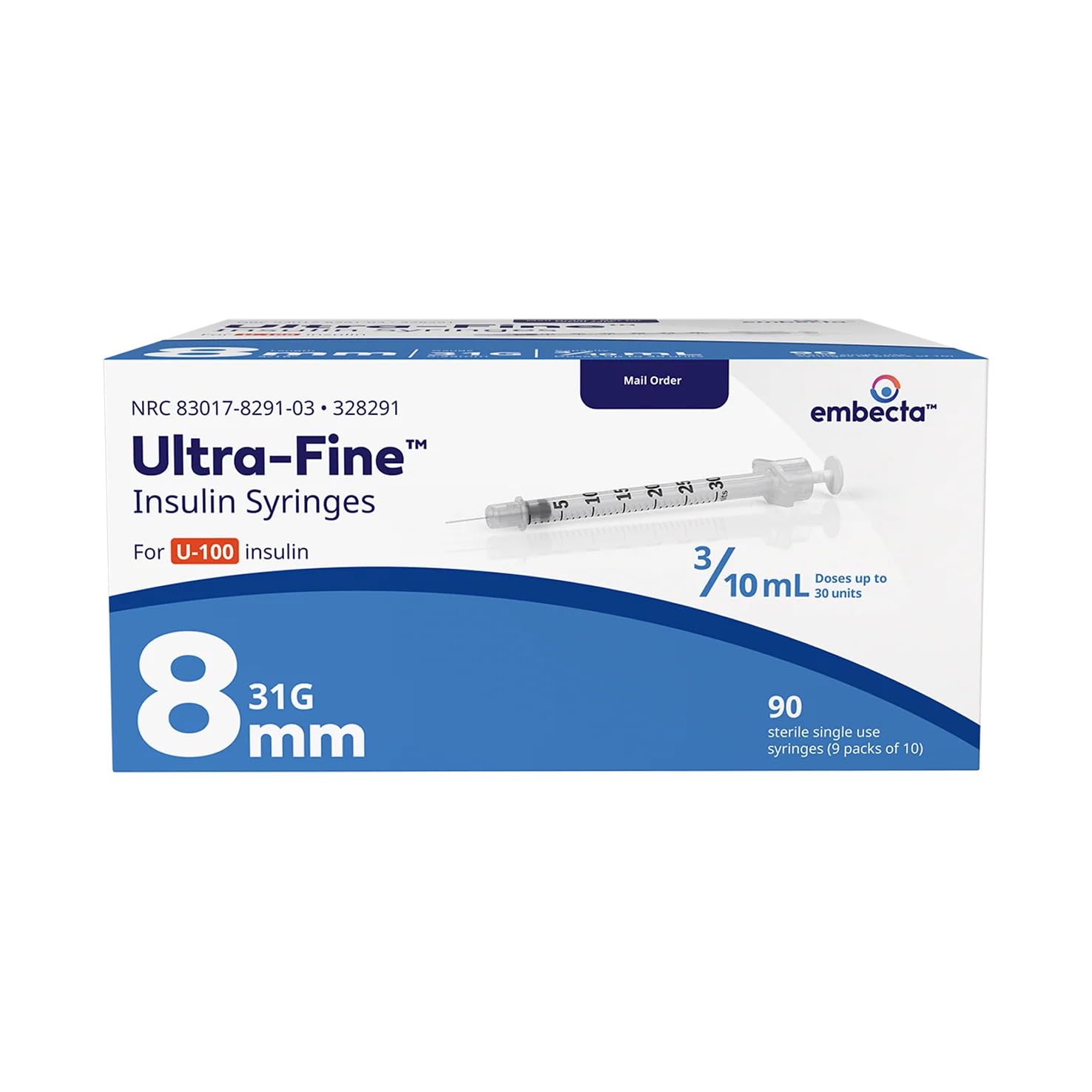
Add 1 mL bacteriostatic water to a 5 mg vial (5 mg/mL). 1.6 mg = approximately 32 units on an insulin syringe. Refrigerate after reconstitution, use within 28 days.

Related Guides

References

CitationTopicPMID
Tuthill et al., Annals of the New York Academy of Sciences (2016)Immune modulation with thymosin alpha-1, mechanism review27450734
Dominari et al., World Journal of Virology (2020)Comprehensive review of Tα1 literature, clinical applications33362999
Li et al., BMJ (2025)TESTS Phase III trial: Tα1 efficacy and safety in sepsis39814420
Li et al., International Journal of Infectious Diseases (2015)Meta-analysis of Tα1 for sepsis, mortality outcomes25532482
Dinetz et al., Alternative Therapies (2024)Safety and efficacy review, 11,000+ subjects across 30+ trials38308608

For educational and research purposes only. This is not medical advice. Thymosin alpha-1 (thymalfasin) is approved in 30+ countries but not FDA-approved in the US. Consult a healthcare provider for immune-related concerns.