Thymulin Dosing Guide: Protocols & Timing Chart (2026)
Thymulin (FTS) dosing guide with research protocols, reconstitution, injection guidance, cycling, and safety.

Thymulin — originally called Facteur Thymique Sérique (FTS) — is a zinc-dependent nonapeptide hormone produced exclusively by thymic epithelial cells. It is the only thymic hormone with a fully characterized chemical structure: a nine-amino-acid peptide (Glu-Ala-Lys-Ser-Gln-Gly-Gly-Ser-Asn) that requires a zinc ion for biological activity (Bach et al., 1989).
Thymulin plays a central role in T-cell differentiation and immune regulation. As thymic function declines with age, circulating thymulin levels drop dramatically — becoming virtually undetectable by age 60 in most individuals. This has driven research interest in exogenous thymulin as a potential tool for immune reconstitution.
No thymulin formulation is FDA-approved. All protocols below are derived from published research and community experience. For the science behind thymulin's mechanism and research applications, see our thymulin benefits and research guide. This is not medical advice.
Quick Reference: Research Protocols
| Parameter | Standard Protocol | Enhanced Protocol |
|---|---|---|
| Dose range | 100–300 mcg SC | 300–500 mcg SC |
| Route | Subcutaneous | Subcutaneous |
| Frequency | Once daily or 5 days/week | Once daily |
| Cycle length | 4–8 weeks | 8–12 weeks |
| Time of day | Morning | Morning |
| Reconstitution | 1–2 mL bac water per 5 mg vial | 1–2 mL bac water per 5 mg vial |
| Storage | Refrigerate, use within 28 days | Refrigerate, use within 28 days |
| Zinc co-administration | 15–30 mg elemental zinc daily | 15–30 mg elemental zinc daily |
For the full thymulin peptide profile, see our thymulin benefits and research guide.
Ready to Buy? Compare Prices
Best current prices from verified vendors with COA testing.
Ascension Peptides · 10mg · $5.50/mgCOA ✓
The Peptide Brief
Weekly price drops, new research, and vendor deals — straight to your inbox.
No spam. Unsubscribe anytime.
The Zinc-Thymulin Relationship: Critical for Dosing
Before discussing specific protocols, understanding thymulin's zinc dependency is essential — it directly impacts dosing strategy.
Thymulin exists in two forms: the inactive apo-thymulin (peptide alone) and the biologically active zinc-thymulin complex (Zn-FTS). Without zinc bound to the molecule, thymulin cannot interact with its receptor on T-cells (Dardenne et al., 1994).
This has a critical practical implication: thymulin administration without adequate zinc status may be ineffective. Research has shown that age-related thymulin decline is not solely due to reduced thymic production — it's partly due to declining zinc availability in the thymic microenvironment (Mocchegiani et al., 1995).
What This Means for Protocol Design
- Always ensure adequate zinc status before and during thymulin administration
- Oral zinc supplementation (15–30 mg/day elemental zinc as zinc picolinate, glycinate, or citrate) is commonly included in thymulin protocols
- Zinc testing (plasma zinc or red blood cell zinc) can confirm baseline status
- Over-supplementing zinc (>50 mg/day long-term) can deplete copper — balance is key

Thymulin Dosing Protocols
Thymulin dosing in the research literature comes primarily from animal studies and limited human observational data. Community protocols have adapted these findings into practical subcutaneous injection regimens.
Standard Immune Support Protocol
| Phase | Dose | Frequency | Duration |
|---|---|---|---|
| Assessment | 100 mcg SC | Once daily (AM) | 5–7 days |
| Standard | 200–300 mcg SC | Once daily or 5x/week | 4–8 weeks |
| Maintenance | 100–200 mcg SC | 3x/week | Ongoing (with breaks) |
Notes:
- Start at 100 mcg to assess individual tolerance
- Morning dosing aligns with the natural circadian rhythm of immune function
- The 5-days-on, 2-days-off schedule mimics clinical peptide protocols and may reduce receptor adaptation
- Some researchers prefer daily dosing for the initial 4 weeks, then dropping to 3x/week for maintenance
Age-Related Immune Decline Protocol
For individuals over 50 specifically targeting age-related thymic involution and immune senescence:
| Phase | Dose | Frequency | Duration |
|---|---|---|---|
| Loading | 300–500 mcg SC | Once daily | 2 weeks |
| Active | 200–300 mcg SC | Once daily | 6–10 weeks |
| Maintenance | 100–200 mcg SC | 3x/week | 4–8 weeks |
| Off cycle | — | — | 4 weeks minimum |
Notes:
- Higher initial loading dose aims to rapidly increase circulating thymulin levels
- Longer active phase reflects the gradual nature of immune reconstitution
- Bloodwork monitoring (lymphocyte subsets, CD4/CD8 ratio) recommended at baseline and every 4 weeks
- Zinc co-supplementation is especially important in older adults, who are frequently zinc-deficient
Immune Recovery Protocol
For post-illness or post-immunosuppressive therapy recovery:
| Phase | Dose | Frequency | Duration |
|---|---|---|---|
| Acute | 300–500 mcg SC | Once daily | 2–4 weeks |
| Taper | 200 mcg SC | Once daily | 2–4 weeks |
| Maintenance | 100 mcg SC | 3x/week | 4 weeks |
Reconstitution Guide
Thymulin vials are typically available as lyophilized powder in 2 mg, 5 mg, or 10 mg sizes.
Standard Reconstitution (5 mg Vial)
| Bac Water Added | Concentration | 100 mcg = | 200 mcg = | 500 mcg = |
|---|---|---|---|---|
| 1 mL | 5,000 mcg/mL | 2 units | 4 units | 10 units |
| 2 mL | 2,500 mcg/mL | 4 units | 8 units | 20 units |
| 3 mL | 1,667 mcg/mL | 6 units | 12 units | 30 units |
Step-by-Step Reconstitution
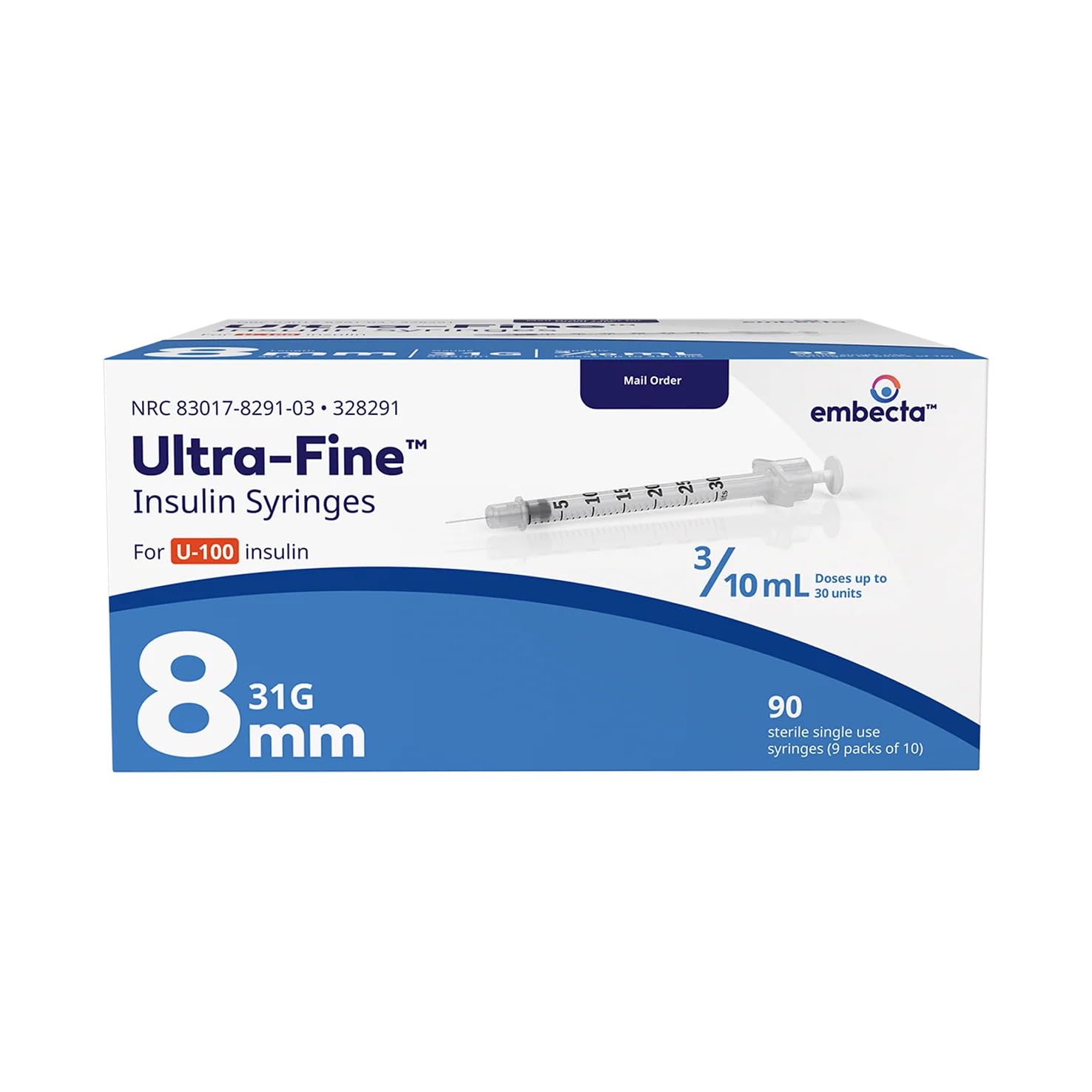
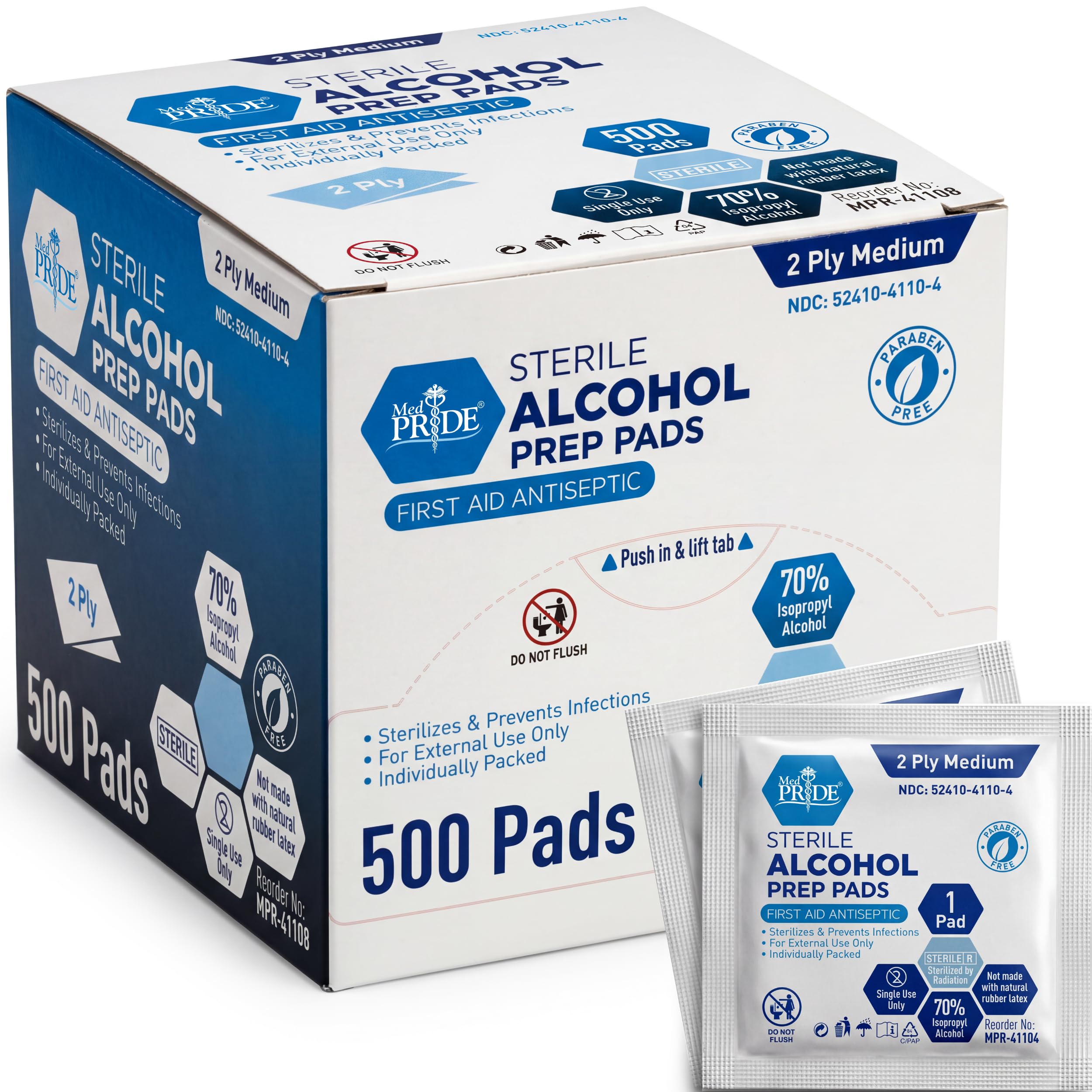
- Gather supplies: Lyophilized thymulin vial, bacteriostatic water (0.9% benzyl alcohol), alcohol swabs, insulin syringes (29–31 gauge)
- Swab both vial tops with alcohol pads
- Draw bacteriostatic water — 2 mL for a 5 mg vial is the most common choice
- Inject slowly into the thymulin vial, directing the stream against the glass wall — not onto the powder
- Swirl gently — never shake. Thymulin is a small peptide and dissolves readily
- Refrigerate immediately at 2–8°C (36–46°F)
- Use within 28 days of reconstitution
Storage tip: Unreconstituted lyophilized thymulin can be stored at -20°C for extended periods. Once reconstituted, refrigerate only — do not freeze reconstituted solution.
Injection Technique
Thymulin is administered subcutaneously. The injection technique is identical to other subcutaneous peptides.
Preferred Injection Sites
- Lower abdomen — 2+ inches from the navel, alternating sides
- Upper outer thigh — mid-thigh area
- Back of the upper arm — less common but viable
Injection Steps
- Wash hands thoroughly
- Swab injection site with alcohol
- Draw the correct dose into an insulin syringe (29–31 gauge, ½ inch)
- Pinch a fold of skin at the injection site
- Insert needle at 45–90° angle
- Inject slowly and steadily
- Withdraw needle, apply gentle pressure with an alcohol swab
Rotate injection sites to prevent lipodystrophy. Use a different spot each injection.
Timing Considerations
Time of Day
- Morning dosing is preferred — immune system activity follows a circadian pattern, with T-cell trafficking and cytokine production peaking in the morning and early afternoon
- Consistent timing helps maintain stable circulating levels
- Some researchers dose in the evening before bed, theorizing that immune reconstitution may benefit from sleep-associated growth hormone release — but this is speculative
Relative to Meals and Supplements
- Zinc supplementation should be taken with food to minimize GI upset — but not necessarily at the same time as thymulin injection
- Subcutaneous thymulin is not affected by gastric factors
- If taking zinc and copper supplements, separate them by 2+ hours
Duration and Cycling
| Protocol Type | Duration | Rest Period | Notes |
|---|---|---|---|
| Short assessment | 5–7 days | N/A | For evaluating tolerance |
| Standard cycle | 4–8 weeks | 4 weeks off | Most common approach |
| Extended cycle | 8–12 weeks | 4–6 weeks off | For age-related immune decline |
| Maintenance | 3x/week ongoing | Periodic 4-week breaks | Long-term support |
Why cycle? While thymulin receptor desensitization is not as well-documented as with some other peptides, cycling allows the immune system to consolidate changes and prevents potential tolerance development. Periodic breaks also allow reassessment of immune markers via bloodwork.

Stacking Thymulin with Other Immune Peptides
Thymulin is commonly discussed in the context of immune peptide stacks. Each peptide in these combinations targets a different arm of immune function.
Thymulin + Thymosin Alpha-1
- Thymulin promotes T-cell maturation and differentiation at the thymic level
- Thymosin Alpha-1 enhances mature T-cell function, NK cell activity, and dendritic cell maturation
- Complementary mechanisms — thymulin acts upstream (T-cell development), TA-1 acts downstream (T-cell activation)
- No clinical data on the combination exists
Thymulin + LL-37
- Thymulin supports adaptive immunity (T-cell arm)
- LL-37 provides innate immune defense — direct antimicrobial activity plus immune cell recruitment
- Different arms of immunity — adaptive vs innate
- See our LL-37 benefits guide for details on the antimicrobial peptide
Thymulin + Zinc + Vitamin D
- The non-peptide stack: adequate zinc (for thymulin activation), vitamin D (for immune regulation), and thymulin itself
- Zinc status is arguably the most important co-factor — thymulin is biologically inert without it
Side Effects
Thymulin has a notably clean safety profile in the available research literature.
Common (Mild, Transient)
- Injection site reactions — mild redness, pain, or swelling at the subcutaneous injection site
- Mild fatigue — occasionally reported in the first few days, possibly related to immune system activation
- Mild headache — infrequent
Uncommon
- Transient flu-like symptoms — rare, typically in the first week, possibly indicating immune system engagement
- Mild GI discomfort — more likely related to zinc co-supplementation than thymulin itself
Not Reported
- Serious adverse events have not been reported in the thymulin research literature
- No evidence of autoimmune activation at physiological replacement doses
- No evidence of hormonal disruption
- No cardiovascular effects reported
Zinc-Related Side Effects
Since zinc co-supplementation is integral to thymulin protocols, be aware of zinc-specific side effects:
- Nausea — most common, especially on an empty stomach
- Copper depletion — with chronic zinc supplementation >50 mg/day
- Metallic taste — occasional
Contraindications and Cautions
Contraindications
- Active autoimmune disease — thymulin stimulates T-cell maturation; in autoimmune conditions where T-cell dysfunction is already present, additional immune stimulation could theoretically worsen disease activity
- Organ transplant recipients — immunosuppression is intentional; immune-enhancing peptides could increase rejection risk
- Active lymphoproliferative disorders — T-cell lymphomas or leukemias could theoretically be stimulated
Use with Caution
- Immunosuppressive therapy — thymulin may counteract the intended immunosuppression
- Pregnancy and breastfeeding — no safety data exists
- Severe zinc deficiency — address zinc status before starting thymulin, as the peptide requires zinc for activity
Drug Interactions
- Immunosuppressants (cyclosporine, tacrolimus, mycophenolate) — pharmacological conflict
- Corticosteroids — high-dose steroids suppress thymic function and may blunt thymulin's effects
- Zinc chelators — would remove the zinc required for thymulin activity
Comparison to Other Thymic/Immune Peptides
| Feature | Thymulin | Thymosin Alpha-1 | LL-37 |
|---|---|---|---|
| Origin | Thymic epithelial cells | Thymus (Thymosin fraction 5) | Cathelicidin (innate immune) |
| Structure | 9 amino acid nonapeptide + zinc | 28 amino acid peptide | 37 amino acid peptide |
| Primary target | T-cell maturation | T-cell & NK cell activation | Direct antimicrobial + immune modulation |
| Immune arm | Adaptive (development) | Adaptive (function) | Innate |
| Zinc dependent | Yes (required) | No | No |
| FDA approved | No | No (approved in some countries) | No |
| Dosing frequency | Daily or 5x/week | 2–3x/week | Daily or 3x/week |
Key Takeaways
- Zinc is non-negotiable — thymulin is biologically inactive without zinc. Ensure adequate zinc status before and during use.
- Start low, assess tolerance — begin at 100 mcg daily and titrate based on response and bloodwork.
- Morning dosing aligns with immune circadian rhythms — consistent timing supports stable T-cell trafficking patterns.
- Cycle your use — 4–8 weeks on, 4 weeks off is the most common approach.
- Monitor with bloodwork — lymphocyte subsets, CD4/CD8 ratio, and zinc levels provide objective feedback.
- Side effect profile is clean — but this is still an investigational peptide without regulatory approval.
Related Guides & Comparisons
- Thymulin Benefits & Research — Mechanism of action, T-cell maturation, anti-inflammatory research, and age-related immune decline
- LL-37 Dosing Guide — Innate immune peptide dosing protocols
- LL-37 Benefits & Research — Antimicrobial and immune modulation research
- MOTS-c Dosing Guide — Mitochondrial peptide with metabolic and exercise-mimetic properties
- SS-31 vs MOTS-c — Comparing mitochondrial peptide approaches
- What Are Peptides? — Foundational guide to peptide science
- Peptide Stacking Guide — How to combine peptides for complementary effects
For educational and research purposes only. This is not medical advice. Thymulin is not FDA-approved for any indication.