Mechanism of Action: T-Cell Maturation and Beyond
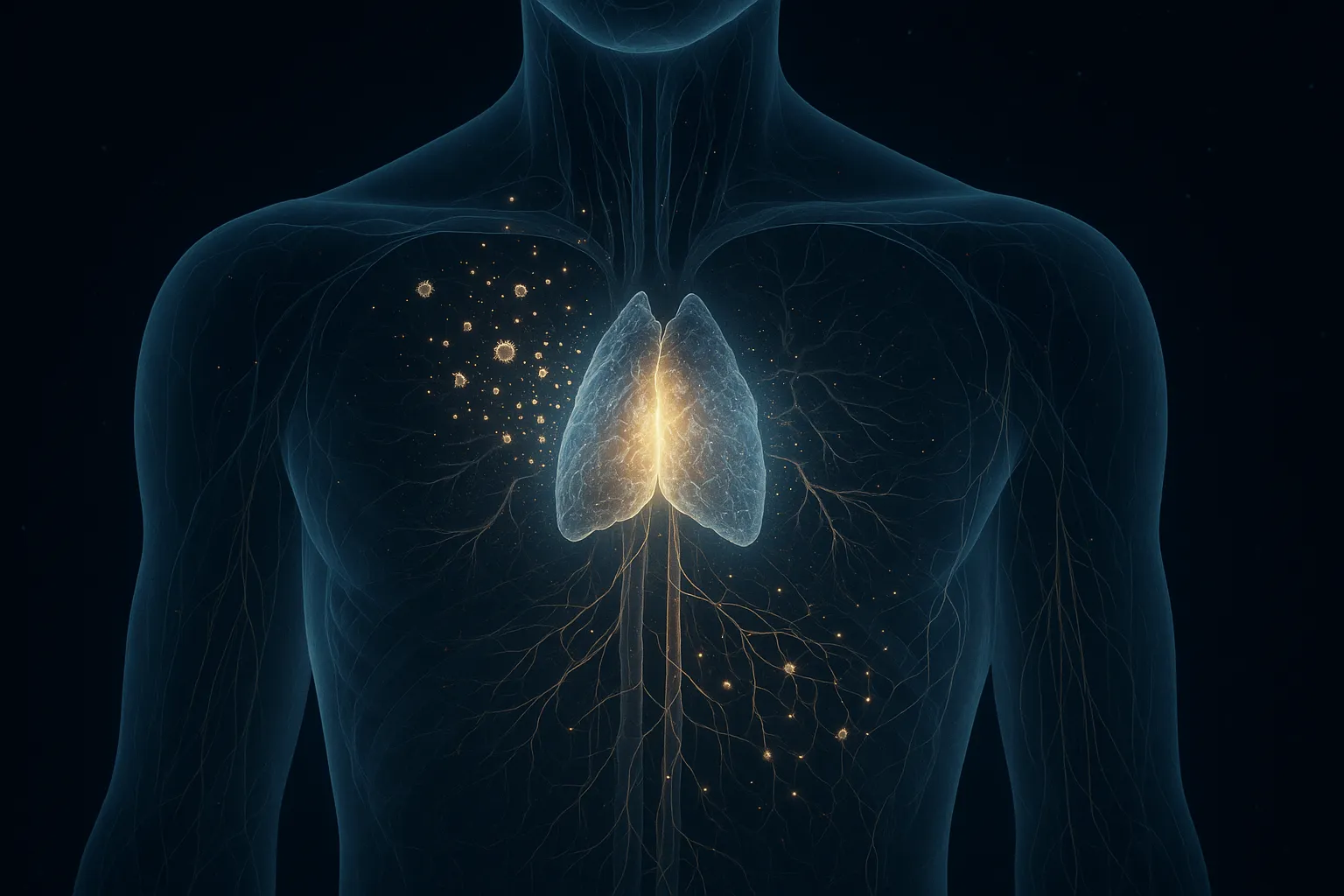
Thymulin's primary role is in the intrathymic and extrathymic differentiation of T-lymphocytes. But its effects extend into broader immune regulation and, more recently discovered, into anti-inflammatory and neuroprotective domains.
T-Cell Maturation and Differentiation
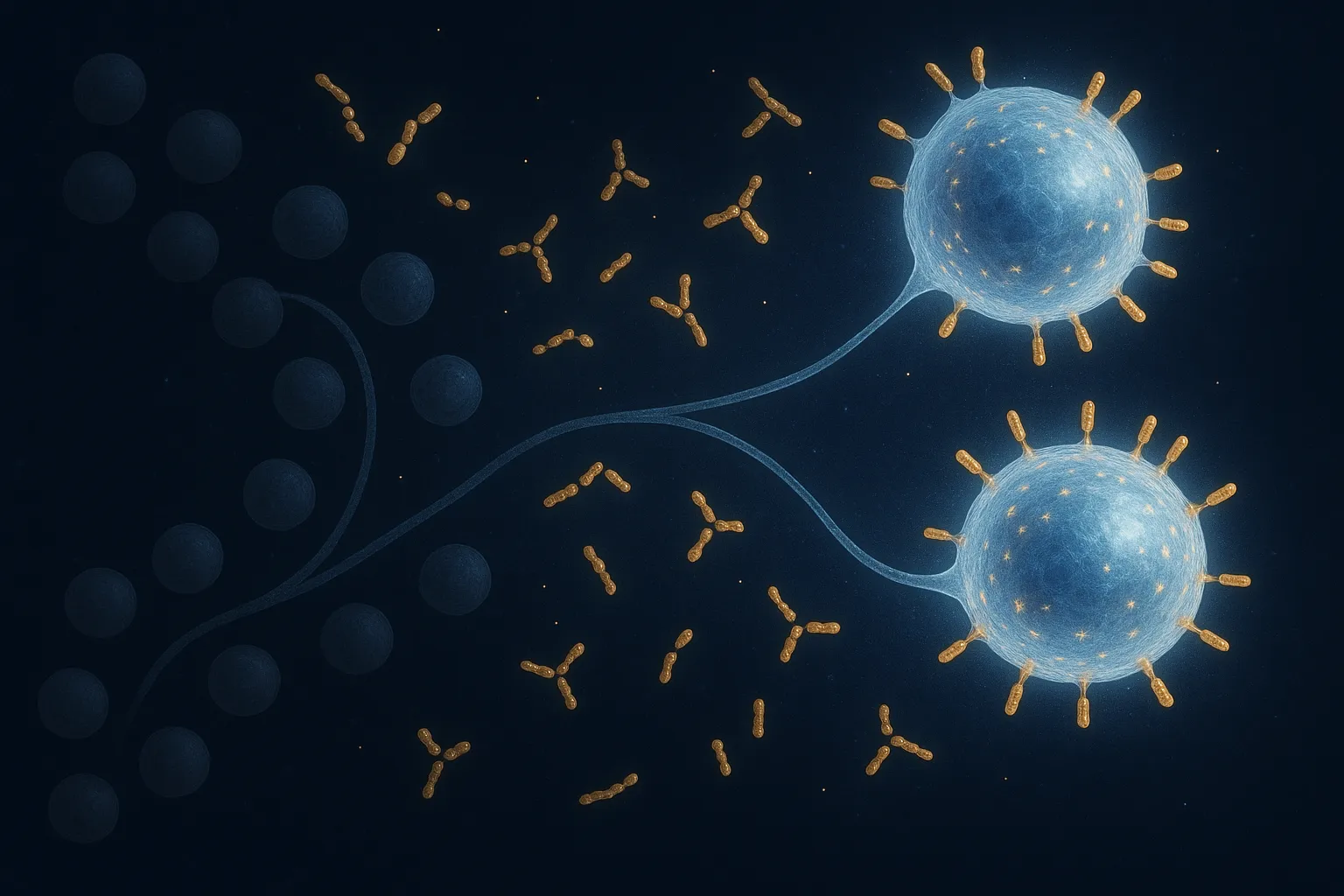
Thymulin promotes the maturation of immature thymocytes (T-cell precursors) into functional T-cell subsets:
- CD4+ helper T-cells — which coordinate immune responses by activating other immune cells
- CD8+ cytotoxic T-cells — which directly kill virus-infected and tumor cells
- Regulatory T-cells (Tregs) — which prevent excessive immune responses and autoimmunity
This is not merely a laboratory observation. In zinc-deficient humans, serum thymulin activity is reduced, and T-cell subpopulations are measurably altered — changes that are correctable with zinc supplementation (Prasad et al., 1988).
The Thymus-Neuroendocrine Axis
Thymulin doesn't operate in isolation. It is part of a bidirectional communication network between the thymus and the neuroendocrine system. Thymulin has been shown to:
- Modulate pituitary hormone secretion — including ACTH and growth hormone
- Interact with the hypothalamic-pituitary-adrenal (HPA) axis — influencing stress responses
- Respond to hormonal signals — thyroid hormones, sex steroids, and growth hormone all regulate thymulin production
This thymus-neuroendocrine axis has been extensively characterized by Reggiani and colleagues, who demonstrated that thymulin's effects extend well beyond simple immune cell maturation into systemic physiological regulation (Reggiani et al., 2009).
Cytokine Modulation
Thymulin influences the balance of pro-inflammatory and anti-inflammatory cytokines:
- Suppresses overproduction of TNF-α, IL-1β, and IL-6 — key pro-inflammatory cytokines
- Reduces heat shock protein Hsp70 overexpression during inflammation
- Modulates immune cell activity in LPS-induced inflammation models
In a mouse model of acute inflammation, synthetic thymulin analogue prevented the overproduction of pro-inflammatory cytokines and Hsp70, suggesting a role in inflammatory disease management (Lunin et al., 2008).
The Zinc-Thymulin Connection
The relationship between zinc and thymulin is perhaps the most well-characterized metal-peptide interaction in immunology.
Why Zinc Matters
- Thymulin is biologically inert without zinc — the Zn²⁺ ion is required for the peptide to assume its active conformation and bind to T-cell receptors
- Zinc deficiency mimics thymic dysfunction — reduced thymulin activity leads to impaired T-cell maturation, even when the thymus is structurally intact
- Zinc supplementation restores thymulin activity — both in vitro and in vivo, adding zinc to zinc-deficient systems rapidly restores thymulin function
Dardenne and colleagues demonstrated that the zinc-thymulin interaction is highly specific: other divalent metals (calcium, magnesium, iron) cannot substitute for zinc in activating the peptide (Dardenne et al., 1994).
Clinical Implications of Zinc Deficiency
Prasad et al. (1988) showed that in mildly zinc-deficient human subjects — including elderly individuals and sickle cell disease patients — serum thymulin activity was significantly reduced. Zinc supplementation restored thymulin levels and corrected T-cell subpopulation abnormalities (PMID: 3262625).
This has profound implications: mild zinc deficiency is extremely common, particularly in:
- Elderly populations (30–40% prevalence of marginal zinc deficiency)
- Vegetarians and vegans
- Individuals with inflammatory bowel disease
- People on long-term proton pump inhibitors
- Athletes with high sweat losses
For anyone considering thymulin supplementation, zinc status is not an afterthought — it's a prerequisite. See our thymulin dosing guide for zinc co-supplementation protocols.
The thymus is unique among organs in its dramatic age-related involution. This process has direct consequences for thymulin production and overall immune competence.
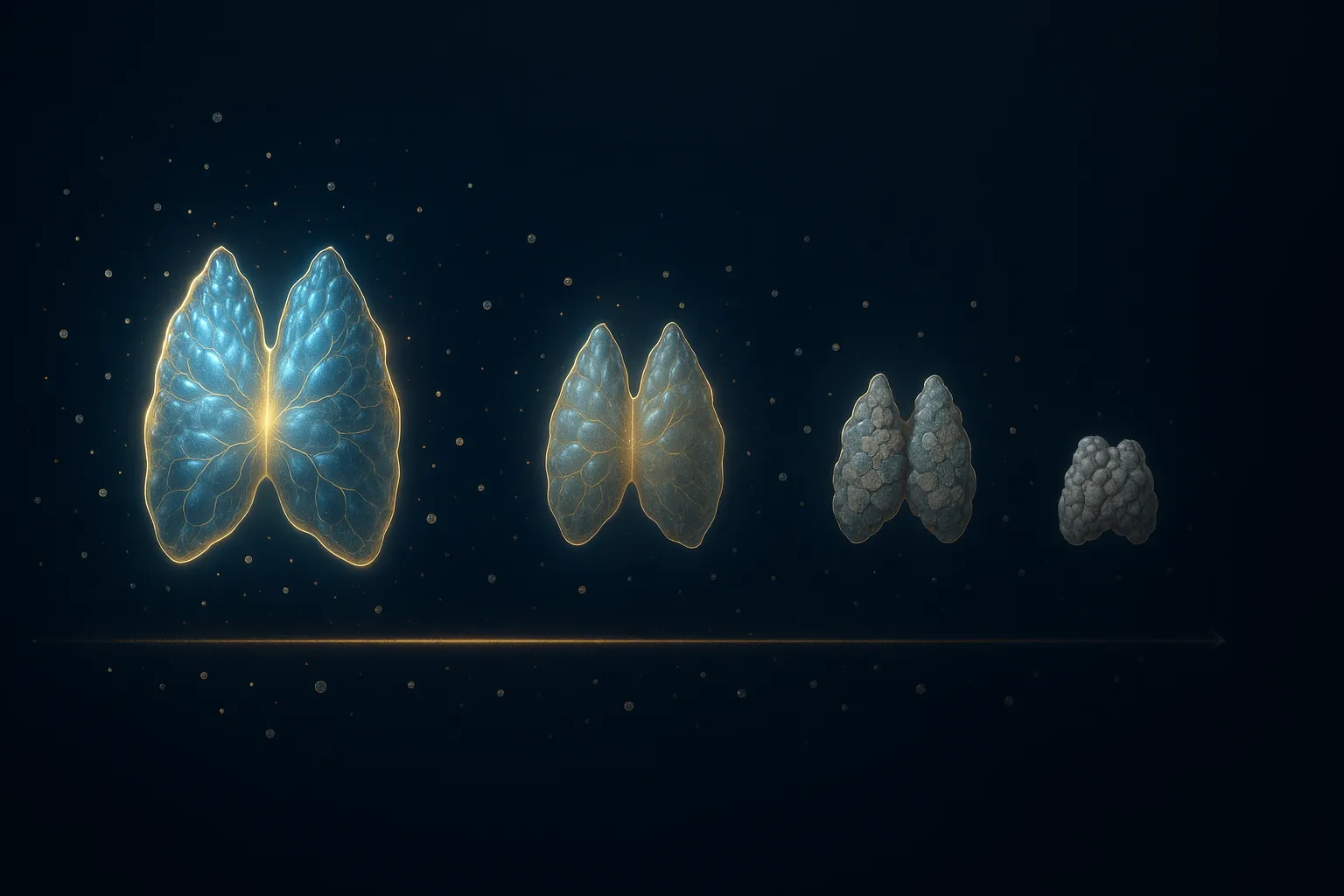
The Timeline of Thymic Decline
- Birth to puberty: The thymus is at peak size and function, producing abundant T-cells and thymulin
- After puberty: The thymus begins to shrink, with functional tissue progressively replaced by adipose (fat) tissue
- By age 40–50: Thymic output of naïve T-cells has dropped significantly
- By age 60+: The thymus is largely atrophied, and circulating thymulin is virtually undetectable
This thymic involution is considered a major driver of immunosenescence — the age-related decline in immune function that increases susceptibility to infections, reduces vaccine efficacy, and impairs tumor surveillance.
Is Thymic Involution Reversible?
A landmark finding by Mocchegiani et al. (1995) challenged the assumption that thymic involution is irreversible. Using thymic explants from aged mice, they showed that:
- Old thymic tissue still produced thymulin at near-normal levels
- However, the zinc-bound active form was virtually absent
- Adding zinc in vitro fully restored thymulin secretion to youthful levels
This suggests that age-related thymulin decline is not purely a structural problem (thymic destruction) but is significantly a microenvironmental problem (zinc depletion in the thymic niche) — and potentially addressable (Mocchegiani et al., 1995).
Anti-Inflammatory Properties
Beyond its immune-maturation role, thymulin has demonstrated significant anti-inflammatory effects across multiple research models.
Peripheral Anti-Inflammatory Effects
Thymulin treatment attenuated inflammatory pain in animal models by modulating spinal cellular and molecular signaling pathways. Nasseri et al. (2019) showed that thymulin administration:
- Reduced inflammatory pain in a dose-dependent manner
- Modulated spinal cord signaling — affecting both cellular infiltration and molecular mediators
- Decreased pro-inflammatory cytokine concentrations at the spinal level
These effects were observed at multiple doses and time points, suggesting a robust and reproducible anti-inflammatory mechanism (Nasseri et al., 2019).
Central Nervous System Effects
Perhaps more intriguing is thymulin's anti-inflammatory activity within the central nervous system:
- Safieh-Garabedian et al. (2003) demonstrated that thymulin reversed inflammatory hyperalgesia and modulated pro-inflammatory cytokine concentrations induced by intracerebroventricular endotoxin injection, providing evidence for a neuroprotective role (PMID: 14580936)
- A thymulin-related peptide (PAT) was subsequently shown to attenuate brain inflammation induced by endotoxin, with evidence supporting potential therapeutic use for neurodegenerative conditions involving chronic neuroinflammation (Safieh-Garabedian et al., 2011)
This neuroprotective dimension is still in early preclinical stages, but it adds a compelling layer to thymulin's profile beyond simple immune support.
Emerging Research Areas
Autoimmune Disease
Thymulin's role in promoting regulatory T-cell (Treg) development has generated interest in autoimmune conditions. The logic: if thymulin can enhance Treg function, it might help restore immune tolerance in autoimmune diseases where Tregs are insufficient or dysfunctional.
This remains largely theoretical, with limited direct evidence. The paradox is that thymulin enhances overall T-cell function — which could either help (by boosting Tregs) or harm (by stimulating autoreactive T-cells) in autoimmune contexts. This is why active autoimmune disease is listed as a contraindication in current protocols.
Gene Therapy Approaches
Reggiani and colleagues have explored thymulin gene therapy — using adenoviral vectors to deliver the thymulin gene directly to the thymus or other tissues. In aged rats, thymulin gene therapy:
- Restored thymulin serum levels
- Improved immune parameters
- Showed evidence of systemic anti-inflammatory effects
This approach bypasses the need for repeated injections and could provide sustained thymulin expression, though it remains firmly in the preclinical research phase.
Wound Healing
Limited research suggests thymulin may accelerate wound healing through its immunomodulatory effects — promoting appropriate immune cell recruitment and reducing excessive inflammation at wound sites. This parallels the wound-healing profiles of other immune-modulating peptides like BPC-157 and Thymosin Beta-4, though through different mechanisms.
Who Is Thymulin Research Relevant For?
Based on the current evidence, thymulin research is most relevant for:
- Aging individuals (50+) — where thymic involution has significantly reduced natural thymulin production and immune competence is declining
- Zinc-deficient populations — where thymulin activity is impaired due to insufficient zinc, including elderly, vegetarians, and individuals with malabsorption
- Post-illness immune recovery — where T-cell populations may be depleted and immune reconstitution is needed
- Researchers studying immunosenescence — thymulin is a direct biomarker and potential therapeutic target for age-related immune decline
- Those interested in immune-neuroendocrine interactions — thymulin's role in the thymus-brain axis is an expanding field