guidesJune 2, 2026·6 min read

Melanotan-1 Reconstitution: 10mg + 2mL Chart

Adding BAC water straight onto the powder is the #1 mistake. Dilution chart, syringe math (250mcg = 5 units), and 28-day storage.

Melanotan-1 Reconstitution: 10mg + 2mL Chart

How to Reconstitute Melanotan-1

Melanotan-1 (MT-1) is the linear melanocortin peptide afamelanotide — a 13-amino-acid analog of alpha-melanocyte-stimulating hormone (alpha-MSH) that binds melanocortin receptors (chiefly MC1R) and drives melanogenesis. Unlike its cyclic cousin Melanotan-2, it produces a more gradual, even tan and is paired with UV exposure, which it amplifies rather than replaces.

MT-1 ships as a lyophilized powder, almost always in 10mg vials. Documented protocols sit at the low end of the dosing range (commonly 250mcg per injection), so the dilution chosen at reconstitution directly determines how accurately each dose can be measured on an insulin syringe.

Research-context information only. Melanotan-1 (afamelanotide) is the active ingredient in FDA-approved products for erythropoietic protoporphyria; research-peptide and compounded forms are not FDA-approved and are sold for research purposes only. Protocols, doses, and reactions reported below come from clinical trials and community sources. This article reports what has been documented, not what should be done. Consult a licensed physician for personal medical decisions.

New to bacteriostatic water? Start with what it is, how much to use per vial, and how long it lasts — or see the full Bacteriostatic Water Guide.

Materials Documented in Reconstitution Protocols

Documented protocols describe gathering the following before starting:

  • Melanotan-1 lyophilized vial (typically 10mg)
  • Bacteriostatic water (BAC water) — not sterile water, not saline
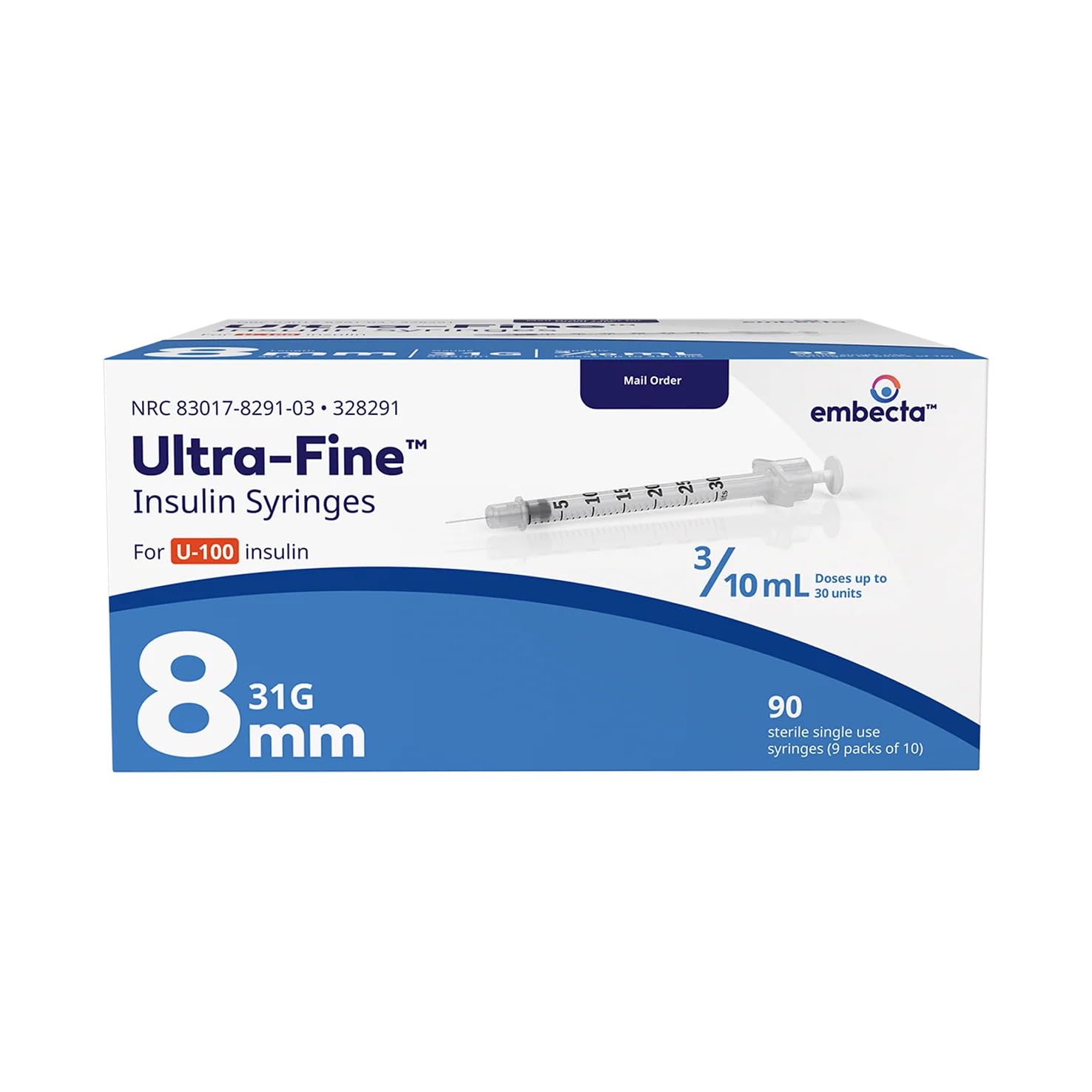
  • Insulin syringes — 1mL (U-100), 29-31 gauge
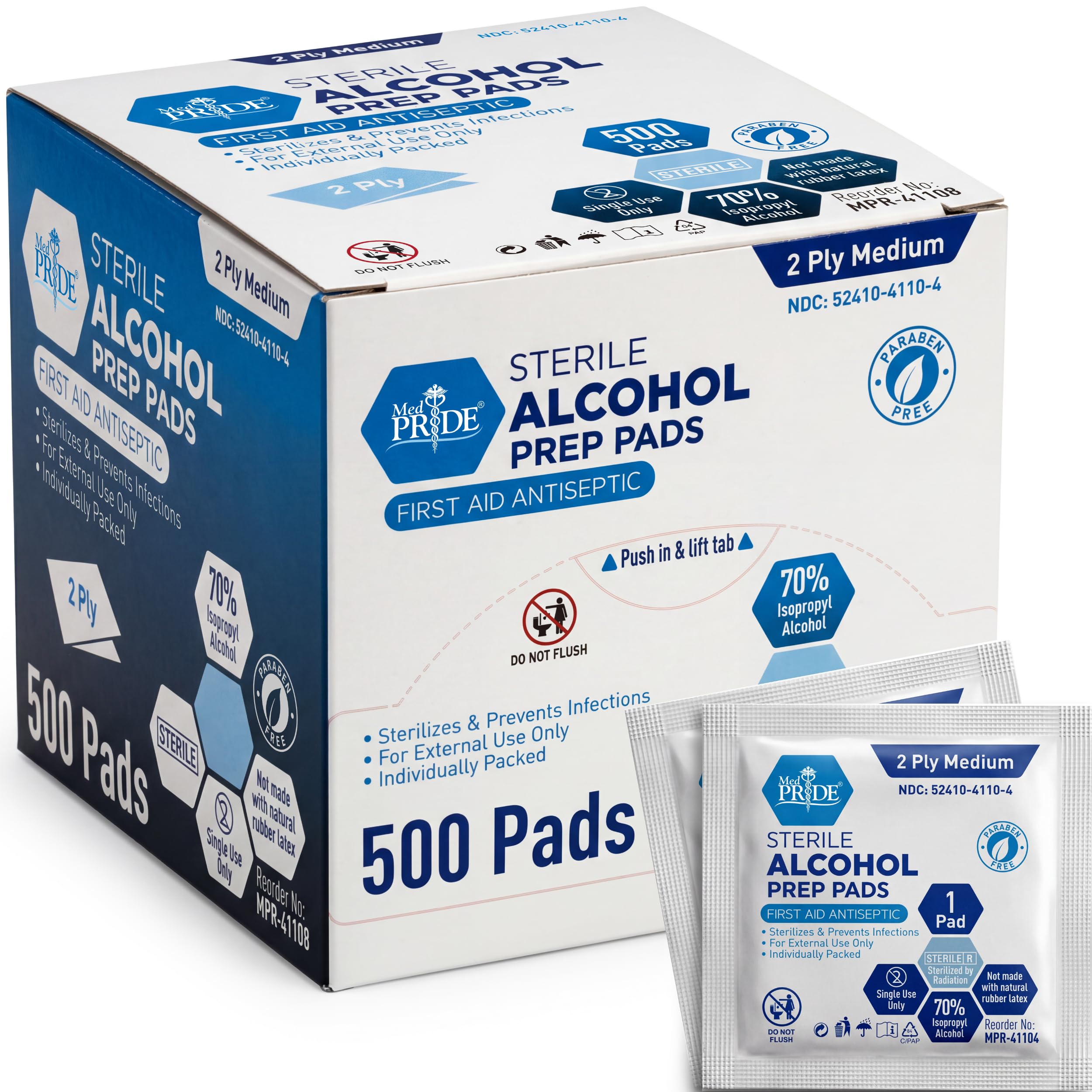
  • Alcohol swabs — for cleaning vial tops
  • A clean, flat workspace

Why bacteriostatic water? The 0.9% benzyl alcohol suppresses bacterial growth, which is what gives a reconstituted vial its ~28-day refrigerated shelf life. Because Melanotan-1 protocols run for weeks, the same vial is drawn from repeatedly — the preservative is what makes that practical.

30ml bacteriostatic water vial — 0.9% benzyl alcohol multi-dose
Bac Water Made for Peptides
Don't risk a $300 peptide on generic bac water.
Most cloudy reconstitutions trace back to one thing — and it isn't the peptide. Sterile, non-pyrogenic, 0.9% benzyl alcohol — formulated for peptide reconstitution, not repackaged from generic stock.
0.9% benzyl alcohol Made for peptides 30 mL multi-dose
See why our bac water doesn't ruin peptides
30ml from $18.75 · Ships fast · Code thepeptidecatalog

Documented Reconstitution Steps

Step 1: Clean the vial tops

Standard sterile practice is to wipe the rubber stoppers of both vials (MT-1 and BAC water) with an alcohol swab and let them air-dry for a few seconds. The peptide vial is punctured repeatedly over its life, so technique from the first draw matters.

Step 2: Draw the bacteriostatic water

A fresh insulin syringe is used to draw the chosen volume of BAC water. For a 10mg vial, 2mL is the volume most protocols describe.

Step 3: Add the water to the peptide vial

Documented protocols describe inserting the needle at an angle and directing the water against the glass wall — not onto the powder cake — so it trickles down slowly. Squirting water directly onto the lyophilized powder is the mistake most often blamed for foaming and degradation.

Step 4: Let it dissolve

The vial is swirled gently. Melanotan-1 is reported to dissolve within a minute or two into a clear, colorless solution. Shaking is discouraged in standard practice — foam makes accurate dose measurement difficult and the air-liquid interface can degrade peptide.

Step 5: Store it

Reconstituted vials are refrigerated immediately at 36-46°F (2-8°C), protected from light, and used within 28 days.

Dilution Chart

The chart below shows how the BAC water volume changes the concentration and the units drawn for a 10mg vial.

Why 2mL? At 2mL in a 10mg vial, the standard 250mcg dose is 5 units and a 500mcg dose is 10 units — clean numbers on an insulin syringe. Less water (1mL) makes the entry dose just 2.5 units, which is harder to measure precisely.

The Math

Concentration = peptide amount (mcg) ÷ water added (mL)

Units to draw = desired dose (mcg) ÷ concentration (mcg/mL) × 100

Example: a 10,000mcg (10mg) vial + 2mL water = 5,000mcg/mL. For a 250mcg dose: 250 ÷ 5,000 × 100 = 5 units (0.05mL). For 500mcg: 500 ÷ 5,000 × 100 = 10 units (0.1mL).

The Reconstitution Calculator handles this automatically — enter vial size, water amount, and target dose.

Top Melanotan I Vendors

Ranked by price, COA availability, and reputation

1
Ascension PeptidesCOA
10/10
10mg$5.00/mg
2
Ion PeptideCOA
9.8/10
10mg$3.50/mg
3
EZ PeptidesCOA
9.5/10
10mg$4.40/mg

Affiliate disclosure: vendor links in this article are affiliate links — The Peptide Catalog may earn a commission if you buy through them, at no additional cost to you.

Common Mistakes

Spraying water onto the powder

Directing the stream onto the powder cake is the error most often cited for foaming and reduced potency. Standard practice is to run the water down the glass wall instead.

Shaking the vial

Shaking creates foam and air-liquid interfaces that can degrade peptide over a vial's multi-week life. Gentle swirling is the documented norm.

Using too little water

Adding 0.5mL to a 10mg vial yields 20,000mcg/mL, where a 250mcg dose is barely over 1 unit — difficult to measure accurately. The practical minimum is 1mL; 2mL is the common standard.

Leaving it at room temperature

Reconstituted solutions degrade faster when warm. Documented practice is to refrigerate between uses; vials left out for days are typically discarded.

Freezing the reconstituted solution

Reconstituted Melanotan-1 is not frozen in standard practice — freeze-thaw can damage the peptide. Lyophilized powder can be frozen; the mixed solution is kept refrigerated, never frozen.

Mixing vials together

Reconstituted solutions from separate vials are not combined — each vial has its own sterility window and is used independently.

Doses Per Vial

  • 10mg vial at 250mcg/dose (standard) = 40 doses
  • 10mg vial at 500mcg/dose (higher end) = 20 doses

At 250mcg twice weekly, a 10mg vial holds far more than the 28-day stability window allows. Documented practice is to start a fresh vial after about 4 weeks regardless of remaining volume, or to reconstitute a smaller portion if doses are very low.

Storage Quick Reference

State Temperature Shelf Life
Lyophilized (powder) Room temp 6-12 months
Lyophilized (powder) Refrigerated 2+ years
Lyophilized (powder) Frozen (-20°C) 3+ years
Reconstituted (BAC water) Refrigerated Up to 28 days
Reconstituted (sterile water) Refrigerated Use within 24 hours

Shelf-life estimates per USP General Chapter 797 and documented peptide storage literature.

Frequently Asked Questions

How much bacteriostatic water is added to Melanotan-1?
Community protocols describe adding 2mL of bacteriostatic water to a 10mg vial, giving 5,000mcg/mL. At that dilution the standard 250mcg dose is 5 units (0.05mL) on a U-100 insulin syringe — a clean, measurable number.
Can sterile water be used instead of bacteriostatic water?
It can, but a vial reconstituted with plain sterile water generally has to be used within 24 hours since it has no preservative. Melanotan-1 protocols run for weeks, so bacteriostatic water — with its ~28-day refrigerated window — is what most documented protocols use.
How is Melanotan-1 dosed after reconstitution?
Community protocols now describe a low-dose ramp — roughly 50mcg (1 unit) subcutaneously once daily for about 7 days to assess tolerance and build eumelanin gradually, then 250mcg twice per week, or once weekly depending on sun exposure, for maintenance. From a 10mg vial reconstituted with 2mL BAC water (5,000mcg/mL), 1 unit is 50mcg and 250mcg is 5 units. Melanotan-1 is typically paired with UV exposure, which it amplifies rather than replaces.
How long does a reconstituted Melanotan-1 vial last?
Reconstituted peptide is generally refrigerated and used within 28 days. A 10mg vial at 250mcg twice weekly contains far more than 28 days of doses, so the limiting factor is the stability window, not the volume — documented practice is to start a fresh vial after about 4 weeks.
Why did the Melanotan-1 solution turn cloudy?
Properly reconstituted Melanotan-1 is reported to be clear and colorless. Cloudiness is generally attributed to contamination, degradation, or water added too forcefully onto the powder. Cloudy solutions are typically discarded.

References

  1. Langendonk, J.G., et al. (2015). Afamelanotide for erythropoietic protoporphyria. New England Journal of Medicine, 373(1), 48-59. PMID: 26132941
  2. Barnetson, R.S., et al. (2006). [Nle4-D-Phe7]-alpha-melanocyte-stimulating hormone significantly increased pigmentation and decreased UV damage in fair-skinned Caucasian volunteers. Journal of Investigative Dermatology, 126(8), 1869-1878. PMID: 16763547
  3. USP General Chapter 797: Pharmaceutical Compounding — Sterile Preparations.

This guide is for educational and informational purposes only. It is not medical advice. Melanotan-1 is sold as a research compound. Reconstituting and self-administering peptides carries inherent risks including infection, contamination, and dosing errors, and Melanotan-1 carries additional considerations including changes to moles and skin lesions, nausea, and blood pressure effects. Always use proper sterile technique and consult a qualified healthcare provider before starting any peptide protocol. The Peptide Catalog is not responsible for any adverse effects resulting from the use or misuse of information presented here.