PDA (Pentadeca Arginate) has no clinical-trial-established dose of its own. It is the arginate-salt form of BPC-157 — the same 15-amino-acid sequence with an arginine counterion instead of acetate — so every protocol circulating online simply borrows BPC-157's community numbers. The catch worth stating up front: there are no peer-reviewed studies on PDA as a distinct molecule and no human trials, so those numbers are extrapolation, not PDA-specific evidence. This guide reports the community-reported figures honestly and shows the reconstitution math behind them.
Research-context information only. PDA (pentadeca arginate) is an unapproved research compound. It has not been evaluated by the FDA for any use, and there is no PDA-specific human clinical data — the figures below are extrapolated from BPC-157 research and self-reported community sources, not controlled trials. This article reports what is documented, not what should be done. Possession or use of research compounds may be restricted in your jurisdiction. Consult a licensed physician for personal medical decisions.
PDA is marketed as a tissue-repair and healing peptide on the strength of BPC-157's research record. Below: the community-reported dosing landscape (inherited from BPC-157), the reconstitution math, and an honest read on how thin the PDA-specific evidence actually is.
PDA (Pentadeca Arginate) Dosing Table
Match your vial size below — reconstitution and dose math update automatically.
| Dose | Syringe units | mL volume | Schedule |
|---|---|---|---|
| 250 mcg | 5 units | 0.05 mL | Daily SubQCommunity-reported — borrowed from BPC-157; no PDA trial dose |
| 500 mcg | 10 units | 0.1 mL | Daily SubQCommunity-reported — borrowed from BPC-157; no PDA trial dose |
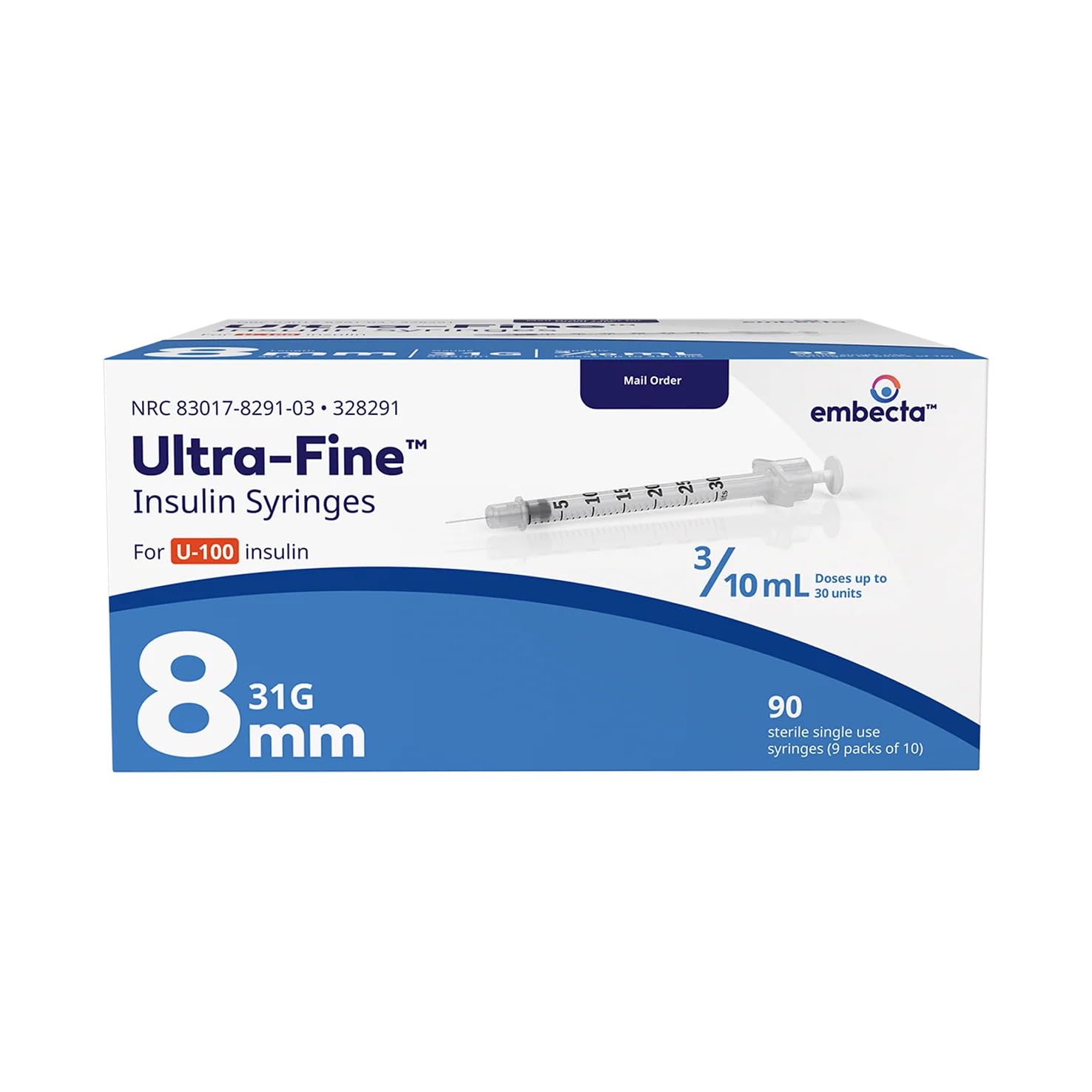
Math assumes U-100 insulin syringes (1 mL = 100 units). Verify your syringe matches before injecting. Round half-units to the nearest visible mark.
Quick Reference: Community-Reported Protocol
| Parameter | Detail |
|---|---|
| Vial | 10 mg (the common format) |
| BAC Water | 2 mL |
| Concentration | 5 mg/mL |
| Dose | Community-reported, ~250-500 mcg/day (borrowed from BPC-157; no PDA trial dose exists) |
| Route | Subcutaneous (community convention) |
| Timing | AM, or split AM/PM |
| Frequency | Once or twice daily |
| Course | Short 4-6 week courses, community convention |
| Storage | Refrigerate, use within 28 days |
No PDA trial dose exists. Unlike a peptide with its own published protocol, PDA has zero dedicated human studies. The figures above describe what the community does — extrapolated from BPC-157 — not what PDA-specific evidence supports. For the full profile and vendor pricing, see our PDA peptide page.
Cycling Details
Community sources describe PDA the way BPC-157 is conventionally used — as short, repeated courses (often 4-6 weeks) targeting an injury or recovery window rather than continuous year-round dosing. The original rationale comes from BPC-157's preclinical tissue-repair literature, where the peptide modulated angiogenesis and supported healing in animal injury models (Seiwerth et al., 2021). There is no controlled human data — on BPC-157 or PDA — establishing an optimal cycle length, so this is convention, not evidence.
Routes of Administration
Subcutaneous injection is the route community protocols describe, usually near the area of interest or systemically in the abdomen. Some sources also discuss oral capsules for gut-targeted use, based on BPC-157's reported stability in gastric juice. No published human trial defines a route for PDA specifically.
- Sites: Abdomen, thigh, or near the target tissue; community protocols describe rotating injection sites between doses.
- Volume: Small — at 5 mg/mL a 250 mcg dose is only 0.05 mL
- Note: Because the peptide identity matches BPC-157, community sources treat the handling and dosing as interchangeable
Reconstitution Quick Reference
| Vial Size | BAC Water | Concentration | 250 mcg dose |
|---|---|---|---|
| 10 mg | 2 mL | 5 mg/mL | 5 units |
| 10 mg | 1 mL | 10 mg/mL | 2.5 units |
| 5 mg | 2 mL | 2.5 mg/mL | 10 units |
Math: 10 mg / 2 mL = 5 mg/mL. For 250 mcg (0.25 mg): 0.25 / 5 = 0.05 mL = 5 units on a 100-unit insulin syringe. For a 500 mcg dose at 5 mg/mL, that is 10 units.
Community protocols describe swirling gently without shaking during mixing, and refrigerating at 2–8 °C, with use within 28 days — the same handling convention documented for BPC-157 peptides. For the full step-by-step walkthrough, see the PDA Reconstitution Guide.