Dosing Guide··6 min read

Prostamax Dosage Chart: 2mg 30-Day Course Protocol

A synthetic prostate tetrapeptide with no validated human dose. The reported 2mg, 30-day course, the 20mg vial math, and the extract-vs-synthetic caveat.

Prostamax dosing guide

Prostamax is a synthetic prostate tetrapeptide (Lys-Glu-Asp-Pro, or KEDP) from the Khavinson family of peptide bioregulators, and it has no validated human dose. Research-chemical vendors and self-reported community sources describe 20mg lyophilized vials reconstituted and given in pulsed courses — the Russian bioregulator "course" convention rather than continuous daily use. The community protocol lists Prostamax on the shared bioregulator line: 2mg (20 units at 10mg/mL) once daily for 30 consecutive days, then two months off, two to three times a year. Shorter 10-20 day courses at around 1mg a day are also reported.

Every number below comes from vendor labeling and self-reported community sources, not from clinical dose-finding trials. One distinction drives the whole page: the prostate clinical record usually invoked for "prostate peptides" belongs to Prostatilen, the injectable prostate polypeptide extract, not to synthetic Prostamax — and the synthetic tetrapeptide's only verified study looked at chromatin and cellular aging, not prostate disease.

Research-context information only. Prostamax is a research peptide. Protocols, doses, and reactions reported below come from published research and self-reported community sources. This article reports what has been documented, not what should be done. Consult a licensed physician for personal medical decisions.

Prostamax is a synthetic short-chain bioregulator modeled on a fragment associated with the Prostatilen prostate extract. This guide reports the reconstitution math, the course-length convention, and the provenance of those figures.

Quick Reference: Community Protocol

The table below reports the community protocol, other reported figures and vendor-documented figures. Because no clinical dose-finding study exists for the synthetic peptide, none of these values represent a standard or validated protocol.

Parameter Reported value
Reported dose 2mg per administration (community protocol; no validated human dose). Around 1mg is also reported
Route Subcutaneous or intramuscular injection
Reported timing AM or PM (community protocol lists either)
Reported frequency Once daily during a course
Course length 30 consecutive days, then 2 months off, 2-3 courses a year (community protocol); 10-20 day courses also reported
Vial size Commonly 20mg lyophilized research vials
Reconstitution 2mL bacteriostatic water → 10mg/mL (2mg = 20 units)
Vials per 30-day course 60mg total, three 20mg vials
Storage Community sources describe refrigeration and use within 28 days

Where the 2mg figure comes from: it is the shared bioregulator line in the community protocol, not a number taken from a Prostamax study. These figures describe how community and other references document the compound, not a clinically established schedule.

Routes of Administration

Self-reported protocols describe two injection routes for the reconstituted synthetic peptide:

  • Subcutaneous (SC): the most commonly described route in community sources, using a small insulin syringe into subcutaneous tissue.
  • Intramuscular (IM): also reported; the parent extract Prostatilen is administered intramuscularly (or rectally as a suppository) in its clinical setting, and some references carry the injectable convention over to the synthetic.

No route has been validated for synthetic Prostamax. Vendors sell it labeled for laboratory research only, not for human use.

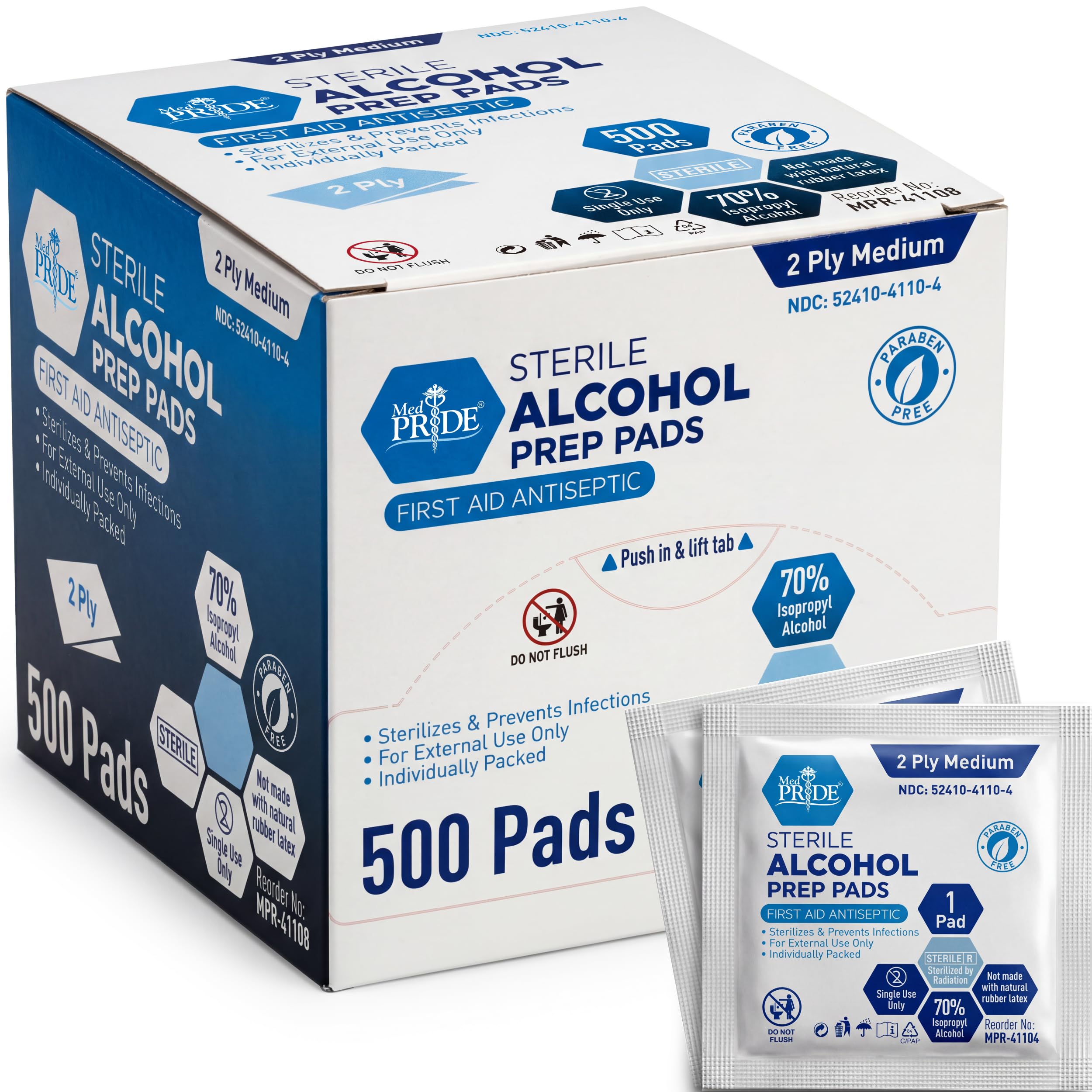
Bacteriostatic water vial — 0.9% benzyl alcohol multi-dose
Bac Water Made for Peptides
Don't risk a $300 peptide on generic bac water.
Most cloudy reconstitutions trace back to one thing — and it isn't the peptide. Sterile, non-pyrogenic, 0.9% benzyl alcohol — formulated for peptide reconstitution, not repackaged from generic stock.
✓ 0.9% benzyl alcohol✓ Made for peptides✓ 30 mL multi-dose
Shop bac water made for peptides

Reconstitution Quick Reference

Vial Size BAC Water Concentration 1mg Draw 2mg Draw
20mg 2mL 10mg/mL 0.1mL (10 units) 0.2mL (20 units)
20mg 3mL 6.67mg/mL 0.15mL (15 units) 0.3mL (30 units)

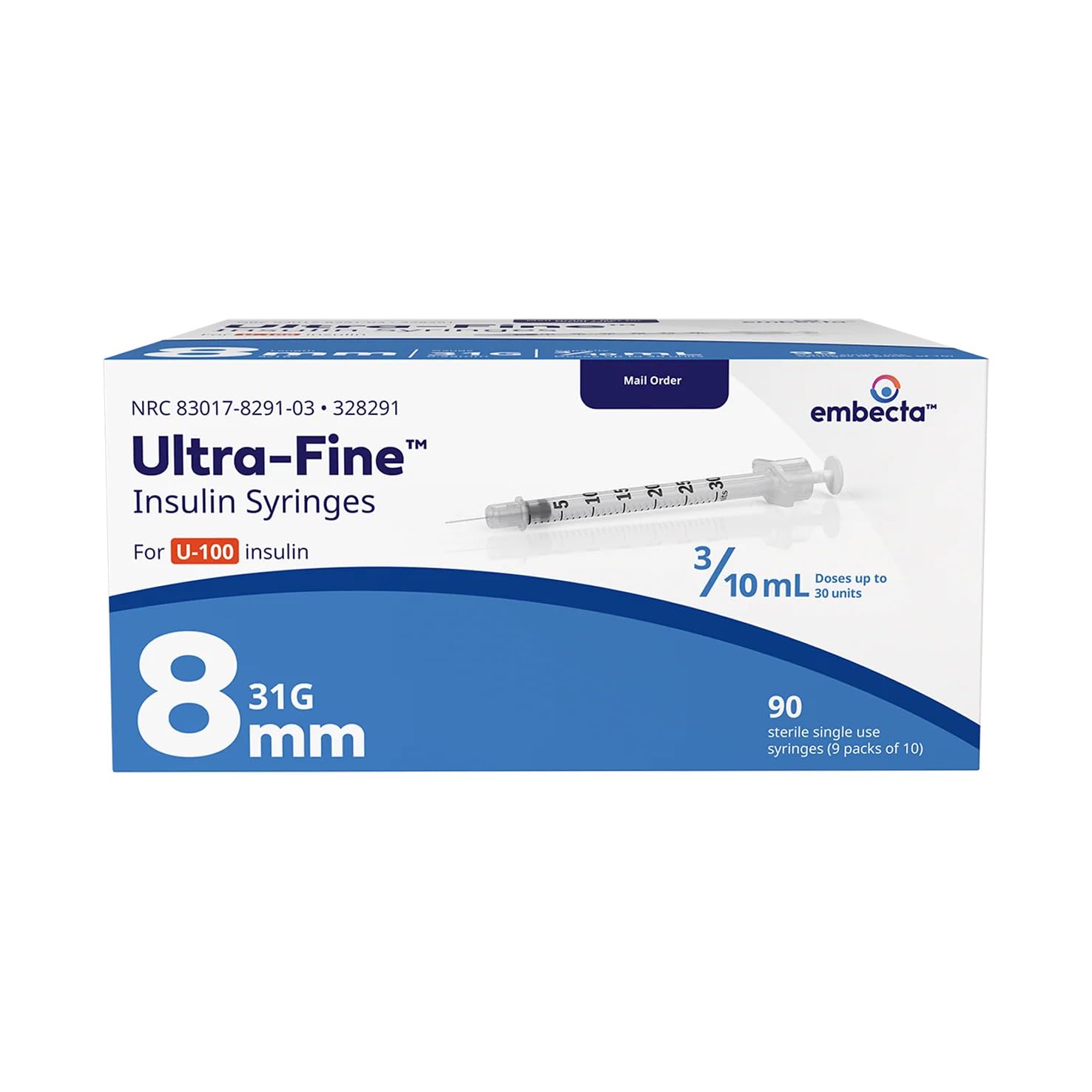
The math: a 20mg vial plus 2mL of bacteriostatic water yields 10mg/mL, so the community 2mg amount is 0.2mL, or 20 units on a U-100 insulin syringe, and a 1mg amount is 0.1mL (10 units). At 2mg a day one 20mg vial covers 10 days, so a 30-day course uses 60mg, or three vials. Community notes describe swirling gently rather than shaking, refrigerating at 2-8°C, and discarding after 28 days.

For the full step-by-step mixing walkthrough, see our Prostamax reconstitution guide.

Ready to buy? Compare verified vendors on our best Prostamax sources page, or browse all coupon codes for up to 50% off.

Where to buy Prostamax
One verified, COA-tested Prostamax source
The verified, COA-tested source we track for Prostamax — shipped with a certificate of analysis. Research use only.
✓ COA verified✓ $3.00/mg✓ Mile High Compounds
Save 10%thepeptidecatalogat checkout
Buy at Mile High Compounds — $59.99
20mg · sold research-use-only · we may earn a commission

Where These Numbers Come From

There is no clinical dose-finding trial for synthetic Prostamax, so the figures above are not derived from established human data. The dose amounts and course lengths circulating online are inherited from the Russian bioregulator tradition — the short, repeatable "course" convention originally applied to injectable tissue extracts — rather than from a study that titrated the synthetic tetrapeptide in people.

The evidence that exists for the synthetic molecule is thin. The one verified study of the Lys-Glu-Asp-Pro peptide examined chromatin structure and markers of cellular aging in cultured cells, not prostate function or prostate disease (23221144). That is the originators' in-vitro finding about a proposed gene-regulatory mechanism, not evidence that injected Prostamax does anything for the prostate in humans. Independent Western replication is effectively absent.

The proposed mechanism is Khavinson's gene-expression hypothesis — the idea that very short peptides interact with DNA and chromatin to modulate transcription — a model demonstrated largely in vitro rather than in human tissue (23221144). Whether it explains any effect of injected Prostamax in people has not been established.

The most important caveat for anyone reading dosing claims: the prostate clinical record usually cited for "prostate peptides" belongs to Prostatilen (also marketed as Vitaprost), the injectable prostate polypeptide extract used in Russian urology, and not to the synthetic Prostamax research chemical. Extract and synthetic are different products with different evidence bases. Clinical figures documented for the extract should not be read as validated for the synthetic peptide, and synthetic Prostamax has not been shown to treat prostatitis or benign prostatic hyperplasia.

Stacking Protocols

Community references sometimes describe running Prostamax alongside other Khavinson-family short peptides as part of a broader bioregulator course. These combinations are self-reported and carry no trial support.

Peptide Community-Reported Pairing Purpose (as described by community sources)
Epitalon Sequential or overlapping courses Commonly paired in longevity-oriented community stacks
Thymalin Run in the same short course Another Khavinson-family bioregulator used in community "systemic" courses

No stacking protocol for Prostamax has been validated in humans. The pairings above report what community sources describe, not a recommended regimen.

Side Effects & Safety

  • No human safety profile has been established for synthetic Prostamax; it is sold labeled "not for human consumption."
  • Injection-site reactions (redness, soreness) are the effects most commonly noted in self-reported community sources.
  • No controlled adverse-event data exist for the synthetic peptide, so its tolerability and long-term safety are unknown.
  • The single verified study on the peptide characterized chromatin changes in cell culture, not a human toxicity or side-effect profile.
  • Sterile technique and reconstitution hygiene are the practical concerns most often raised in community references.

For research-chemical context and vendor considerations, see our Prostamax buying guide.

Frequently Asked Questions

What dose of Prostamax do research-chemical sources report?
There is no validated human dose. The community protocol puts all Khavinson bioregulators, Prostamax included, on one protocol: a 20mg vial with 2mL of bacteriostatic water and 2mg (20 units) once daily for 30 consecutive days, then two months off, two to three times a year. Shorter 10-20 day courses at around 1mg a day are also reported. These are reported conventions, not a clinically established protocol.
How long is a Prostamax course, per community and other sources?
The community protocol lists a 30-consecutive-day course followed by two months off, repeated two to three times a year. Shorter courses of about 10-20 days are also reported. Both follow the Russian bioregulator convention of pulsed courses rather than continuous daily use. This course-and-pause pattern reflects how the prostate tissue extract Prostatilen has historically been administered, not a validated schedule for the synthetic peptide.
Is the human data on Prostamax from the synthetic peptide or the extract?
The prostate clinical record belongs to Prostatilen (also sold as Vitaprost), the injectable prostate polypeptide extract, not to synthetic Prostamax. The synthetic tetrapeptide (Lys-Glu-Asp-Pro) has only a small preclinical literature, and its one verified study looked at chromatin and aging, not prostate outcomes. Synthetic Prostamax has not been shown to treat prostatitis or benign prostatic hyperplasia.
How is Prostamax reconstituted, per documented protocols?
Community reconstitution notes describe adding 2mL of bacteriostatic water to a 20mg vial for a 10mg/mL concentration, where the community 2mg amount equals 0.2mL, or 20 units on a U-100 insulin syringe, and a lower reported 1mg amount equals 0.1mL (10 units). The reconstituted vial is refrigerated and typically discarded after 28 days. These figures report the math community sources document, not a recommended schedule.
What route do reported protocols use for Prostamax?
Self-reported protocols describe subcutaneous or intramuscular injection of the reconstituted synthetic peptide. The Prostatilen extract is administered intramuscularly or rectally in its clinical setting. No route has been validated for the synthetic research chemical, which is sold labeled for laboratory research only.

References

  1. Effects of the Lys-Glu-Asp-Pro peptide on chromatin structure and markers of cellular aging (in vitro). PMID 23221144