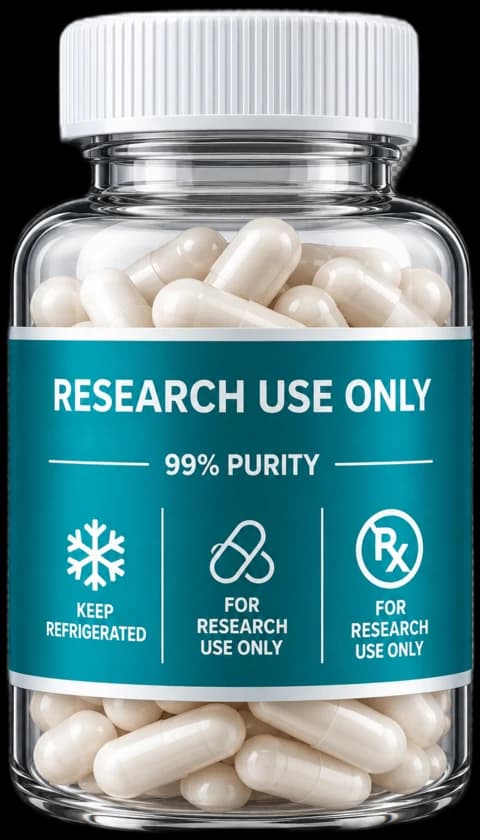
Tesofensine produced 10.6% placebo-subtracted weight loss in just 24 weeks during Phase II trials — roughly double what any oral anti-obesity drug achieved at the time. But weight loss is only one of five documented effects.
Research-context information only. Tesofensine is approved in Mexico but not currently approved by the FDA. Protocols, doses, and reactions reported below come from published clinical trials and self-reported community sources. This article reports what has been documented, not what should be done. Possession or use of investigational drugs outside an authorized clinical trial may be illegal in your jurisdiction. Consult a licensed physician for personal medical decisions.
This is a triple monoamine reuptake inhibitor — not a peptide — that simultaneously blocks dopamine, serotonin, and norepinephrine reuptake. That triple mechanism produces a range of effects beyond the scale. Here are the five most significant benefits, ranked by the strength of their clinical evidence.
Important: Tesofensine is not FDA-approved for any indication. All evidence below comes from Phase II trials and preclinical research. This is not medical advice.
How Tesofensine Works
Tesofensine (NS 2330) inhibits the reuptake of three key neurotransmitters simultaneously:
- Dopamine (DA) — Controls reward pathways and food cravings. At 0.5 mg, tesofensine occupies 30-50% of dopamine transporters — enough for appetite suppression without euphoria or abuse potential (Appel et al., 2014).
- Norepinephrine (NE) — Drives sympathetic nervous system activity, increasing energy expenditure and alertness.
- Serotonin (5-HT) — Modulates satiety signaling, mood regulation, and impulse control around food.
Most weight loss drugs target one or two of these pathways. Sibutramine (withdrawn in 2010) hit serotonin and norepinephrine but missed dopamine. Bupropion/naltrexone affects dopamine and norepinephrine through different receptor mechanisms. Tesofensine is the only compound studied in obesity trials that inhibits all three reuptake transporters directly.
For dosing protocols and cycling strategies, see our tesofensine dosing guide.
1. Weight Loss — Strong Human Evidence
Evidence level: Phase II RCT (human)
This is tesofensine's headline effect and the only one backed by a large randomized controlled trial. The TIPO-1 study tested 203 obese patients (BMI 30-40) across three doses for 24 weeks (Astrup et al., 2008):
| Dose | Weight Loss | Placebo-Subtracted |
|---|---|---|
| 0.25 mg | 4.5% | 2.5% |
| 0.5 mg | 9.2% | 7.2% |
| 1.0 mg | 10.6% | 8.6% |
At 0.5 mg, 87% of patients achieved at least 5% weight loss — the clinical threshold for meaningful metabolic improvement. For context, semaglutide 2.4 mg achieved ~15% over 68 weeks in the larger STEP trials. Tesofensine's 24-week trajectory was still trending downward at study end, suggesting longer treatment could yield greater losses.
The weight loss was dose-dependent, with diminishing returns above 0.5 mg. The jump from 0.25 mg to 0.5 mg nearly doubled efficacy, while 0.5 mg to 1.0 mg added only 1.4 percentage points with significantly more side effects. This dose-response curve is why the research community settled on 0.5 mg as the standard dose.
Earlier neurological trials in Parkinson's and Alzheimer's patients had already flagged weight loss as a consistent side effect — approximately 4% placebo-subtracted over just 14 weeks without any dietary intervention (Astrup et al., 2008).
2. Appetite Suppression — Strong Human Evidence
Evidence level: Phase II secondary analysis (human)
Weight loss is the outcome. Appetite suppression is the primary mechanism driving it.
Gilbert et al. (2012) performed a detailed analysis of appetite data from the TIPO trial, measuring subjective hunger, fullness, and desire to eat at regular intervals over 24 weeks (Gilbert et al., 2012). Key findings:
- Tesofensine produced a dose-dependent increase in composite satiety scores at week 12
- Satiety improvements correlated directly with weight loss over 24 weeks (r = 0.36, p < 0.0001)
- Hunger ratings decreased and fullness ratings increased — effects sustained throughout the study
- The appetite effects appeared within the first 2 weeks and did not diminish over time
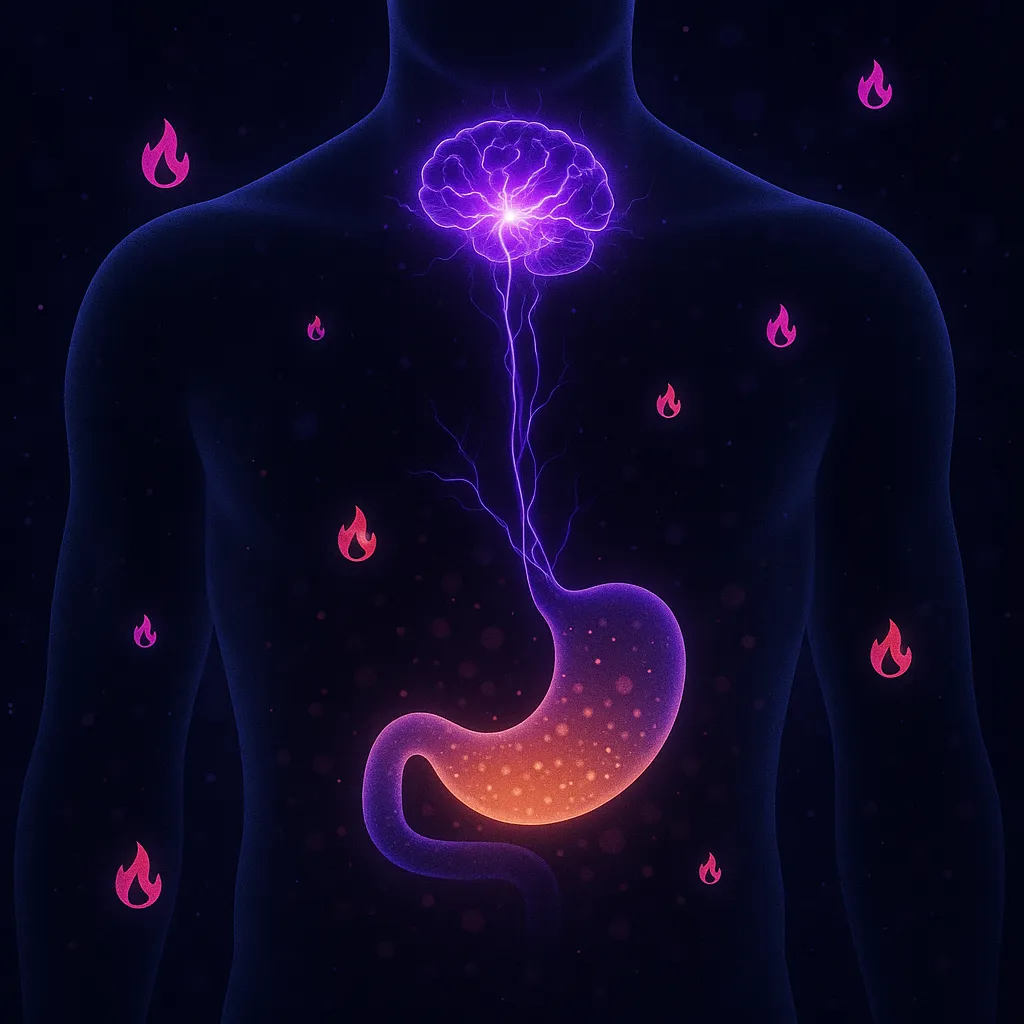
The appetite suppression works through two distinct channels. The serotonergic component reduces homeostatic hunger — the biological drive to eat when energy stores are low. The dopaminergic component reduces hedonic hunger — the urge to eat for pleasure or reward, even when not physically hungry. This dual suppression is what makes tesofensine's appetite control distinctive compared to single-pathway drugs.
3. Body Composition Preservation — Moderate Human Evidence
Evidence level: Phase II DEXA data (human)
One of the most underappreciated findings from the TIPO-1 trial: patients on tesofensine lost predominantly fat mass while preserving lean body mass (Astrup et al., 2008).
This matters because most weight loss interventions — including caloric restriction, some bariatric procedures, and even GLP-1 agonists — produce meaningful lean mass loss alongside fat loss. In semaglutide trials, approximately 30-40% of total weight lost was lean mass. Tesofensine's favorable body composition signal stands out.
The mechanism likely involves the noradrenergic component. Increased norepinephrine activity maintains sympathetic tone, supporting metabolic rate and potentially reducing the muscle catabolism that normally accompanies energy deficit. The quality of life improvements reported in the trial — particularly physical functioning and self-esteem scores — are consistent with better body composition outcomes.
Caveat: This was a secondary endpoint in a 24-week Phase II trial. Longer studies with body composition as a primary outcome would be needed to confirm this advantage definitively.
4. Increased Energy Expenditure — Moderate Human Evidence
Evidence level: Controlled metabolic study (human)
Sjödin et al. (2010) used respiratory chambers to measure tesofensine's effects on energy metabolism in 32 overweight men (Sjödin et al., 2010). After 14 days of treatment:
- Nocturnal energy expenditure increased significantly compared to placebo
- The negative energy balance was driven by both reduced intake and increased expenditure
- Satiety sensations increased, confirming the central appetite mechanism
This dual effect — eating less while burning more — is relatively unusual among weight loss compounds. GLP-1 agonists primarily reduce intake through gastric slowing and central satiety signaling, with minimal impact on energy expenditure. Tesofensine's noradrenergic component provides an additional metabolic lever.
The practical implication: tesofensine may produce a larger caloric deficit than appetite suppression alone would predict. For someone already in a modest caloric deficit through diet, the metabolic boost provides additional fat loss without requiring further food restriction.
Ready to buy? Compare verified vendors on our best tesofensine sources page, or browse all coupon codes for up to 50% off.