dosingApril 25, 2026·6 min read

Thymosin Alpha-1 Dosage: 1.5mg 5on/2off Protocol

The 5on/2off schedule prevents desensitization most miss. Covers 1.5mg daily protocol, LL-37 stacking, and 8-week cycling.

Thymosin Alpha-1 Dosing: 1.5mg 5on/2off Protocol

Thymosin alpha-1 is a 28-amino acid immune-modulating peptide originally isolated from thymic tissue. Its synthetic form (thymalfasin) is approved in over 30 countries and has been studied in more than 11,000 human subjects.

Research-context information only. Thymosin alpha-1 is a research peptide. Protocols, doses, and reactions reported below come from published research and self-reported community sources. This article reports what has been documented, not what should be done. Consult a licensed physician for personal medical decisions.

Not FDA-approved in the US. Approved in 30+ countries for hepatitis B and immune support. This is not medical advice.

Thymosin Alpha-1 Dosing Table

Match your vial size below — reconstitution and dose math update automatically.

Reconstitute: add 2 mL of bacteriostatic water to the 10 mg vial. Resulting concentration: 5 mg/mL.
1.5 mg30 units · 0.3 mL
Daily SubQ (5-on/2-off)
Standard
1.6 mg32 units · 0.32 mL
2x/week SubQ
Clinical-trial dose
3 mg60 units · 0.6 mL
Weekly SubQ
Advanced

Math assumes U-100 insulin syringes (1 mL = 100 units). Verify your syringe matches before injecting. Round half-units to the nearest visible mark.

Quick Reference: Standard Protocol

Parameter Standard Protocol
Dose 1.5 mg (30 units on insulin syringe)
Route Subcutaneous injection
Timing AM
Frequency 5 days on, 2 days off
Cycle 8 weeks on, 8 weeks off
Vial size 10 mg
Reconstitution 2 mL bacteriostatic water → 5 mg/mL
Draw amount 30 units on insulin syringe
Storage Refrigerate, use within 28 days

Standard protocol: 1.5 mg subcutaneous in the morning, 5 days on / 2 days off, for 8-week cycles. For the full thymosin alpha-1 profile, see our thymosin alpha-1 peptide page.

Cycling Details

The standard cycle is 8 weeks on, 8 weeks off. The 5on/2off daily schedule provides periodic receptor rest while maintaining consistent immune modulation throughout the week.

Acute immune support: Some run 1.5 mg daily (no rest days) for 1-2 weeks during active illness, then transition to the standard 5on/2off schedule. Seasonal/preventive: 8-week courses during cold/flu season or 1-2 weeks before international travel.

Enhanced Protocol (Clinical)

Note: The standard protocol above reflects the common community protocol. The clinical protocol below reflects hepatitis B trial dosing.

Parameter Clinical Protocol
Dose 1.6 mg twice weekly
Duration 6-12 months
Indication Chronic hepatitis B, immune adjuvant

Clinical trials used twice-weekly dosing for extended periods. The community 5on/2off daily protocol provides higher weekly exposure but with cycling to prevent long-term receptor adaptation.

Routes of Administration

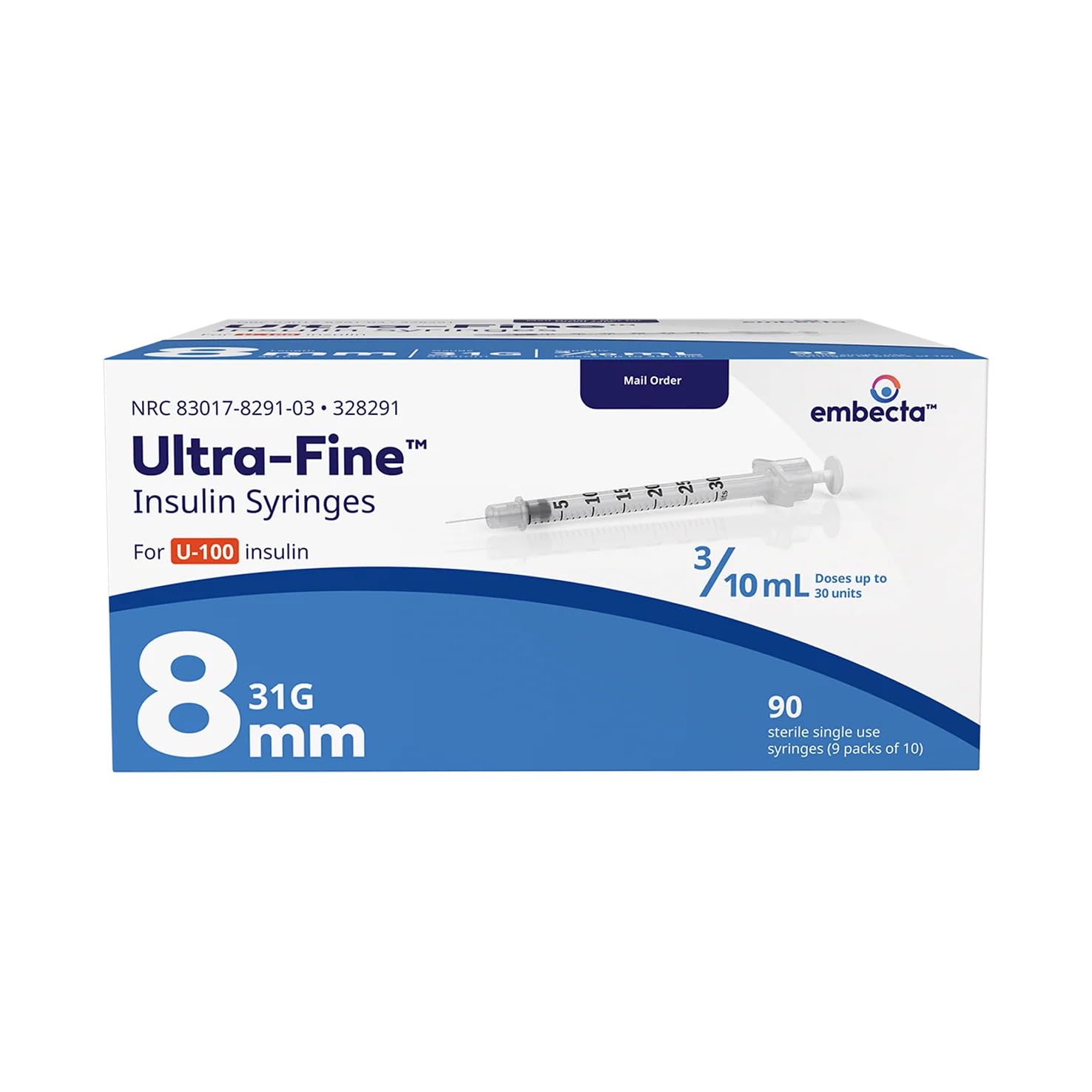
Subcutaneous (standard and only route): Trial protocols and community resources describe subcutaneous injection in the upper arm, abdomen, or thigh, with site rotation documented. Reported syringe specifications: 29-31 gauge, 1/2 inch insulin syringes. Pharmacokinetic data show rapid absorption with peak serum levels within 2 hours.
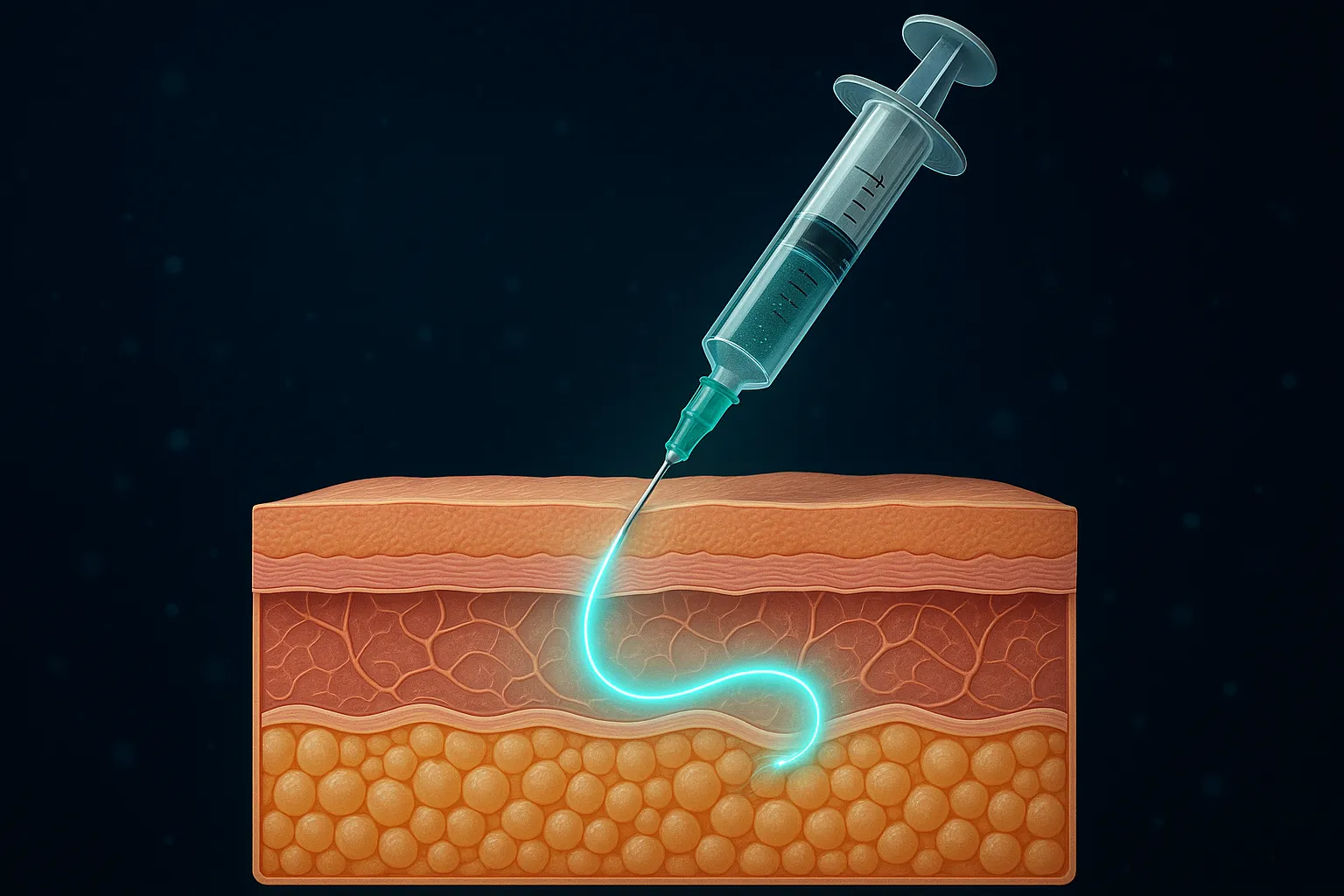
Thymosin Alpha-1 Injection Routes

Reconstitution Quick Reference

Vial Size BAC Water Concentration 1.5 mg Dose
10 mg 2 mL 5 mg/mL 30 units

10 mg vial + 2 mL BAC water = 5 mg/mL. A 1.5 mg dose corresponds to 30 units on an insulin syringe at this concentration.

Protocols describe swirling gently rather than shaking, then refrigerating at 2-8°C and using within 28 days.
Top Thymosin Alpha-1 Vendors

Ranked by price, COA availability, and reputation

1
Nura PeptideCOA
10/10
10mg$8.50/mg
2
Ascension PeptidesCOA
9.8/10
10mg$7.10/mg
3
Ion PeptideCOA
9.6/10
$6.50/mg

Affiliate disclosure: vendor links in this article are affiliate links — The Peptide Catalog may earn a commission if you buy through them, at no additional cost to you.

30ml bacteriostatic water vial — 0.9% benzyl alcohol multi-dose
Bac Water Made for Peptides50% off
Don't risk a $300 peptide on generic bac water.
Most cloudy reconstitutions trace back to one thing — and it isn't the peptide. Sterile, non-pyrogenic, 0.9% benzyl alcohol — formulated for peptide reconstitution, not repackaged from generic stock.
0.9% benzyl alcohol Made for peptides 30 mL multi-dose
See why our bac water doesn't ruin peptides
Ships fast · 50% off with code thepeptidecatalog

Where These Numbers Come From

Thymosin alpha-1 has one of the strongest clinical evidence bases of any peptide in the research community.

Immune Modulation: A comprehensive review confirmed thymosin alpha-1's pleiotropic effects on T-cells, NK cells, dendritic cells, and macrophages — restoring immune function across diverse clinical settings (Tuthill et al., 2016).

Hepatitis B Trials: Thymalfasin was extensively studied at 1.6 mg twice weekly for 6-12 months, showing improved virological response and enhanced vaccine responsiveness in immunocompromised patients.

Sepsis Data: A large Phase III trial (TESTS) evaluated thymosin alpha-1 at 1.6 mg in sepsis patients, providing significant data on immune modulation in critical illness (Li et al., 2025). An earlier meta-analysis showed trends toward reduced mortality from multiple organ failure (Li et al., 2015).

Safety Review: A narrative review covering 11,000+ subjects across 30+ trials confirmed an excellent safety profile with no dose-limiting toxicities (Dinetz et al., 2024).

Stacking Protocols

Thymosin Alpha-1 + LL-37 (Immune Defense Stack)

Peptide Dose Route Timing Purpose
Thymosin alpha-1 1.5 mg SC 5on/2off, AM Adaptive immune modulation (T-cells, NK cells)
LL-37 50-100 mcg SC Daily or 3x/week Innate immune defense (antimicrobial)

Thymosin Alpha-1 + Thymulin

Peptide Dose Route Timing Purpose
Thymosin alpha-1 1.5 mg SC 5on/2off, AM Broad immune modulation
Thymulin 2 mg SC PM T-cell maturation (zinc-dependent)

Complementary thymic peptides — TA-1 acts downstream on function, thymulin acts upstream on development.

Thymosin Alpha-1 + BPC-157

Peptide Dose Route Timing Purpose
Thymosin alpha-1 1.5 mg SC 5on/2off, AM Immune support
BPC-157 250-500 mcg SC Daily Tissue repair, gut healing

Side Effects & Safety

  • Injection site reactions — mild erythema, minor discomfort (most common, transient)
  • No dose-limiting toxicities identified across 30+ clinical trials
  • No significant organ toxicity reported in 11,000+ subjects
  • No immune overstimulation — modulates rather than simply stimulates immunity
  • Safe in immunocompromised — extensively used in HIV, hepatitis, and cancer patients
  • Autoimmune conditions: Clinical context — trials have not specifically studied this population; immune modulation effects may warrant clinical monitoring
  • Organ transplant: Clinical context — immune enhancement could theoretically affect transplant tolerance; not studied in transplant populations

mg to Units Conversion

On a standard 100-unit insulin syringe, each "unit" equals 0.01 mL (so 100 units = 1 mL). Once thymosin alpha-1 is reconstituted, the conversion from a target dose to syringe units depends on the chosen dilution.

The two reconstitution ratios most often described in community protocols are below.

Reconstitution A: 10 mg vial + 2 mL BAC water (5 mg/mL) — the standard dilution from the Quick Reference above.

Dose (mg) Volume (mL) Units (insulin syringe)
1 mg 0.2 mL 20 units
1.5 mg 0.3 mL 30 units
2 mg 0.4 mL 40 units
3 mg 0.6 mL 60 units

Reconstitution B: 10 mg vial + 1 mL BAC water (10 mg/mL) — less BAC water for a lower total volume, so smaller draws and less fridge space.

Dose (mg) Volume (mL) Units (insulin syringe)
1 mg 0.1 mL 10 units
1.5 mg 0.15 mL 15 units
2 mg 0.2 mL 20 units
3 mg 0.3 mL 30 units

These conversions reflect the dilutions documented in community reconstitution protocols. They report how the math is described, not a recommended dosing schedule.

Frequently Asked Questions

What is the standard thymosin alpha-1 dose?
The standard protocol is 1.5 mg subcutaneous daily in the morning, 5 days on / 2 days off, cycled 8 weeks on / 8 weeks off. Community protocols document using a 10 mg vial with 2 mL bacteriostatic water — 1.5 mg equals 30 units on an insulin syringe.
How long should a thymosin alpha-1 cycle last?
8 weeks on, 8 weeks off is the standard cycle. Clinical trials used 6-12 months for hepatitis B. Some use 1-2 week acute courses during active illness.
What stacking protocols are documented for thymosin alpha-1 and LL-37?
Yes — this is a popular immune defense stack. Thymosin alpha-1 provides broad immune modulation (T-cell, NK cell, dendritic cell activation) while LL-37 provides direct antimicrobial activity and innate immune support.
Is thymosin alpha-1 FDA-approved?
Not FDA-approved in the US. However, thymalfasin (Zadaxin) is approved in over 30 countries for hepatitis B and as an immune adjuvant. It has extensive clinical trial data spanning 11,000+ subjects.
What did clinical trials report about thymosin alpha-1 side effects?
Clinical trials consistently report an excellent safety profile. The most common side effect is mild injection site discomfort. No significant immune overstimulation, organ toxicity, or serious adverse events have been reported across large trials.
What reconstitution protocols are documented for thymosin alpha-1?
Protocols describe adding 2 mL bacteriostatic water to a 10 mg vial for 5 mg/mL. A 1.5 mg dose is 30 units on an insulin syringe. Documented storage is refrigerated, used within 28 days.

References

Citation Topic PMID
Tuthill et al., Ann NY Acad Sci (2016) Immune modulation with thymosin alpha-1, mechanism review 27450734
Dominari et al., World J Virol (2020) Comprehensive review of TA-1 literature, clinical applications 33362999
Li et al., BMJ (2025) TESTS Phase III trial: TA-1 efficacy and safety in sepsis 39814420
Li et al., Int J Infect Dis (2015) Meta-analysis of TA-1 for sepsis, mortality outcomes 25532482
Dinetz et al., Alternative Therapies (2024) Safety and efficacy review, 11,000+ subjects across 30+ trials 38308608

For educational and research purposes only. This is not medical advice. Thymosin alpha-1 is approved in 30+ countries but not FDA-approved in the US.