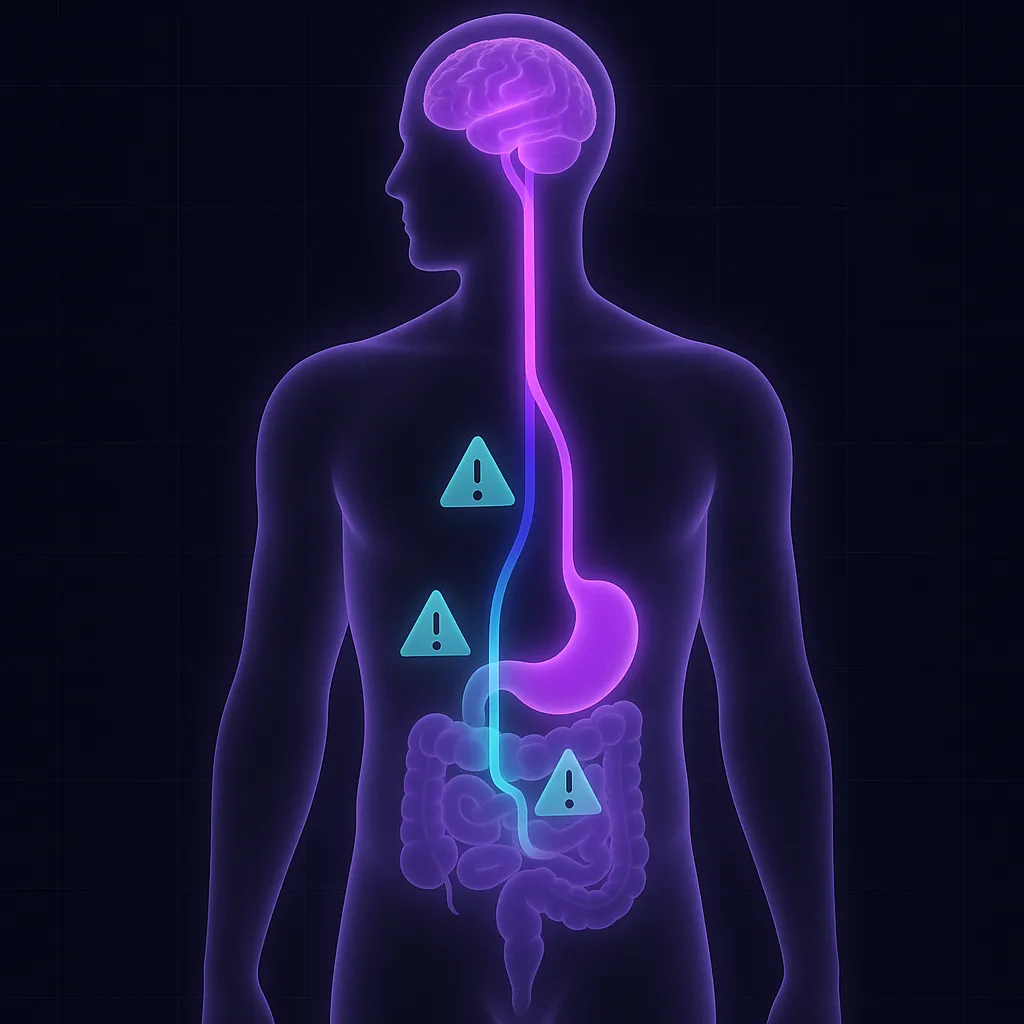
Tirzepatide is a dual GLP-1/GIP receptor agonist that produces the most significant weight loss of any single peptide in clinical trials -- up to 22.5% body weight over 72 weeks. But activating two incretin pathways simultaneously means a broader side effect profile than single-target GLP-1 agonists like semaglutide.
Research-context information only.Tirzepatide is the active ingredient in FDA-approved products for type 2 diabetes and chronic weight management; research-peptide and compounded forms are not FDA-approved and are sold for research purposes only. Protocols, doses, and reactions reported below come from clinical trials and community sources. This article reports what has been documented, not what should be done. Consult a licensed physician for personal medical decisions.
The good news: most side effects are gastrointestinal, predictable, and manageable with proper dose titration. The clinical data on tirzepatide safety is robust -- over 9,800 participants across the SURMOUNT and SURPASS trial programs provide a clear picture of what to expect (Jastreboff et al., 2022).
This is not medical advice. This guide covers what the published clinical trial data shows about tirzepatide's side effect profile. Consult a healthcare provider before use.
Most tirzepatide side effects are manageable with dose titration and proper reconstitution. What separates good experiences from bad: speed of escalation and product quality — both covered below.
Common Side Effects (>10% of Users)
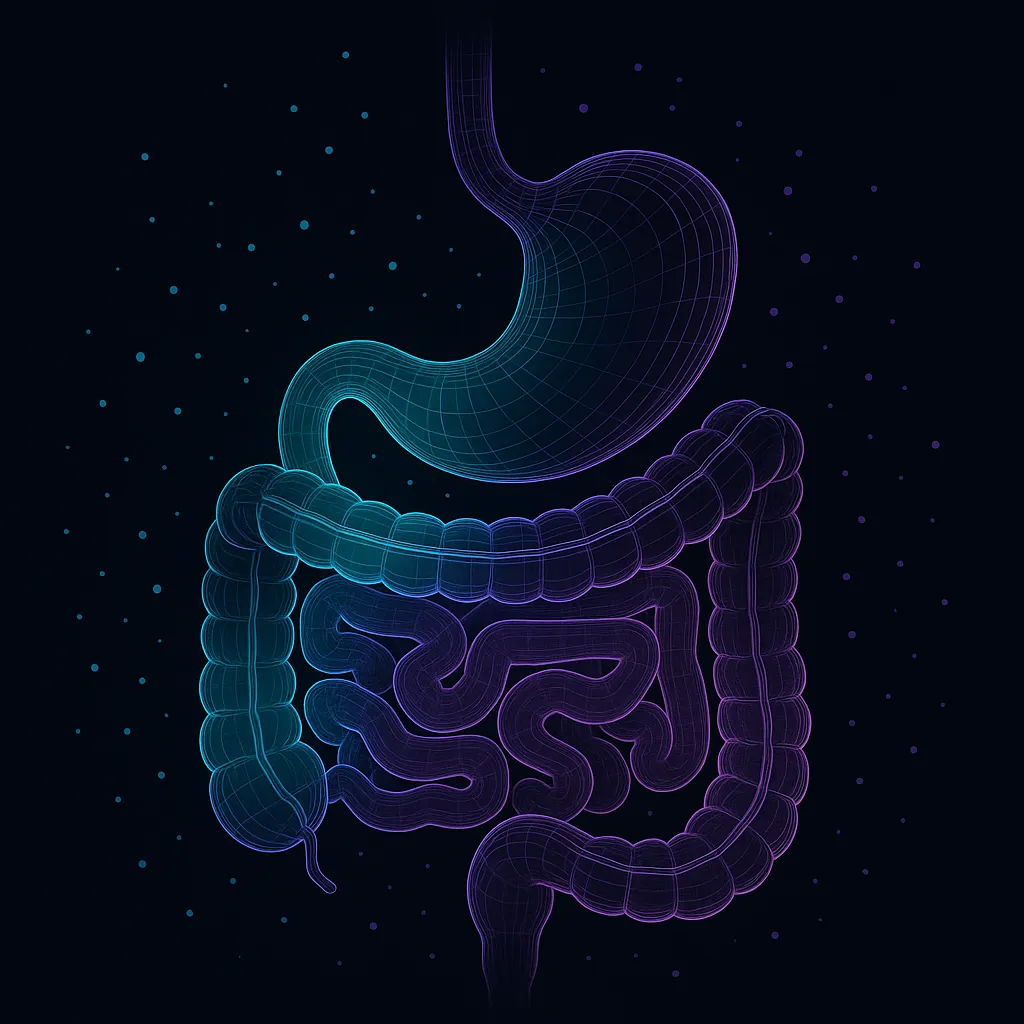
These are the effects most tirzepatide users will encounter, particularly during dose escalation. Nearly all are gastrointestinal and dose-dependent.
Nausea
Prevalence: 12-24% (dose-dependent)
Onset: Within hours of injection
Duration: Typically 1-3 days per dose increase
Nausea is the most reported tirzepatide side effect. In the SURMOUNT-1 trial, nausea rates were 24% at the 5mg dose, 24% at 10mg, and 24% at 15mg vs 9.5% with placebo (Jastreboff et al., 2022). A pooled analysis of SURMOUNT-1 through SURMOUNT-4 confirmed that most nausea events were mild to moderate and occurred primarily during dose escalation (Aronne et al., 2025).
Importantly, nausea does not drive the weight loss. Mediation analyses showed that nausea, vomiting, and diarrhea together accounted for only up to 3.1% of total weight reduction -- the metabolic effects do the heavy lifting. Often a dose-escalation issue — see the titration protocol for the standard 4-week step schedule that minimizes peak nausea.
Diarrhea
Prevalence: 12-22% (dose-dependent)
Onset: Variable, often during escalation weeks
Duration: Usually resolves within days
Diarrhea was the second most common GI event across SURPASS-1 through SURPASS-5 trials (Li et al., 2023). It is typically watery but not severe. Community sources describe hydration and electrolyte monitoring when episodes are frequent.
Decreased Appetite
Prevalence: ~10%
Onset: Within the first week
Duration: Persistent while on treatment
Appetite suppression is both a therapeutic effect and a side effect. The dual GLP-1/GIP mechanism produces stronger satiety signaling than GLP-1 alone. For most users this is the goal, though inadequate caloric intake -- particularly protein -- is a documented concern. Community sources describe at least 0.7-1.0g protein per pound of lean body mass to preserve muscle during rapid weight loss. For monitoring metabolic markers, see the Tirzepatide Bloodwork Guide.
Prevalence: 2-13% (dose-dependent)
Timing: Usually accompanies nausea during escalation
Vomiting rates increase with dose: 5.5% at 5mg to 9.1% at 15mg in SURMOUNT-2 (Garvey et al., 2023). Persistent vomiting (>48 hours) is a documented warning sign for medical evaluation -- dehydration and electrolyte imbalances are the main concern.
Tirzepatide slows GI motility as part of its mechanism of action. Community sources describe fiber supplementation, adequate water intake (2-3L daily), and magnesium citrate as helping. This effect tends to stabilize after the first month.
Injection Site Reactions
Prevalence: 3-5%
Symptoms: Redness, itching, or mild swelling
Trial protocols describe rotating injection sites (abdomen, thighs, upper arms) and allowing the solution to reach room temperature before injecting. Reactions are typically mild and resolve within 24-48 hours. When reactions persist, the tirzepatide reconstitution guide covers mixing technique — wrong BAC water volume or incomplete dissolution is a common cause.
Dyspepsia and Abdominal Pain
Prevalence: 3-8%
Timing: Often correlates with meals post-injection
Community sources describe smaller, low-fat meals as reducing dyspepsia, and avoiding large fatty meals, especially within the first 24 hours after injection when gastric emptying is most delayed.
Bac Water Made for Peptides50% off
Don't risk a $300 peptide on generic bac water.
Most cloudy reconstitutions trace back to one thing — and it isn't the peptide. Sterile, non-pyrogenic, 0.9% benzyl alcohol — formulated for peptide reconstitution, not repackaged from generic stock.
✓ 0.9% benzyl alcohol✓ Made for peptides✓ 30 mL multi-dose
A meta-analysis of 9 trials (9,871 participants) found tirzepatide was significantly associated with gallbladder/biliary disease compared to placebo or basal insulin (RR 1.97, 95% CI 1.14-3.42), though the risk of cholelithiasis alone was not statistically significant (Karagiannis et al., 2023). Rapid weight loss from any mechanism increases gallstone risk -- this is not unique to tirzepatide.
Watch for: Right upper quadrant pain, especially after fatty meals. Pain radiating to the right shoulder. Nausea with fever.
Pancreatitis
The same meta-analysis found no statistically significant pancreatitis risk with tirzepatide (RR 1.46, 95% CI 0.59-3.61) (Karagiannis et al., 2023). However, acute pancreatitis has been reported in post-marketing data with all incretin-based therapies.
Documented warning signs: Severe, persistent abdominal pain radiating to the back. Nausea and vomiting that do not resolve. Trials flagged suspected pancreatitis for immediate discontinuation and emergency evaluation.
A systematic review found tirzepatide at 15mg had significantly higher hypoglycemia risk (RR 3.83) when used alongside insulin or sulfonylureas (Mishra et al., 2023). Tirzepatide alone in non-diabetic individuals carries minimal hypoglycemia risk because its insulin secretion is glucose-dependent.
Thyroid C-Cell Tumors (Preclinical Signal)
GLP-1 receptor agonists caused thyroid C-cell tumors in rodents. This has not been observed in human trials, and calcitonin levels have remained stable in tirzepatide studies. However, tirzepatide is contraindicated in patients with a personal or family history of medullary thyroid carcinoma or Multiple Endocrine Neoplasia syndrome type 2. Calcitonin monitoring is the documented precaution in this group -- see our Tirzepatide Bloodwork Guide.
Already on protocol and adjusting? See the tirzepatide dosing protocol for titration steps that resolve most GI side effects.
What Trials Classified as Routine vs Discontinuation-Worthy
Routine adaptation effects documented in trials:
Mild nausea for 1-3 days after each dose increase
Decreased appetite and earlier satiety
Occasional loose stools during escalation
Mild fatigue in the first 1-2 weeks
Slow but steady weight loss (trials reported roughly 1-2 lbs/week average)
Effects that prompted dose adjustment in trial and community reports:
Nausea or vomiting lasting >72 hours at the same dose
Diarrhea more than 3x daily for >3 days
Unintended weight loss exceeding 3+ lbs/week consistently
Any injection site reaction that spreads or worsens
Signs trials flagged for discontinuation and medical evaluation:
Severe abdominal pain radiating to the back (pancreatitis)
Right upper quadrant pain with fever (gallbladder)
Signs of severe dehydration (dizziness, dark urine, rapid heart rate)
Symptoms of allergic reaction (swelling of face/throat, difficulty breathing)
A lump or swelling in the neck (thyroid concern)
Side-Effect Minimization Approaches Reported in Trials
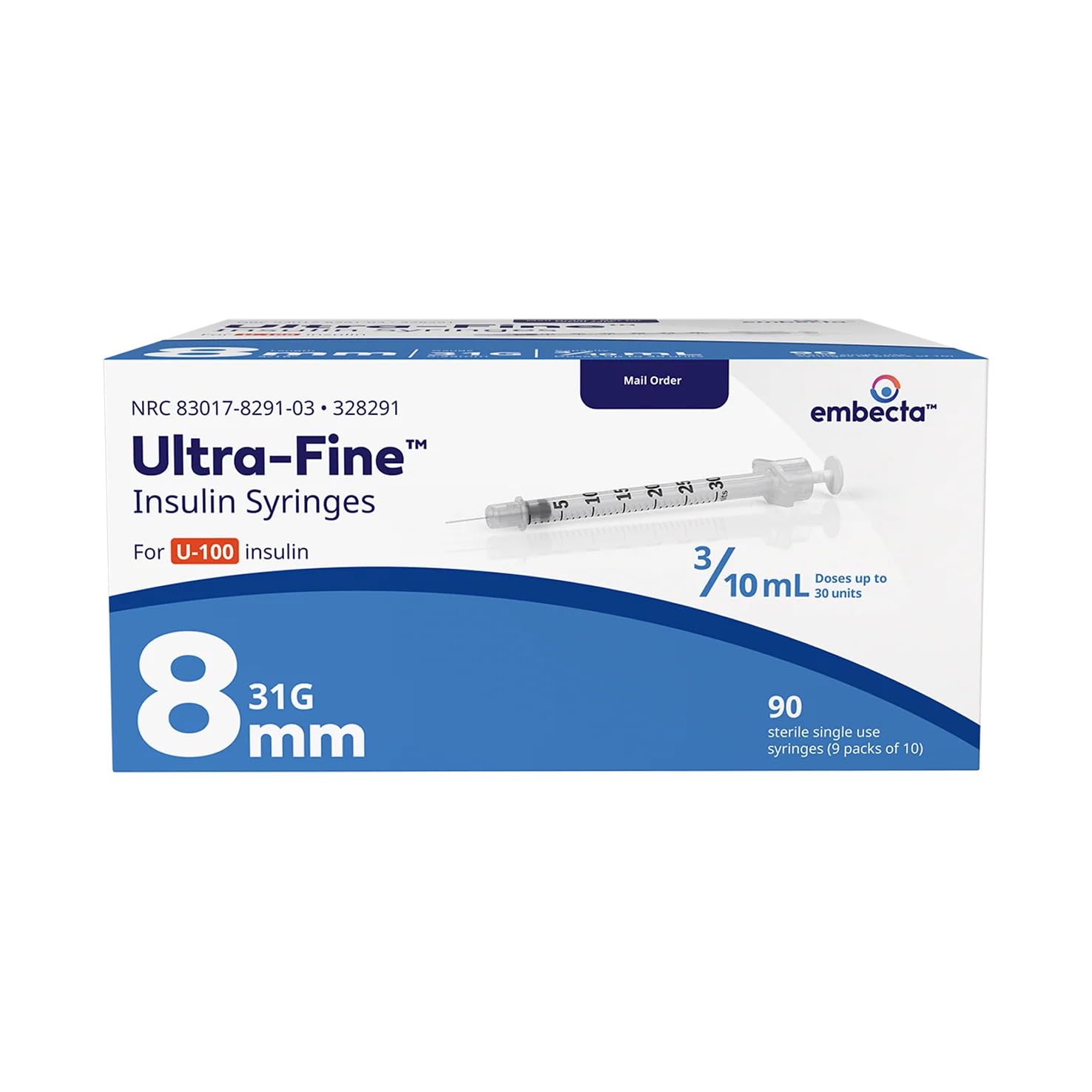
The most consistently effective approach documented is slow dose titration. The clinical protocol started at 2.5mg weekly and increased by 2.5mg every 4 weeks. Trial data linked rushing this schedule with the highest avoidable GI-distress rates.
The Standard Trial Escalation Schedule
Weeks
Dose
Purpose
1-4
2.5 mg/week
Initiation (not a therapeutic dose)
5-8
5 mg/week
First therapeutic dose
9-12
7.5 mg/week
Intermediate
13-16
10 mg/week
Strong response for most
17+
12.5-15 mg/week
Maximum dose if needed
For research-grade peptide protocols using split dosing (e.g., 0.5mg 3x/week), see the Tirzepatide Dosing Guide for detailed reconstitution and titration.
Approaches Community Sources Describe
Smaller, more frequent meals -- large meals overwhelm slowed gastric emptying
Avoiding high-fat foods for 24-48 hours post-injection -- fat delays gastric emptying further
Hydration -- 2-3L water daily, more with diarrhea or vomiting
Injection timing -- many users self-report evening dosing so nausea peaks during sleep
Keeping the 2.5mg month -- it builds GI tolerance even though it's sub-therapeutic for weight loss
Protein prioritization -- appetite suppression makes every calorie count; described as protecting lean mass
Long-Term Safety Data
Tirzepatide has the most extensive clinical trial safety database of any dual-agonist peptide. Key long-term findings:
72-week data (SURMOUNT-1): GI side effects decreased substantially after the dose-escalation period. Discontinuation due to adverse events was 4.3-7.1% with tirzepatide vs 2.6% with placebo (Jastreboff et al., 2022).
88-week data (SURMOUNT-4): Participants who continued tirzepatide for 88 total weeks maintained a 25.3% mean weight reduction. The safety profile in the extended treatment period was consistent with earlier trials -- no new safety signals emerged (Aronne et al., 2024).
What we don't know yet: Multi-year data (3-5+ years) is still accumulating. The cardiovascular outcomes trial (SURMOUNT-MMO) is ongoing and will provide the most definitive long-term safety picture. The theoretical thyroid C-cell concern from rodent studies has shown no signal in any human trial to date.
Bottom line: Tirzepatide's safety profile is consistent with the GLP-1 receptor agonist class, with no unique serious safety signals identified beyond what's expected from dual-receptor activation. The GI side effects are the main tolerability challenge, and they are largely manageable with proper titration.
Nausea typically peaked during the first 1-2 weeks at each new dose level and faded as subjects adjusted. Across SURMOUNT-1 to -4, the majority of GI events occurred during the dose-escalation period (first 20 weeks) and were mild to moderate, with most subjects improving within 2-4 weeks at a stable dose.
What did trials report about tirzepatide and pancreatitis?
A meta-analysis of 9 clinical trials (9,871 participants) found no statistically significant increase in pancreatitis risk with tirzepatide vs controls (RR 1.46, 95% CI 0.59-3.61). It remains a theoretical concern with all incretin-based therapies. Trials flagged severe, persistent abdominal pain radiating to the back for immediate medical evaluation and discontinuation.
What did trials report about tirzepatide and gallbladder problems?
Rapid weight loss from any cause increases gallstone risk, and tirzepatide showed a significant association with gallbladder/biliary events vs placebo (RR 1.97). The documented warning sign was right upper abdominal pain after eating fatty foods, which warranted medical evaluation.
Are tirzepatide side effects worse than semaglutide?
The GI side-effect profiles were similar in trial data. Tirzepatide's nausea rates (12-24%) are comparable to semaglutide's. One systematic review found tirzepatide's overall safety profile similar to GLP-1 receptor agonists, with the main difference being slightly higher discontinuation rates at the 10mg and 15mg doses.
What approaches reduced tirzepatide side effects in trials?
Trials used a standard escalation schedule starting around 2.5mg weekly with 2.5mg increases every 4 weeks. Community sources describe smaller, low-fat meals, hydration, and avoiding lying down immediately after eating. Research-grade split dosing (e.g., 0.5mg 3x/week) is self-reported to reduce GI peak effects.