Cerebrolysin
Cerebrolysin is a mixture of low-molecular-weight peptides and amino acids derived from pig brain tissue, studied by injection in stroke, traumatic brain injury and dementia research. It is approved in some countries outside the US, but not by the FDA. Below: today's vial sizes, prices through our link and the vendor's COA details.
Size
$0.05/mg · In stock
Price
$107.99
List
$119.99
Price shown uses code thepeptidecatalog at Mile High Compounds's checkout (10% off list).
Sold by Mile High Compounds. The Peptide Catalog does not sell peptides; we earn a commission if you buy through this link, at no extra cost to you. For laboratory research use only, not for human or veterinary use. Not FDA-approved. Nothing on this page is medical or dosing advice.
- Vendor-stated testing: Third-party tested · 7-point panel · COA per product
- Listed on our cerebrolysin vendor comparison, ordered by our vendor rankings
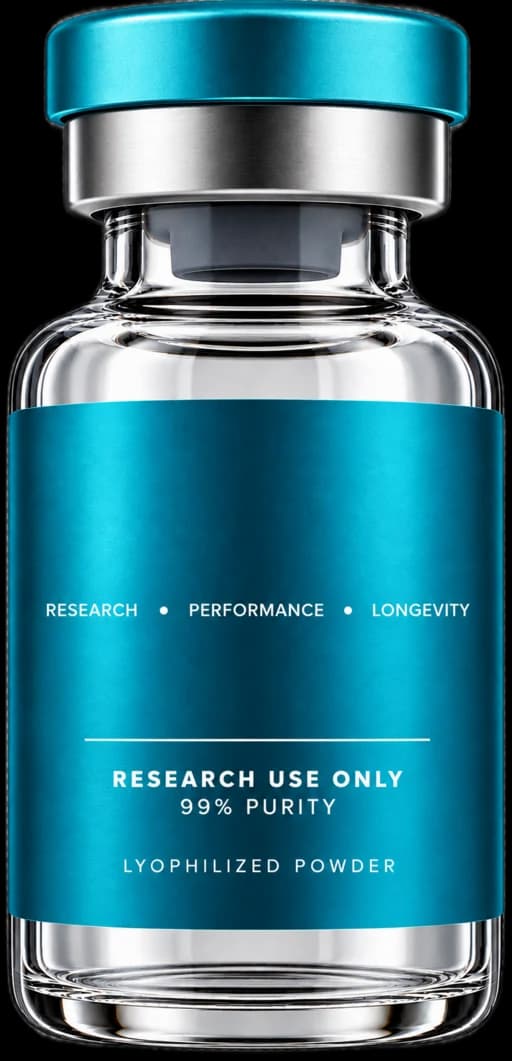
- Lyophilized powder · laboratory research use only
Research-context information only. Cerebrolysin is an investigational drug not approved by the FDA. Protocols, doses, and reactions reported below come from published clinical trials and self-reported community sources. This article reports what has been documented, not what should be done. Possession or use of investigational drugs outside an authorized clinical trial may be illegal in your jurisdiction. Consult a licensed physician for personal medical decisions.
Vial sizes listed by the vendor
Cerebrolysin Vial Sizes & Prices
| Size | List | With our code | Per mg | Availability |
|---|---|---|---|---|
| 2152 mg | $119.99 | $107.99 | $0.05 | In stock |
Prices checked today, 5:27 AM CT on Mile High Compounds's site, with code thepeptidecatalog applied. Vendor-stated testing: Third-party tested · 7-point panel · COA per product. The lot certificate is on Mile High Compounds's product page. Sizes not re-checked in the last 7 days are hidden. The vendor's checkout is final.
Test results
Cerebrolysin Certificate of Analysis
View the Cerebrolysin certificate on Mile High Compounds's product page.
How to check one: how to verify a peptide COA.
Cerebrolysin Dosing in Clinical Research
Stroke / TBI / Dementia / Cognition (Not FDA-Approved; Contested Evidence)
Educational reference only. Individual responses vary. Consult healthcare provider before use.
Why This Dosing Protocol
Route. It is a pre-mixed injectable solution given IM or IV — there is no bacteriostatic-water reconstitution step. Community sources self-report smaller IM courses (~5-10 mL/day), but those figures are not trial-validated. There is no established protocol for healthy cognitive enhancement.
Same research area
Related cognitive & neuro peptides
 SelankSynthetic tuftsin analog studied in anxiety and neuropeptide research.
 SemaxSynthetic ACTH(4-10) analog studied in neuropeptide research.
 DSIPDelta sleep-inducing peptide, a nonapeptide studied in sleep research.
- PinealonKhavinson tripeptide (EDR) studied in preclinical brain-tissue research.Pinealon
- CortagenKhavinson tetrapeptide (AEDP) studied in preclinical nervous-system research.Cortagen
- DihexaAngiotensin IV-derived small peptide studied in preclinical cognition research.Dihexa
- NoopeptSynthetic dipeptide-derived compound studied in cognition research.Noopept
- NSI-189Benzylpiperazine-aminopyridine compound studied in neurogenesis research.NSI-189
How Cerebrolysin Works
Porcine-Brain-Derived Neuropeptide Mixture — Neurotrophic / Neuroprotective (Injectable; Not FDA-Approved; Contested Clinical Evidence)
Target → Signal → Effect → Outcomes
A Mixture, Not a Single Molecule
Cerebrolysin is not one peptide. It is a preparation of low-molecular-weight peptides and free amino acids produced by controlled enzymatic breakdown of purified porcine (pig) brain proteins. The originally branded product is made in Austria; the standard concentrate is 215.2 mg/mL. The active fraction is proposed to be the small peptides that can cross the blood-brain barrier. Because it is a biologic mixture rather than a defined synthetic, batch composition and sourcing matter.
Mimics Neurotrophic Factors (BDNF/GDNF/NGF-like) — Proposed
The proposed mechanism (largely preclinical) is that the peptide fraction acts like endogenous neurotrophic factors — supporting neuronal survival, synaptic plasticity, and neuroprotection. An in vitro study reported that Cerebrolysin upregulated BDNF and Neuregulin 1 in neural cells under oxidative stress (PMID 38524067). These are mechanistic/preclinical signals, not a confirmed human mechanism.
Studied in Stroke, TBI, and Dementia — Mixed Results
Human evidence is real but contested. Meta-analysis reported cognitive and global-function benefit in mild-to-moderate Alzheimer's disease (PMID 25832905); the vascular-dementia Cochrane review reported improved cognition while calling the data "not definitive" (PMID 31710397); and the CAPTAIN trials reported benefit after moderate-severe TBI (PMID 31494820, 33620612). The acute-ischaemic-stroke Cochrane review, however, found no benefit on death and a probable increase in non-fatal serious adverse events (PMID 37818733).
Course-Based, in Clinical Populations
Cerebrolysin is given as injection courses (IV or IM) over 10-20 days, repeated in cycles — not a daily oral supplement. The documented outcomes are in impaired clinical populations (stroke, TBI, dementia) over weeks, not healthy-user enhancement. Community reports of cognitive benefit in healthy users are anecdotal and not placebo-controlled.
What Makes This Peptide Different
Cerebrolysin is unusual because it is a porcine-brain-derived biologic mixture given by injection, not a defined synthetic peptide — closer to a neurotrophic-factor extract than to compounds like Semax or Dihexa. It has a larger clinical-trial base than most research nootropics — decades of use across Russia, China, and Eastern Europe — but the evidence is genuinely contested: much of the supportive research is manufacturer-associated and regionally concentrated, and the Cochrane stroke review found a non-fatal serious-adverse-event signal. It is not FDA-approved in the US.
Technical specifications
Cerebrolysin chemical & analytical data
- Form
- Solution in a sealed vial or ampoule
- Presentation
- 2152 mg
- Regulatory status
- Investigational. Not FDA-approved for any use.
Cerebrolysin Reconstitution Calculator
Dilution math and unit conversions. Prefilled using a common vial size for this peptide.
Open calculatorStorage & Handling
Storage at a glance
Proper storage temperatures, shelf life, reconstitution best practices, and travel tips for lyophilized and reconstituted peptides.
Handling specifics
Educational overview on storage, labeling, and traceability considerations for lab environments. Consult primary literature and vendor documentation for specifics.
- Freezer (-20°C): 1+ year
- Refrigerator (2-8°C): 1-3 months
- Room temperature: 2-3 weeks (emergency only)
- MUST refrigerate at 2-8°C
- 4-week maximum shelf life
- NEVER freeze after reconstitution
- Use bacteriostatic water for multi-dose
7 answers
Cerebrolysin FAQ: Buying, COA, Storage & Research
What is Cerebrolysin made of?
Is Cerebrolysin FDA-approved?
What does the clinical evidence actually show?
How is Cerebrolysin administered?
How long does reconstituted peptide last?
Is this peptide legal to purchase?
New to peptides?
Cerebrolysin Research Articles
Cerebrolysin Dosage Guide: Courses & Routes
How Cerebrolysin is dosed: the indication-specific IV trial courses for stroke, TBI, and dementia, plus the community IM figures — and why it's never oral.
guidesBuy Cerebrolysin: Price, COA & Vendor Guide
Cerebrolysin is a mixture, so no COA can show one purity %. What buyers can verify, real cost per mL, and why published trials span dozens of vials.
resultsCerebrolysin Results Timeline: Course by Week
What a reported Cerebrolysin course looks like over time — the first 10-day cycle, repeat courses, and where the trial evidence actually lands.
benefitsCerebrolysin Benefits: Stroke, TBI & Dementia
A porcine-brain neuropeptide mixture studied for stroke, TBI, and dementia — what the human trials show, and where the Cochrane reviews pushed back.
Compare Cerebrolysin Vendors Before You Buy
Disclosure: we may earn affiliate commission from qualifying purchases. Educational information only — not medical advice.