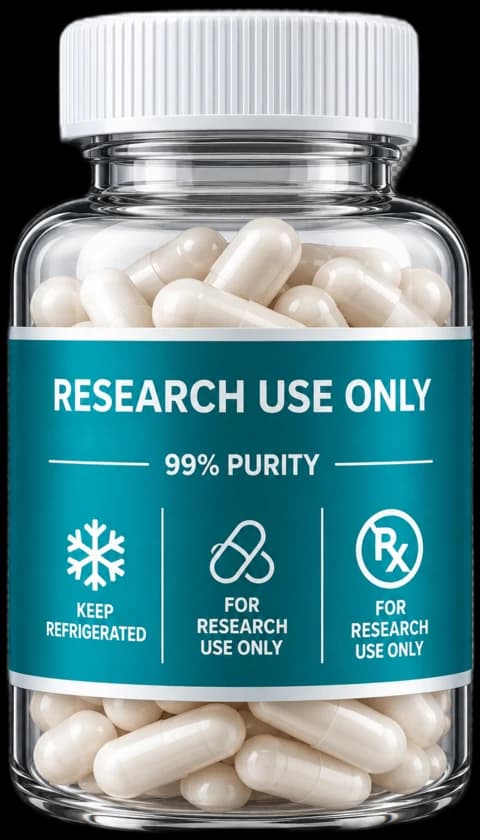
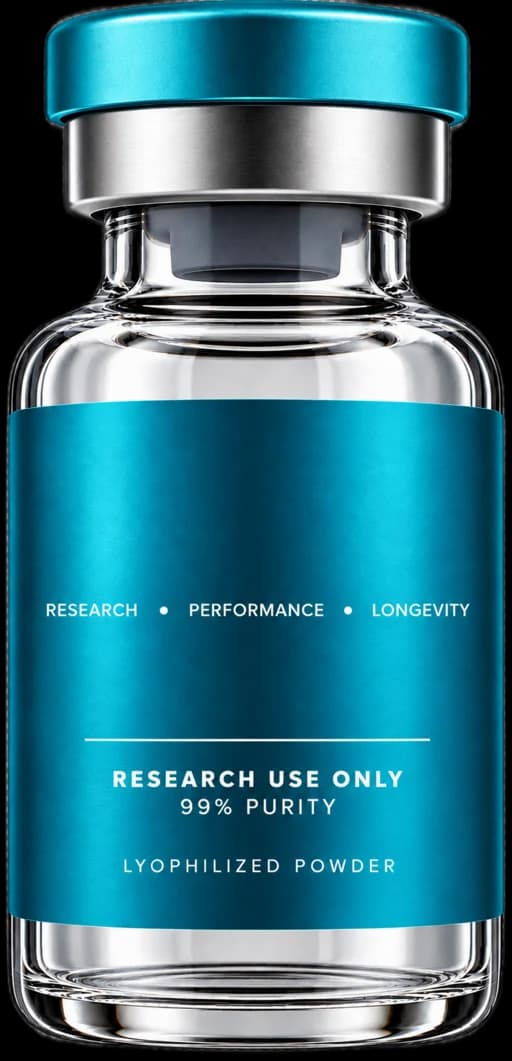
5-amino-1MQ (5-amino-1-methylquinolinium) is a selective inhibitor of nicotinamide N-methyltransferase (NNMT), an enzyme that increased adipocyte expression in obesity. The pivotal 2018 Neelakantan study in Biochemical Pharmacology documented that 5-amino-1MQ reduced body weight and white adipose mass in diet-induced obese mice over 11 days. A follow-up 2022 study examined NNMT inhibition combined with reduced calorie diet in DIO mice.
Research-context information only. 5-amino-1MQ is a research chemical (NNMT inhibitor) with no published human clinical trials — all efficacy data come from pre-clinical mouse studies. Protocols, doses, and reactions reported below come from animal research and self-reported community sources. This article reports what has been documented, not what should be done. Consult a licensed physician for personal medical decisions.
Both studies were in mice. There are no published human clinical trials.
The buying problem is unique: 5-amino-1MQ is a small molecule (not a peptide), it ships mainly in oral capsules at 25-100mg per dose (vials for subcutaneous use are also sold), and the entire research basis is pre-clinical. Vendor evaluation focuses heavily on COA verification because this is one of the more recently introduced research compounds and counterfeits are common.
This guide covers documented per-mg pricing, how to read a 5-amino-1MQ COA, format selection, and red flags. For dosing context, see the 5-amino-1MQ dosing guide.
This is not a ranked vendor list — for that, see our Best 5-Amino-1MQ Vendors comparison.
Understanding 5-Amino-1MQ Pricing
5-amino-1MQ ships in three formats:
- Capsules — Most-cited format. 50mg per cap is most common; 25mg and 100mg variants exist.
- Raw powder — Cheapest per-mg but requires precision weighing.
- Lyophilised vials — 10mg, 20mg and 50mg, for the subcutaneous route community sources describe. Needs bacteriostatic water, syringes and refrigeration once reconstituted.
Current Market Pricing (2026)
| Format & Size | Typical Price Range | Price Per 50mg Dose | Best For |
|---|---|---|---|
| 30ct × 50mg capsules | $50-110 | $1.67-3.67 | Tolerance testing |
| 60ct × 50mg capsules | $80-180 | $1.33-3.00 | Standard 50-100mg/day |
| 1g raw powder | $150-350 | $7.50-17.50 | Bulk users with precision scale |
| 5g raw powder | $500-1,200 | $5.00-12.00 | Long-term protocols |
| 10mg vial | $52-65 | n/a — see note | Subcutaneous route |
| 20mg vial | ~$79 | n/a — see note | Subcutaneous route |
| 50mg vial | $68-115 | n/a — see note | Subcutaneous route |
Why vials have no per-50mg column: community subcutaneous amounts are 2.5-5mg per dose, not 50mg, so a per-50mg figure would imply the two routes are comparable. They are not, and no human study has established a conversion between them — see the dosing guide. At community-reported subcutaneous amounts (2.5-5mg), a 50mg vial covers roughly 10-20 days.
The pattern: 60-capsule bottles at 50mg are the most-cited format. Raw powder has higher per-50mg cost than capsules because the molecule is small, dose is large, and capsule manufacturing efficiency dominates.
Cost Per Month at Common Doses
| Community-Reported Daily Amount | Monthly Mass | Monthly Cost (60ct × 50mg cap, 1 cap/day) | Monthly Cost (60ct, 2 caps/day) |
|---|---|---|---|
| 50 mg/day | 1.5g | $40-90 (1 bottle/2mo) | n/a |
| 100 mg/day | 3g | n/a | $80-180/month |
| 150 mg/day | 4.5g | n/a | $120-270/month |
For current vendor-specific pricing, see our Best 5-Amino-1MQ Vendors comparison.
Cheapest single-vial option: Ion Peptide's 15% off drops the 50mg vial to $29.75 ($0.59/mg effective) — the lowest effective price we track for buying one vial. Get the code →
How to Verify 5-Amino-1MQ Quality
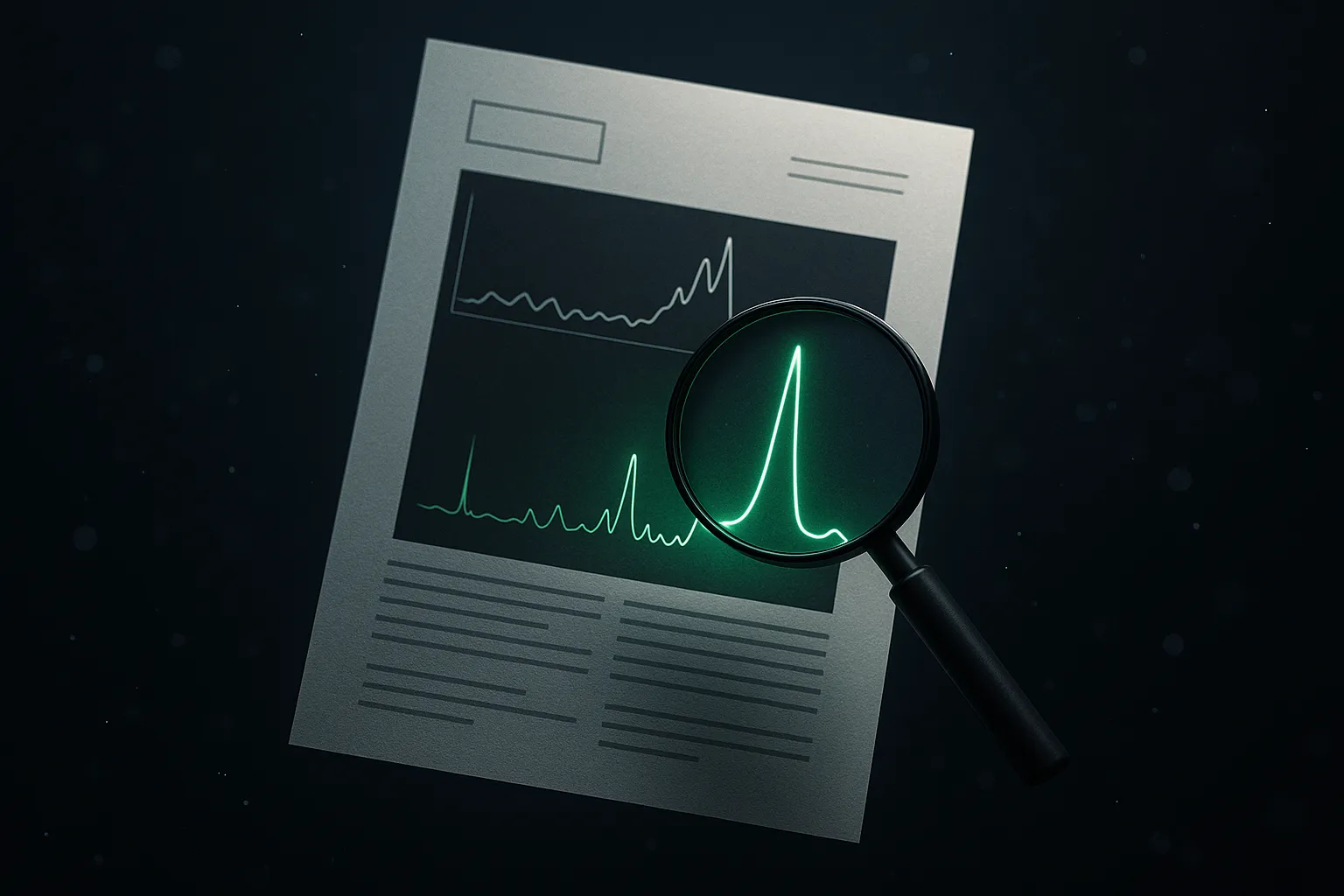
5-amino-1MQ is a small molecule, not a peptide. Mass spec is straightforward but verification of the active form (free base vs salt) and purity is critical because the compound is relatively cheap to synthesize and easy to substitute with structurally similar quinolines.
What a COA Should Include
Identity Confirmation
- Mass spectrometry confirming 159.19 Da (5-amino-1-methylquinolinium cation) or the labeled salt form mass
- NMR or LC-MS sequence verification
- Structural identity vs related quinoline NNMT inhibitors
Purity Testing
- HPLC purity at 98%+ (achievable for a small molecule)
- Single dominant peak; secondary peaks indicate impurities
Contamination Testing
- Heavy metals
- Residual solvents (the compound is often synthesized in DMSO-containing systems)
- For capsule products, microbial contamination
How to Verify a COA Is Legitimate
- Third-party lab — Janoshik, MZ Biolabs, Colmaric most-cited
- Verifiable task number at the lab's website
- Recent date (within 6 months)
- Batch match with the bottle/vial
- Mass confirmation at 159 Da (for the cation) or labeled salt mass
Red Flags to Avoid
- No COA available
- Only in-house testing
- Prices below $1/dose for 50mg capsules — extremely cheap pricing suggests underdosed or substituted product
- No mass spec — HPLC alone cannot distinguish 5-amino-1MQ from related quinolines
- Vague capsule labeling without mg per cap stated
- No contact information or cryptocurrency only
- No return or reship policy