AOD-9604 is a slow mover. For users coming from GLP-1 peptides like semaglutide — where appetite drops within days and the scale moves within weeks — AOD-9604 tends to test patience. It works through a different mechanism (fat oxidation via beta-3 adrenergic receptors, not appetite suppression), and that mechanism produces gradual, subtle changes.
The realistic timeline: most users report nothing visible until weeks 4-6. Some never see meaningful results. The difference between those who do and those who don't almost always comes down to one variable: whether they're injecting fasted and maintaining a caloric deficit.
Here's what to expect week by week at the standard 300mcg subcutaneous daily dose. For full dosing protocols, see the AOD-9604 Dosing Guide.
Research-context information only. AOD-9604 is an investigational research peptide; FDA Phase 2 trial program for obesity was discontinued without approval. Protocols, doses, and reactions reported below come from published clinical trials and self-reported community sources. This article reports what has been documented, not what should be done. Possession or use of investigational drugs outside an authorized clinical trial may be illegal in your jurisdiction. Consult a licensed physician for personal medical decisions.
What's happening internally: AOD-9604 begins activating lipolysis through the beta-3 adrenergic receptor pathway. Fat cells are becoming more responsive to fat-burning signals. But this molecular activity doesn't translate to visible or measurable changes yet.
What users commonly report: Likely nothing. Some users report mild warmth at the injection site for 15-30 minutes post-injection. A few describe slightly increased energy during morning fasted cardio, though this may be placebo.
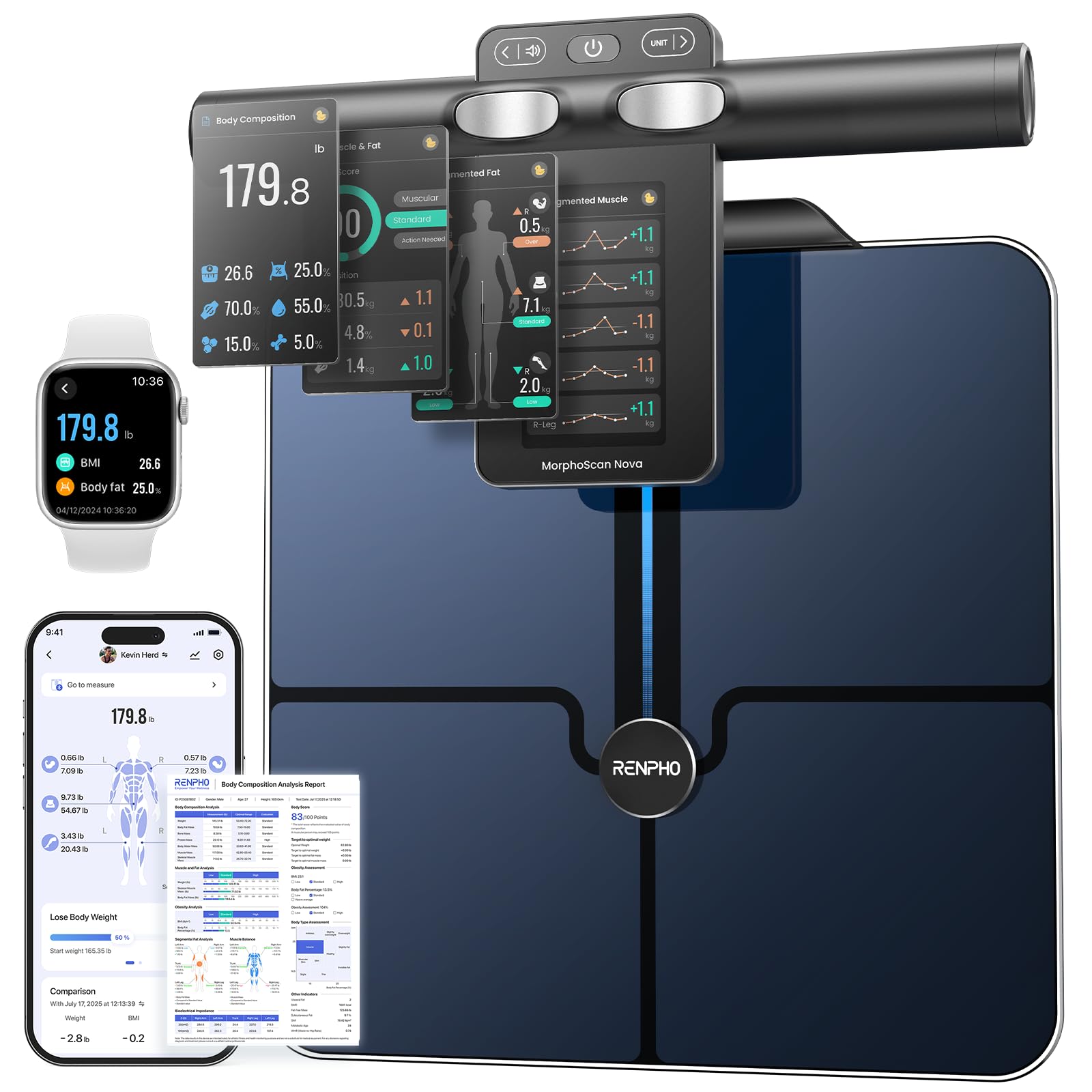
What to track: Body weight (morning, fasted, same scale), waist measurement, and clothing fit. Progress photos taken now matter later, when changes are gradual.
Common concern: "I don't feel anything." This is normal. AOD-9604 doesn't produce the obvious appetite suppression or nausea that GLP-1 peptides do. Absence of noticeable effects doesn't mean it isn't working.
Weeks 2-3: Subtle Internal Shifts
What's happening internally: Beta-3 adrenergic receptor expression is increasing in adipose tissue. Fat oxidation rates are beginning to rise. In animal studies, this is the period where measurable increases in lipolytic activity appear (Ng et al., 2001).
What users commonly report: Still very little that's visible. Users who track closely may notice:
Slight improvement in fasted cardio performance
Marginally faster recovery from caloric restriction (less lethargy on deficit days)
Possible 0.5-1lb scale change, though this is within normal fluctuation
What to track: Daily weigh-ins and weekly measurements continue. Diet or training stays unchanged for now — a baseline is needed to compare against.
Common mistake: Increasing the dose because nothing is "felt." Community protocols hold at 300mcg for at least 4 weeks before considering adjustments.
What's happening internally: Cumulative fat oxidation begins producing measurable body composition changes. The beta-3 pathway is fully upregulated. In the human clinical trial, the trajectory of weight loss became apparent during this window.
What users commonly report: This is where most responders describe the first real indicators:
2-4 lbs of fat loss (in a caloric deficit)
Slightly looser waistband
Subtle reduction in lower abdominal or love handle fullness
Better definition in areas that were previously "stubborn"
What determines results: Three factors separate responders from non-responders at this stage:
Fasted injection — injecting on an empty stomach, 30-60 minutes before food. Insulin spikes may compete with AOD-9604's lipolytic signaling.
Caloric deficit — even a mild 300-500 calorie daily deficit dramatically improves outcomes. AOD-9604 enhances fat burning but cannot overcome caloric surplus.
Consistency — daily injections without skipping days. The beta-3 receptor upregulation requires sustained exposure.
Weeks 6-8: Peak Effect Window
What's happening internally: Maximum fat oxidation response. The combination of upregulated beta-3 receptors and sustained lipolytic signaling produces the highest rate of fat-specific weight loss during this period.
What users commonly report:
4-7 lbs total fat loss from baseline (in a consistent deficit)
Visible changes in progress photos when compared to week 1
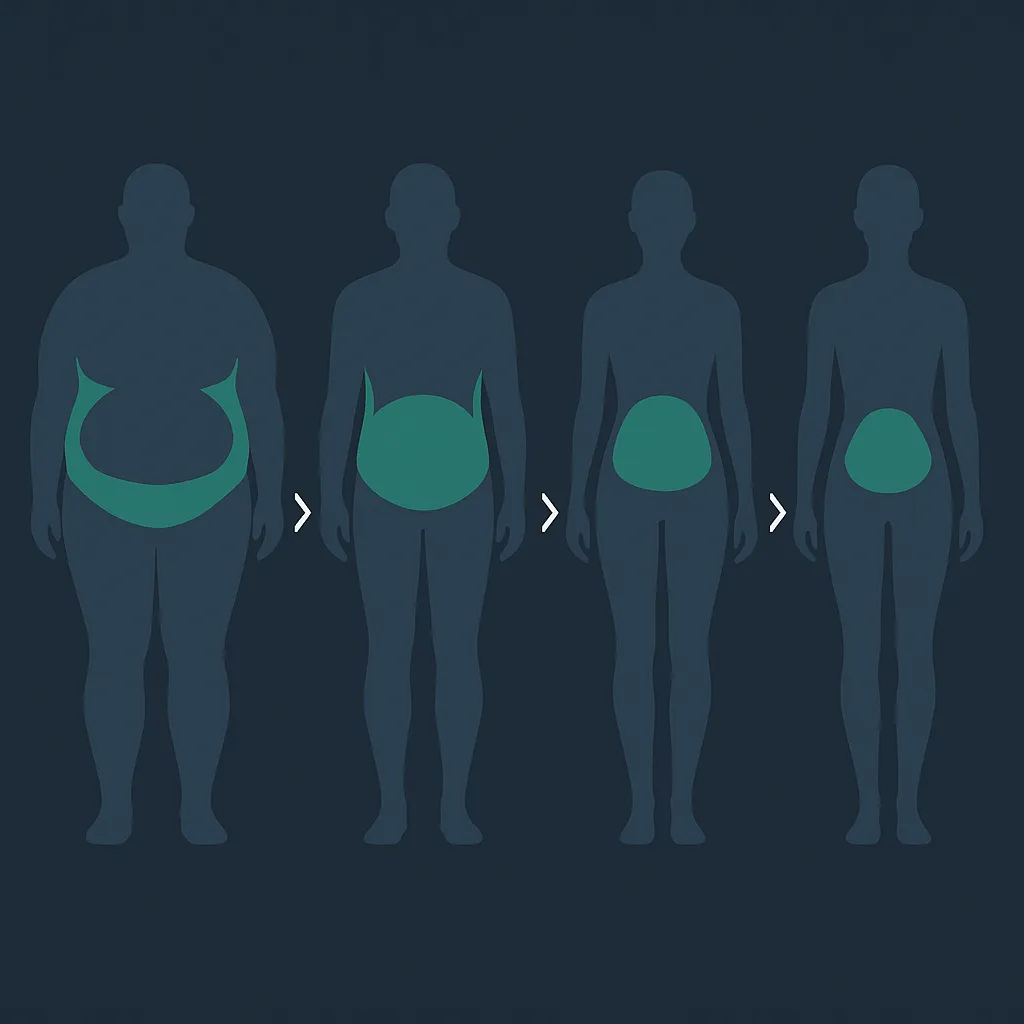
Improved body composition even if scale weight hasn't moved dramatically
Potential improvement in cholesterol markers (the clinical trial showed small improvements in lipid profiles)
What to watch for: Zero changes by week 8 with optimized timing and deficit suggests AOD-9604 is likely not providing meaningful benefit for that individual. Not everyone responds to beta-3 pathway stimulation equally — genetic variation in beta-3 adrenergic receptors affects individual response.
Weeks 8-12: Continued but Diminishing Returns
What's happening internally: Fat oxidation continues but the rate of additional change slows. The body adapts to sustained lipolytic signaling. This is consistent with the phase 2b clinical trial, where the total 12-week result was 2.8kg (6.2 lbs) additional fat loss versus placebo (clinical trial data).
What users commonly report:
Continued gradual fat loss, but slower than weeks 6-8
Body composition improvements consolidate
Some users plateau around week 10
Decision point: Most protocols recommend stopping at 8-12 weeks with a 4-6 week break before repeating. There's no evidence of tachyphylaxis (desensitization) with AOD-9604 since it doesn't affect the GH axis, but cycling is still recommended due to limited long-term human data.
Factors That Affect Results
Diet (The Biggest Variable)
AOD-9604 is not an appetite suppressant. It enhances fat oxidation — meaning it helps the body burn fat more efficiently when conditions are right. Without a caloric deficit, there's no "excess" fat metabolism signal for AOD-9604 to amplify.
Users in a moderate deficit (300-500 calories/day) consistently report better outcomes than those eating at maintenance.
Injection Timing
Community protocols strongly favor fasted morning injection. The rationale: insulin is a potent anti-lipolytic signal. Injecting AOD-9604 when insulin is low (fasted state) maximizes the window for lipolytic activity. While this hasn't been clinically validated for injectable use, the biochemistry supports it.
Exercise
Fasted cardio 30-60 minutes after injection is the most common protocol among users who report the best results. The combination of low insulin + AOD-9604's lipolytic activation + exercise-induced fat oxidation creates optimal conditions.
Resistance training doesn't directly interact with AOD-9604's mechanism but preserves lean mass during caloric deficit — which is always important.
Individual Variation
Genetic polymorphisms in the beta-3 adrenergic receptor (ADRB3) affect how strongly individuals respond to beta-3 pathway stimulation. The Trp64Arg variant, present in 8-12% of the population, is associated with reduced beta-3 receptor function and may blunt AOD-9604's effects.
Bac Water Made for Peptides50% off
Don't risk a $300 peptide on generic bac water.
Most cloudy reconstitutions trace back to one thing — and it isn't the peptide. Sterile, non-pyrogenic, 0.9% benzyl alcohol — formulated for peptide reconstitution, not repackaged from generic stock.
✓ 0.9% benzyl alcohol✓ Made for peptides✓ 30 mL multi-dose
Timeline: 6-12 weeks for visible changes
Best approach: 300mcg fasted, consistent caloric deficit, fasted cardio
Realistic expectation: 4-8 lbs additional fat loss over 12 weeks vs diet alone
Body Recomposition (Stacked)
Timeline: 4-8 weeks for synergistic effects
Common stacks: AOD-9604 + CJC-1295/Ipamorelin for GH-enhanced fat loss, or AOD-9604 + low-dose semaglutide for appetite control + enhanced fat oxidation
Realistic expectation: Faster results than AOD-9604 alone, but more variables to manage
Post-GLP-1 Transition
Timeline: Begin immediately after tapering off semaglutide or tirzepatidePurpose: Maintain fat oxidation support while transitioning away from appetite-suppressing peptides
Realistic expectation: May help prevent rebound weight gain by sustaining lipolytic activity, though this is community-reported, not clinically studied
When to Adjust Protocol
Signs it's working:
Gradual but consistent downward trend in waist measurement
Clothes fitting differently even if scale weight is stable
Improved fasted cardio endurance
Better body composition in progress photos at 6+ weeks
Signs to reassess:
Zero measurable change by week 8 with optimized timing and deficit
No subjective difference in energy or body composition
Side effects (rare but worth noting: headache, nausea)
If it's not working:
Verify fasted injection timing (no food 1-2 hours before or after)
Confirm caloric deficit (track intake for 2 weeks)
Consider increasing to 500mcg/day
Evaluate whether a different mechanism (GLP-1, GH secretagogue) would be more appropriate for the goal
Frequently Asked Questions
How quickly does AOD-9604 work?
Most users report no visible changes until weeks 4-6. Early subjective effects (slightly increased energy during fasted cardio, mild warmth at injection site) may appear in weeks 1-2 but aren't reliable indicators. Body composition changes are gradual.
Why is AOD-9604 slower than semaglutide?
AOD-9604 targets fat oxidation through the beta-3 adrenergic pathway without appetite suppression. Semaglutide reduces food intake by 20-30% via GLP-1 receptors, producing faster and larger weight loss. AOD-9604's mechanism is subtler — enhanced fat burning rather than reduced eating.
What if I see no results after 6 weeks?
Evaluate three factors: fasted injection timing (insulin spikes may blunt the effect), caloric deficit (AOD-9604 won't overcome a surplus), and dose (some users respond better at 500mcg vs 300mcg). If all three are optimized and nothing changes by week 8, AOD-9604 may not be effective for you.
Does diet matter with AOD-9604?
Diet is the single biggest factor determining AOD-9604 results. The peptide enhances fat oxidation but cannot override caloric surplus. Users in a modest deficit (300-500 calories) with fasted injection timing report the best outcomes.
What stacks do community sources describe for AOD-9604?
Common stacks include AOD-9604 + CJC-1295/Ipamorelin for combined fat loss and GH release, or AOD-9604 + semaglutide for appetite suppression plus enhanced fat oxidation. Stacking may accelerate results but introduces more variables.
Research Supplies for AOD-9604
Hand-picked storage, injection, and recovery supplies paired with AOD-9604 protocols.
Ng, F.M., et al. (2000). Metabolic studies of a synthetic lipolytic domain (AOD9604) of human growth hormone. Hormone Research, 53(6), 274-278. PMID: 11146367
Ng, F.M., et al. (2001). The effects of human GH and its lipolytic fragment (AOD9604) on lipid metabolism in obese mice and beta(3)-AR knock-out mice. Endocrinology, 142(12), 5182-5189. PMID: 11713213
Stier, H., et al. (2013). Safety and tolerability of the hexadecapeptide AOD9604 in humans. Journal of Endocrinology and Metabolism, 3(1-2), 7-15.
This article is for educational and informational purposes only. It is not medical advice. AOD-9604 is sold as a research compound and is not FDA-approved for human use. Consult a qualified healthcare provider before starting any peptide protocol.