Cagrilintide represents a fundamentally new approach to weight management. While most weight loss peptides target GLP-1 receptors, cagrilintide activates the amylin pathway — a separate satiety system that GLP-1 drugs miss entirely. This is not an incremental improvement. It is a new mechanism.
Research-context information only. Cagrilintide is an investigational drug not currently approved alone by the FDA. Protocols, doses, and reactions reported below come from published clinical trials and self-reported community sources. This article reports what has been documented, not what should be done. Possession or use of investigational drugs outside an authorized clinical trial may be illegal in your jurisdiction. Consult a licensed physician for personal medical decisions.
The clinical data is compelling: 10.8% weight loss as a standalone agent, and 22.7% when combined with semaglutide — approaching what was previously achievable only with bariatric surgery.
Cagrilintide is not FDA-approved and remains investigational as of March 2026. All data below comes from published clinical trials.
How Cagrilintide Works
Cagrilintide is a long-acting analog of human amylin, a 37-amino-acid peptide hormone co-secreted with insulin from pancreatic beta cells in response to food. Native amylin has a half-life of only ~15 minutes. Cagrilintide's fatty acid acylation extends this to approximately 160 hours, enabling once-weekly dosing.
Cagrilintide primarily activates amylin receptors 1 and 3 (AMY1R and AMY3R) in the brain — specifically in the area postrema and nucleus of the solitary tract. These are different receptors in different brain regions than those targeted by GLP-1 agonists, which is why the two pathways are complementary rather than redundant (Lau et al., 2021).
For dosing protocols and titration schedules, see our Cagrilintide Dosing Guide.
1. Significant Weight Loss as Monotherapy (Strong Evidence — Phase 2 RCT)
Cagrilintide produces clinically meaningful weight loss through amylin receptor activation alone.
The Phase 2 dose-finding trial randomized 706 adults with overweight or obesity across 57 sites in 10 countries. At 26 weeks, the highest dose (4.5 mg weekly) produced 10.8% mean body weight loss versus 1.0% with placebo. The 2.4 mg dose — the target dose selected for Phase 3 — produced 9.1% weight loss (Lau et al., 2021).
For context, this performance matched liraglutide 3.0 mg (the active control in this trial, which produced 9.0% weight loss). Cagrilintide achieves GLP-1-class weight loss through an entirely different receptor pathway — a finding that validated the therapeutic potential of amylin agonism for obesity.
The dose-response was clear and linear: higher doses produced more weight loss at every threshold measured, with 75% of patients on 4.5 mg achieving at least 5% weight loss.
2. Enhanced Weight Loss in Combination With Semaglutide (Strong Evidence — Phase 3 RCT)
The semaglutide+cagrilintide combination is where cagrilintide's clinical significance becomes most apparent.
The REDEFINE 1 Phase 3 trial randomized 3,417 adults with overweight or obesity (without diabetes) to semaglutide+cagrilintide 2.4/2.4 mg, semaglutide alone, cagrilintide alone, or placebo for 68 weeks. The combination produced 22.7% mean body weight loss versus approximately 2% with placebo (Aronne et al., 2025).
The combination data is striking:
| Metric (68 weeks) | semaglutide+cagrilintide 2.4/2.4 mg | Semaglutide 2.4 mg alone | Placebo |
|---|---|---|---|
| Mean weight loss | 22.7% | ~15-17% | ~2% |
| Achieved 20%+ weight loss | 60% | ~30-35% | — |
| Achieved 30%+ weight loss | 23% | ~10% | — |
60% of semaglutide+cagrilintide participants lost at least 20% of their body weight — a threshold historically associated with bariatric surgery outcomes, not pharmacotherapy. The combination significantly outperformed either component alone, confirming that amylin and GLP-1 pathways are additive.
3. Appetite and Satiety Enhancement (Strong Evidence — Phase 2/3 RCTs)
Cagrilintide reduces food intake through mechanisms distinct from GLP-1 agonists.
Amylin receptor activation in the area postrema and brainstem promotes feelings of fullness and reduces meal size. This is a different satiety circuit than the hypothalamic pathway engaged by GLP-1 agonists. The practical result is that patients on cagrilintide (and especially semaglutide+cagrilintide) report more profound appetite suppression than either mechanism alone (Trevisan et al., 2024).
Emerging evidence suggests amylin signaling also influences hedonic (pleasure-based) eating behavior through pathways in the ventral tegmental area and nucleus accumbens. If confirmed, this means cagrilintide does not just reduce hunger — it reduces the reward value of food, which addresses a dimension of appetite that GLP-1 agonists only partially reach.
4. Gastric Emptying Delay (Moderate Evidence — Phase 1/2)
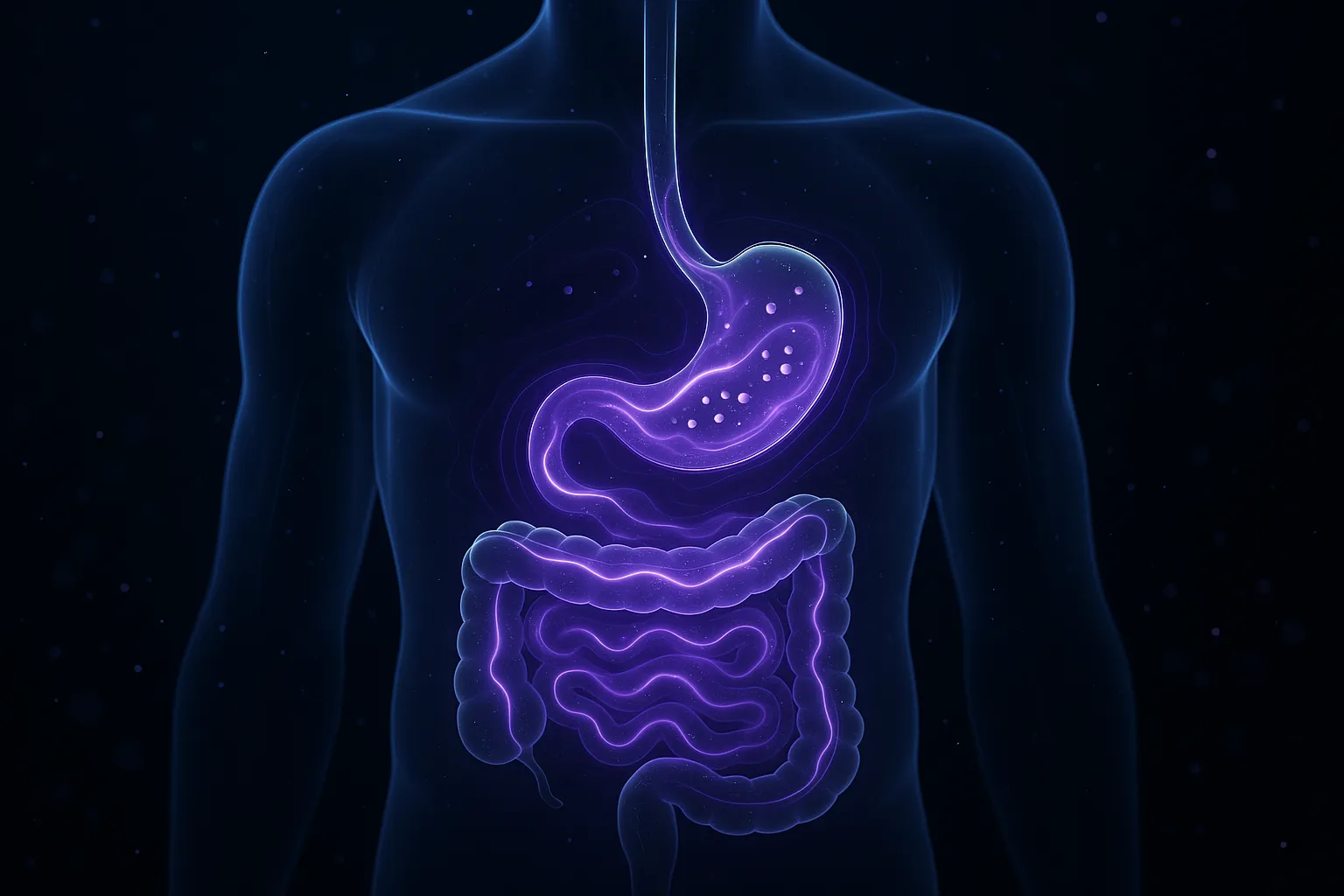
Cagrilintide slows gastric emptying through amylin-mediated pathways, prolonging post-meal satiety and reducing glucose excursions.
This mechanism overlaps with GLP-1 agonists but acts through different receptor populations. In the semaglutide+cagrilintide combination, the dual gastric emptying delay contributes to enhanced satiety but also requires careful titration to manage GI side effects (Enebo et al., 2021).
The clinical relevance: slower gastric emptying means food stays in the stomach longer, producing prolonged fullness signals. This is one reason why semaglutide+cagrilintide users report feeling satisfied with smaller portions throughout the day.
Ready to buy? Compare verified vendors on our best cagrilintide sources page, or browse all coupon codes for up to 50% off.